
Cover crops can do many good things, but getting the most out of them requires a plan that’s reflective of your yield goals, budget, and operational constraints.
Monitoring and making adjustments when things don’t go exactly to plan doesn’t hurt either.
That’s according to Lyss Gingras, certified crop advisor with Speare Seeds. A long-time proponent of cover cropping, Gringras discussed the benefits cover crops can bring to soil health and main cash crops, as well as practical considerations for achieving different goals within the living organism that is soil, at an Ontario Soil and Crop Improvement Association webinar on Aug. 5.
The short of it, said Gingras, is cover crops are very powerful agronomic tools if you understand what they are good at and what makes them tick.
Why cover crop?
Gingras explored why cover cropping is a good thing, in the context of what happens to soil and crops yields as soil is worked over time.
In an ideal world, soil is comprised of 25 per cent water, 25 per cent air, 45 per cent mineral content, and five per cent organic matter – the latter being itself broken down into humus, organisms, and roots, he said. Repeated tillage and compaction shrink the water, air and organic matter ratio of soil, leading to higher bulk density as the “overall area of the soil is losing space.”
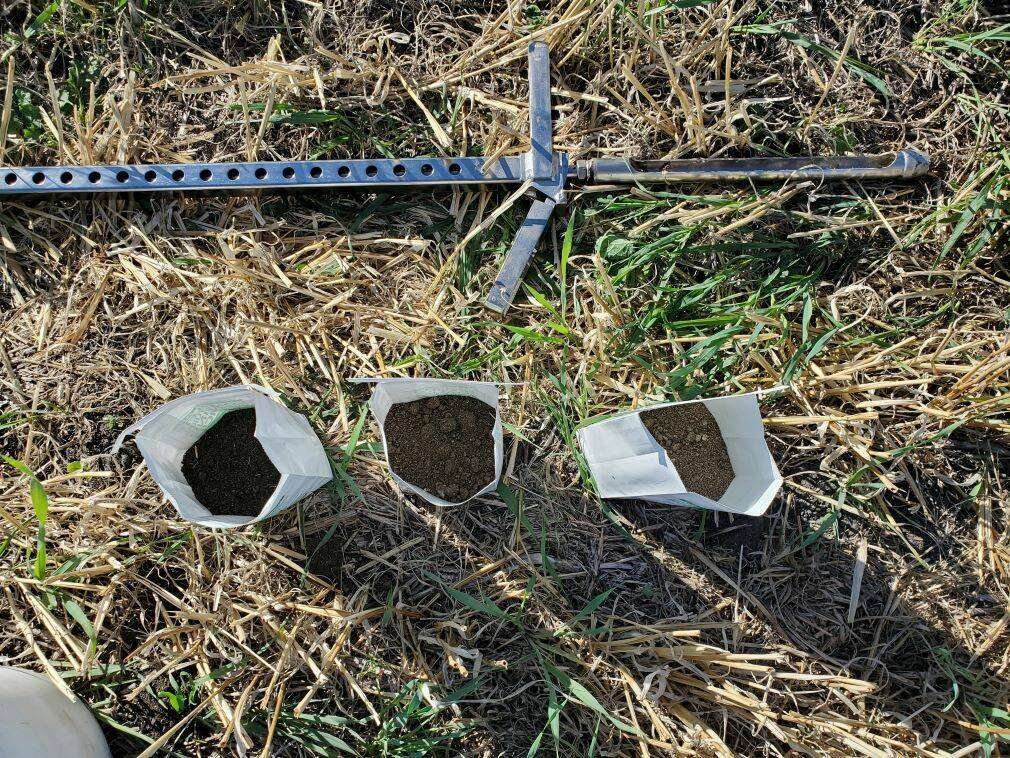
Cover crops help reverse this by breaking up compaction and protecting soil. They can also sequester nutrients, fix nitrogen, improve weed and pest control, increase soil organic matter, all while adding additional forage options and potential wildlife habitat.
Gingras added cover crops provide an opportunity to “harvest sunlight” during periods of the year when main crops are not doing so, putting more carbon into the ground.
“You don’t want to waste that sunlight because it is another resource,” he said. “Think of soil as an alive organism. It’s a whole system and it requires some care as well to make sure that system is functioning properly. We tend to forget everything the soil is doing for us.”
From a yield perspective, what soil is doing for main crops has been found to improve yields. Gingras pointed specifically to long-term research trials, conducted at the University of Guelph, illustrating consistent yield benefits of maintaining winter wheat and cover crops in rotation. He also stresses yield improvements, as well as soil health improvements, tend to vary year to year.
“Cover cropping is an investment in soil health and future crop production,” he said. “It does come down to the budget as well.”
Characteristics you should know
Not all cover crops are created equal, so matching goals with the appropriate species or variety is a critical first step, according to Gingras.
For example, if overwintering and spring growth is the goal — as is required in some cover crop cost-share funding programs — it makes little sense to invest in oats or another species likely to die from cold temperatures, even if the seed is relatively affordable. If weed suppression is the target, the allelopathic effect of cereal rye could be the answer. Worried weather conditions might be too hot or too cold for a given species? Plant a mix of cool- and warm-season covers to better guarantee at least one should do well.
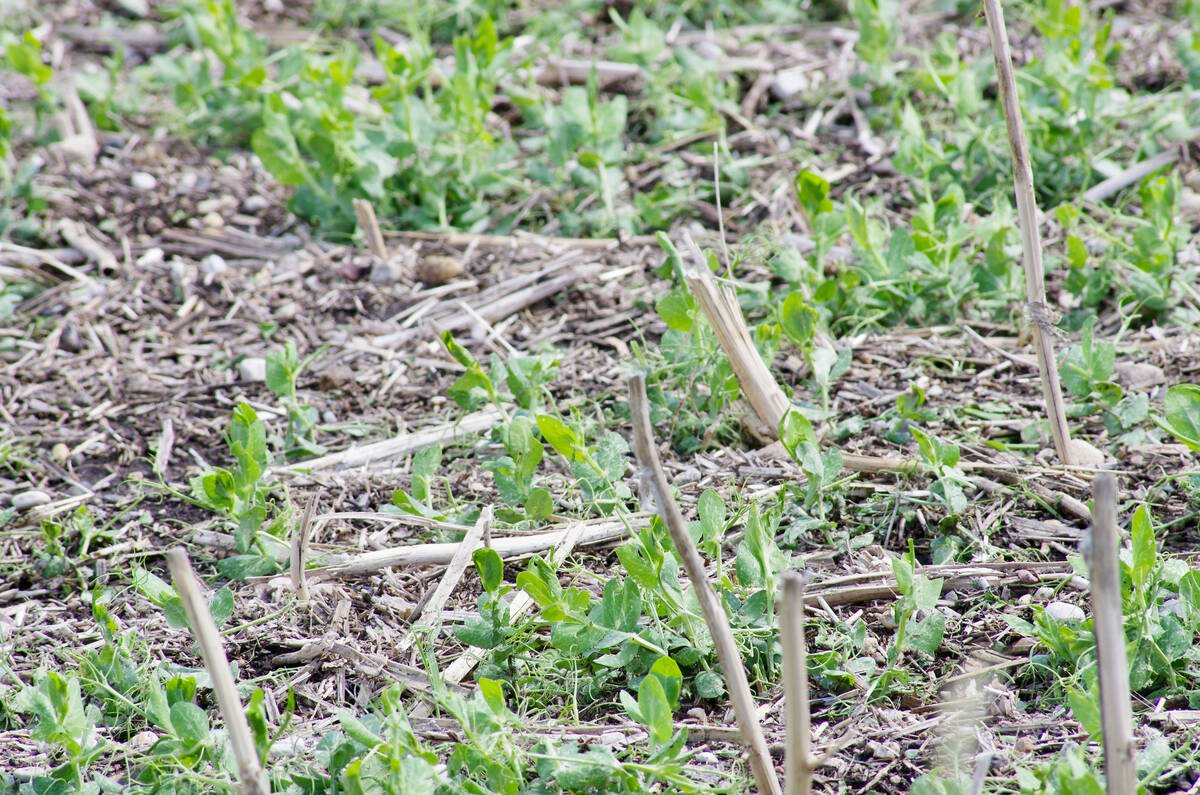
If it’s nitrogen credits you’re after, legumes like clovers or hairy vetch might be the ticket. The latter is also an example of a cover crop well suited to use as forage.
Gingras cautioned that some cover crop benefits can conflict with others. Removing the biomass of hairy vetch for forage, for example, can delay the buildup of soil organic matter — a process which already takes years, even when significant biomass and root systems remain in the field to decompose. Selecting covers that could contribute to disease or pest cycles in subsequent crops is also something to shy away from.
“If you’re growing brassicas you don’t want to (plant something) that is also a host for your crops,” Gingras said, later reiterating all cover crop species “are helping with additions to soil organic matter.”
Timing and method matter
Application method and planting time are also important, although growers have a number of options.
Cover crops can be broadcast, broadcast and incorporated, or direct seeded. The first is the most cost-effective, but has the least chance of good establishment. The second improves the odds, whereas the third is likely to provide the most establishment success, though tends to be more expensive.
“Anything more precise is generally better,” said Gingras. “Any way you can get that directly into the soil to increase your chance of success.”
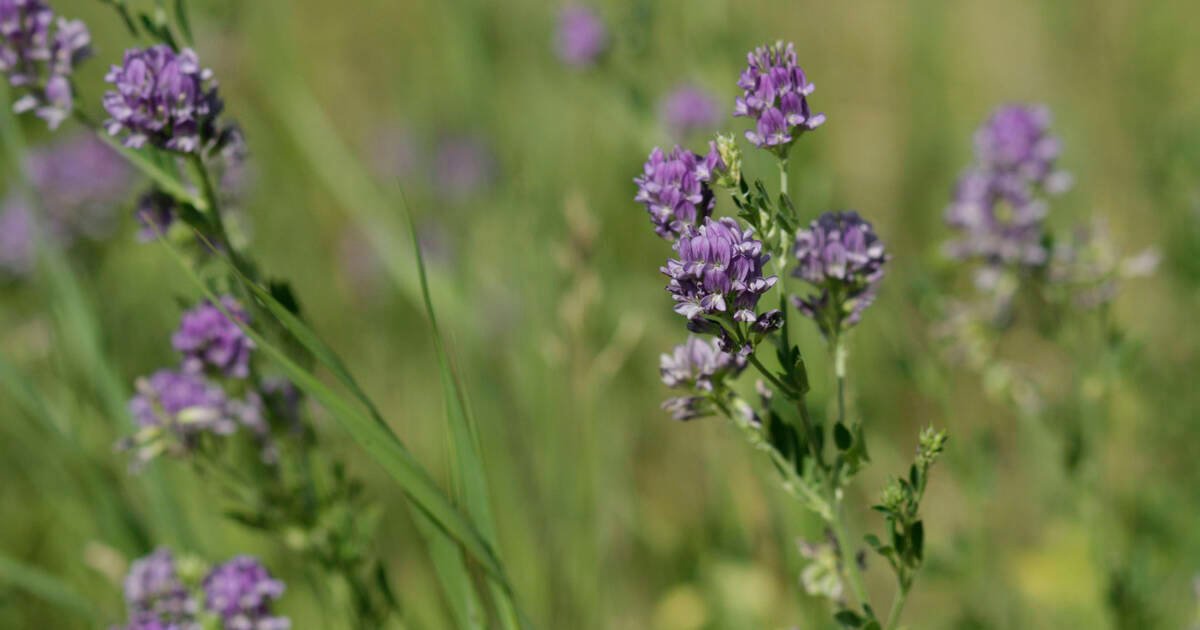
The best seeding timing will relate to the goals you want to achieve, but can also be matched to the temperature proclivities of the plants. Whereas frosting species can be planted in February or March, warm-season crops are best suited to June and July. Overwintering species can go in as late as October and November.
Termination can be accomplished via tillage, herbicides, or natural winterkill. Whatever the method employed, Gingras said it’s critical to have a termination plan “already in mind” before you invest in the cover crop.
Termination
Conditions can sometimes dictate what the ideal time to terminate. In a dry spring, for example, it might be worth terminating early to prevent the cover from removing too much moisture. In a wet spring, conversely, leaving it to grow could help dry the soil out.
But “the number one thing” Gingras said he wants growers to remember, is cover crops must be dead prior to producing seed. This is because the amount of carbon stored in the plant increases as it matures, thus reducing the rate it will decompose. Some species, such as mustards, can turn into a weed problem in the main season as well, while others like oats can incur a nitrogen penalty if “it gets really woody.”
“With cover crops, we don’t want to interfere with that main crop. Do what you can…to ensure you have residue that’s going to break down in a timely manner,” he said.
Gingras’ take-home message — plan ahead, chose species based on goals and budget, and adjust as needed.
“See how things did. Did they turn out the way you wanted to? And make adjustments for next season,” he said, reiterating having something in the field “is better than nothing.”
The post Choose cover crops that work smarter and harder for your field appeared first on Farmtario.


