

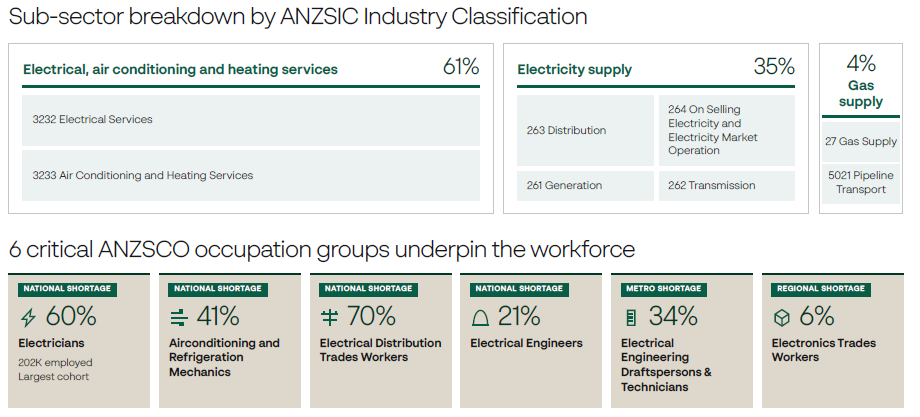
Based on industry surveys, shortages in critical energy transition occupations, can be improved with better employment strategies and culture, as well as addressing insufficient skills development to meet the pace of change.
Powering Skills Organisation’s (PSO’s) estimated target of 42,000 new qualified workers being required, has found workforce pressures beyond the demands of an energy transition now top heavy with rapid growth in artifiical intelligence (AI) data centre developments, is at risk of being derailed by skilled worker shortages.
Australia-headquartered energy sector workforce policy entity PSO’s High Load, Short Supply 2026 Targeted Workforce Update report says workforce growth is also constrained by limited training capacity and business confidence.
“As revealed by engagement with more than 400 employers, employees, training providers, industry bodies, unions and apprentices through PSO’s 2026 energy skills and workforce survey, and national roadshows,” the report cites.
“Regional stakeholders also identified persistent challenges relating to workforce mobility, training access, supervision capacity and thin labour markets. Across the engagement, stakeholders consistently called for structural reforms to support stronger workforce growth, mobility and coordination.”
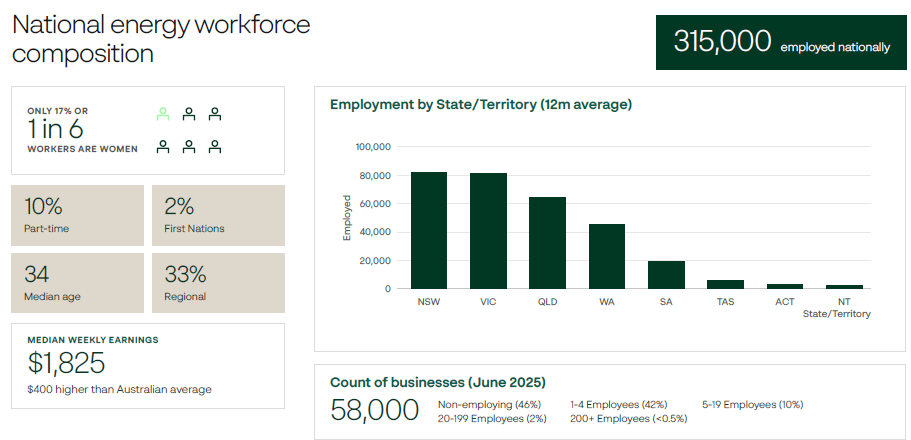
Among surveyed employers, 55% continued to carry vacancies in the past 12 months, and 52% had positions unfilled for longer than six months.
Having only one pathway into the licensed electrical workforce via a Cert III in Electrotechnology, is hindered further by school leavers abandoning apprenticeships early, being underprepared by the education system for the literacy and numeracy demands of the training.
PSOs research found 59% of electrotechnology apprenticeships cancellations occur in the first year of study, and 26% in the second.
Completion rates however are at 70% and the larger barrier is the creation of apprenticeship opportunities, the report says.
The largest burden for apprentice employment falls to small and medium electrical contracting businesses, which in term boilds down to the practicalities of commercial viability.
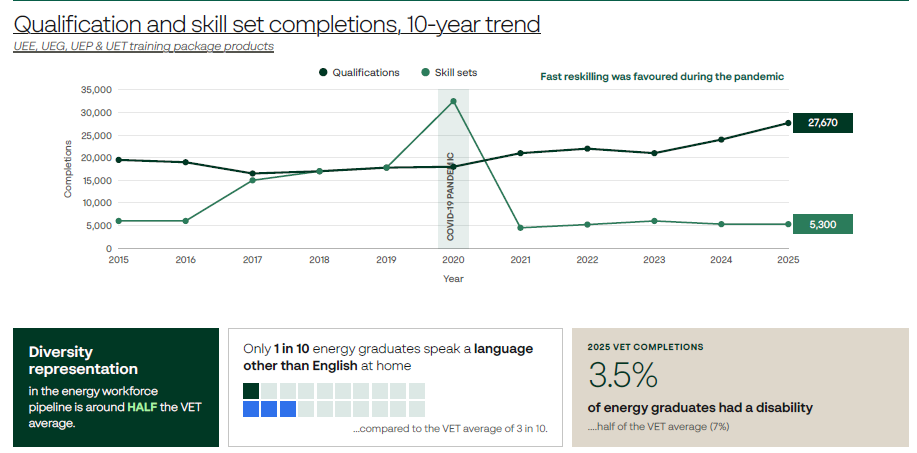
Workplace culture can be a constraint where significant talent pools, including women, First Nations peoples and culturally and linguistically diverse communities are underutilised.
PSO has developed a solutions-focussed framework, outlined in the report, which addresses four recurrent themes to have emerged from its survey of the energy sector.
The Four Cs framework covers capacity, which defines the scale of the workforce required, capability covering the skills needed by that workforce, culture that could offer inclusive and safe workplaces to attract and retain talent, and confidence, which opens the door to investment and certainty.
The post Hiring more women deemed a remedy to energy transition workforce shortages appeared first on pv magazine Global.


