Chemical Education for Global Sustainability themed collection

Like
Liked

Date:

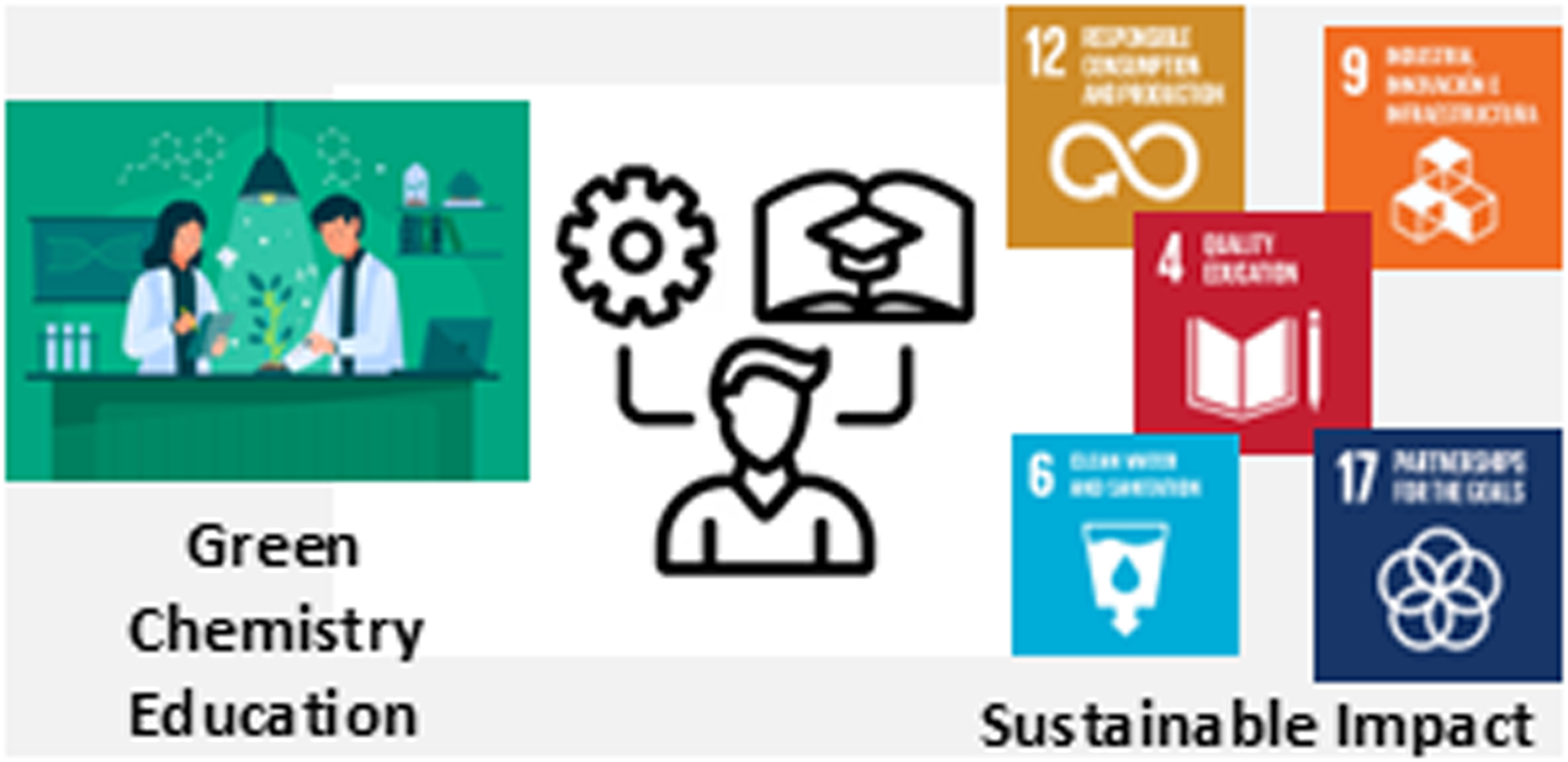
Guest Edited by Professor Helen Drummond (North-West University, South Africa), Professor Marietjie Potgieter (University of Pretoria, South Africa), Professor Gildo Girotto Junior (UNICAMP, Brazil) and Dr Juliana Vidal (Beyond Benign), this collection showcases how chemistry education is being transformed through green and sustainable chemistry to support the UN Sustainable Development Goals (SDGs). It highlights innovative approaches such as systems thinking, inclusive and interdisciplinary teaching, and real-world sustainability applications, demonstrating how chemistry can help prepare students to address complex environmental, social, and economic challenges and contribute to a more sustainable future.

Please enjoy the diverse range of articles in the collection below.

Chemical education for global sustainability: preparing the future generation for a sustainable future

Gildo Girotto Jr*, Juliana Vidal

RSC Sustainability 2026. https://doi.org/10.1039/d6su90054b

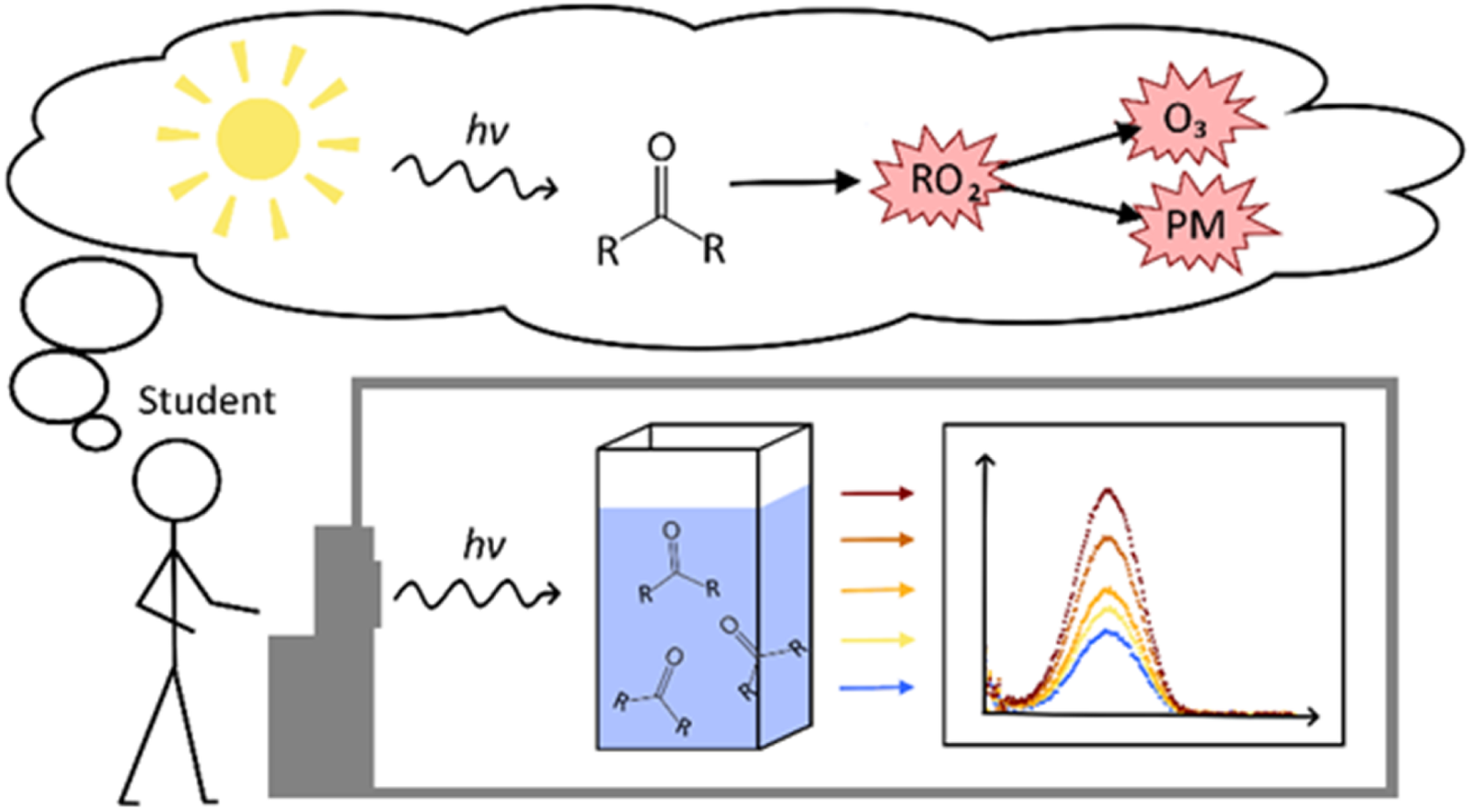
A newly-developed undergraduate-level lab activity allows students to explore previously inaccessible topics in atmospheric chemistry and air quality.

Practical atmospheric photochemical kinetics for undergraduate teaching and research

James D’Souza Metcalf†, Ruth K. Winkless†, Abbie Robinson, Stuart C Smith, Andrew R. Rickard, Terry J. Dillon*

RSC Sustainability 2025; 3 (11): 5146–5154. https://doi.org/10.1039/d5su00681c

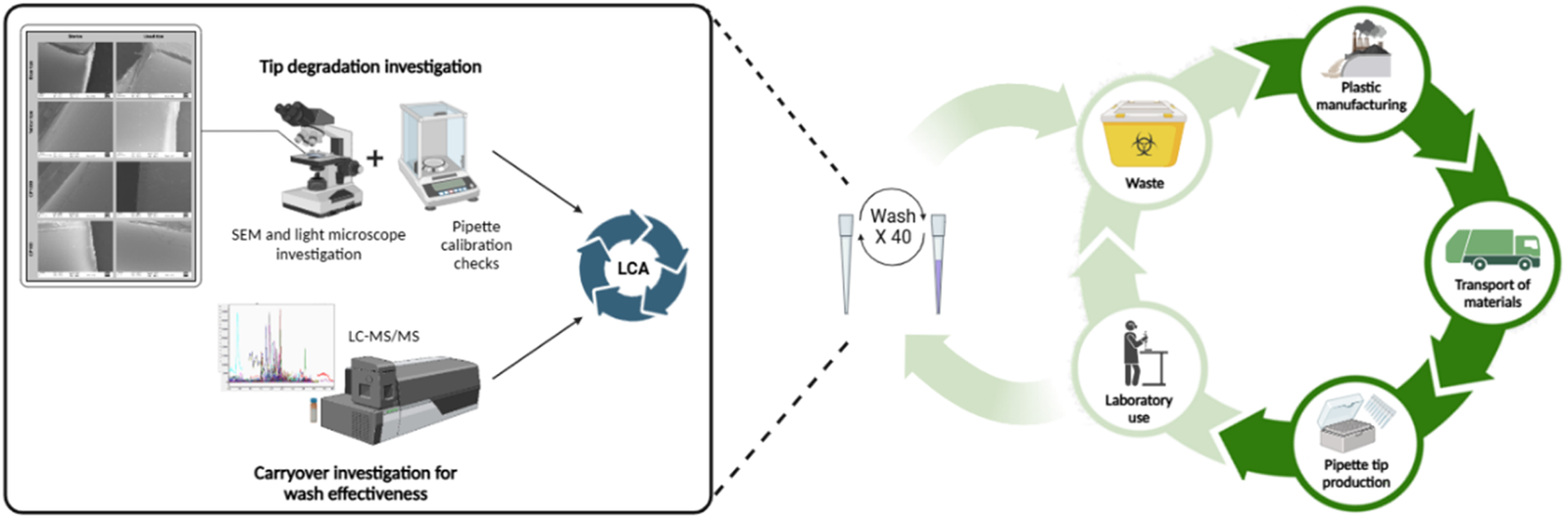
Reuse of consumable pipette tips for large-scale trace analysis of contaminants of emerging concern in wastewater

Amber Vaughan, Yassir El Hadri, Juditha Gurumurthy, William Francis, Margarita White, Eric Auyang, Stephanie Wright, Leon P. Barron, Helena Rapp-Wright*

RSC Sustainability 2025; 3 (12): 5470–5485. https://doi.org/10.1039/d5su00644a

This study shows that solvent-based washing enables safe pipette tip reuse for trace chemical analysis, with EtOH : H2O (50 : 50, v/v) providing the best balance of cleaning, and sustainability, reducing plastic waste without performance loss.
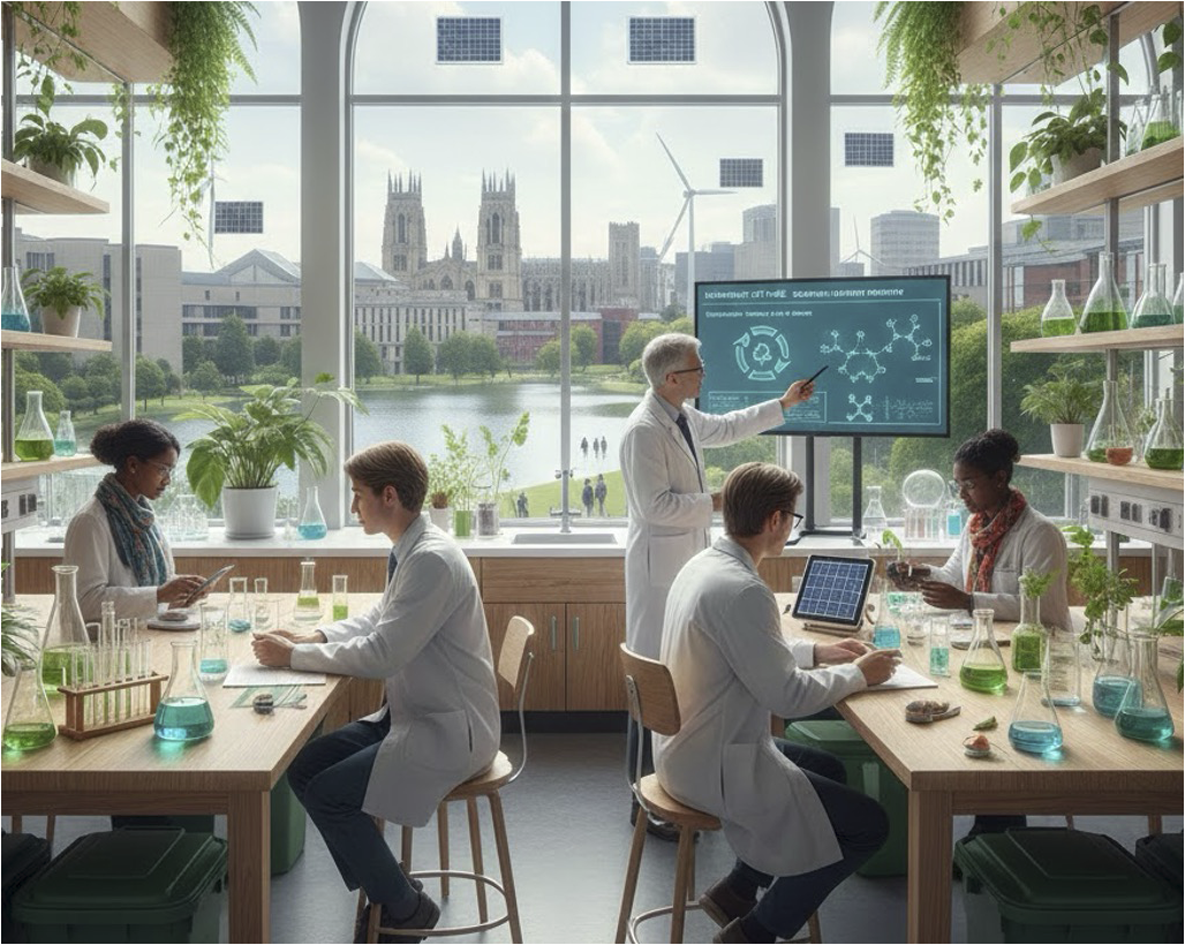
The Department of Chemistry at the University of York, UK has been at the forefront of green chemistry education initiatives for several decades.

The commitment to green chemistry education at York: past, present and future

Glenn A. Hurst*

RSC Sustainability 2026; 4 (6): 2556–2564. https://doi.org/10.1039/d5su00881f

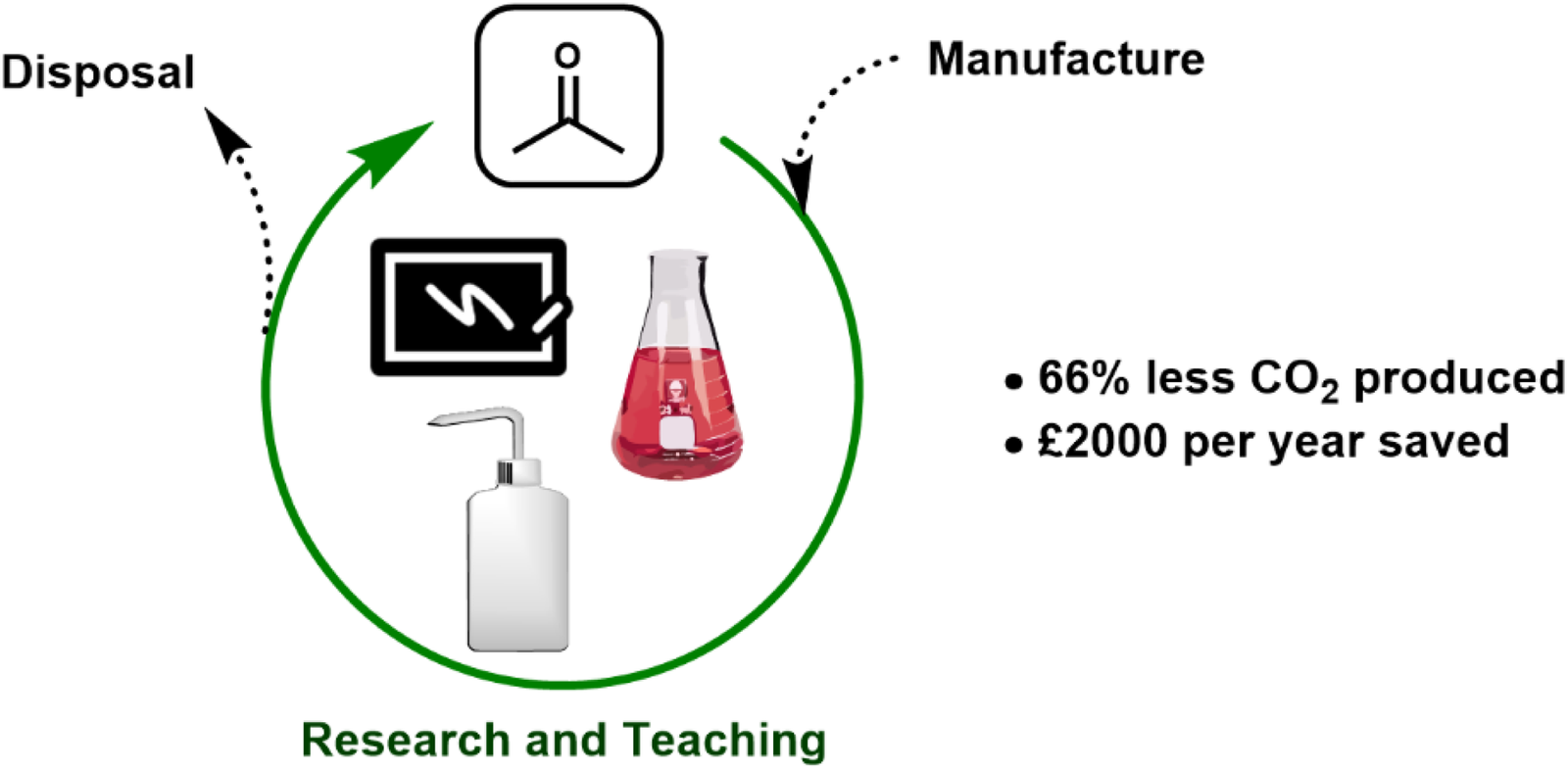
Acetone recycling: a case study in the undergraduate teaching laboratory

Elizabeth S. Munday*

RSC Sustainability 2026; 4 (2): 779–784. https://doi.org/10.1039/d5su00926j

Recycling acetone in the teaching laboratory leads to a significant carbon and cost reduction, changing the culture around solvent use.
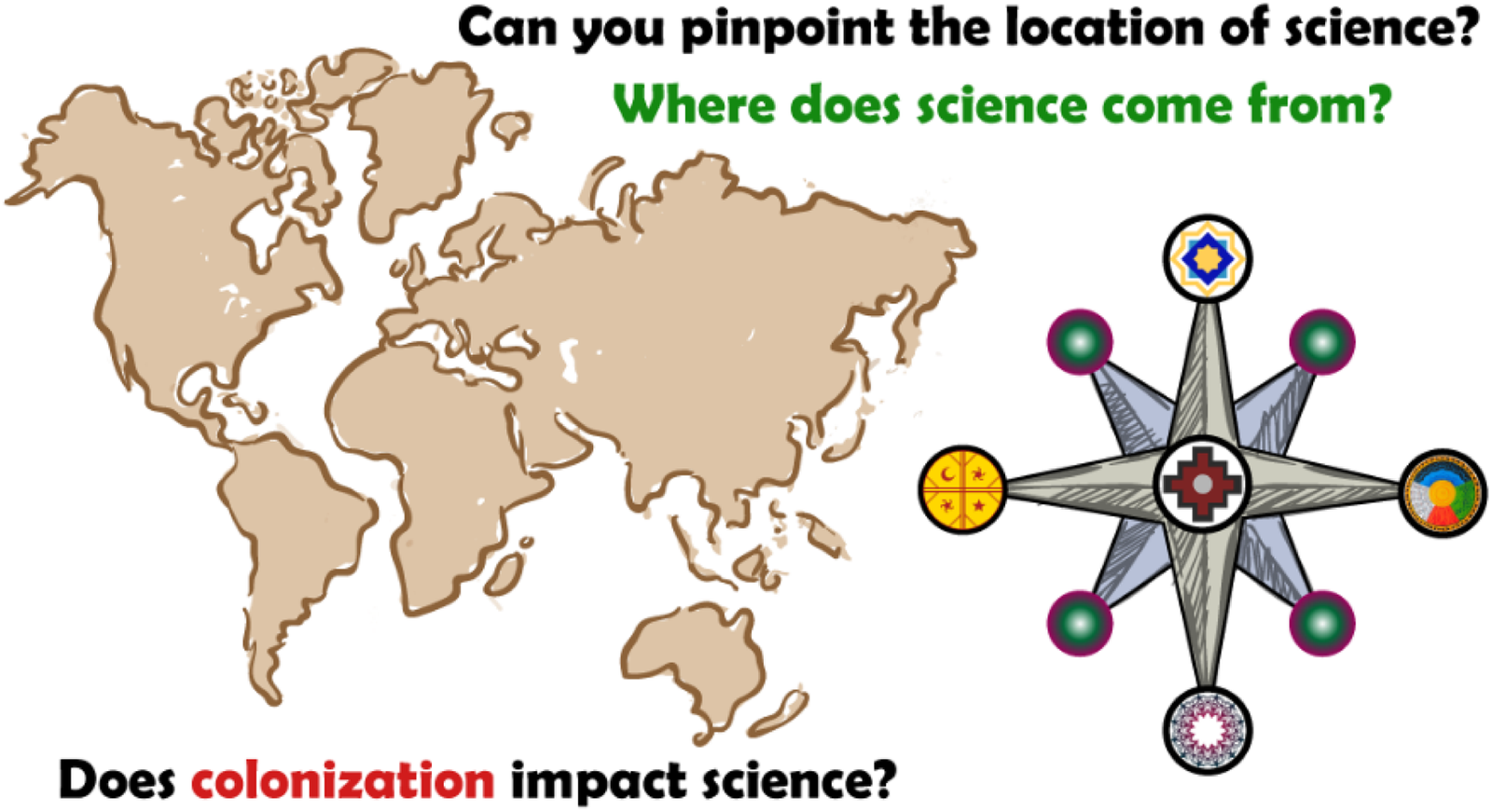
Matharu plots: a thought-provoking exercise that empowers us to explore global research and eliminate biases.

Decolonizing green chemistry research through Matharu plots

Francisco Yarur Villanueva*, Daniel J. Inglis, Avtar S. Matharu*

RSC Sustainability 2026; 4 (3): 1327–1331. https://doi.org/10.1039/d5su00777a

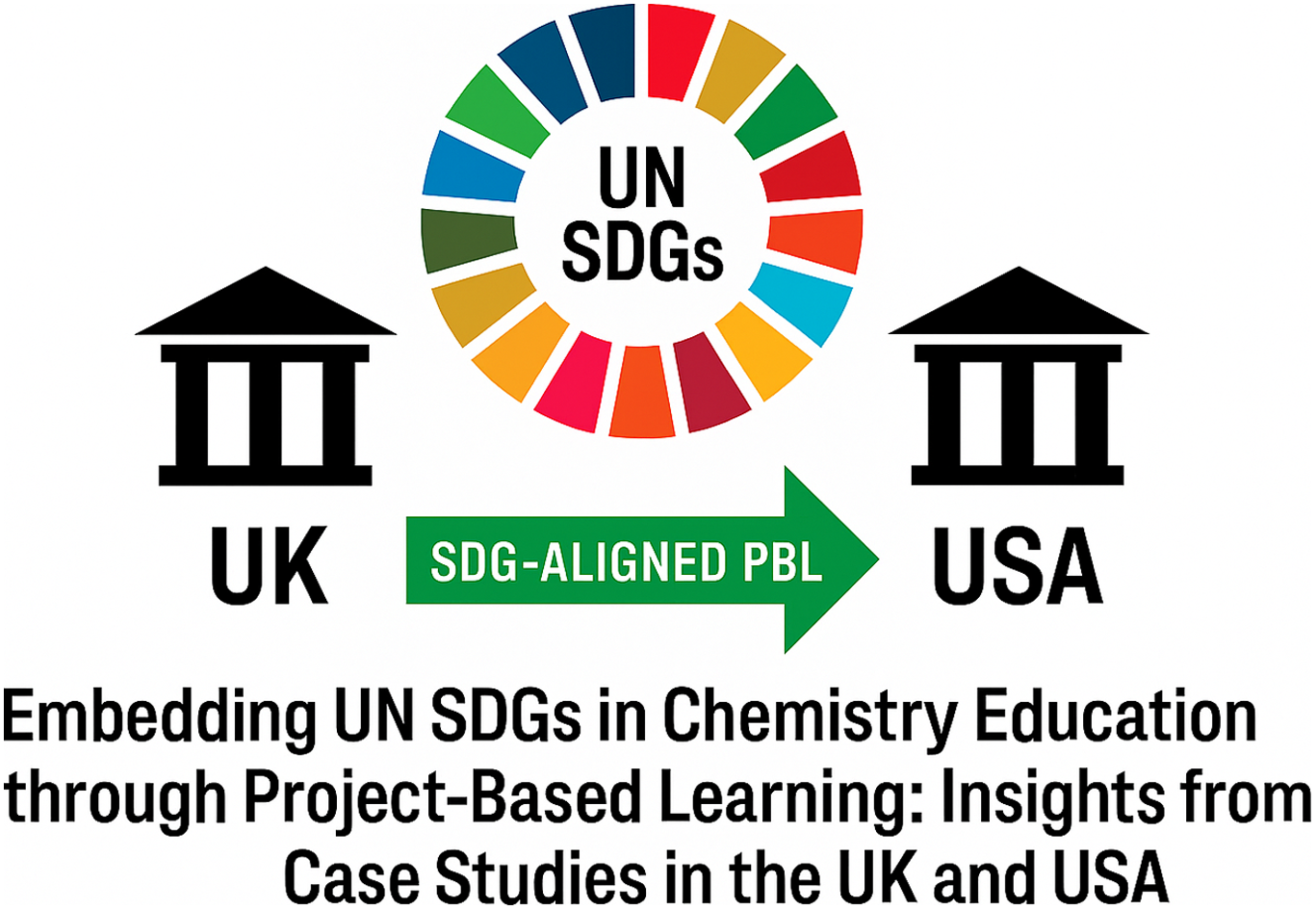
Embedding UN SDGs in chemistry education through project-based learning: insights from case studies in the UK and USA

Yalinu Poya*

RSC Sustainability 2026; 4 (3): 1557–1569. https://doi.org/10.1039/d5su00954e

Project-based learning integrating UN SDGs into undergraduate chemistry, using UK and US case studies to show how sustainability challenges enhance student engagement.
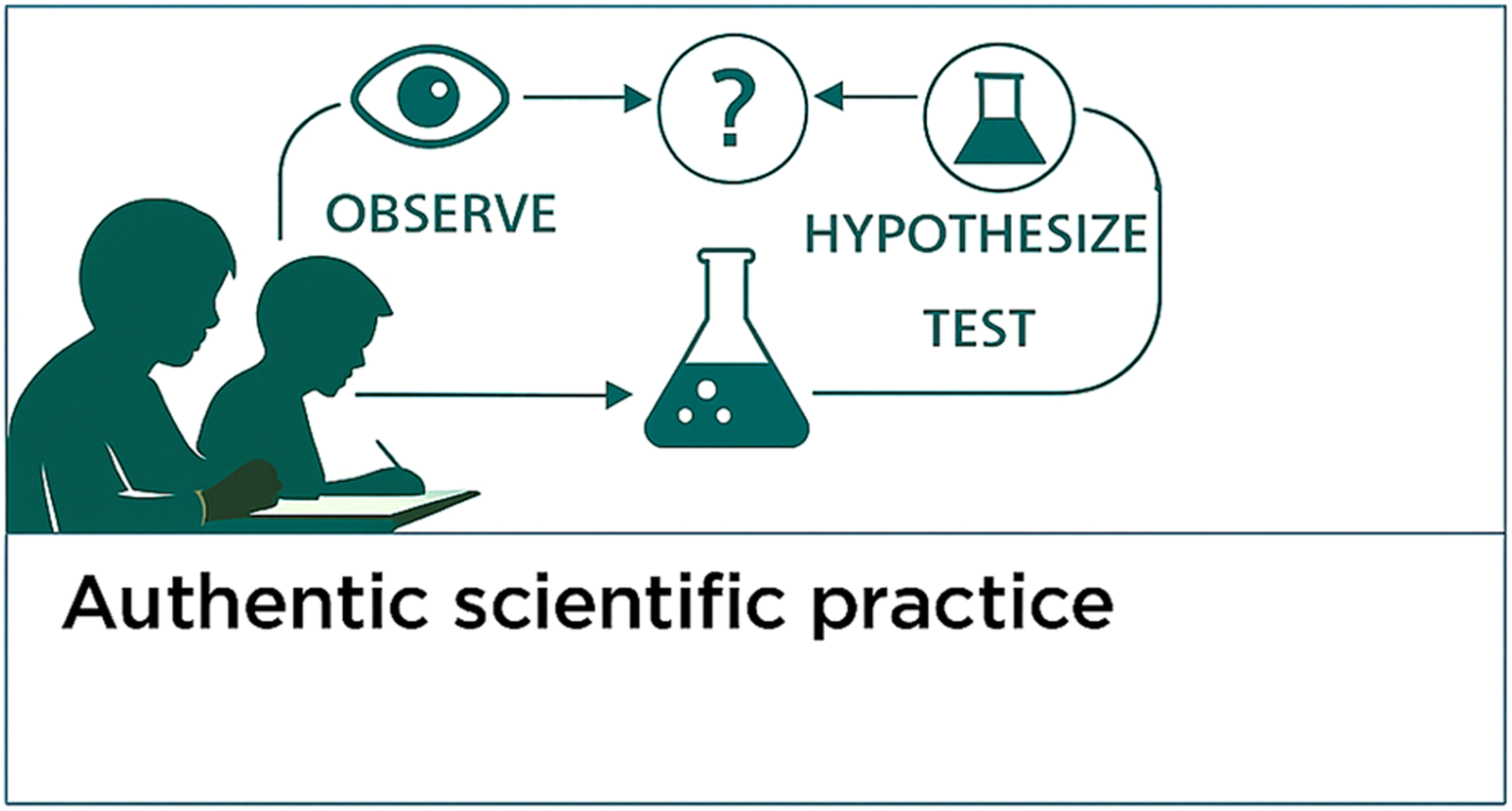
Structuring inquiry in pre-college chemistry.

A sustainability approach to inquiry-based experiential chemistry education in pre-college programs

Yalinu Poya*

RSC Sustainability 2026; 4 (3): 1606–1614. https://doi.org/10.1039/d5su00902b

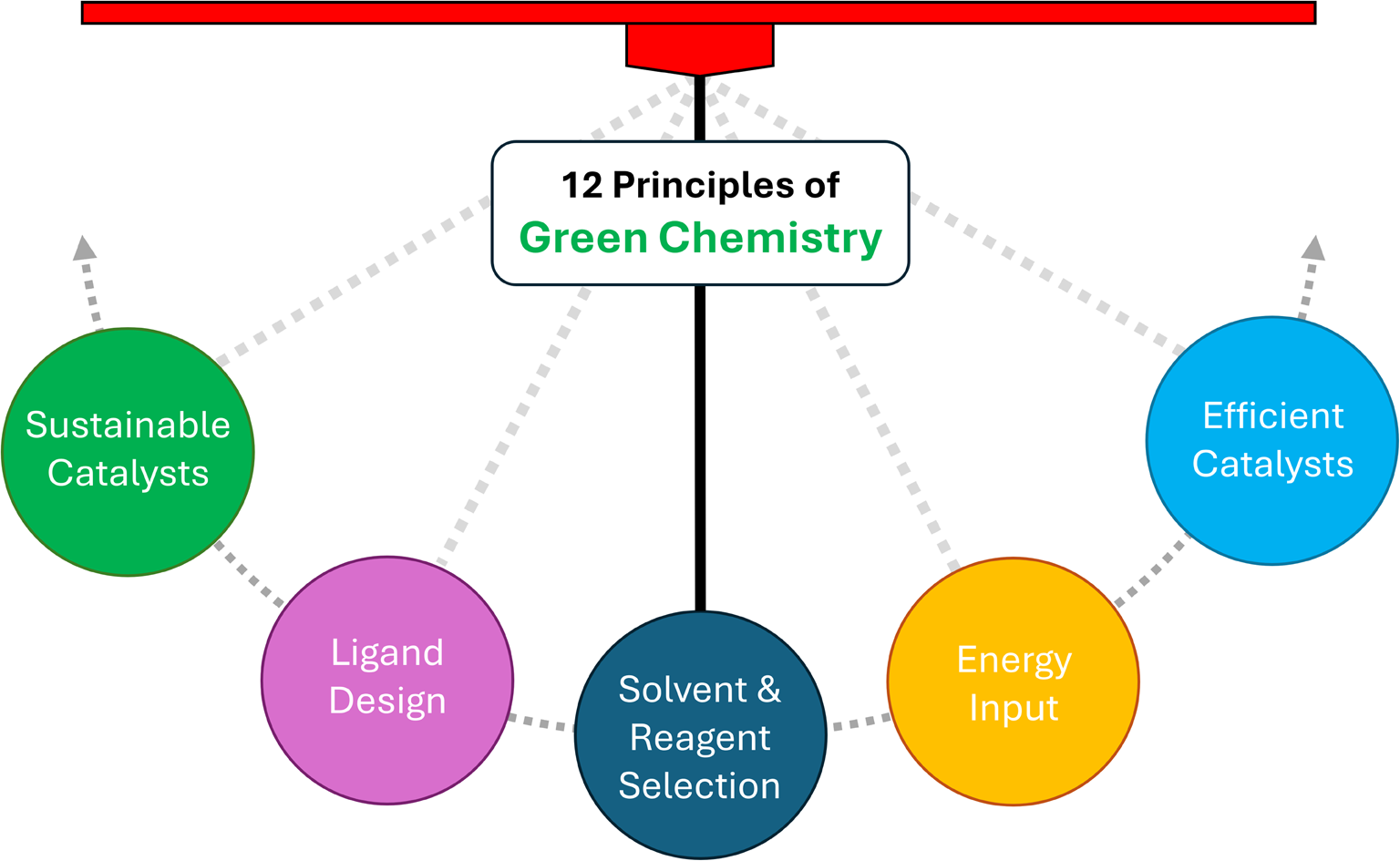
Sustainable from the start-an exploration of green chemistry utilizing second-year inorganic principles

Greg Bannard†, Jaelyn Bjornerud-Brown†, Megan Fitzgerald†, Kristen Perry†, Emma C. Davy†, Connor S. Durfy, Gagan Daliaho, Jasmine Hong, Marissa L. Clapson*

RSC Sustainability 2026; 4 (4): 1886–1900. https://doi.org/10.1039/d5su00967g

The gamified activities described herein are designed to support communities of practice in green chemistry while exploring discipline-specific applications in inorganic catalyst design.
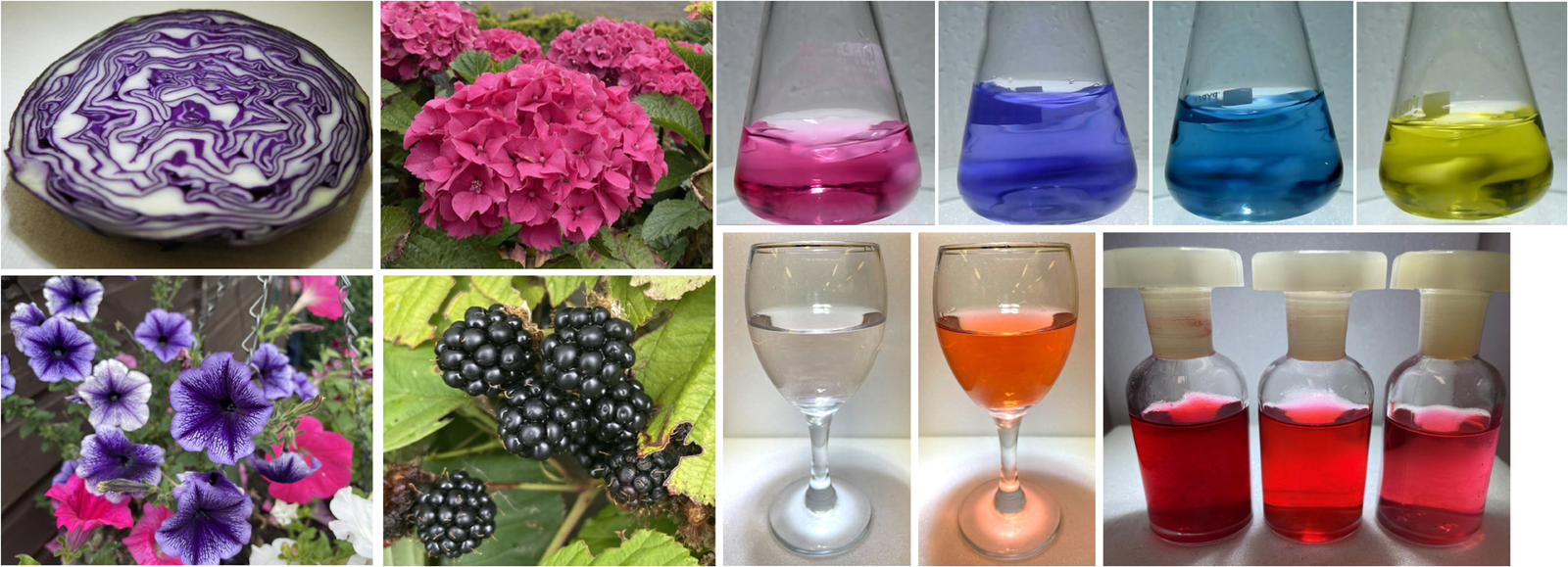
This tutorial review provides chemistry educators with literature coverage (to the end of 2025) of teaching activities that feature plant-derived anthocyanin extracts. Overviews and procedures for example activities have been also been provided.

Colourful chemistry of anthocyanins: a tutorial review of applications of anthocyanins in school and university teaching

Iain S. Smellie*, Isobel Everest, Iain L. J. Patterson

RSC Sustainability 2026; 4 (4): 1760–1777. https://doi.org/10.1039/d5su00933b

A case study in green chemistry higher education and sustainable innovation in Colombia

Claudia Herrera-Herrera*, Beatriz Ferreira-Tilano, Fabio Fuentes-Gandara

RSC Sustainability 2026; 4 (5): 2134–2146. https://doi.org/10.1039/d5su00965k

Green chemistry has emerged as a key driver of sustainable innovation by redesigning chemical products and processes to reduce environmental and human health impacts while supporting economic development.

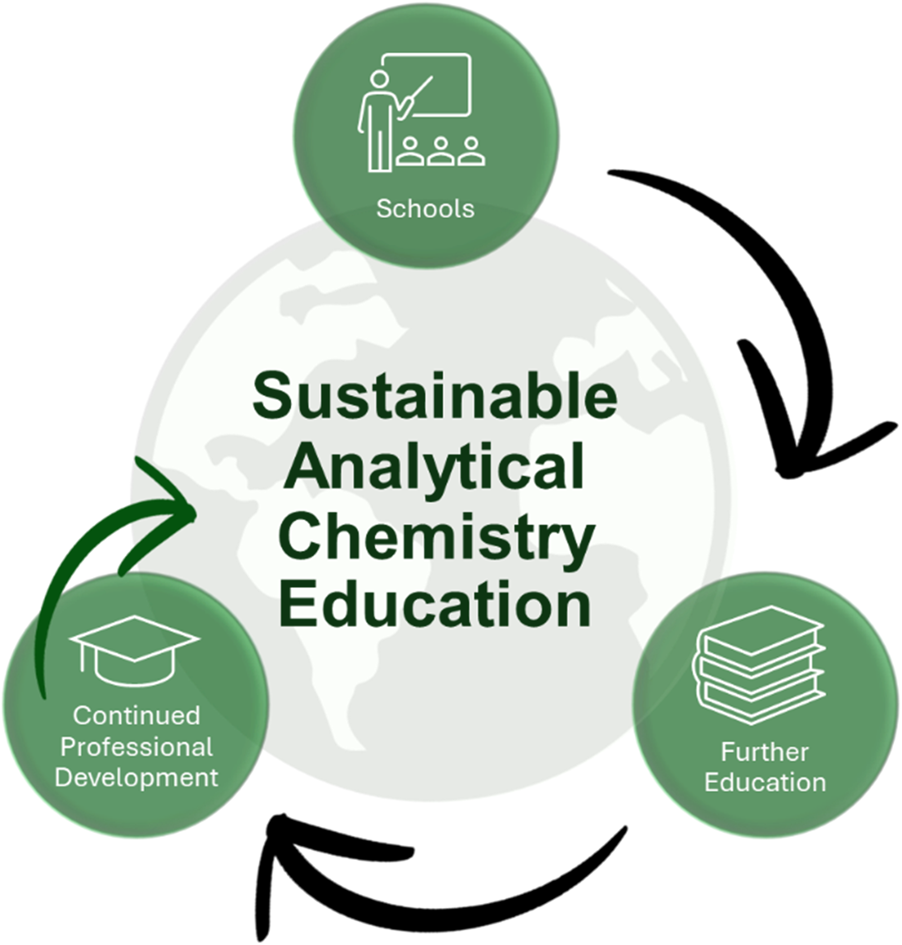
The role of education, from schools to continued professional development, in fostering more sustainable analytical chemistry laboratories.

Sustainable analytical chemistry laboratories: the critical role of education

Caroline Pollard, Helena Rapp-Wright*

RSC Sustainability 2026; 4 (7): 2849–2866. https://doi.org/10.1039/d5su00921a

Beyond molecular mastery: reimagining chemistry education for sustainability through knower-aware pedagogy

Margaret A. L. Blackie*, Lausanne Olvitt

RSC Sustainability 2026; 4 (4): 1822–1832. https://doi.org/10.1039/d5su00969c

Chemistry education for sustainability requires an approach which takes account of the student and the particularities of context.

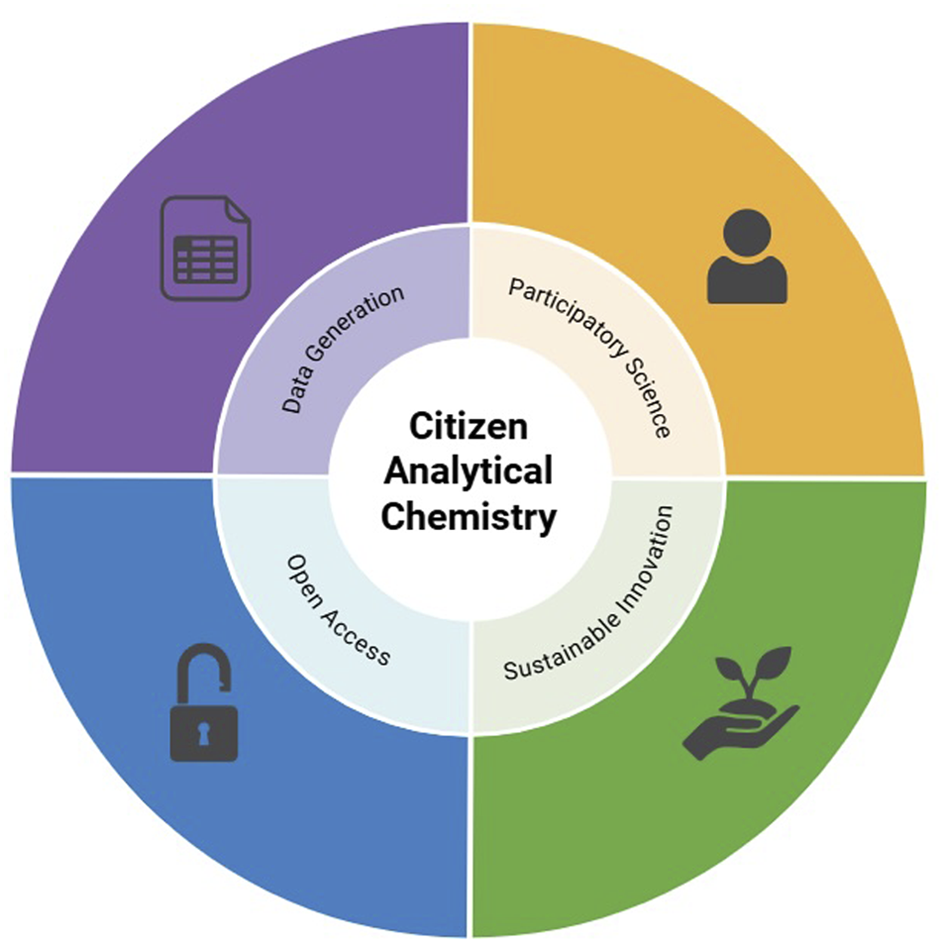
Citizen analytical chemistry (ZAC) combines analytical science with citizen science, allowing both scientists and non-experts to collect and share chemical data using simple, low-cost, portable tools.

Citizen analytical chemistry: building a participatory and shared science through global data generation

Adrián Fuente-Ballesteros*, Victoria Samanidou, Vânia G. Zuin Zeidler*

RSC Sustainability 2026; 4 (4): 1808–1821. https://doi.org/10.1039/d6su00052e

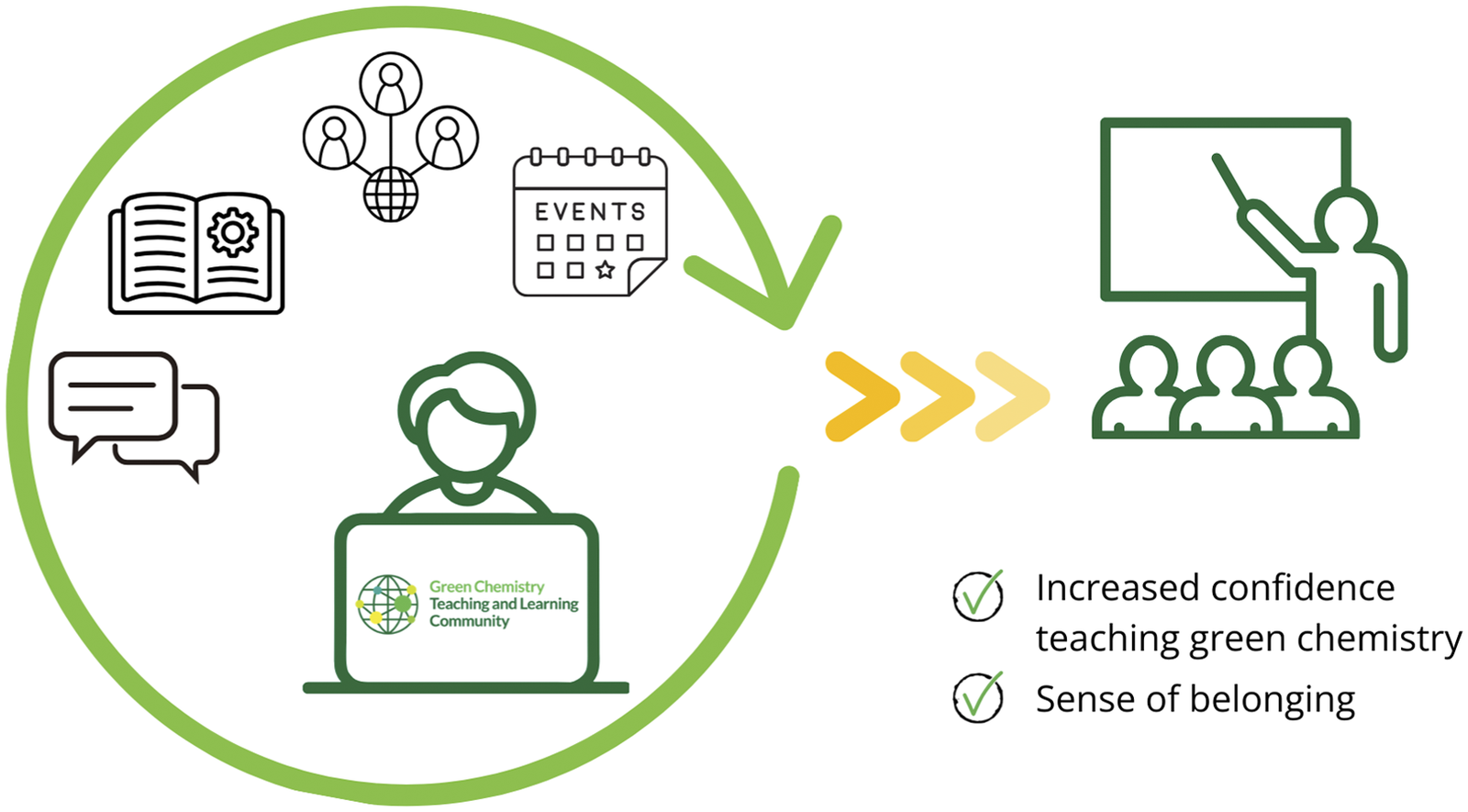
Surveying user experiences in an inclusive online green chemistry education community of practice

Nimrat K. Obhi*†, Jonathon W. Moir*†, Sarah Prescott, Alisha Szozda, Sarah Kennedy, Omar Villanueva, Amy S. Cannon

RSC Sustainability 2026; 4 (6): 2581–2588. https://doi.org/10.1039/d5su00950b

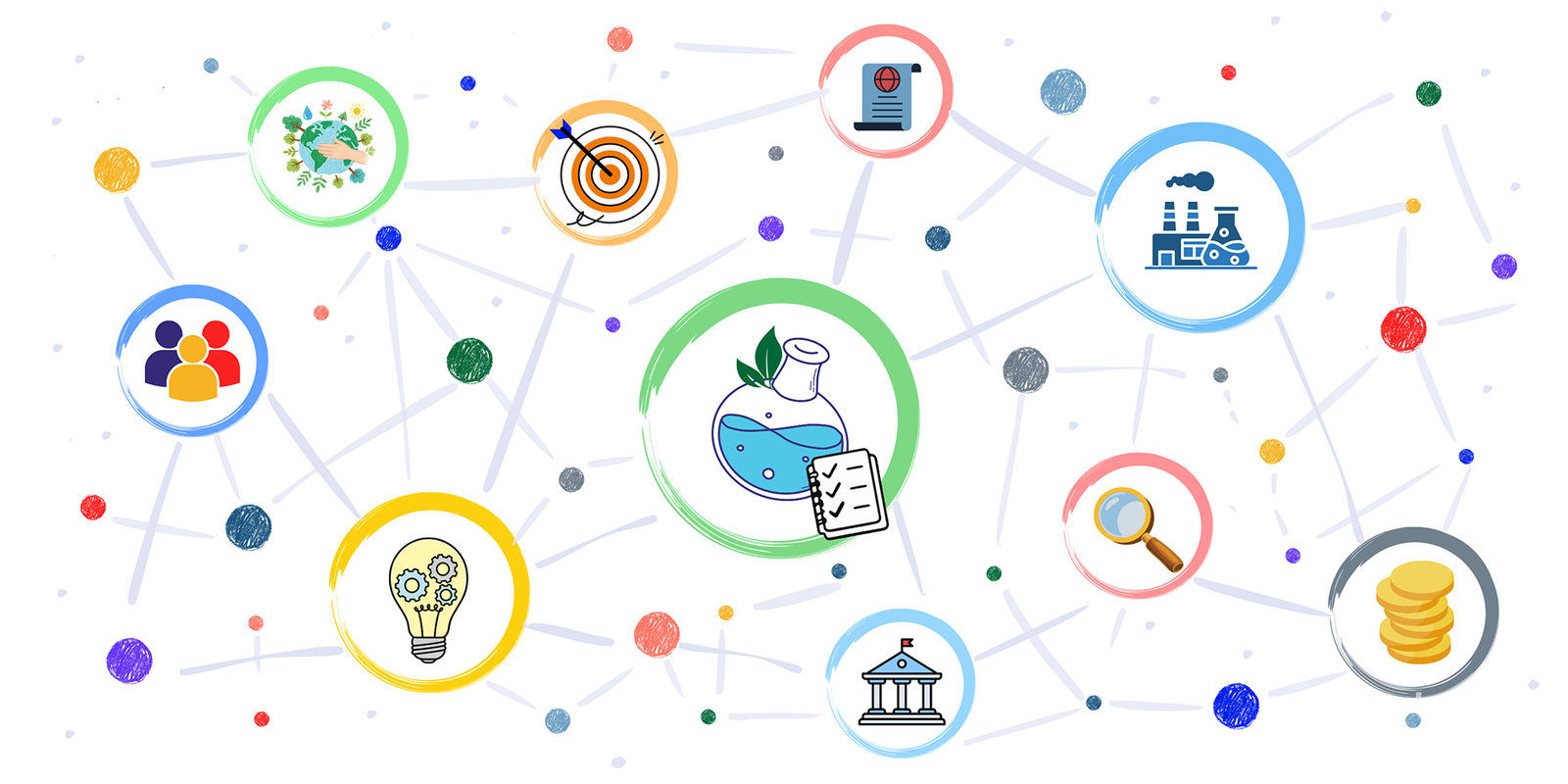
The Green Chemistry Teaching and Learning Community (GCTLC) is an online platform dedicated to fostering a global community of practice (CoP) that can accelerate the adoption of green and sustainable chemistry in education systems worldwide. Image generated with Canva.com.

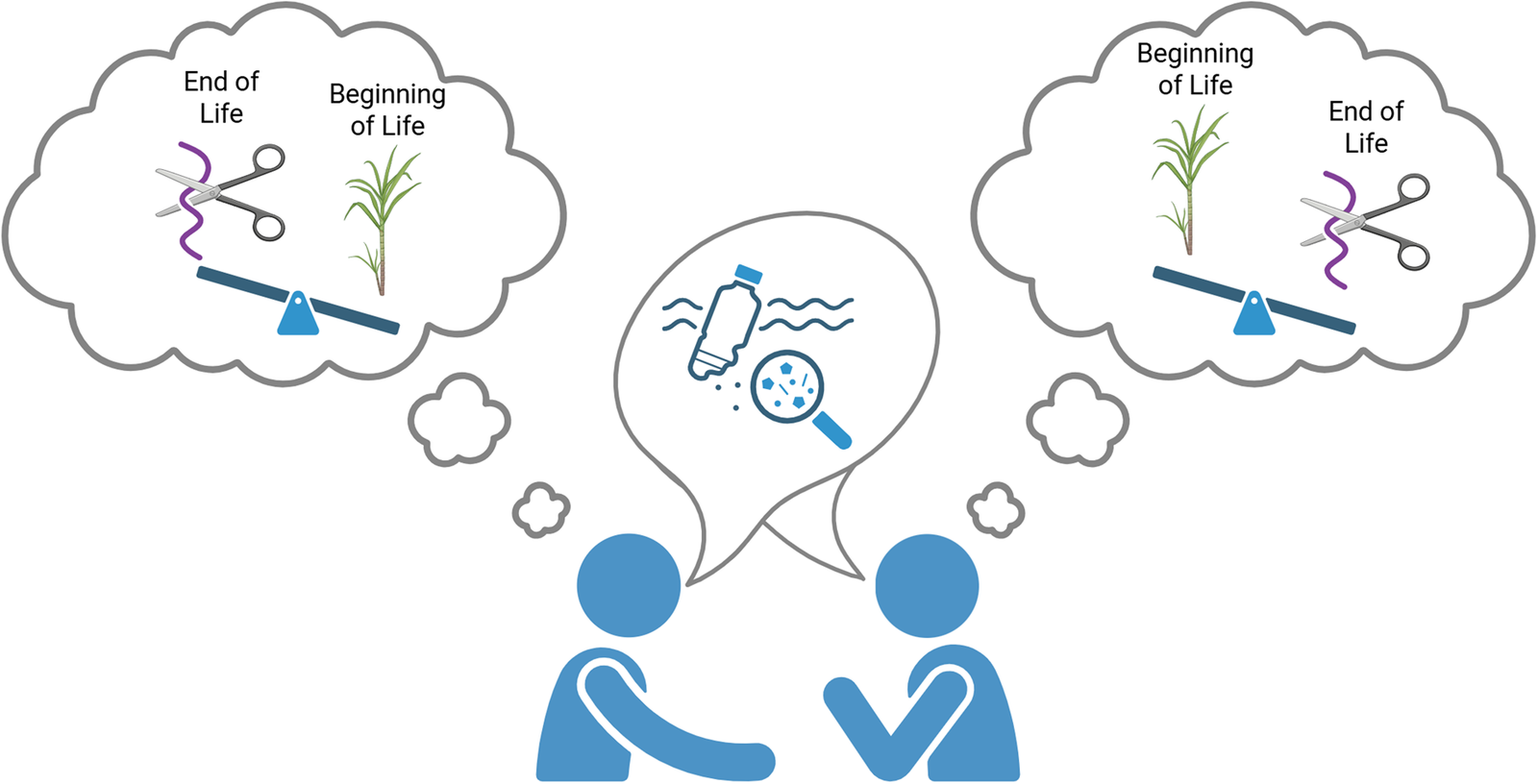
Emergent efforts to incorporate green chemistry into the undergraduate curriculum has led to the development and testing of a case study focusing on the decision-making process around single-use plastics. Graphical abstract image generated with Biorender.

The plastics problem: a qualitative life cycle analysis case study for green and sustainable chemistry education

Hunter McFall-Boegeman, Mengqi Zhang, Melanie M. Cooper, Elizabeth L. Day*

RSC Sustainability 2026; 4 (5): 2147–2155. https://doi.org/10.1039/d6su00001k

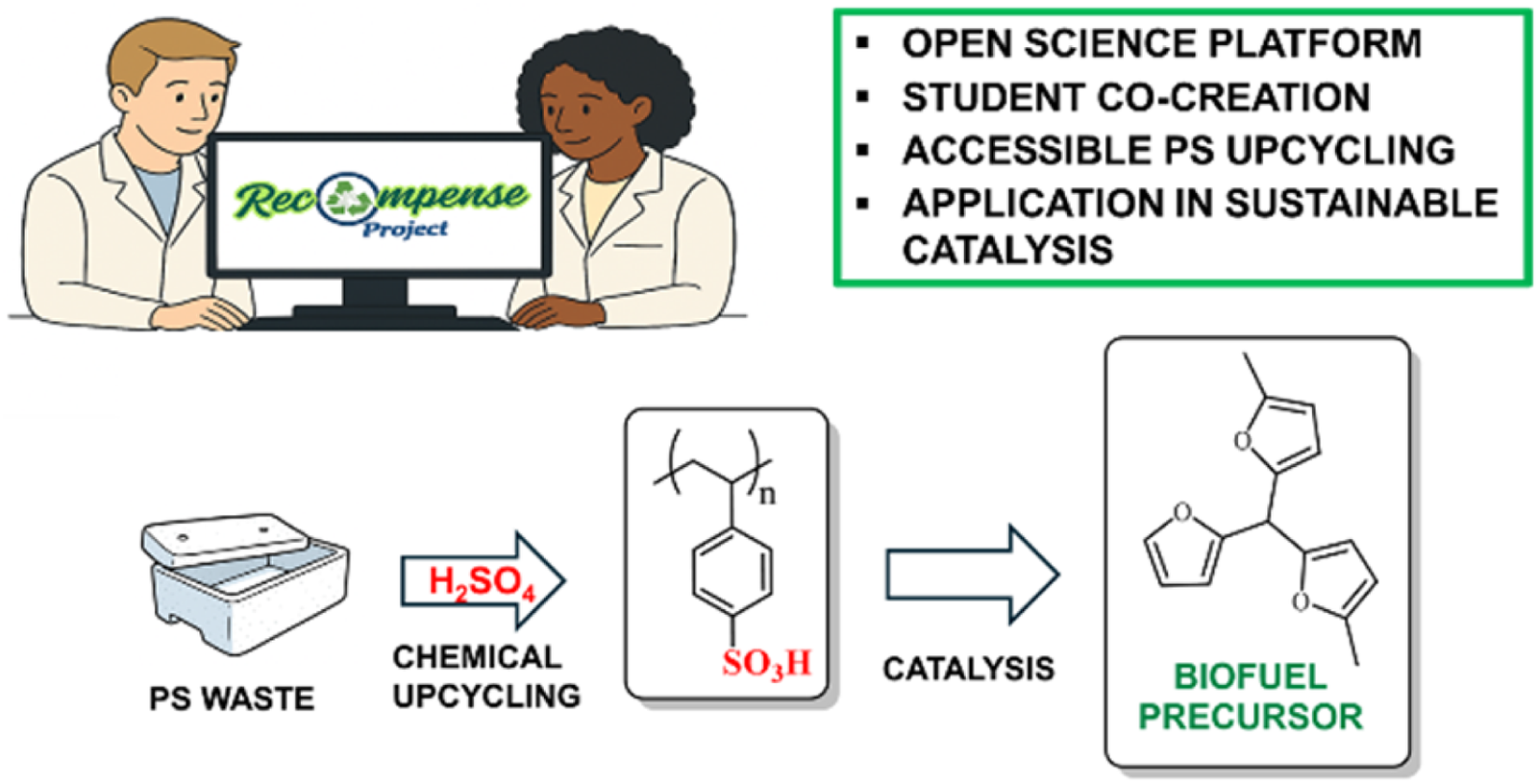
RECOMPENSE: a student-led open science initiative for sustainable polystyrene waste upcycling in academic labs

Victoria Lageard, YuHan Yan, Jiayin Liu†, Yueze Gong†, Shuoxi Liu†, Bob C. Schroeder, David Palomas*

RSC Sustainability 2026; 4 (4): 1986–1995. https://doi.org/10.1039/d5su00927h

The RECOMPENSE project uses co-creation and student-led open-science education to upcycle polystyrene waste into sulfonated resins, enabling sustainable catalysis in Friedel–Crafts reactions and promoting circular approaches to plastic valorisation. Graphical abstract image generated with Copilot.

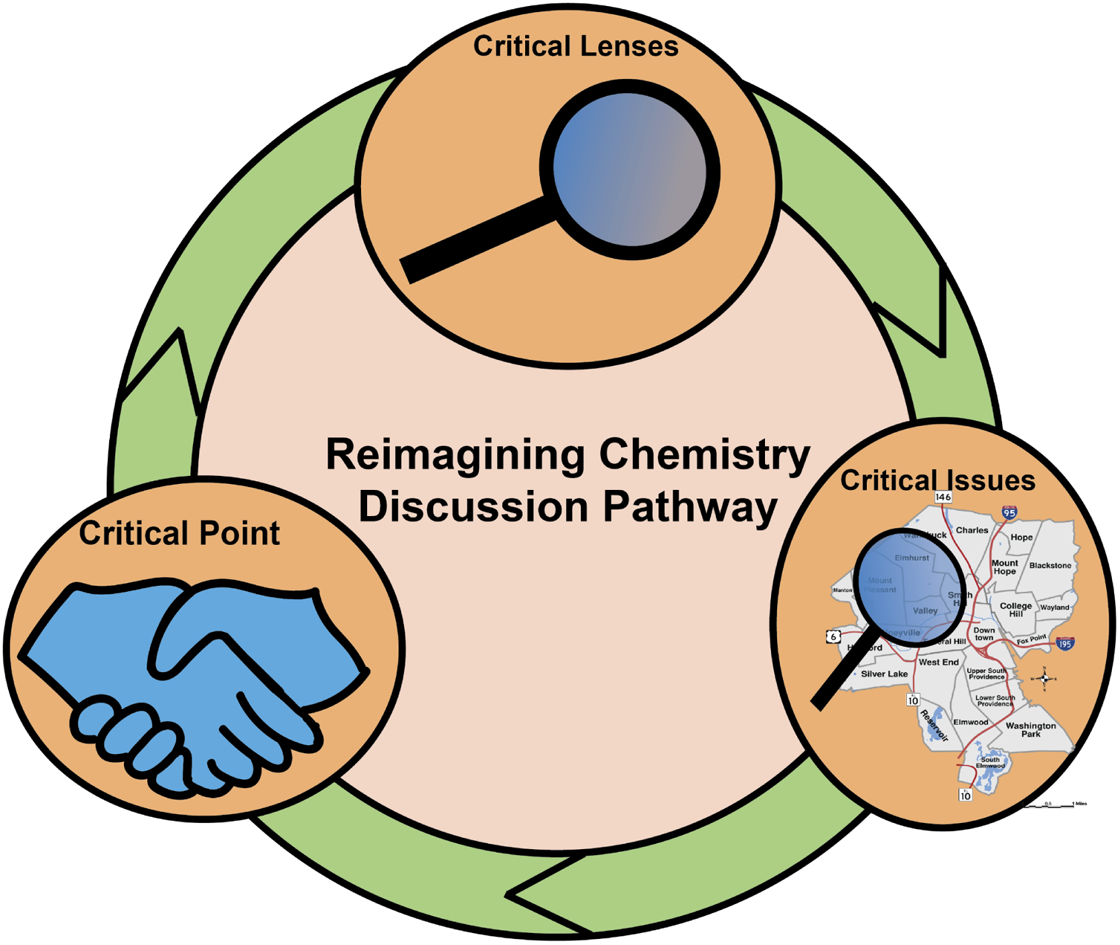
In Reimagining Chemistry students are partners in discussing critical issues in chemistry and effecting meaningful change in their communities.

Reimagining chemistry education for a sustainable future

Rebecca A. Tobias†, Ava N. Nemerovski†, Mya C. Collins†, Steve Bella, Emma G. Louthain, Andrew A. Sojka, Anna Ryu, Jesse B. Morin*

RSC Sustainability 2026; 4 (5): 2156–2166. https://doi.org/10.1039/d5su00963d

Greener chemistry for a sustainable future: an interdisciplinary course based on systems thinking

Anne Marteel-Parrish*

RSC Sustainability 2026; 4 (5): 2167–2174. https://doi.org/10.1039/d6su00154h

An interdisciplinary course based on green chemistry and systems thinking connects chemistry to real-world issues and the UN Sustainable Development Goals, enhancing student learning outcomes.

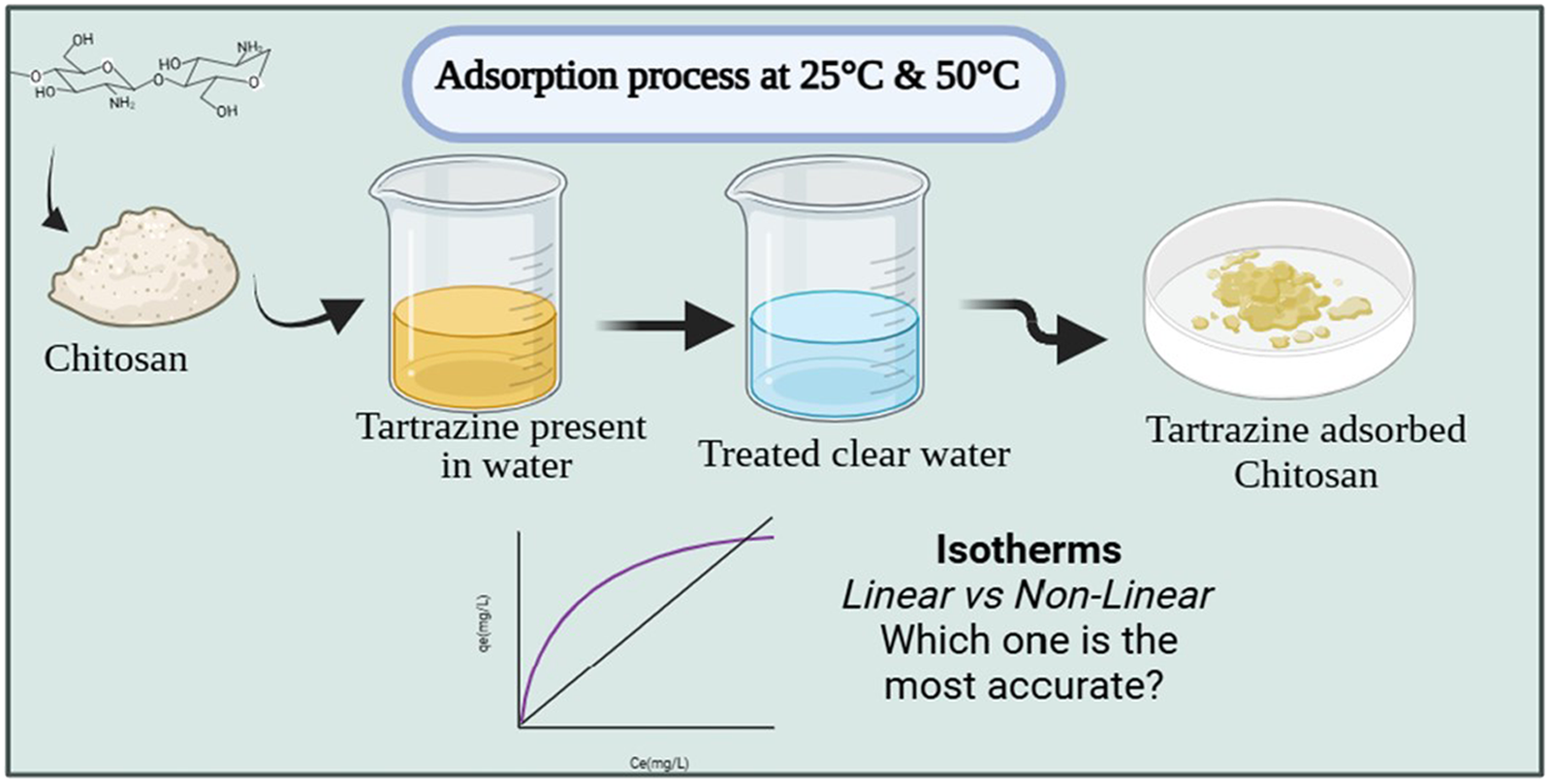
An educational experiment was developed to use chitosan to remove tartrazine from water. The linear and nonlinear versions of isotherms were used to derive the thermodynamics parameters. Correlations with Green Chemistry Principles were made.

Integrating physical chemistry and sustainability: an educational study of linear and non-linear adsorption isotherms using chitosan in wastewater remediation

Tanishka Chauhan, Santuna Barua, Alexandre H. Pinto*

RSC Sustainability 2026; 4 (5): 2175–2184. https://doi.org/10.1039/d5su00960j

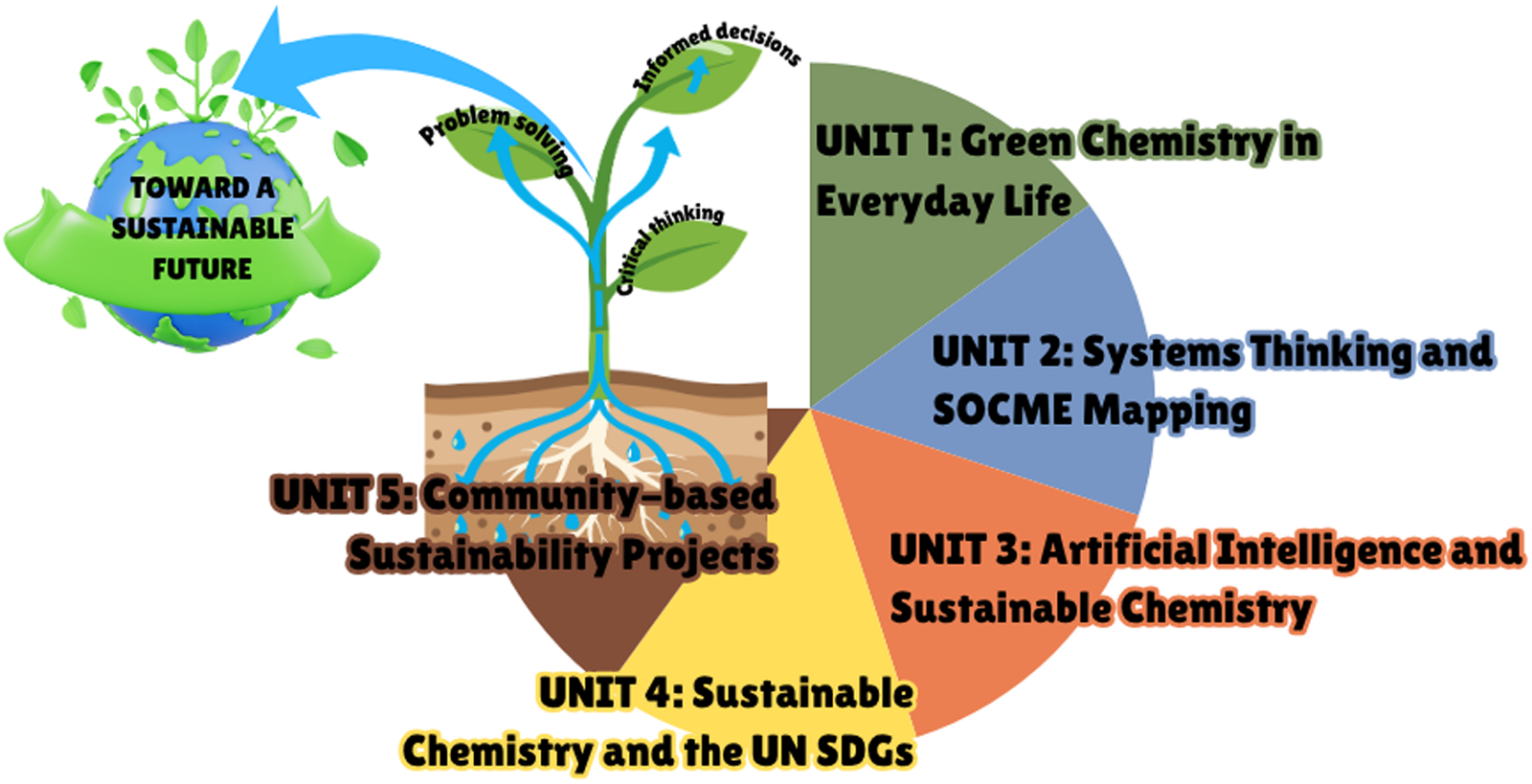
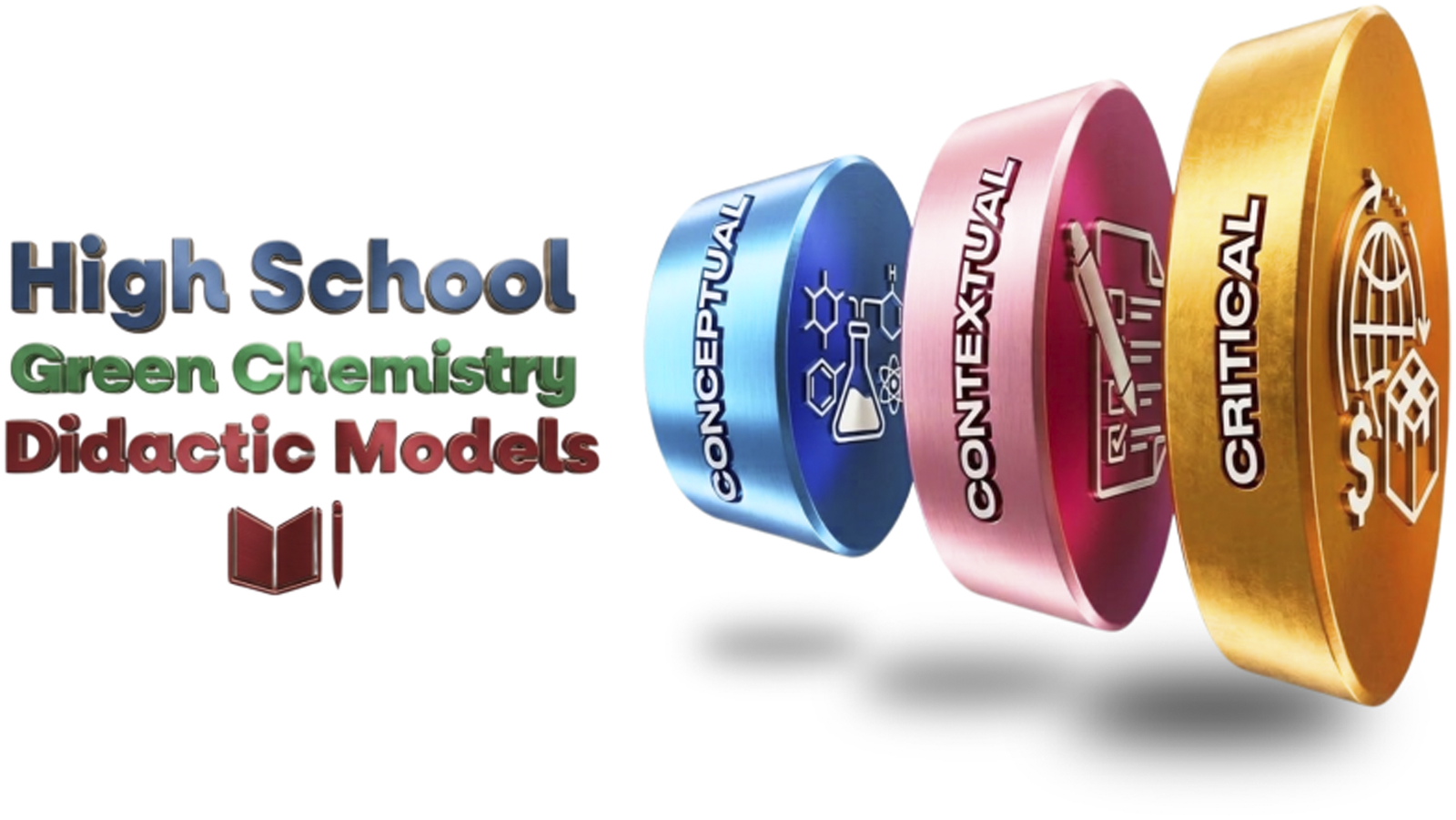
Integrating green and sustainable chemistry into high school: contributions of instructional model-based teaching to enhance students’ critical reflective thinking

Carlos Alberto da Silva Júnior*, Leonardo Victor Marcelino, Gildo Girotto Júnior, Dosil Pereira de Jesus, Carlos Alberto Marques

RSC Sustainability 2026; 4 (5): 2185–2197. https://doi.org/10.1039/d5su00964b

Instructional model-based activities in high school support students' critical reflection on environmental issues. Graphical abstract image generated with Canva.

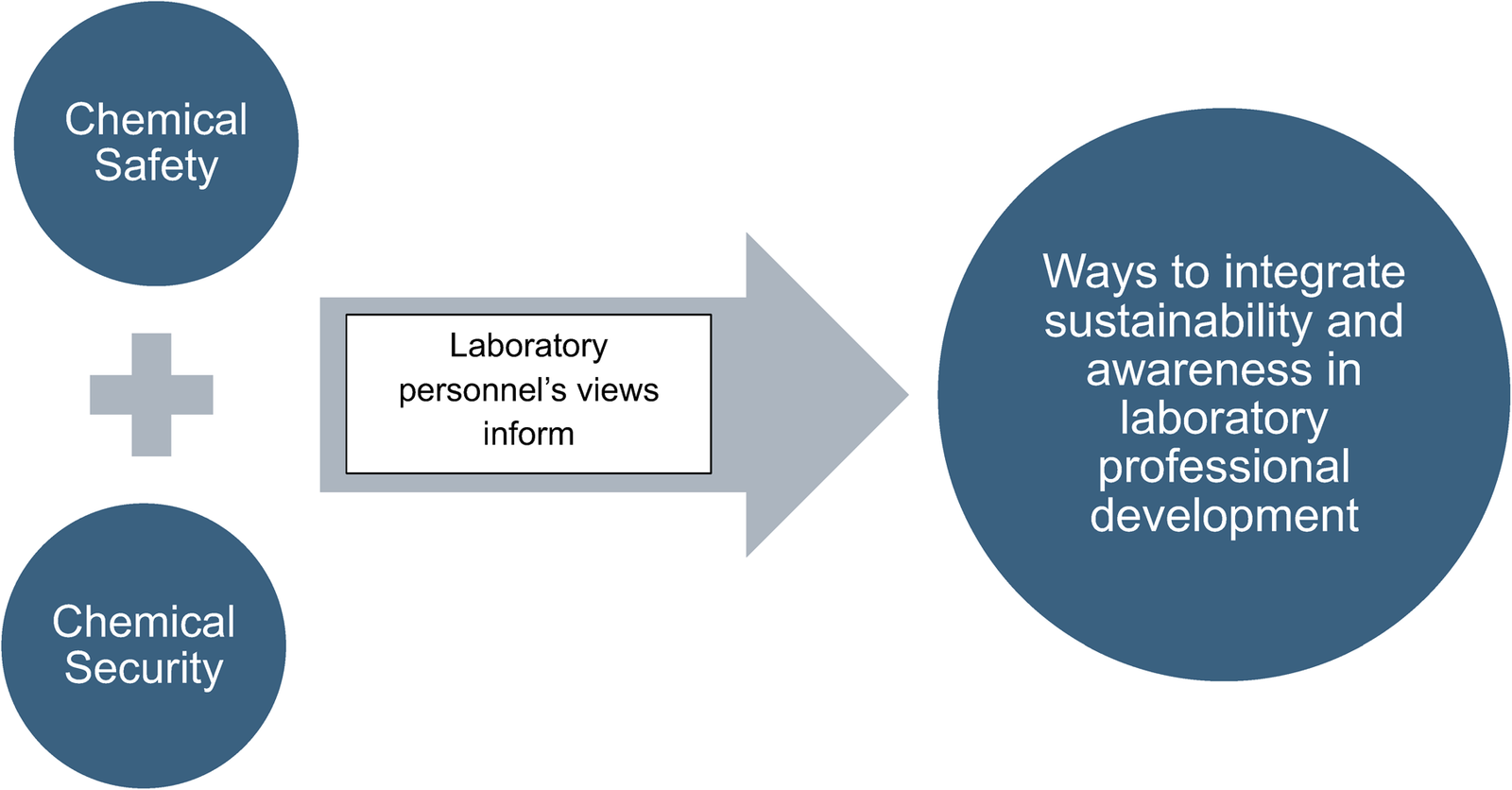
Although chemical safety and security fall under chemical risk management, research has shown that knowledge about chemical safety is more prevalent at post-secondary institutions than chemical security knowledge.

Instructional laboratory personnel’s views about practices of chemical safety and security: implications for professional learning and global sustainability

Francinah Futhane, Kgadi Mathabathe, Rethabile Tekane*

RSC Sustainability (2026) 4 (5): 2211–2221. https://doi.org/10.1039/d5su00857c

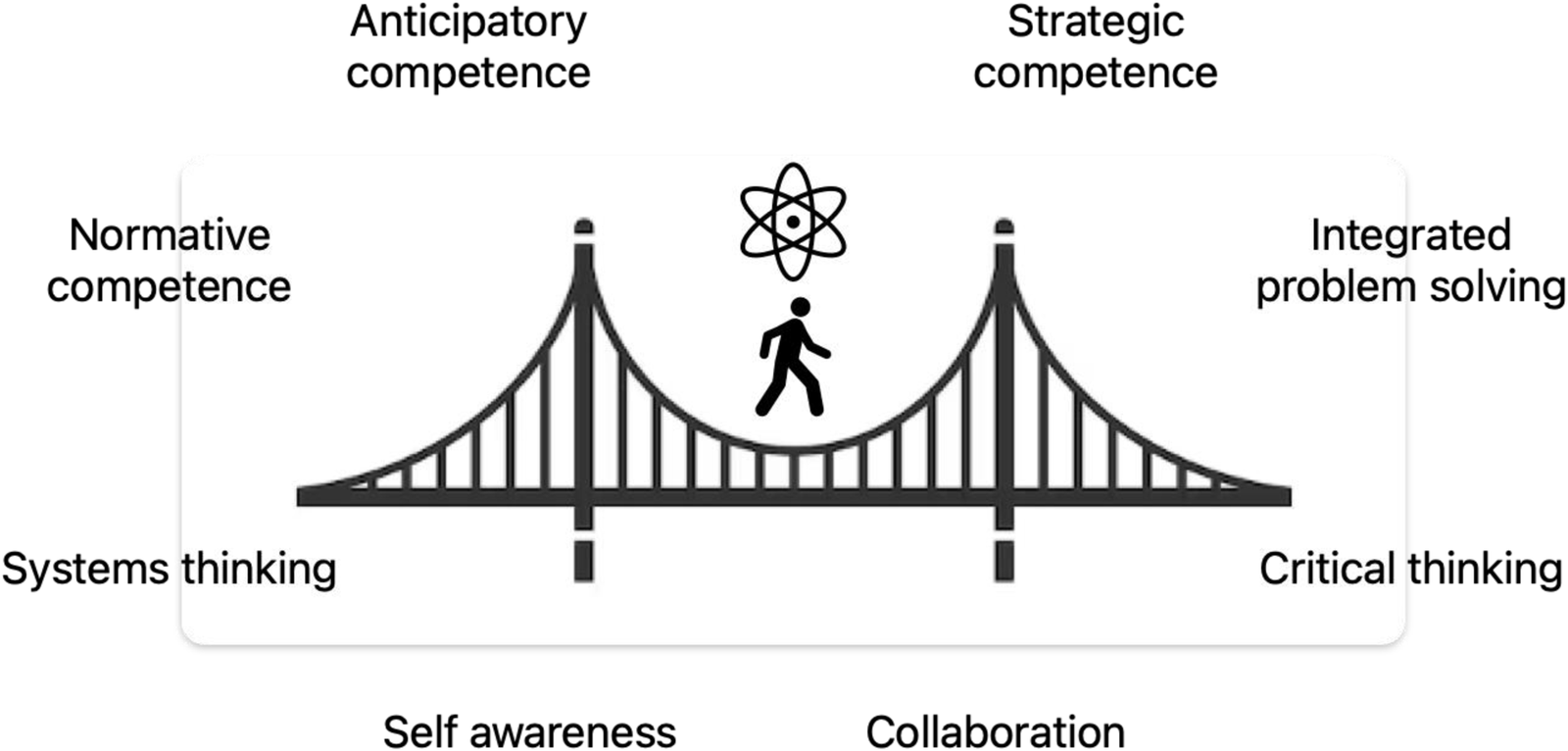
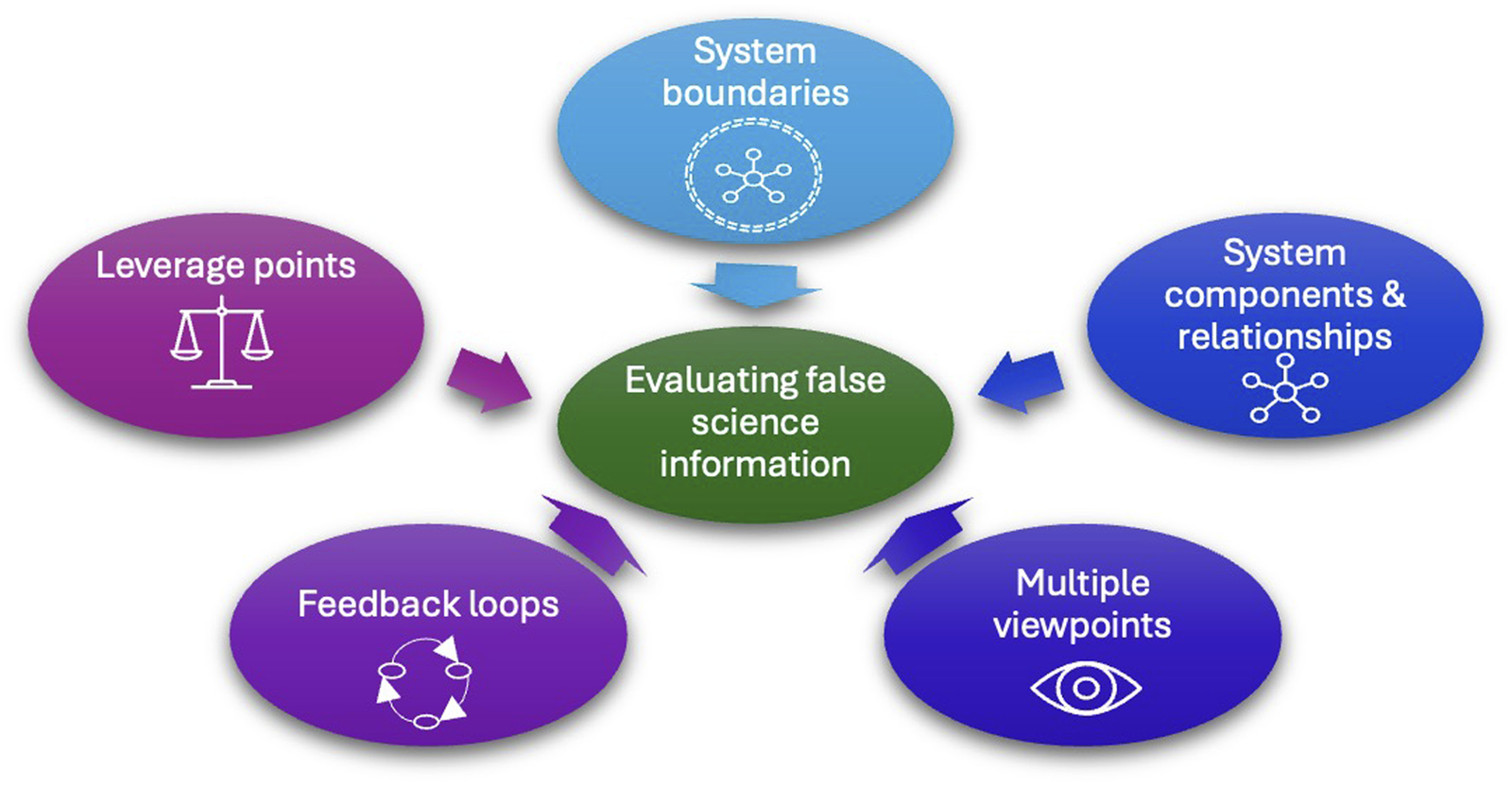
The potential for systems thinking as an approach for evaluating false science information

Alisha R. Szozda*, Peter G. Mahaffy, Alison B. Flynn

RSC Sustainability 2026; 4 (6): 2538–2545. https://doi.org/10.1039/d5su00901d

Using systems thinking skills to evaluate misinformation related to global challenges.

The 2025 IUPAC Guiding Principles of Responsible Chemistry provide an emerging framework for advancing sustainability and responsibility in chemical practice.

Implementing sustainable undergraduate laboratories using the IUPAC Guiding Principles of Responsible Chemistry

Quancheng Hu, Raphaël Abolivier, Hans-Georg Eckhardt, Demetra S. Achilleos, James A. Sullivan, Leila Negahdar*, Fun Man Fung*

RSC Sustainability 2026; 4 (7): 2770–2780. https://doi.org/10.1039/d5su00966a


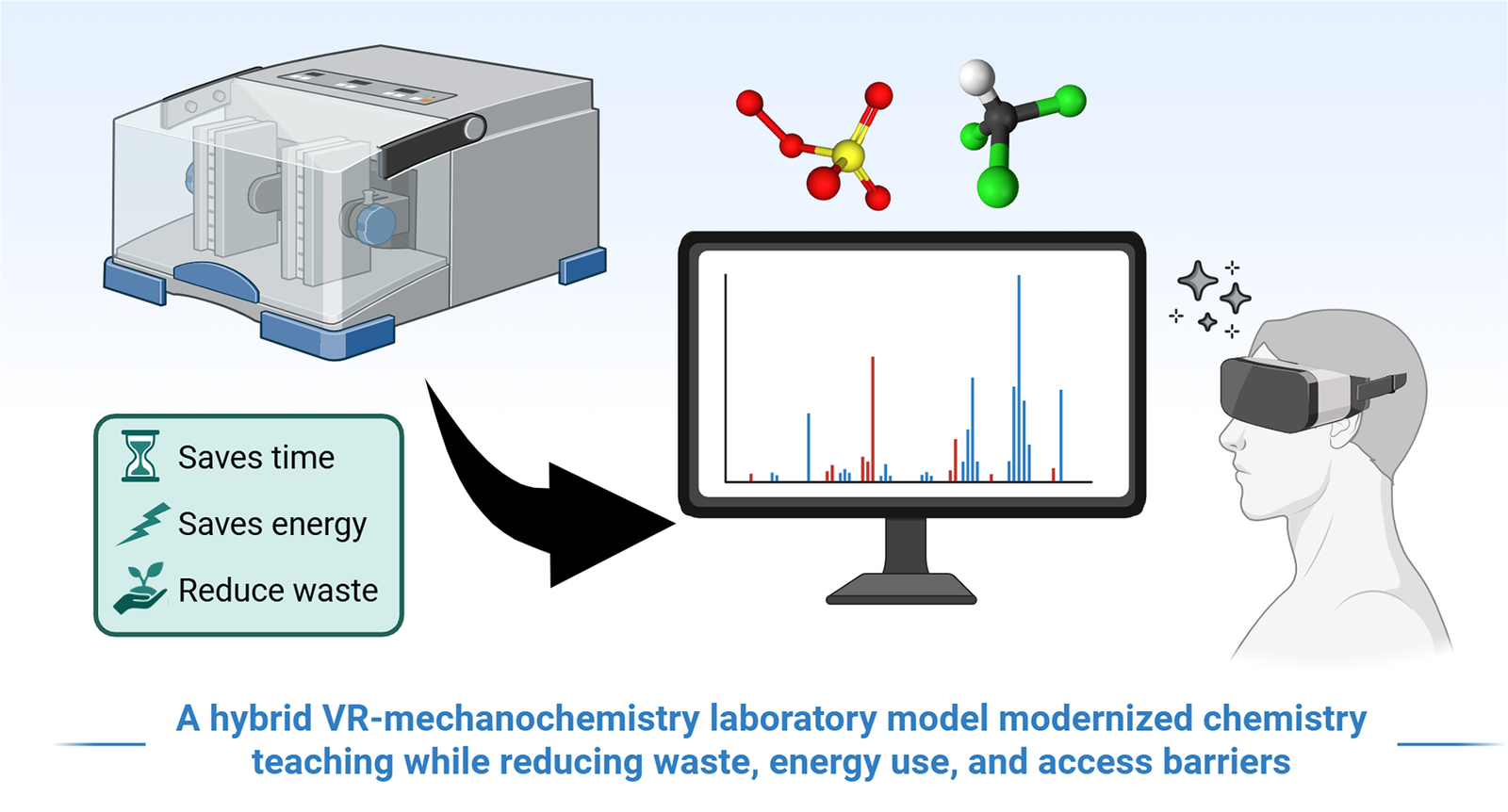
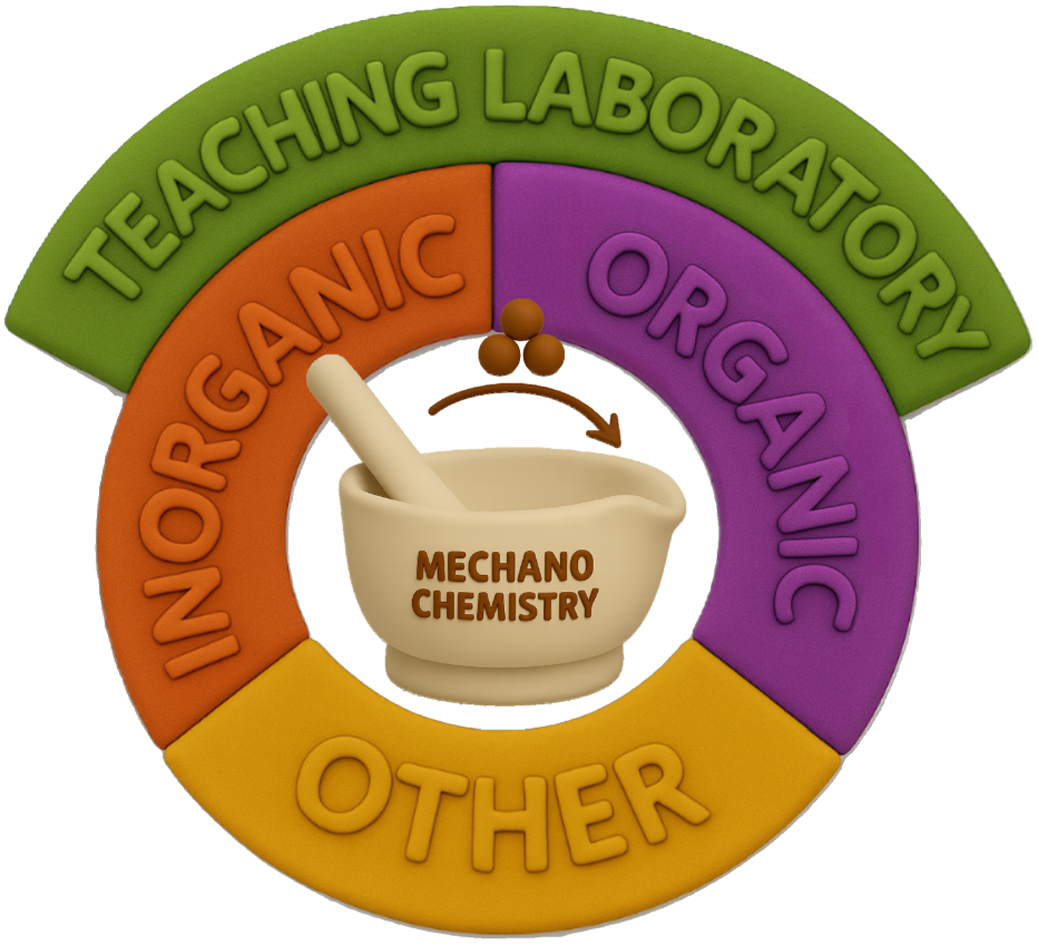
A VR-assisted hybrid teaching model for sustainable mechanochemical synthesis: educational overview and case study of a Cu–N-heterocyclic carbene undergraduate laboratory

Abeer Shunnar†, Abdulrahman Aoudi†, Suleiman Musa, Mohamed Aslam, Safaa Mohamad Al Yousif, Aya Shanti, Gihan Daw El Bait, Amin Ahmed Babiker Ali*, Meriem Bildsten, Emilia Oueis, Andrew B. Lowe, Janah Shaya*

RSC Sustainability 2026; 4 (6): 2601–2610. https://doi.org/10.1039/d6su00054a

A hybrid VR-mechanochemistry laboratory model modernizes undergraduate chemistry teaching while reducing waste, energy use, and access barriers. Graphical abstract image generated with BioRender.

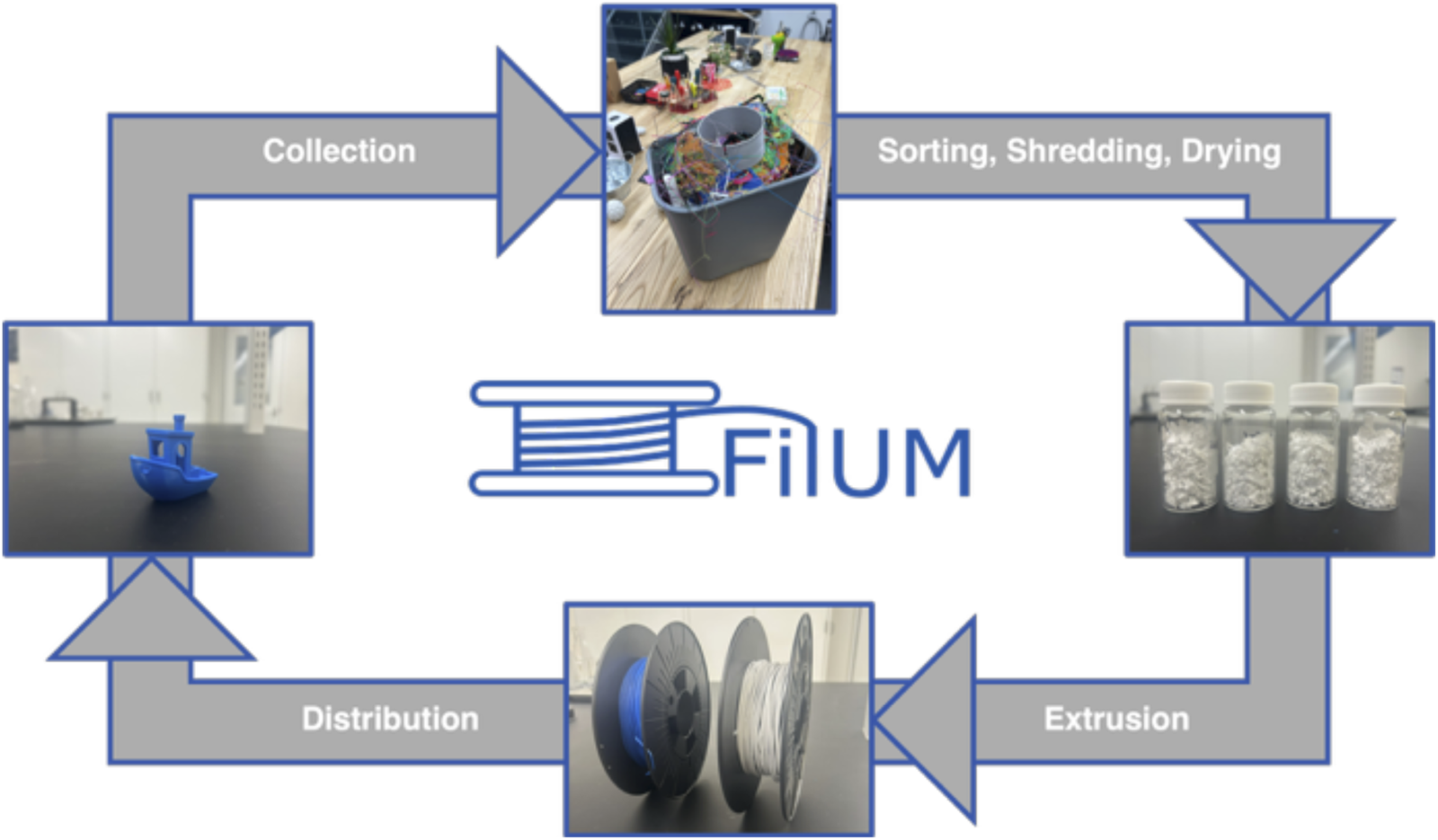
A 3D printing sustainability initiative is presented highlighting how to transform a laboratory-based effort to a campus-wide adaptable framework.

Improving 3D printing sustainability in academic research: a PLA recycling initiative

Tristan Perodeau, Nazim Boudjerada, Maxime Goulet, Stéphanie Poirier, Audrey Laventure*

RSC Sustainability 2026; 4 (6): 2611–2620. https://doi.org/10.1039/d5su00959f

Towards globally conscious chemistry: perspectives on educators’ responsibilities, entrepreneurship and a framework for practice

Nikki Y. T. Man*

RSC Sustainability 2026; 4 (6): 2546–2555. https://doi.org/10.1039/d5su00970g

Perspectives on chemistry education as ethical practice embedded in wider systems, highlighting educators' responsibilities in framing sustainability and entrepreneurship, and a reflexive curriculum checklist to support globally conscious teaching.

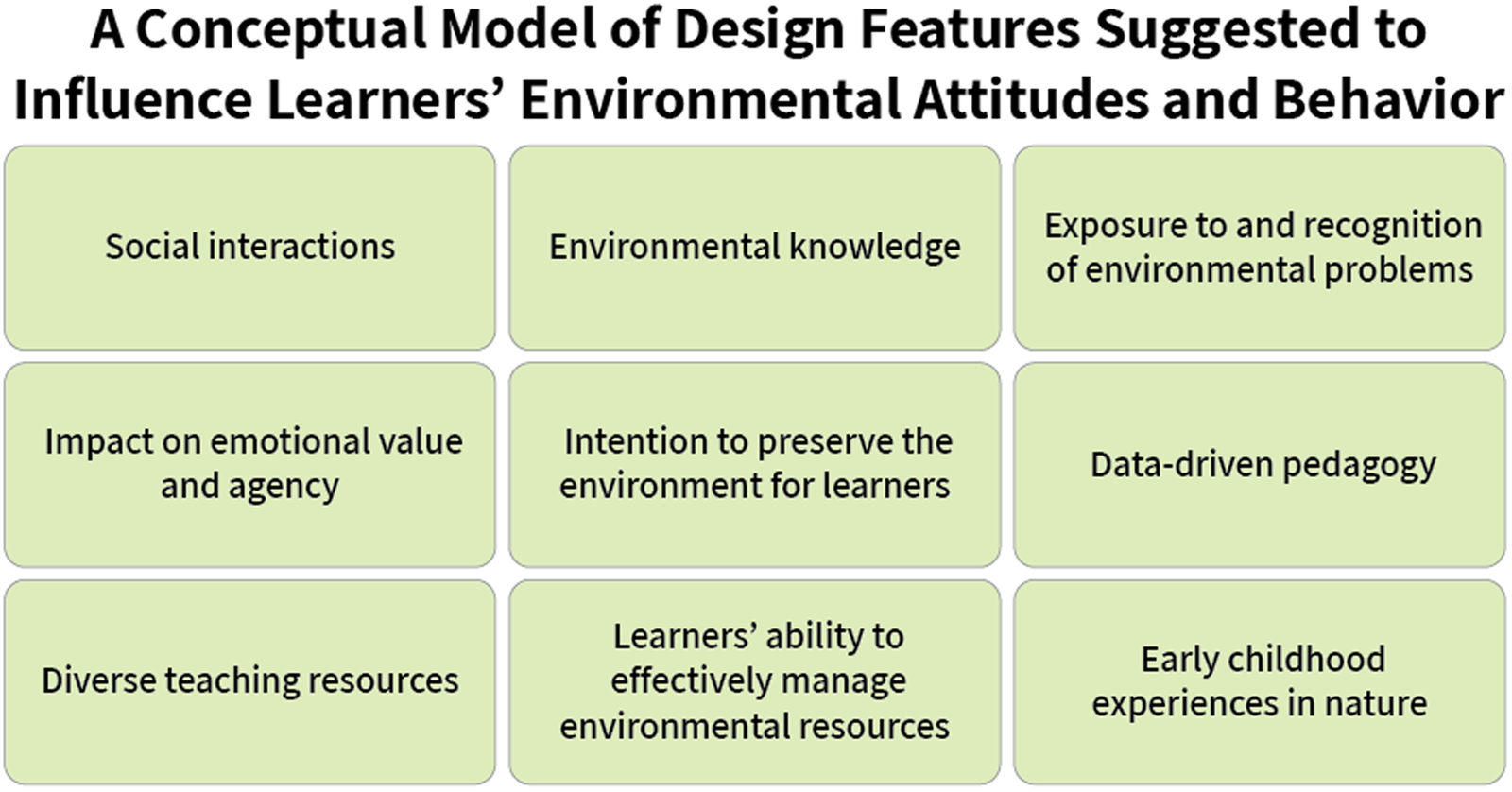
Many educational programs seek to promote students' pro-environmental attitudes and behaviors, yet few are explicitly designed or examined in light of evidence-based design features known to support such change.

A model for evaluating programs to promote pro-environmental attitudes and behavior

Ayshi Sindiani-Bsoul, Sherman Rosenfeld, Shelley Rap*, Ron Blonder*

RSC Sustainability 2026; 4 (6): 2636–2652. https://doi.org/10.1039/d5su00880h

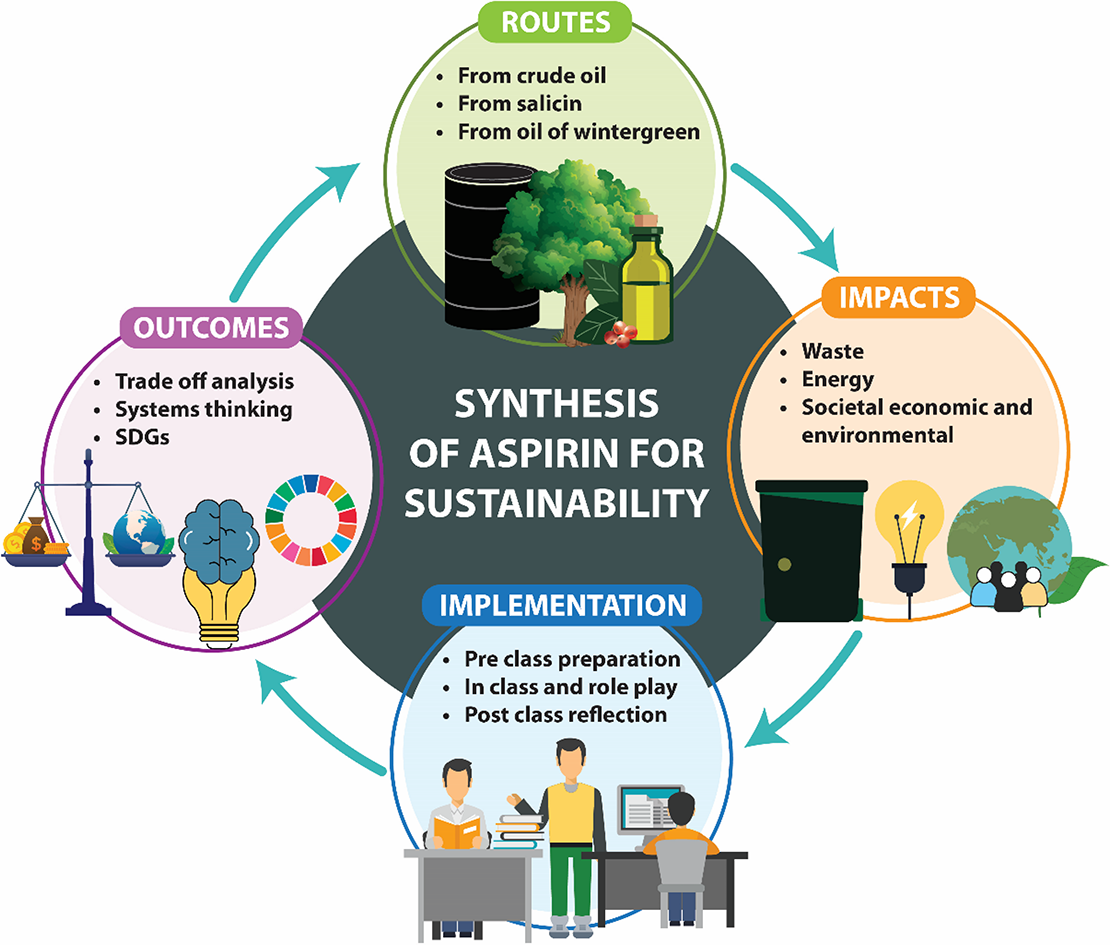
Sustainability and systems thinking in the chemistry of aspirin manufacture for first-year engineering students

Dorine Dikobe*, Lynne A. Pilcher, Cathrine Chimude

RSC Sustainability 2026; 4 (7): 2911–2925. https://doi.org/10.1039/d5su00925a

The activity has pre-class preparation, collaborative role-play, and post-activity reflection. It fostered systems thinking and trade-off analysis in alignment with sustainability goals which were limited prior to the intervention.

This is a review examining the incorporation of mechanochemistry into the modern chemistry teaching laboratory, with perspectives on the challenges and opportunities it presents towards advancing green and sustainable chemistry education.

Mechanochemistry in the undergraduate teaching laboratory

John R. De Backere*, Edward P. Zovinka*

RSC Sustainability 2026; 4 (7): 2781–2794. https://doi.org/10.1039/d5su00971e

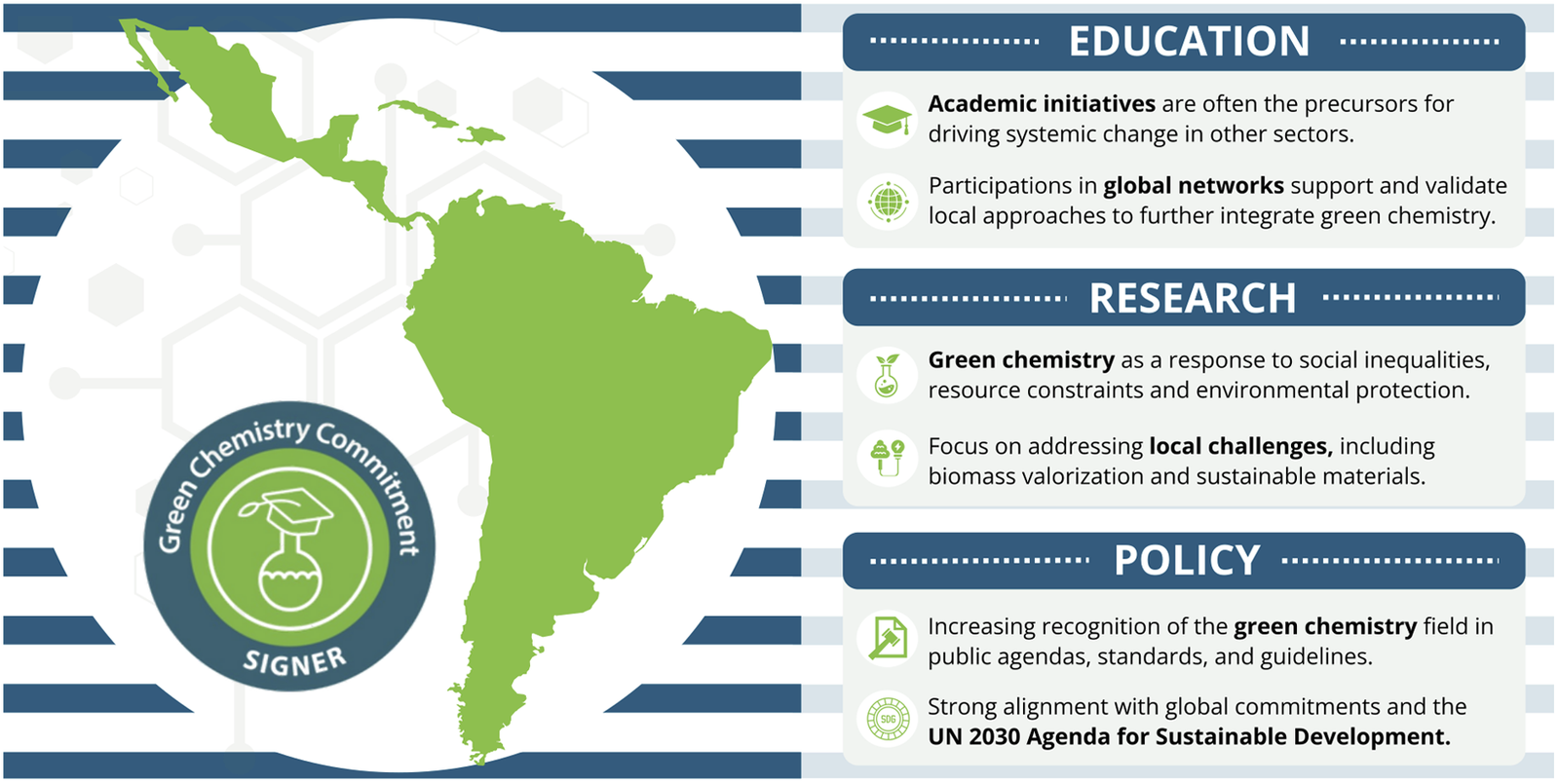
Advances in green chemistry education, research, and policy in Latin America: regional insights from participants of the Green Chemistry Commitment program

Juliana L. Vidal, Amy S. Cannon, Carlos Schnorr; Carolina L. Suero, Cintia D. F. Milagre, Claudia H. Herrera, Humberto E. Quinonez; Iriux Almodovar; Jeffrey León-Pulido; John C. Warner; Jorge A. Solís-Portillo, Julio C. Pastre; Marilei C. M. Sandri; Mario N. Lanteri; Michelle P. Duarte; Omar Villanueva; Thibault Terencio; Vânia G. Zuin Zeidler, Victor H. Ramos-Sanchéz; Flavia C. Zacconi*, Humberto M. S. Milagre*

RSC Sustainability 2026. https://doi.org/10.1039/d6su00321d

Across Latin American countries, the transition toward a more sustainable future happens within diverse contexts, while guided by shared experiences, resources, and global initiatives such as the Green Chemistry Commitment program.

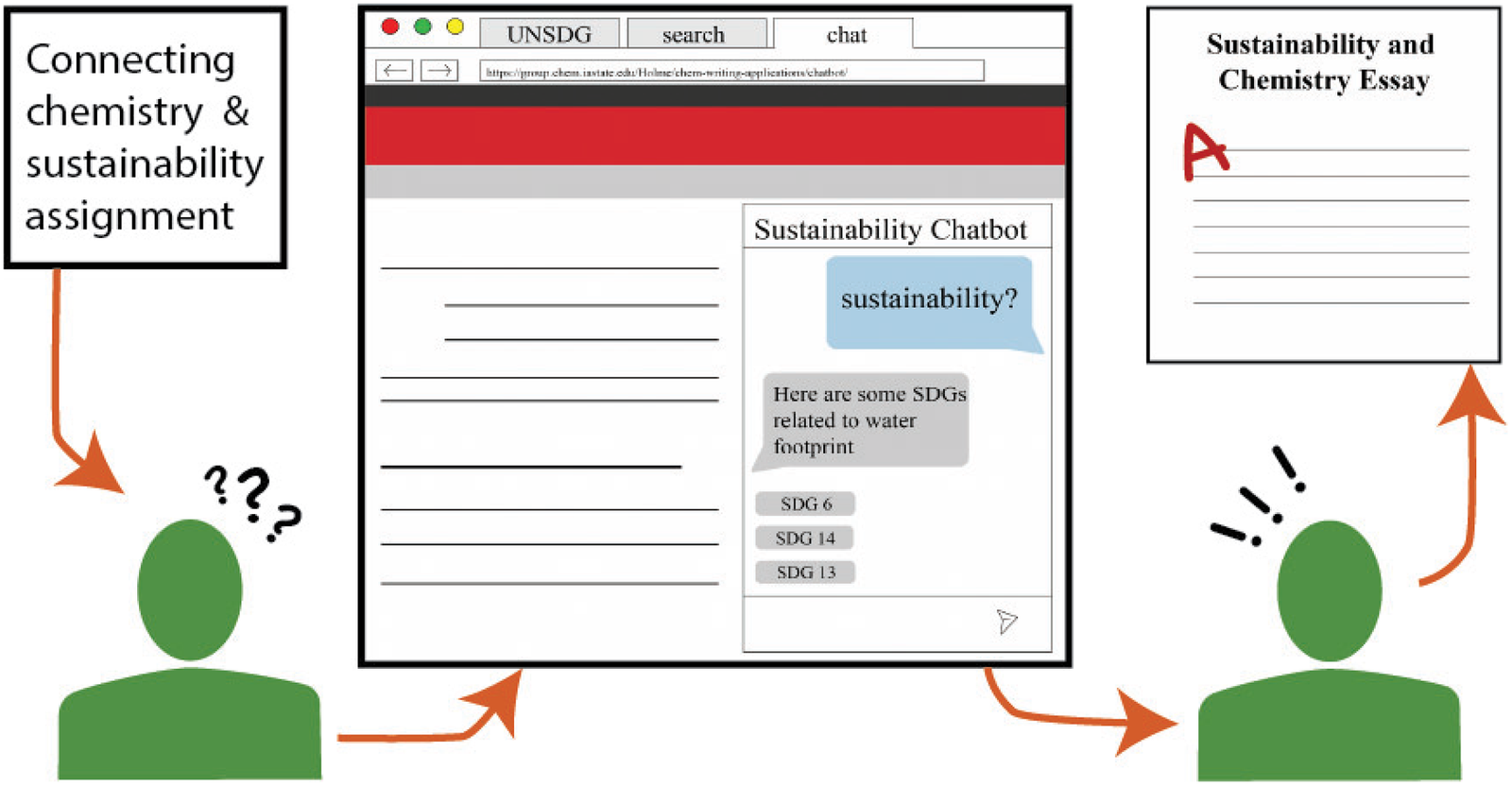
For many students assignments connecting chemistry to sustainability are outside of their prior experience, and helpful resources such as a curated chatbot can provide directed assistance even when instructors are unavailable.

Using curated chatbots to support students’ exploration and awareness of sustainability through essay writing

Morgan J. Clark, Micke Reynders, Thomas Holme*

RSC Sustainability (2026) 4 (6): 2589–2600. https://doi.org/10.1039/d5su00948k

ALT-Lab-Ad-1

Recent Articles