
For most of us, the journey of a ship is measured in days, weeks or even months. The vessel must carry everything it needs with it, from its fuel and power systems to the equipment required to keep people and cargo moving safely across the world’s vast oceans. This simple fact makes decarbonising shipping very different from decarbonising many other forms of transport. There is no convenient network of charging points at sea, and a vessel cannot simply pull over when its energy runs low. For shorter routes and some vessel types, battery-electric propulsion can already offer a viable solution. But for long-distance shipping, the amount of energy required can make an all-battery system challenging… adding significant weight and volume. For long-distance shipping in particular, any alternative to today’s fossil fuel combusting solutions must provide enough energy for the journey, fit within the constraints of a working ship and perform reliably in demanding oceanic conditions.
At the same time, the industry is facing a future in which there may be several alternative fuels rather than one obvious successor to conventional marine fossil fuels. Hydrogen, ammonia and methanol are all being considered for maritime applications, but each presents different challenges in terms of production, storage, infrastructure, cost and onboard use. In other words… availability. This means that, particularly for long-distance vessels, energy-dense fuels are likely to remain an important part of the maritime energy mix even as the industry moves away from fossil fuels. The question is therefore not only which fuels will be available, but also how efficiently and flexibly ships can convert those fuels into useful power.
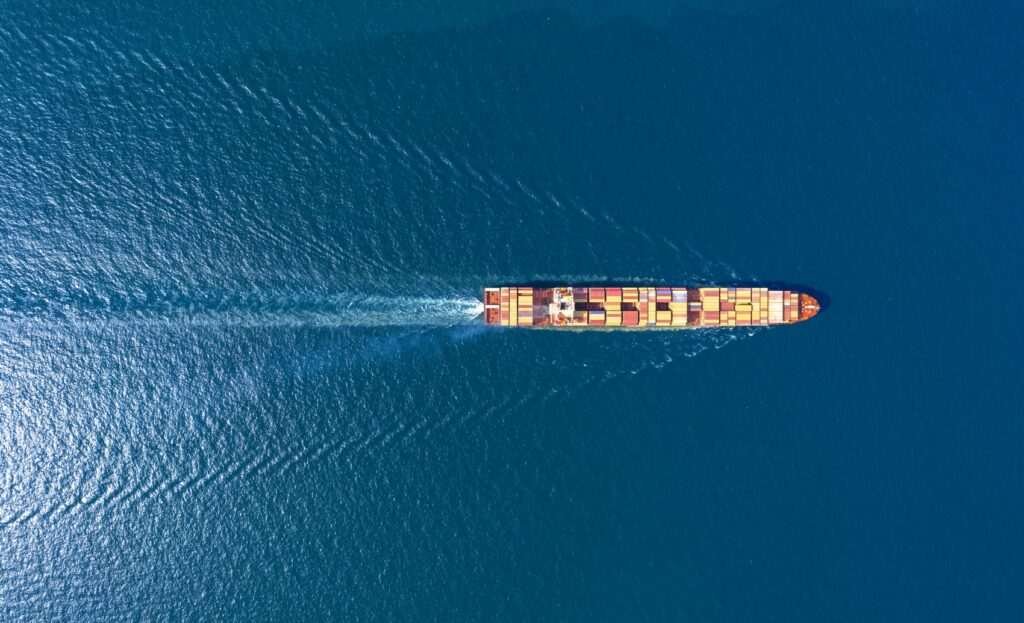
“One option is to replace combustion-based power generation with solid oxide fuel cells (SOFCs). Rather than burning the fuel to produce mechanical power, an SOFC converts its chemical energy into electricity through an electrochemical process. This can enable high electrical efficiency and, depending on the fuel and system configuration, much lower emissions than conventional combustion-based power generation. SOFCs can also be particularly interesting for ships because they can operate on different fuels, provided those fuels can be suitably processed before reaching the fuel cell,” says Antonio Alfano, R&D Manager, Stack Development at Elcogen.
This raises an important question. Instead of designing a power system around a single fuel, could ships benefit from technology that gives them the flexibility to use several?
This has been the premise behind FuelSOME, a four-year European research project that has explored the viability of a multi-fuel solid oxide fuel cell system for long-distance shipping. Its consortium brought together eight organisations with complementary expertise across the technology chain. AVL, which coordinated the project, has been responsible for the system architecture and integration, as well as the development and testing of the laboratory-scale prototype. Elcogen brought the SOFC stack technology, while VTT developed the multi-fuel processor and carried out extensive stack and system testing. AEE INTEC worked on the wider technology concept and fuel supply pathways, while ATENA contributed to the techno-economic assessment and related sustainability work. ZHAW examined the life-cycle sustainability of the proposed system, Warsaw University of Technology contributed scientific and modelling expertise, and eBOS was responsible for communication, dissemination and exploitation. Global maritime technology provider, Kongsberg has been on the advisory board.
Together, these partners tackled a problem that cannot be solved by the fuel cell alone. Ammonia and methanol, for example, require different approaches to fuel processing before they can be used effectively by an SOFC. The stack itself must also tolerate different fuel conditions while maintaining efficiency and stability. Beyond the technology itself, there are questions about where future fuels will come from, their environmental performance and whether the resulting system could make economic sense. FuelSOME therefore approached the challenge from several directions, linking fuel supply and system design with component development, testing, modelling and sustainability assessment.
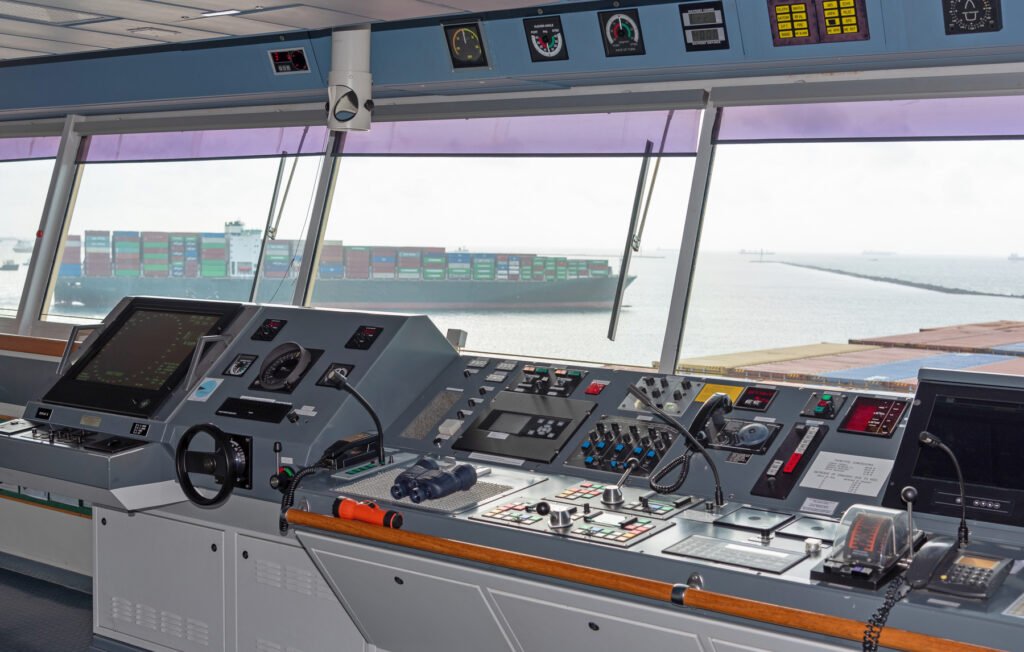
“The potential role of SOFCs is not limited to main propulsion. They could also provide auxiliary power for functions such as lighting, ventilation, refrigeration and onboard equipment when a vessel is in port or at sea. This is particularly relevant because auxiliary engines can continue to consume fuel and produce emissions even when the main propulsion system is not operating. A fuel-cell-based auxiliary power system could therefore offer another route to reducing emissions, while also allowing the vessel to use alternative fuels efficiently,” shares Alfano.
The latest testing conducted by FUELSOME marked an important step in bringing these different strands together. At VTT in Finland, the SOFC stack module operated for more than 450 hours using ammonia and methanol. The tests provided an opportunity to examine longer-term behaviour and, in the case of ammonia, to investigate how the stack responds when some ammonia remains uncracked before entering the fuel cell.
At AVL in Hungary, the focus shifted towards the behaviour of the integrated system. More than 500 hours of operation were completed using hydrogen, ammonia and methanol, with a wide range of operating conditions investigated. The partners also tested changing loads designed to approximate the demands of maritime operation. The stack responded well to these dynamic conditions, with no major phenomena identified that would prevent further development.
“The efficiency results are particularly encouraging. The project set a target of 55% stack efficiency, which was achieved with ammonia. Methanol operation went further, reaching 61% in the VTT tests and 60.2% at AVL. The results suggest that fuel flexibility does not necessarily have to come at the expense of the high efficiency that makes SOFC technology attractive in the first place. For a maritime application, this combination of efficiency and fuel flexibility could be valuable both for propulsion and for auxiliary power, particularly as ship operators navigate an uncertain future fuel landscape,” says Minna Toivola, Project Coordinator at Elcogen.
Want to know more?
Join the FuelSOME Project dissemination workshop and training day on Wednesday 7th October 2026, in Kongsberg, Norway, and online via Microsoft Teams.
There is still work to do before such a system could find its way into a high-regulated commercial vessel environment. … further modelling, testing, optimisation and scale-up. Yet FuelSOME has already provided an important piece of evidence. It has shown that multi-fuel SOFC operation is technically feasible and that high efficiency can be maintained across more than one alternative fuel.
That may prove to be one of the project’s most valuable contributions. Shipping’s energy transition is unlikely to follow a single, straightforward path. Batteries will have an important role to play, particularly where routes and vessel requirements make them practical, but they are unlikely to be the only answer for every type of ship. For long-distance vessels, the ability to use energy-dense alternative fuels efficiently could remain essential. A technology that can adapt as fuels, infrastructure and markets evolve could offer the industry something that is increasingly valuable in its journey towards decarbonisation, namely choice.
Text: Laura Quinton
The post Could one fuel cell system power shipping’s multi-fuel future? Join Fuelsome project seminar on October 7th! appeared first on Elcogen.


