
Canadian producers are heading into one of their busiest times of the year and with it should come an increased focus on farm safety.
The statistics are grim.
For example, Canadian Agricultural Injury Reporting (CAIR) data from 1990-2020 found 2,814 agriculture-related fatalities during those 30 years, an average of 91 a year.
According to the report, 66 per cent of the agriculture-related fatalities were machine-related. That’s 410 fatalities.
The leading machine-related causes of fatal injury were rollovers, runovers and entanglements.
There were 214 agriculture-related fatalities that were non-machine-related (34 per cent), including being struck by an animal or an object, drownings (mainly children), falls from height and exposure to toxic substances.
Children are not immune to these frightening numbers.
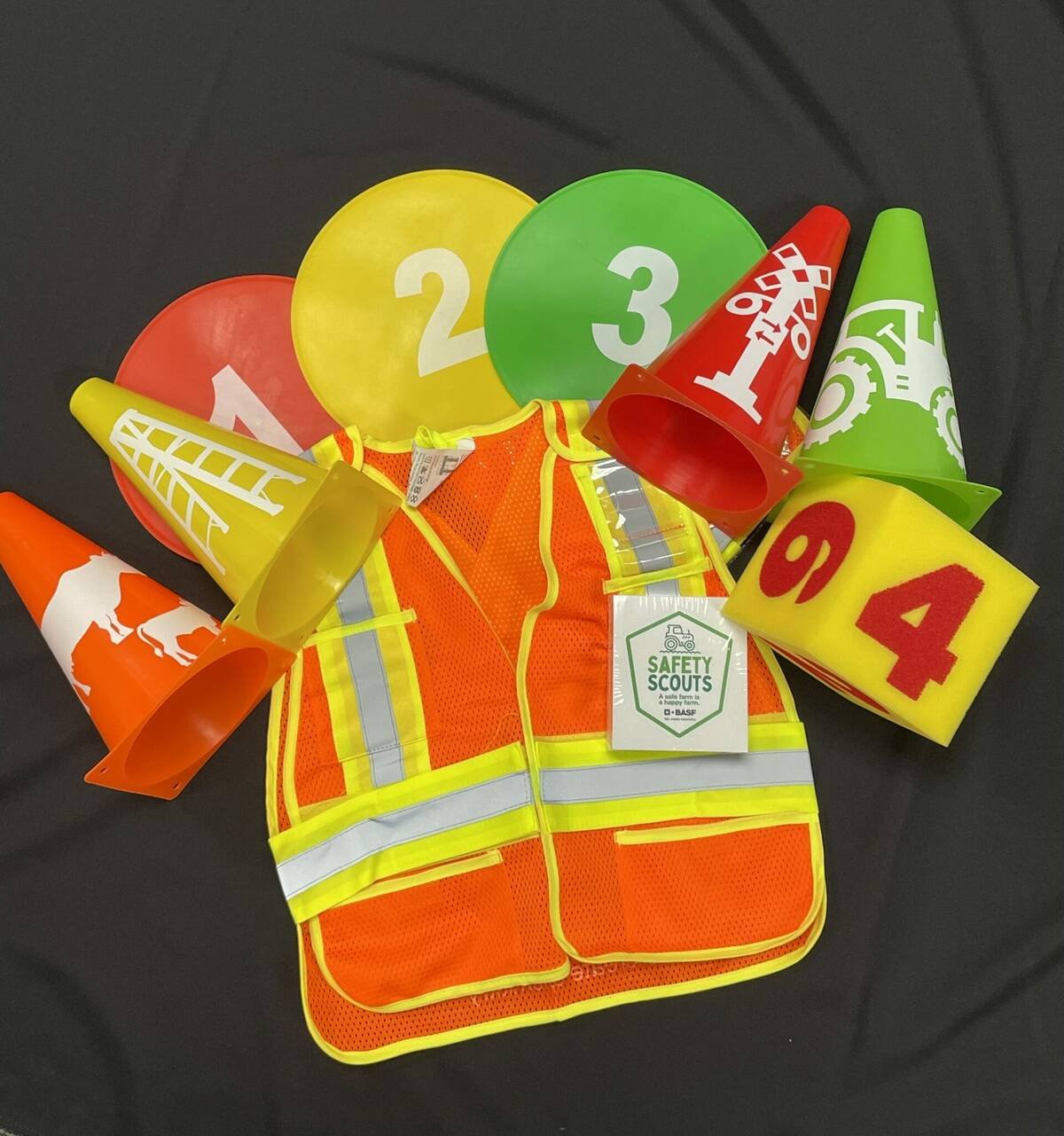
According to CAIR data cited by the Canadian Agriculture Safety Association (CASA), there were 435 child and youth fatalities on Canadian farms from 1990 to 2020.
Machinery runovers accounted for 32 per cent of those deaths and were the leading cause of farm-related fatalities among children between the ages of one and nine.
The CAIR data does show some improvement.
During the first 16 years of the surveillance period, there was an average of 110 fatalities a year. During the last 15 years, the annual average dropped to 70.
However, those numbers are still shockingly high, especially when they’re not including injuries, which can often be life-changing.
Each death or injury affects a family and a farming operation.
More must be done to lower these numbers further, and indeed, farmers are offered a significant amount of advice on how to increase the safety of themselves and their children.
They’re told that preparation and maintenance are key during the harvest, not just for machinery but for people as well.
They’re told to be connected at all times with trusted individuals such as family members, not only as emergency contacts but as someone they can check in with during the day.
They’re told that preparation and inspection of equipment and routes before leaving the yard are crucial.
They’re told to prepare their equipment with everything necessary for the day’s work before leaving the farm or home, partly to ensure visibility.
There is also no shortage of advice on how to keep children safe on the farm.
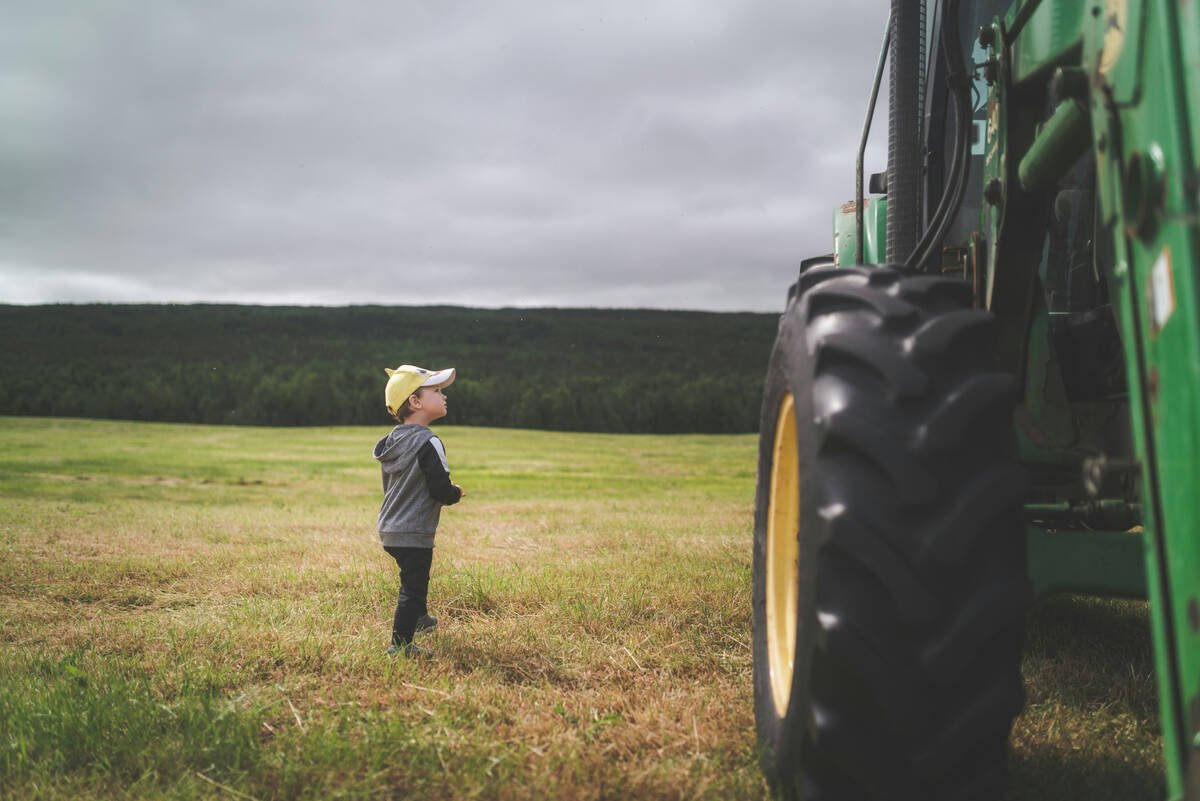
Operators are urged to walk around machinery before starting it, keep children away from machinery routes and work areas, avoid extra riders and teach children about blind spots.
Children should also be taught that seeing the operator does not mean the operator can see them. Lights and backup cameras should be kept clean and working, but technology is not a substitute for supervision.
Safe play areas are recommended, ensuring that they are separate from machinery routes, livestock areas and other work zones. They should be interesting enough that children are less tempted to wander toward activity in the yard.
Recommendations such as these are not new and yet people continue to die on the farm.
Maybe there’s a better way to communicate the farm safety message.
William Pickett, a professor of epidemiology at Brock University in St. Catharines, recently suggested that the normalization of farm risks and the unlikelihood to accept prevention advice from the public health field are due to a lack of understanding of farm culture.
He says farm culture is unique and specific, and when offering advice and conducting studies, the culture needs to be honoured and respected.
“If we want to solve this issue, maybe we should consider together that maybe there needs to be some new thinking,” he told a recent conference.
To do that, improved knowledge of the social norms within farm communities and culture must be established.
Using the social norms theory, which says that people are shaped by the cultures and values that surround them, Pickett is working on developing a deeper understanding of farm culture and the individuals who are a part of it.
One of the lessons he has learned from his research is that health and safety policies should come from people within the agriculture industry.
We hope that his fresh approach to improving farm safety may reap dividends.
Karen Briere, Bruce Dyck, Robin Booker, Paul Yanko and Laura Rance collaborate in the writing of Western Producer editorials.
The post Farm safety messaging may require different approach appeared first on Farmtario.


