
The 2026 Textile Exchange photography competition, in partnership with Atmos, invited visual storytellers to explore the concept of regeneration through fashion and textiles.
Under the theme Fashion Regenerated, the competition put out the call for stories that document both the need and opportunity for clothing, apparel, and textiles to bring about beneficial ecological, social, and animal-welfare outcomes.
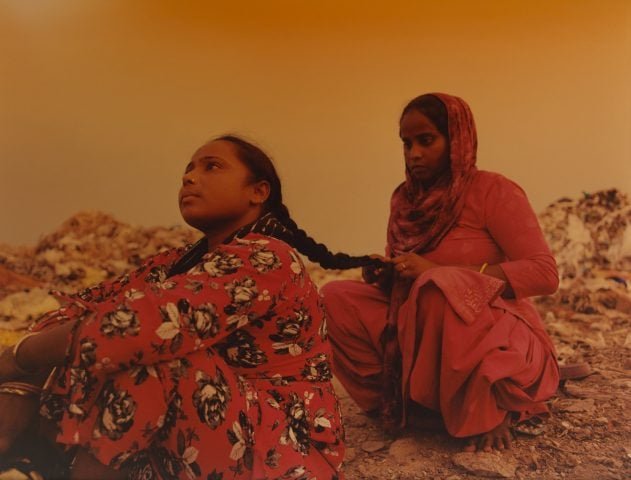
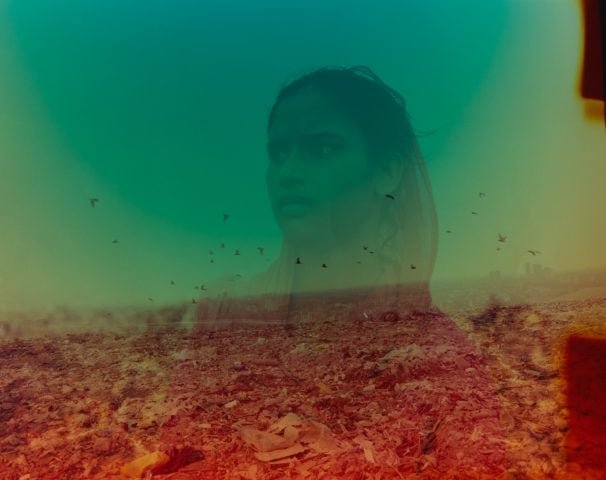
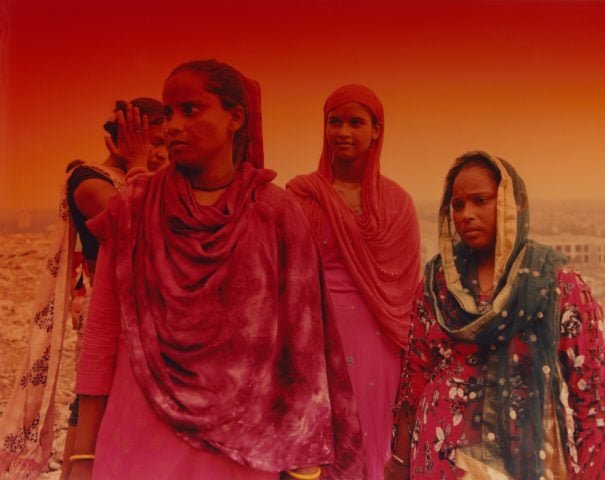
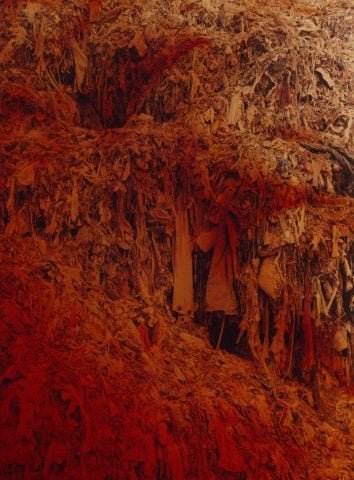
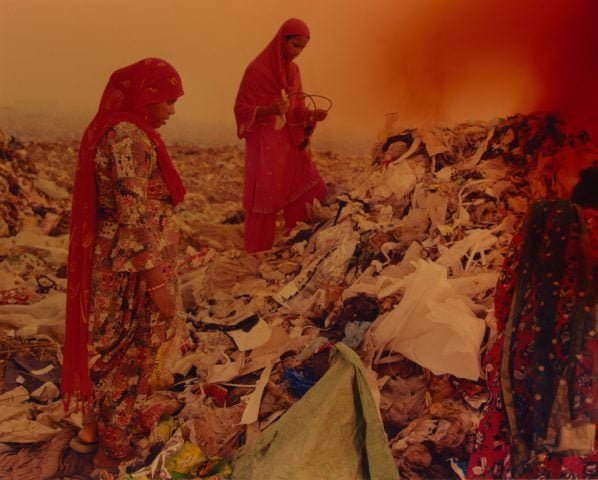
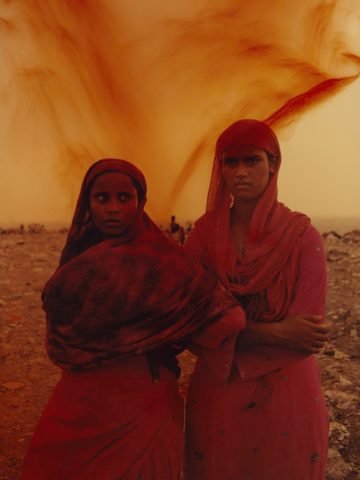
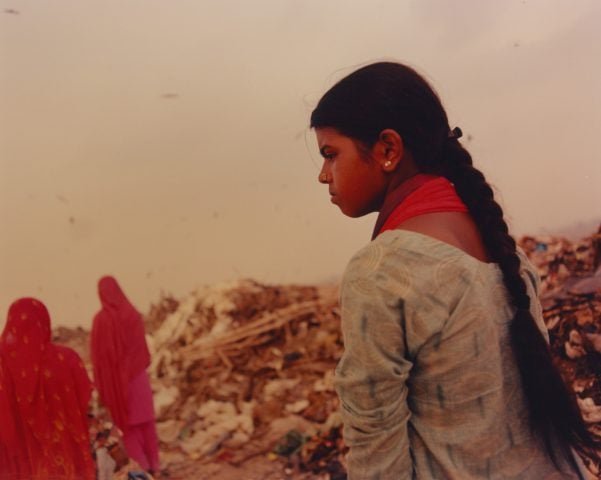
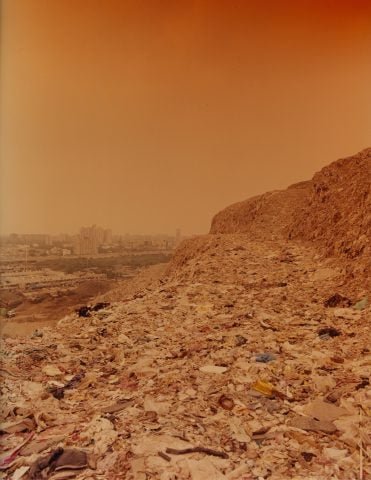
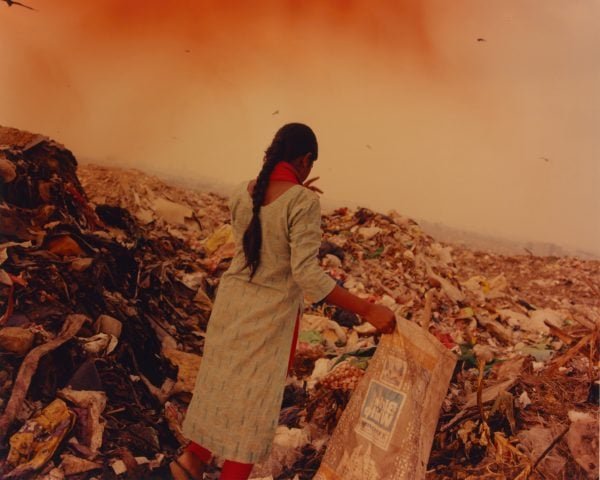
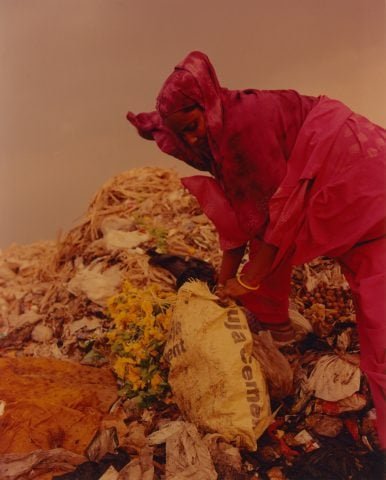
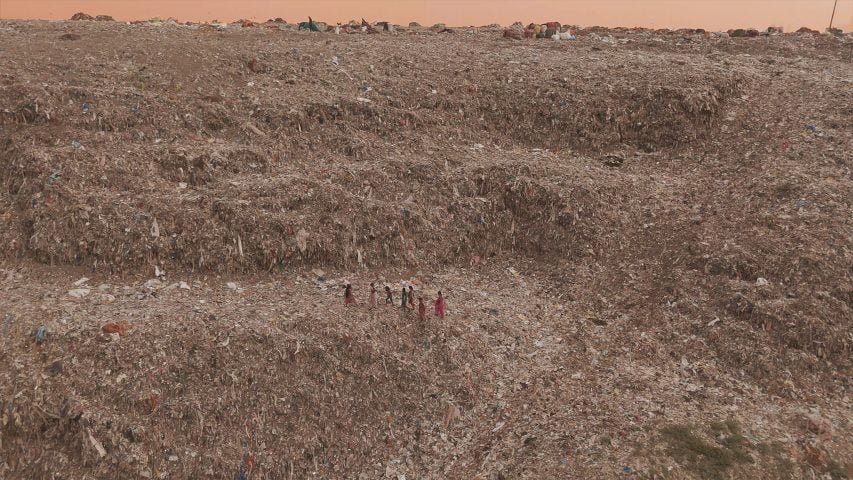
This year’s edition saw hundreds of applicants from 60 countries. The overall winner, French photographer and film director Claudia Revidat, reveals why it is essential for the industry to start taking responsibility for the regeneration of the waste that it generates. Her winning story documents the women of Ghazipur, India, who spend their days sorting through discarded textiles, among other waste, in an open-air landfill.
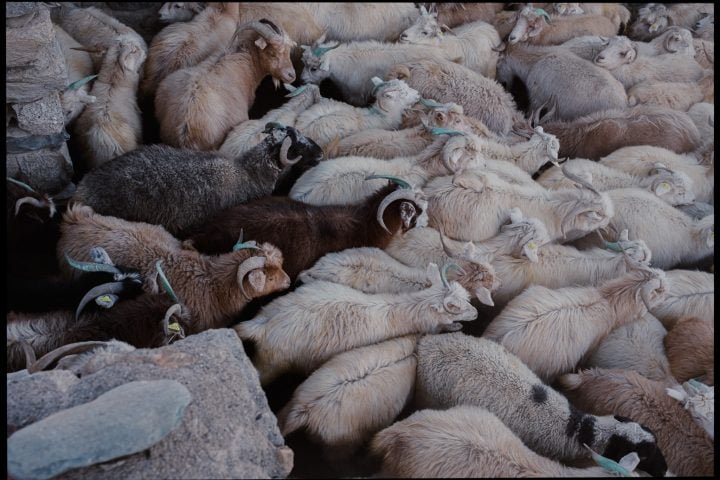
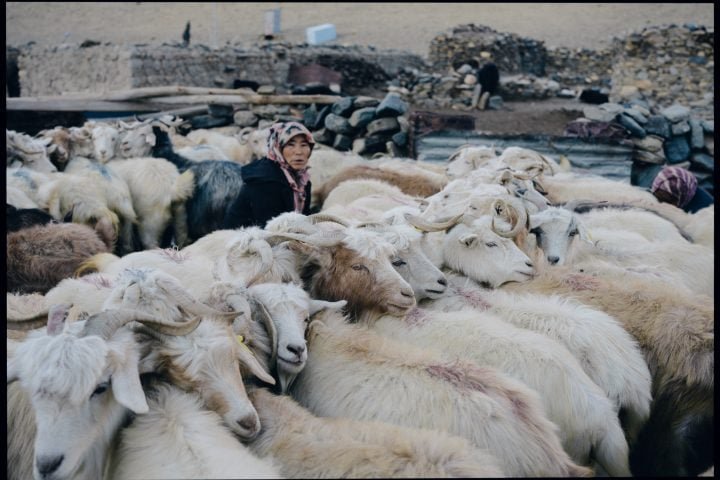
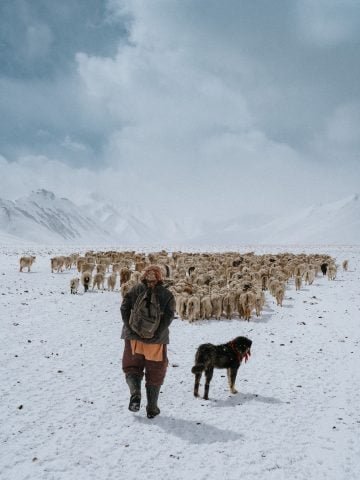
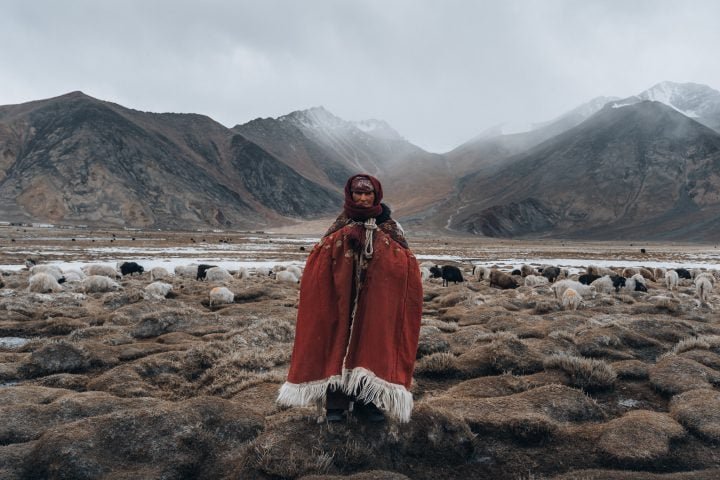
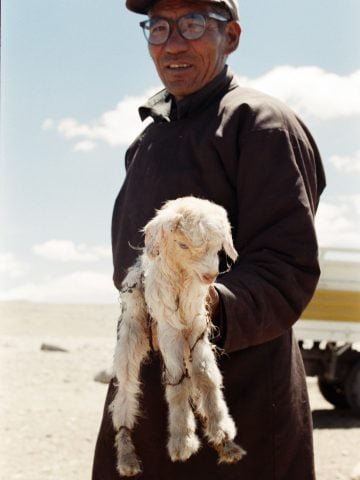
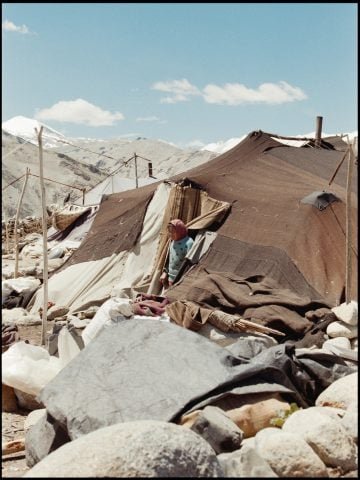
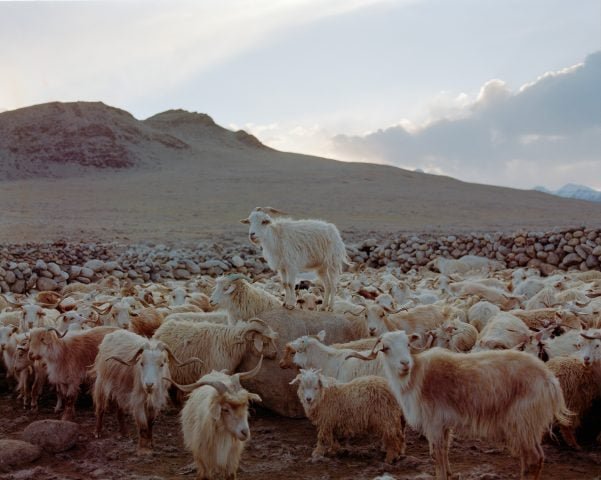
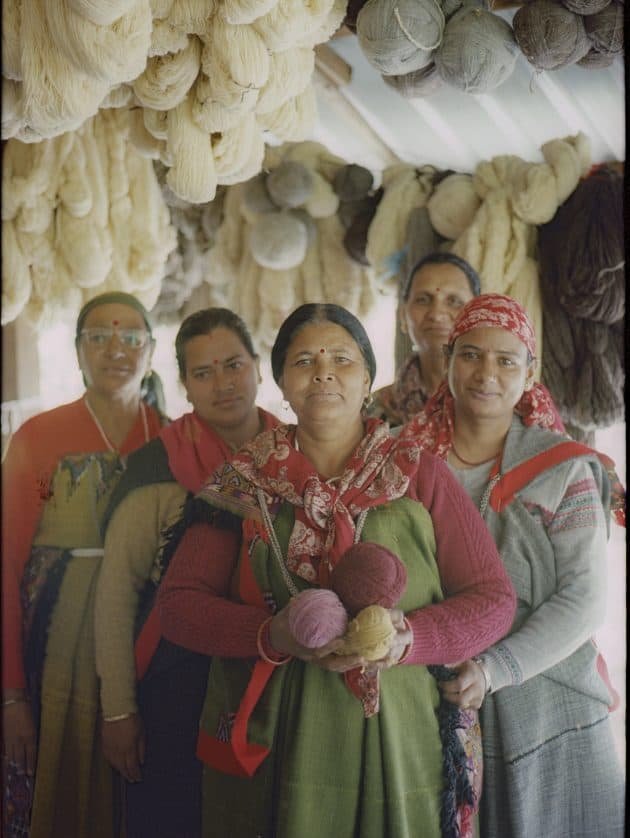
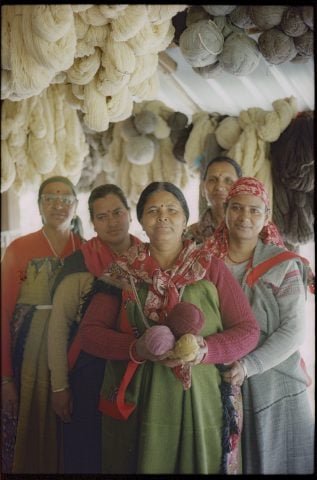
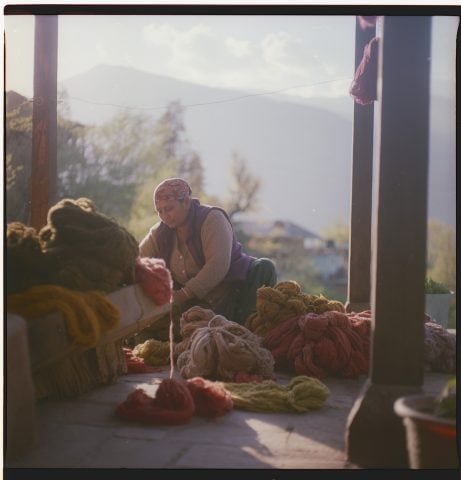
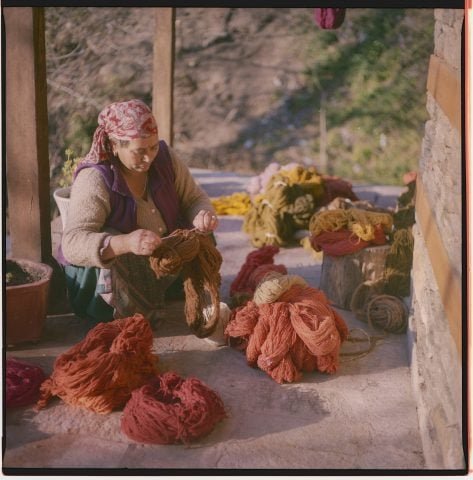
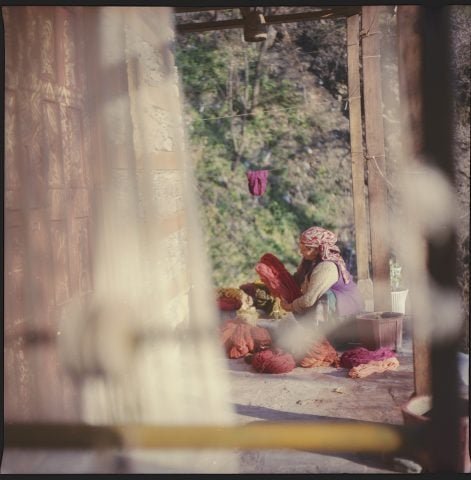
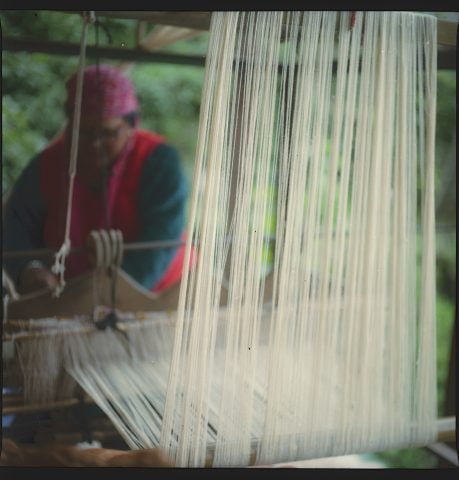
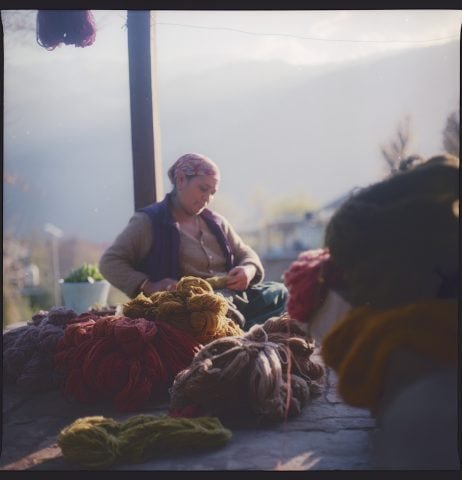
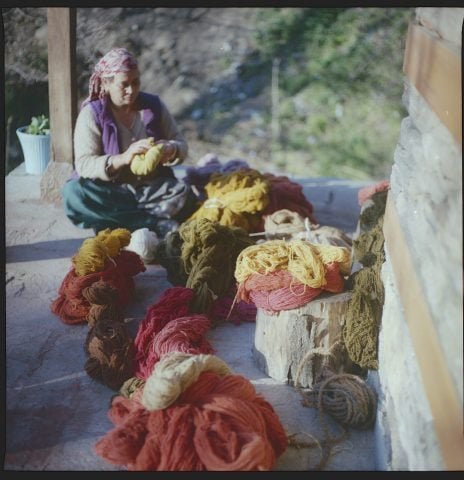
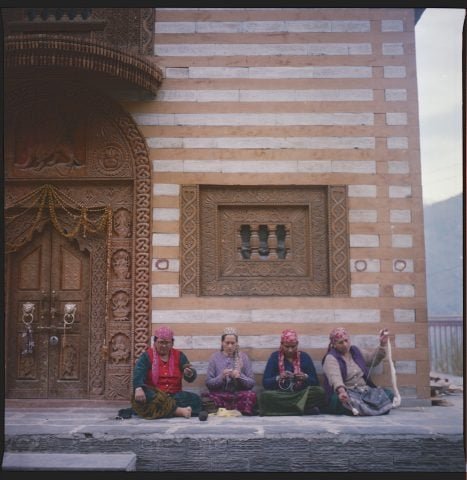
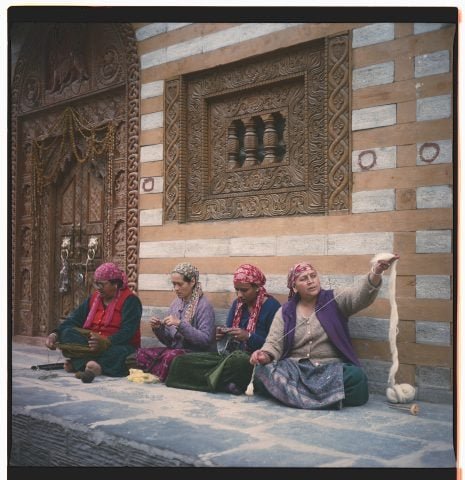
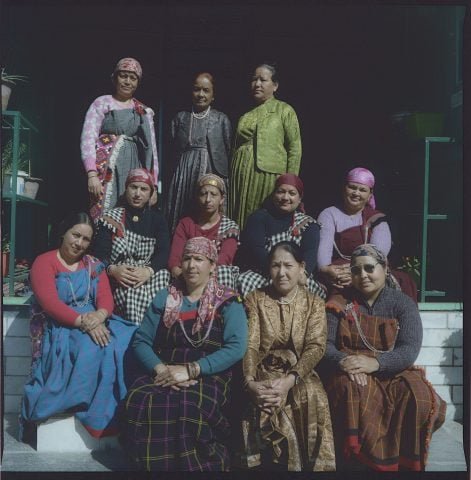
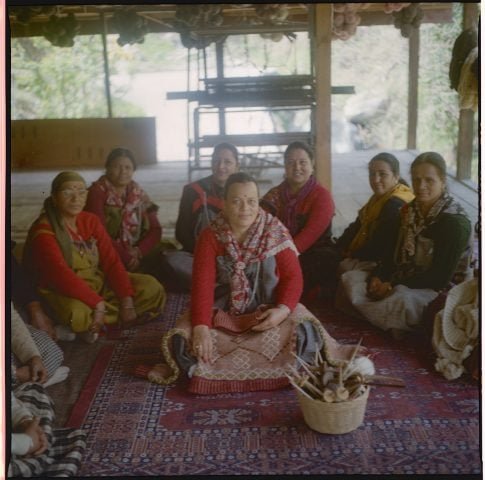
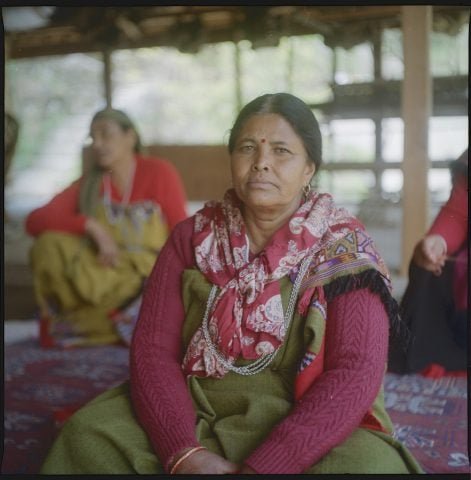
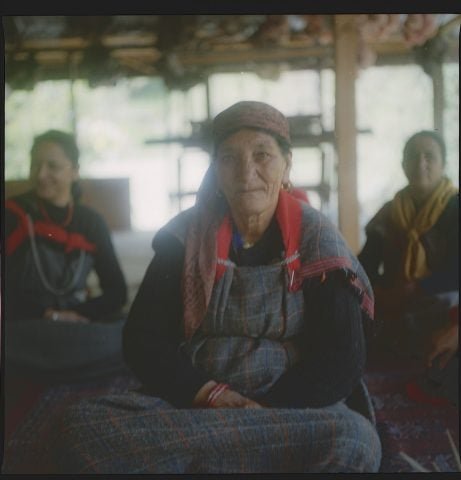
Runner-up Wasim Malik explores the lives of the nomadic people of Changthang, Ladakh, and their prized Pashmina fiber, while runner-up Elena Siretanu documents the women of Kullvi Whims in India’s Kullu Valley, a community-rooted social enterprise of Himalayan sheep wool artisans.
WINNER
Claudia Revidat
French photographer and film director Revidat is known for her visual narratives that merge documentary depth with poetic resonance. Through her films and photographs, she explores fragile territories, invisible narratives, and silent forms of resistance, drawn to the relationship between people, landscapes and the invisible systems that shape our lives. She spends extended periods immersed in communities, building relationships and seeking to reveal the deeper connections between humanity and the environments we inhabit. Her work blends analogue photography, film, layered imagery, and intimate storytelling.
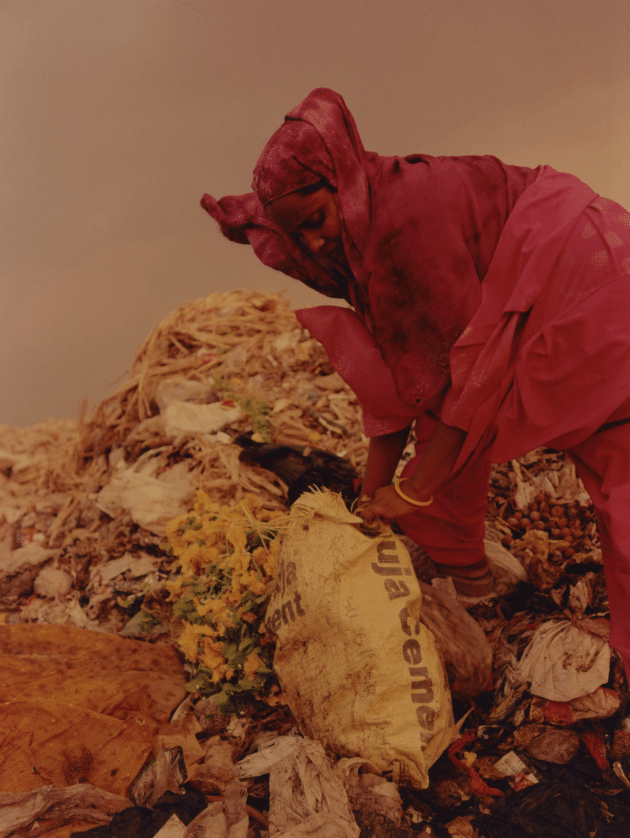
Revidat’s work documents the lives and work of the women of Ghazipur, on the outskirts of Delhi, India. Among mountains of plastic waste lie countless discarded garments and textile fibers—this is where the story of our materials continues. On this open-air landfill, local women tirelessly sort through layers of discarded materials, recovering plastic, textiles, and anything that still holds value. Living alongside them for several days, Revidat encountered a remarkable sense of solidarity and quiet resilience in a place defined by extreme environmental degradation.
Her resulting project does not present Ghazipur as a model of regeneration. Instead, it reveals why regeneration has become essential. It exposes the environmental and human consequences of a system in which materials continue to exist long after they have disappeared from our lives, encouraging a broader reflection on responsibility across the fashion supply system. True regeneration cannot focus solely on materials. It must also restore landscapes, protect communities, and recognize the invisible labor of those who already extend the life of what we choose to throw away.
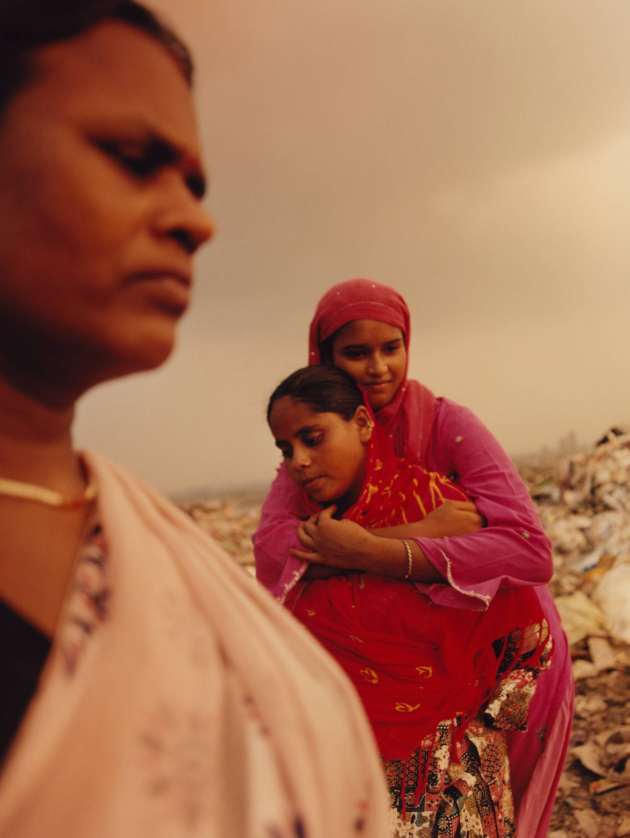
Explore THE SERIES
THE MONSTER OF GHAZIPUR
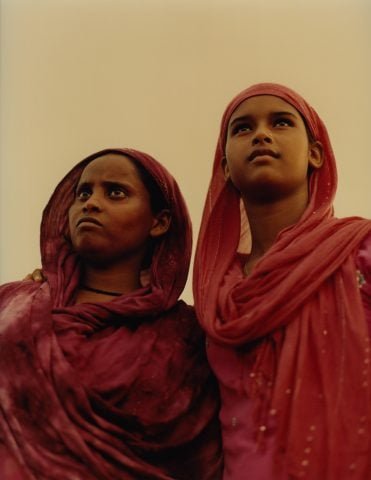
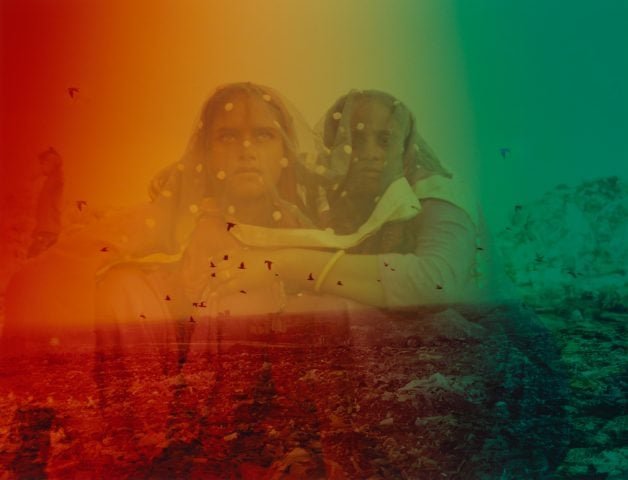

Watch the short film
RUNNER UP
Wasim Malik
Hailing from Leh, Ladakh on the western edge of the Himalayas, Wasim Inshaq Malik is a photographer and filmmaker. His photographs reflect the beauty, resilience, and identity of the places and communities around him. Malik travels through remote regions, observing life as it naturally unfolds. His photography focuses on the moments that capture the spirit of Ladakh and the people who live close to nature, in a way that feels timeless and human.
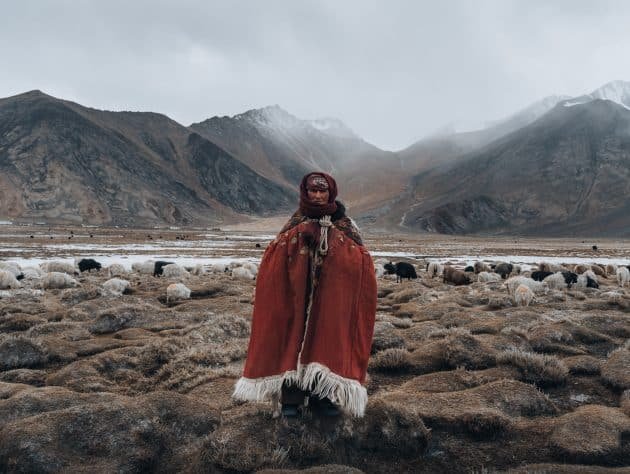
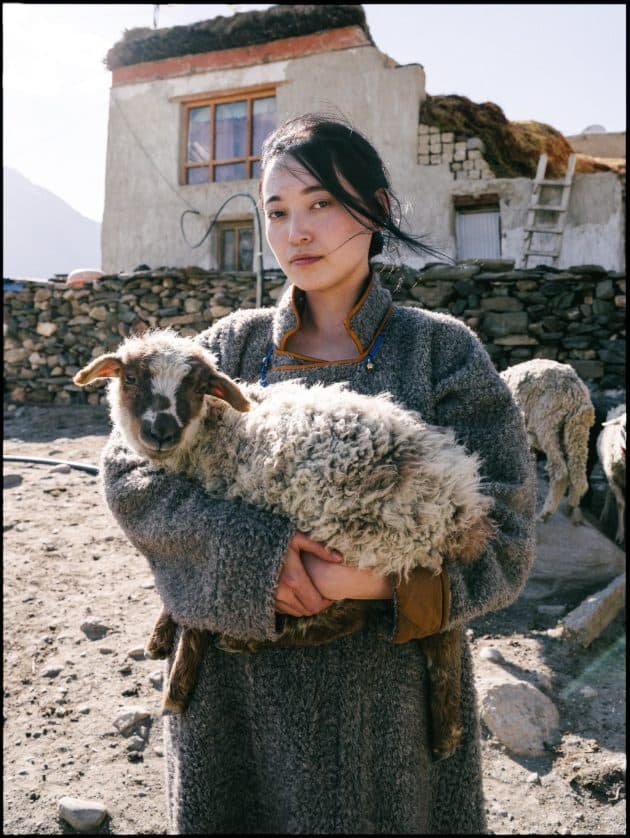
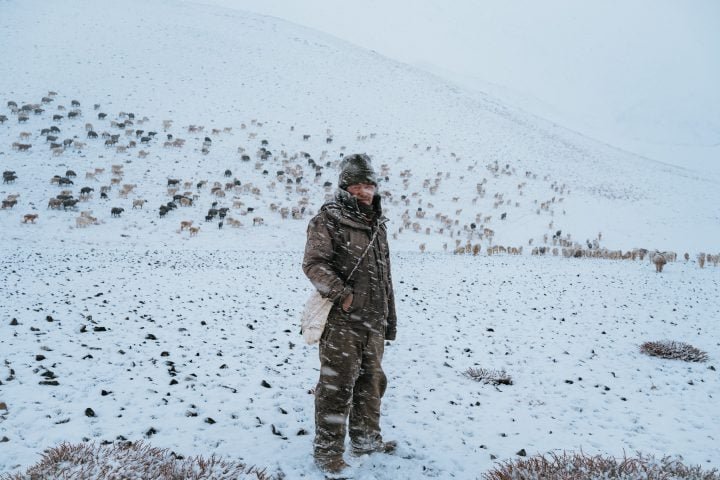
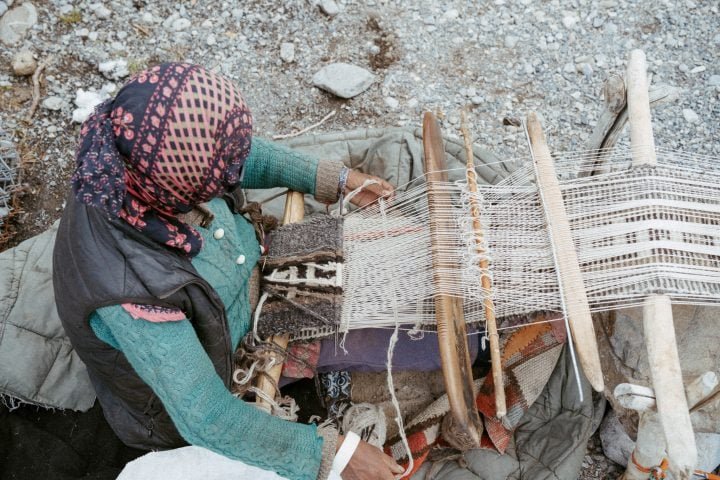
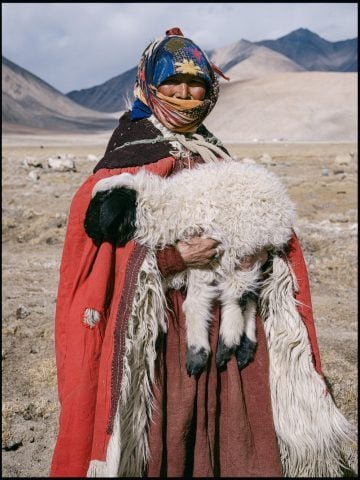
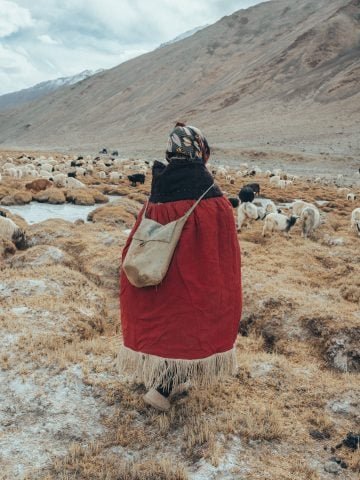
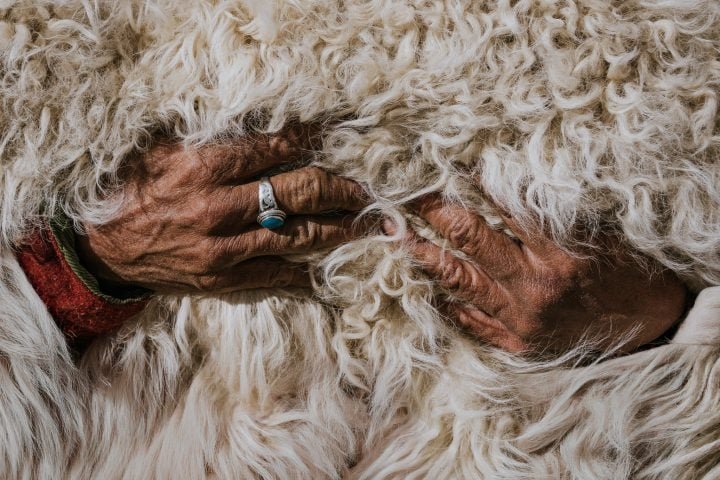
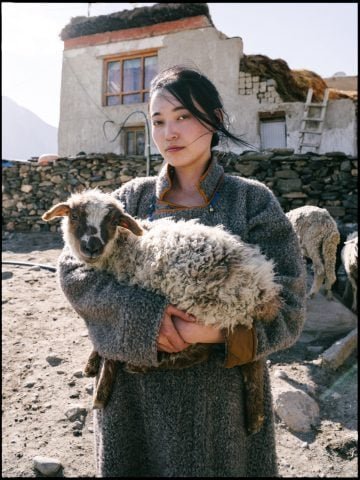
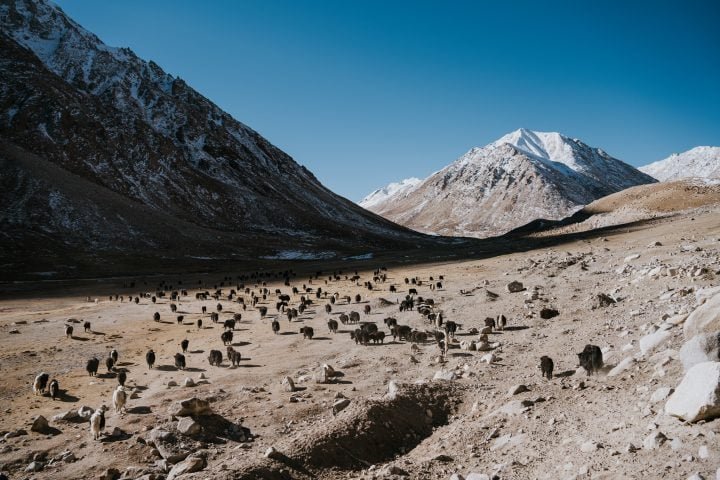
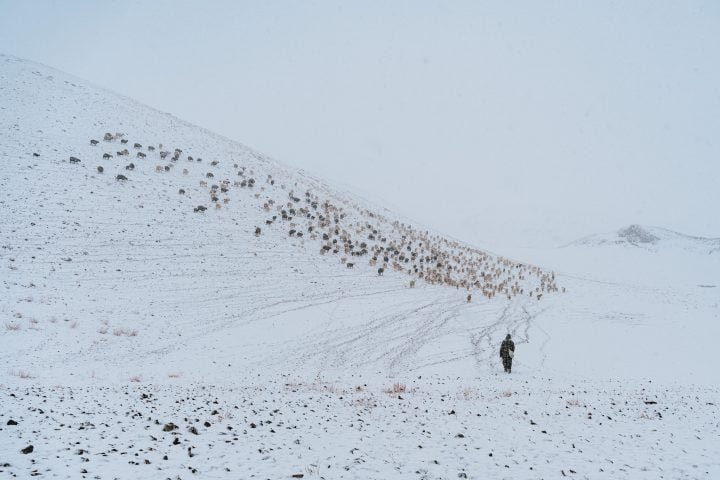
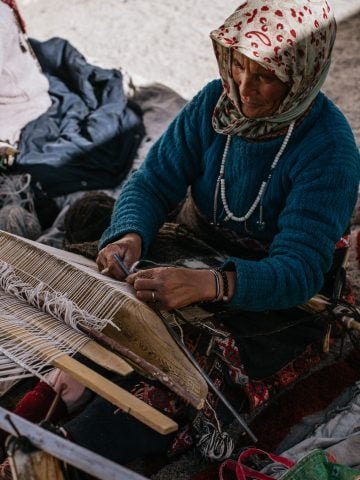
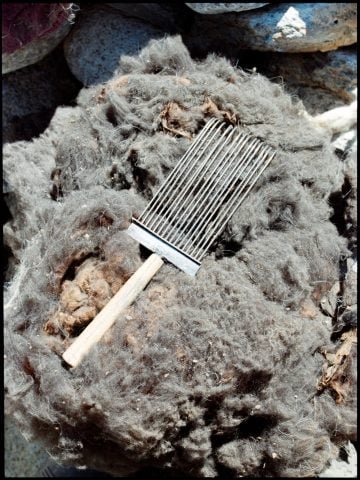
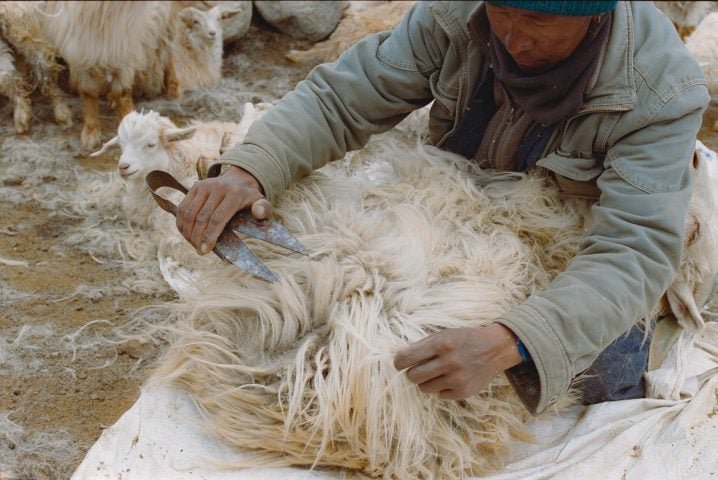
Malik’s story documents the Changpa nomadic people and their Changthangi goats in the rugged landscapes of the Himalayan plateau. Adapted to one of the world’s harshest high-altitude environments, Changthangi goats are central to the Changpa nomads’ pastoral way of life. Their fine undercoat produces the prized Pashmina fiber, linking traditional herding practices with a globally valued natural textile. Malik’s images capture the intricate process of handmade textile production, showcasing the resilience, knowledge, and cultural heritage passed down through generations of Himalayan nomads.
Despite the harsh weather, life moves forward guided by resilience, tradition, and a deep connection to the land. The images reflect the close relationship between the Changpa people and their livestock, highlighting a traditional pastoral way of life that has endured for generations in the Himalayan plateau.
Explore THe series
Lives on the Changthang: Nomads of Ladakh

RUNNER UP
Elena Siretanu
Based between London and Chișinău, Siretanu is a Moldovan-born visual storyteller and documentary photographer. Her work is shaped by a life lived between Eastern and Western Europe and explores identity, belonging, memory, intimacy, and representation. Siretanu approaches image-making through documentary observation, oral history, and a sustained interest in how personal narratives intersect with broader social change. Her practice is rooted in long-form storytelling and in the creation of nuanced visual representations of communities, emotions, and experiences.
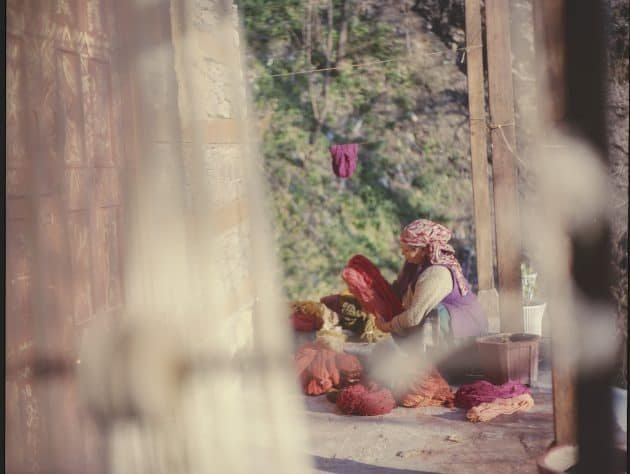
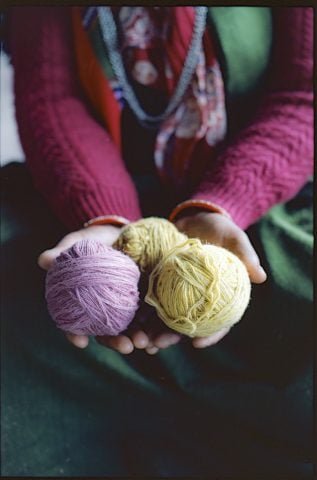
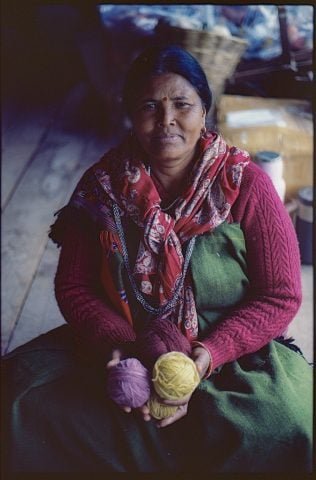
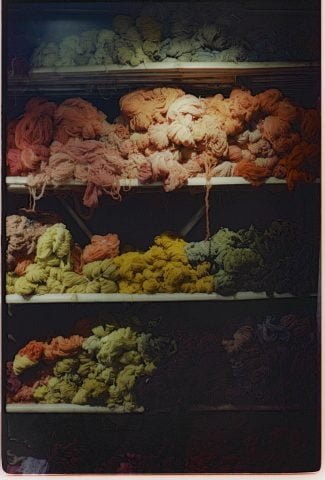
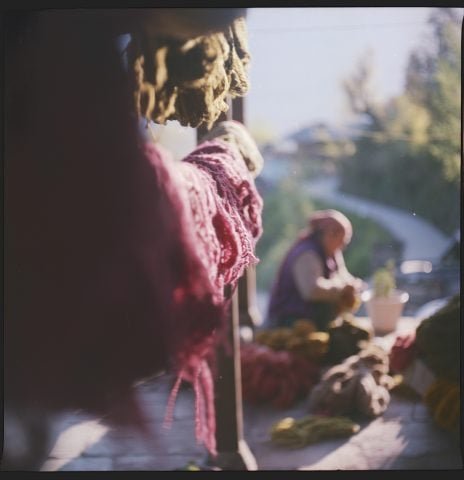
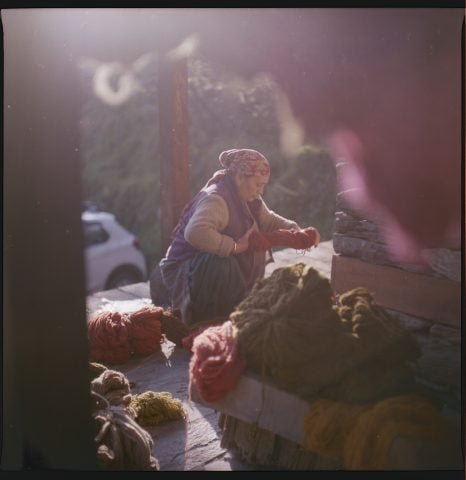
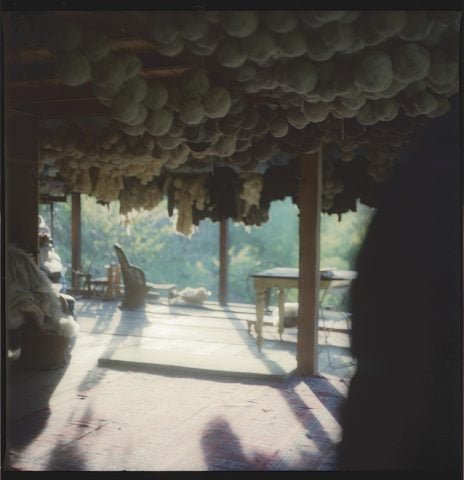
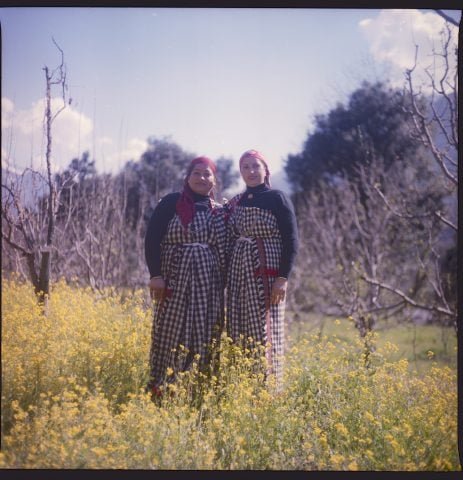
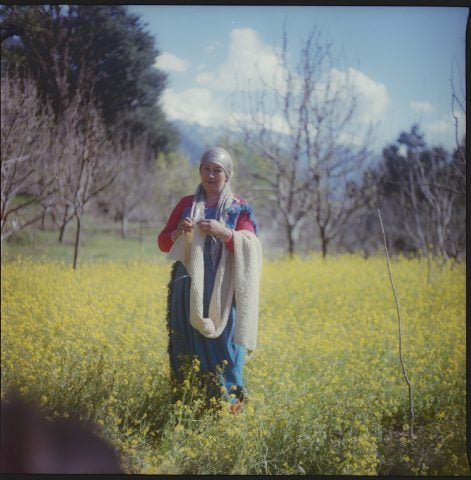
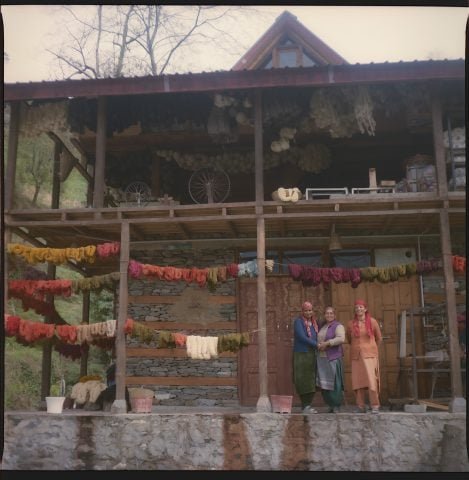
Siretanu’s images are centered on the women of the Himalayan village of Naggar, in India’s Kullu Valley, where wool, plants, domestic space, and labor are closely connected. She documents the movement of wool through different hands and stages: from shepherds and sheep through the hands of women who wash, spin, dye, knit, weave and sew it, transforming a local raw material into both a livelihood and a living expression of place. This story reflects a new understanding of regeneration—not just as a single environmental intervention, but as the rebuilding of relationships between people, materials, place and economic life.
This project documents Kullvi Whims, a community-rooted social enterprise that grew from a modest initiative with a single sewing machine and a small group of women into an expanding network of artisans. By working with indigenous Himalayan wool, natural dyes, and labor-intensive hand processes, Kullvi Whims is rebuilding a local textile chain around materials and skills that already belong to the region.
Explore THe series
The Threads that Hold the Mountains
The 2026 competition is now closed. Sign up to our newsletter to stay up to date with future competitions.
The post Uncovering the Winning Stories of Our 2026 Photography Competition in Partnership with Atmos appeared first on Textile Exchange.


