
Canada’s dairy genetics led the world for decades, backed by the top-performing system to create trust in the indices that supported that leadership position.
Those systems — type classification and milk recording — are being challenged by farmers with different priorities and new technology, which make some of the old ways of proving data obsolete.
Why it matters
If dairy farmers don’t participate in data collectively used to prove bulls and create cow indices, then the accuracy of those systems could fall.
A panel of dairy farmers at Lactanet’s annual Dairy Open Industry Forum in Toronto recently addressed some points of friction between systems that have served the industry well and new technology and farmer expectations.
Anton Borst milks 1,350 to 1,400 cows at his family’s Halarda Farms in Manitoba using 20 Lely robotic milkers and farming about 5,000 acres of land.
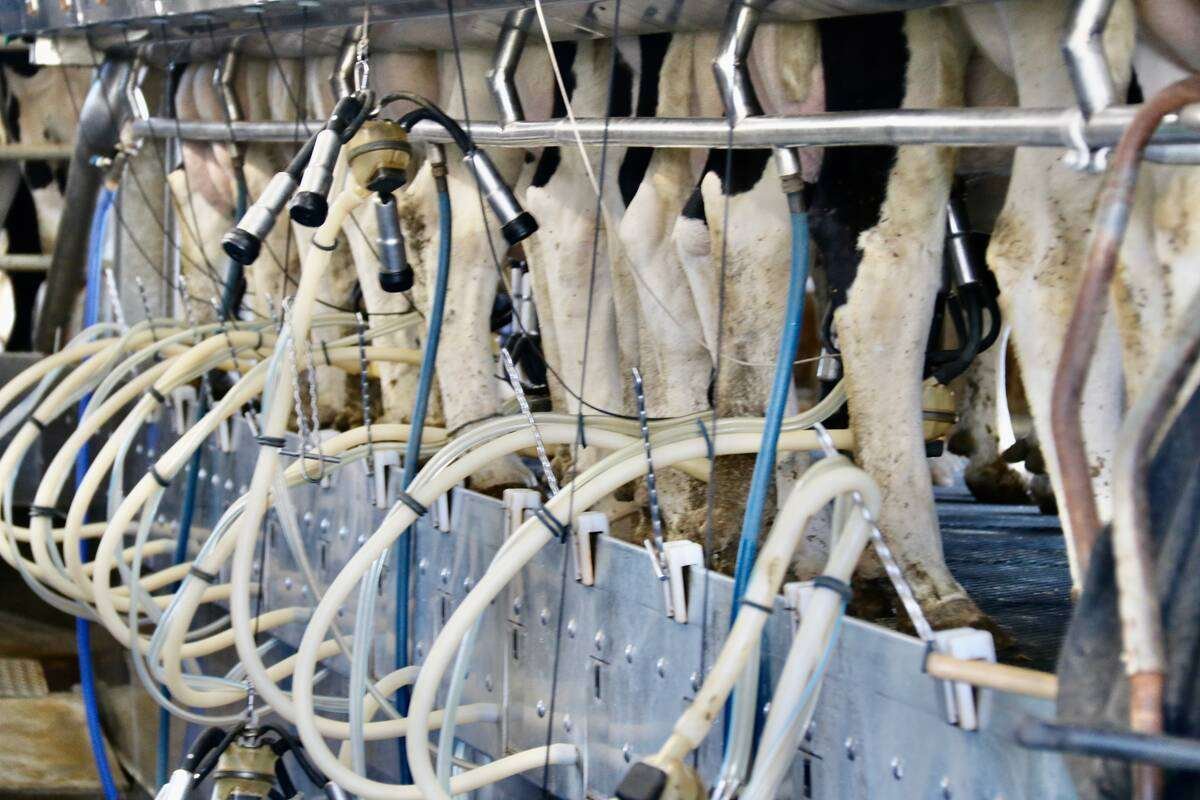
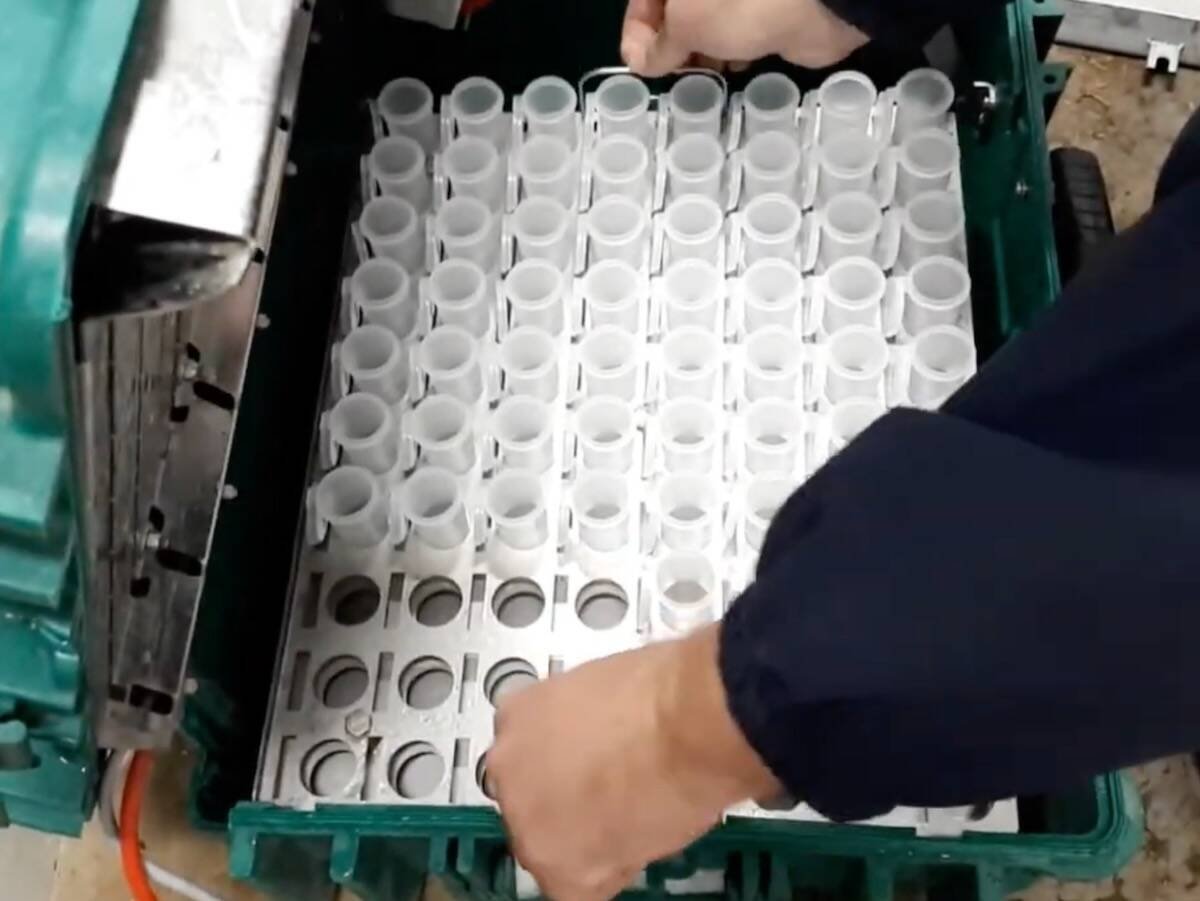
Borst has stopped classifying his cows, but continues to use the e-DHI milk sampling, which can be automated with robots.
Lysanne Pelletier, of Ferme Pellerat in Quebec, milks about 450 cows and crops about 2,600 acres.
Chris Nooyen and his family milk about 500 cows at three farms as part of Brabantdale Farms.
The Nooyen family’s Brabantdale Farms has three Master Breeder’s Shields, awarded to farms which hit certain benchmarks, especially around cow classification, but the family’s farm no longer uses classification or external milk recording.
“There have been some services that have been cut, and you know what, our business is flourishing as good as ever,” said Nooyen. “I’m sad that it has to be that way, but at the end of the day, we’re making decisions for our business.”
He challenged associations like Holstein Canada and Lactanet, which manage classification and herd milk production recording, to talk to the farms that no longer use their services to see how they can better serve them.
Genomic testing
The Nooyens make extensive use of genomic testing to measure their genetic progress and to make breeding decisions.
Genomics is one significant technology which enables farmers to test their cows for their genetic potential. The other technologies include copious volumes of data from sensors on farms.
He said the family contributed data for decades and continues to do that through genomic testing.
Nooyen has an economics degree, and being part of a business in which family are shareholders, all decisions have to be backed by return on investment and said that services that were cut were done after looking at them through that lens.
The case for collecting data
Pelletier, however, continues to use the industry’s genetic services, as her family has in the past.
“If we stop looking for — or collecting — data, the sector won’t advance and I’m certain that there are still things from a confirmation point of view that could be detrimental in the long term,” Pelletier said through translation.
She said she’s concerned about new traits which could show up yet, especially as more cows are milked by robots, and data are needed to prove those traits.
“I love numbers. I love to have a base of comparison for one cow to another, to gather data that can help select the best females,” said Pelletier.
Focusing on health
Nooyen gave examples of where he’s now aiming for health traits and that the current focus on some phenotypic traits doesn’t correlate with his goals.
He looked at the top 100 bulls, which average 10 for conformation and he says they are all 99 for her life, where 100 is average.
“You know, it’s not too often I go to a farm, and they say, ‘You know what, Chris? I need to improve my height at front end, or my cows don’t have a deep enough body, or the pin width isn’t wide enough.’ That just never gets said. So I think any new traits going onto proof sheets have to really be looked at from an economic side.”
He listed traits like antibiotic resistance, twinning, ketosis and percentage of displaced abomasum.
An index for each farm
Borst makes extensive use of a genetic index that meets his farm’s goals, which includes a focus on robot-milking-friendly traits.
“I think farms really should have their own index and put what they need for their herd because it is very much, I think, it is also milking system- and farm-type specific,” says Borst.
He changed his index to focus more on protein production, as demand for protein has increased and he’s also using a new robot rating in his index.
Anton Borst’s custom herd genetic index:
- 41 per cent on kilograms protein
- 10 per cent on kilograms butterfat
- 10 per cent on mammary
- 10 per cent on robotic plus
- eight per cent on herd life
- six per cent on daughter fertility
- five per cent on feet and legs
- 2.5 per cent on immunity
- 0.4 per cent of hoof health


