Researchers at North Carolina State University (NC State) have found a way to make plant-based packaging film resist water. They used plasma to add a thin protective coating to cellulose nanofibril (CNF) films.
CNF films come from natural plant and tree fibers. They are seen as a possible alternative to fossil-based flexible plastics. But they absorb moisture. That can weaken the film and reduce its gas barrier performance.
The team applied the coating using dielectric barrier discharge plasma. The work was published in Applied Surface Science. One coating cut water absorption to below 1%. Another weakened the moisture barrier and let more water vapor through. The researchers say this shows the method can tune how CNF films handle moisture.
Nathalie Lavoine, an NC State associate professor of forest biomaterials, said plasma is more sustainable than chemical coating, which can use large volumes of water and produce toxic waste. She added that plasma is already used in some packaging processes, which could ease integration into existing lines.
Much work remains. The study focused on liquid water resistance. Lavoine told Packaging Insights that water vapor barrier performance needs to improve for sensitive foods. Oxygen and grease barriers have not been tested. Heat sealing, machinery compatibility, scaling and economic viability also need study.
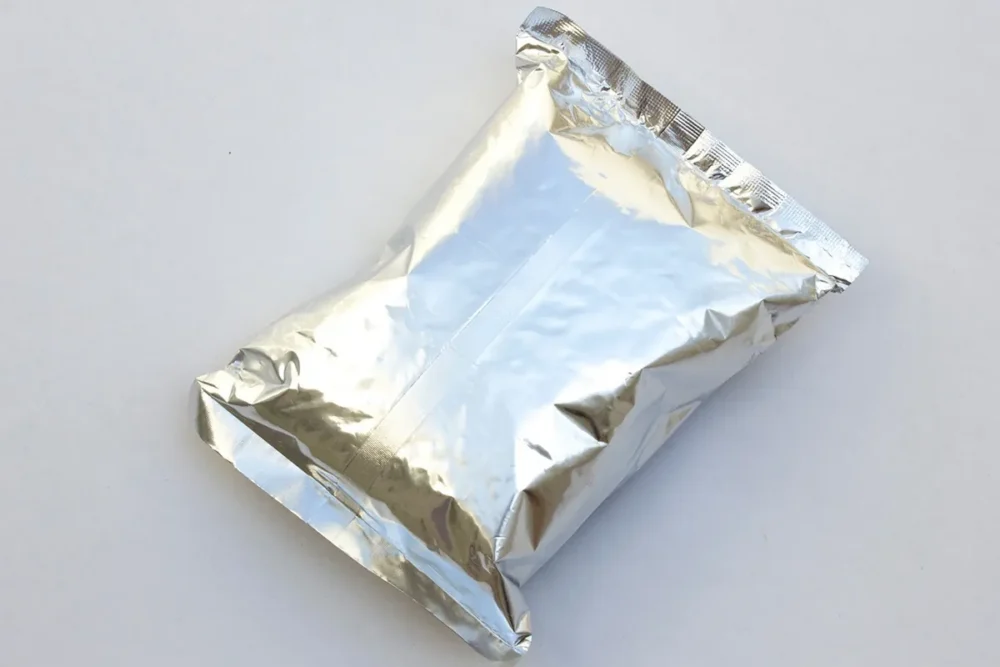
The research targets multilayer packaging such as snack bags and wrappers. Their layers are hard to separate at standard recycling facilities. Discarded material can end up in landfills and break down into microplastics.
The post Plasma treatment tackles moisture in bio-based films appeared first on World Bio Market Insights.