
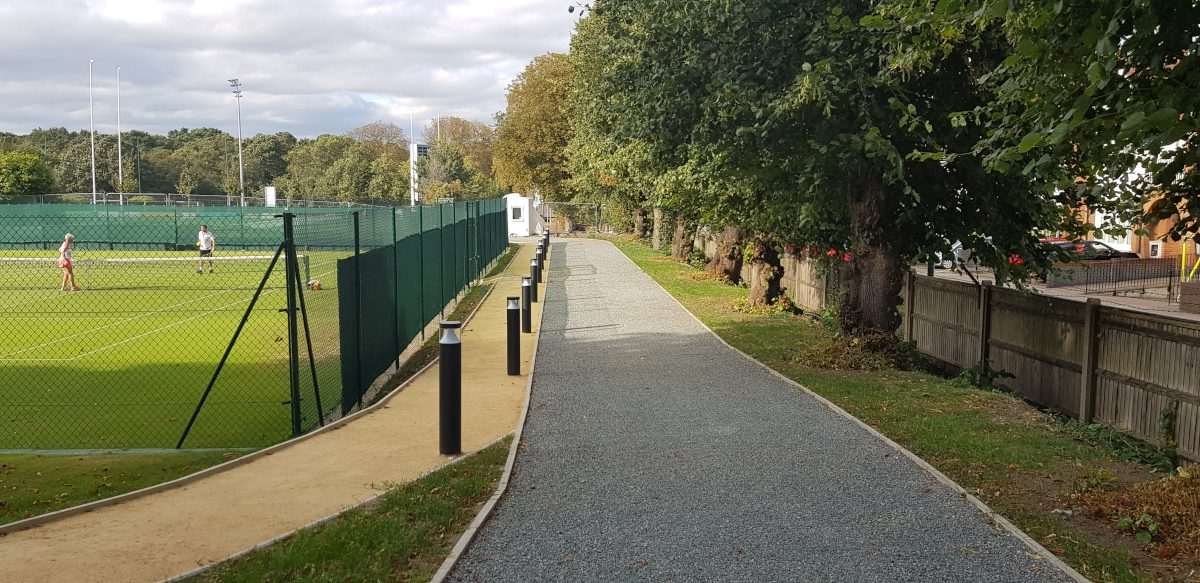
New guidance from Sport England explores how biodiversity enhancements can be incorporated into sports facilities without compromising their existing use or restricting future development.
Playing fields could offer opportunities for habitat creation, sustainable drainage and other environmental improvements, explain the authors, but poorly planned biodiversity measures risk restricting sporting activities and creating long-term maintenance problems.
Prepared with support from environmental consultancy LUC, the guidance examines how sports clubs, schools, local authorities and developers can meet Biodiversity Net Gain (BNG) requirements while protecting land for current and future sporting use.
Introduced under the Environment Act 2021, mandatory BNG requires most qualifying developments in England to deliver at least a 10% increase in biodiversity value. This can be achieved through habitat creation or enhancement, either on the development site or, where necessary, elsewhere.
For sports facilities, however, measures intended to improve biodiversity can conflict with the need to maintain pitches, accommodate different sports and allow facilities to expand or change over time.
The guidance warns that planting trees or establishing wildflower meadows in unsuitable locations can reduce usable playing space, interfere with drainage and create safety hazards. Trees planted near artificial pitches, for example, may introduce problems with falling leaves, encroaching roots and shading.
Another concern is the long-term commitment associated with BNG. Habitat enhancements secured under the statutory framework generally need to be maintained for at least 30 years, potentially preventing land from being repurposed for future sporting requirements.
Making use of marginal spaces
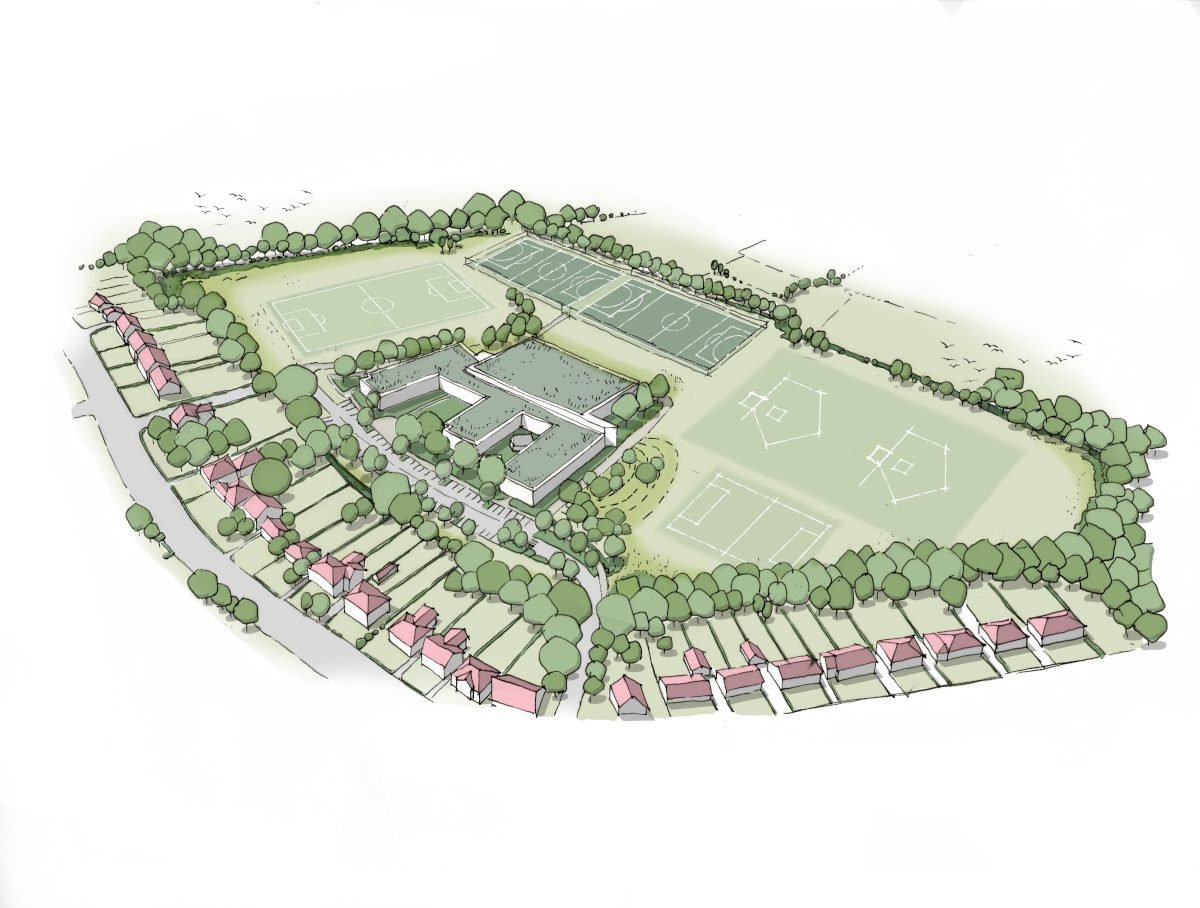
A central recommendation is to prioritise areas unlikely to be required for pitches or other sporting activities. These include site boundaries, entrances, car parks, steep slopes and irregularly shaped areas unsuitable for recreation.
Such spaces can accommodate native trees, hedgerows, wildflower habitats and other ecological features while preserving the flexibility of the main playing areas.
The guidance also identifies opportunities to incorporate green roofs and walls into sports buildings, where structurally appropriate.
Sustainable Drainage Systems (SuDS) are also relevant, particularly where biodiversity measures can be combined with improvements to the management of surface water.
Swales, bioretention areas, permeable surfaces and rain gardens can help manage runoff, reduce flood risks and support wildlife. For natural-turf pitches, drainage improvements may also help maintain playing conditions, provided systems are designed around the requirements of the sporting surface.
These interventions could offer wider environmental benefits, including improved water quality, reduced surface-water flooding and increased ecological resilience.
Planning for long-term maintenance
The document stresses that biodiversity measures should be considered from the earliest stages of site design, rather than added after the layout of pitches and other facilities has been decided.
It also recommends assessing the maintenance requirements of different habitats. Wildflower meadows, for example, need appropriate cutting regimes and protection from excessive trampling, while rain gardens require inspections and vegetation management to maintain drainage performance.
Where sufficient biodiversity improvements cannot be delivered on-site, the guidance examines options for off-site habitat creation and enhancement, including habitat banks and statutory biodiversity credits.
Jacqueline Whitworth-Allan, Associate Director of Landscape Architecture at LUC, said: “Playing fields are not static spaces. Pitches may need to be rotated, repositioned or expanded over time, while safety, drainage and maintenance all need to be considered. A biodiversity intervention that looks positive today can create problems in future if those requirements are not factored in.”
She added that considering BNG early offers an opportunity for nature and sport to work alongside one another rather than compete for space.
The guidance, which is advisory, includes practical design principles, maintenance recommendations and a step-by-step process covering site assessment, planning, legal agreements and monitoring.
Sport England has also published case studies illustrating BNG delivery at sports and school sites, including Clee Hill Rugby Club in Shropshire and Four Oaks Primary School in Birmingham.
The full Biodiversity Net Gain guidance is available from Sport England here.


