As Ontario Nature looks ahead to the next five years and approaches its centennial anniversary, we wanted to ensure that our future direction reflects the voices and perspectives of the people who make our organization what it is today.
To help guide this process, Ontario Nature worked with The Community Company to develop a strategic plan informed by more than 650 people. This included representatives from First Nations, our board of directors and staff, members, funders, Nature Network groups, Youth Council members, supporters and partners from across the environmental sector.
Through surveys and interviews with Ontario Nature members, supporters and Nature Network groups, we gained invaluable insight into the priorities, perspectives, and aspirations that will help shape the organization’s next chapter.
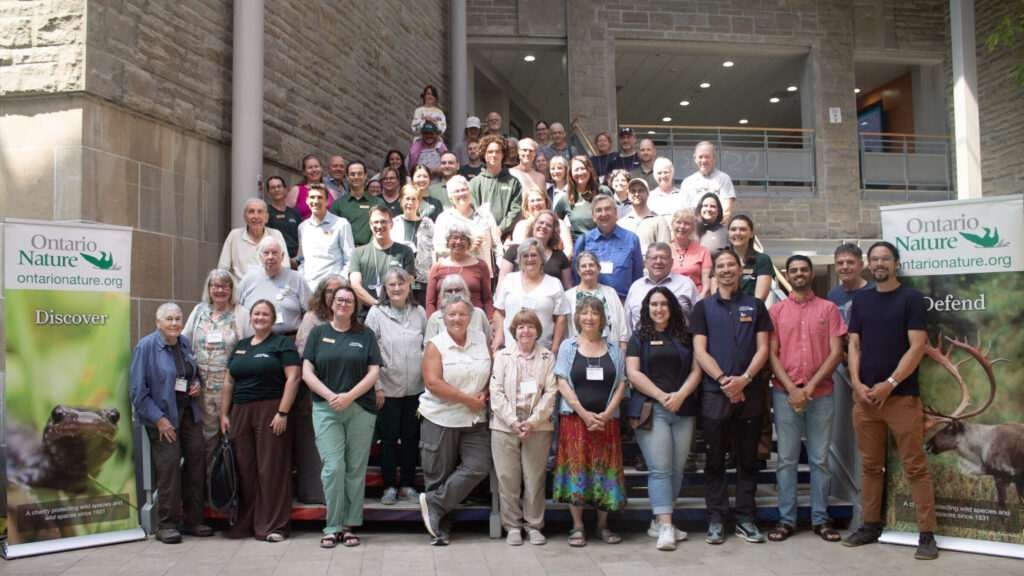
Our Engagement Process:
We were inspired by the overwhelming response to our engagement process and deeply appreciate the diverse voices that generously shared their time and insights! Our process included:
- Members, Supporters, Nature Network Groups Survey: 601 respondents shared their local perspectives
- Interviews: 37 in-depth conversations were had with partners, funders, staff, board, and ENGOs across Ontario
- Internal Collaboration: 28 combined responses were gathered from staff and our Youth Council through surveys
- Strategic Sessions: Two in-person Strategic Planning Retreat Sessions were held with staff and leadership
The Challenges We Face Together
We recognize that the challenges we face in our work are not ours alone. They are shared by many and overcoming them requires collective effort as we plan for the future. When we asked about the most pressing environmental challenges in your local area, we heard:
- Environmental degradation, climate change, and habitat and biodiversity decline: These changes have been seen particularly from urban sprawl, over-development, and pollution.
- The political climate: Navigating hostility and policy rollbacks while facing competing priorities and issues at all levels of government, such as affordability, housing, healthcare, tariffs, and global events.
- Public apathy: There is a pressing need to create more opportunities for people to connect with nature to foster care and responsibility for the environment. Eco-anxiety and public apathy have led to inaction and have been exacerbated by ambivalence from traditional media about the importance of environmental degradation.
- Volunteer and supporter engagement: Demographic shifts and a changing landscape in how people interact with and support Nature Network groups and Ontario Nature impact the ways in which we operate and create impact.
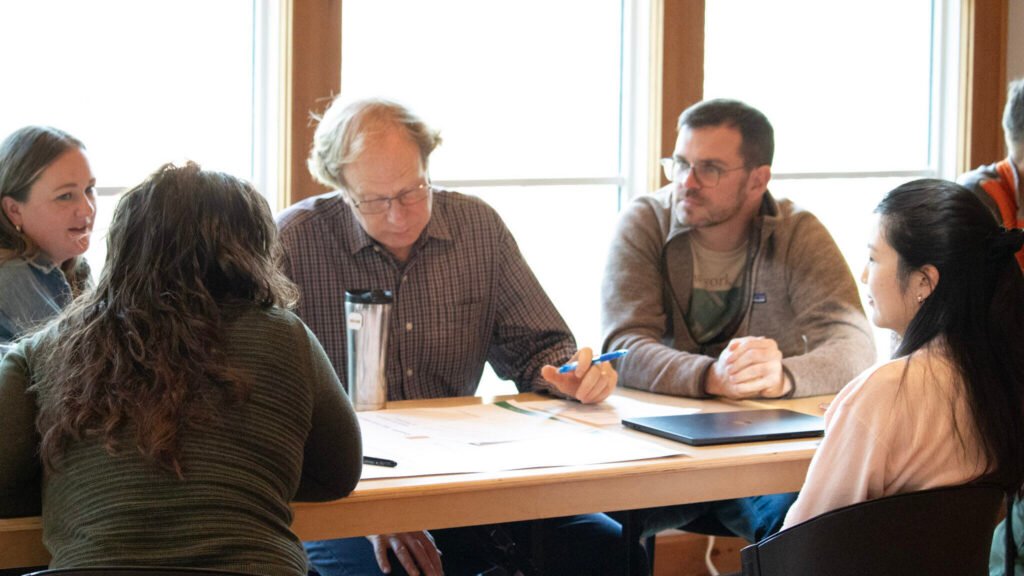
You also shared valuable insights on how Ontario Nature can strengthen its impact and advance our work by:
- Expanding our presence and initiatives in northern communities
- Fostering deeper, reciprocal relationships with Indigenous partners and racialized communities
- Continuing to diversify funding streams to ensure the stability and sustainability of our work
- Strengthening support for empowering and connecting Nature Network groups
What You Value Most
We asked our members what you value most about Ontario Nature, to ensure we can continue and build upon these strengths over the next five years and beyond. You shared:
- Ontario Nature is a full-cycle conservation organization that is credible and longstanding: Respondents valued Ontario Nature’s trust, longevity, provincewide presence and holistic approach to conservation.
- Advocacy and policy influence, and being a non-partisan voice: Members value trusted policy resources, accessible explanations of environmental issues and clear ways to take action.
- Nature Network: Seen as a key differentiator, connecting local groups and pairing on-the-ground expertise with provincial advocacy.
- Nature reserves: Provide permanent protection for species and habitats while supporting education, research, access to nature and community events.
- Trusted source for information and ways to make a difference: Ontario Nature’s expertise, research and inclusion of Indigenous ways of knowing help people learn, take action and connect with nature in their communities.
- Magazine and publications: Highly valued for their role in education, brand identity and providing credible information that may not be readily available elsewhere.

“The ability to increase awareness for environmental issues through policy advocacy and our ability to protect nature with our protected areas and to provide opportunities for people to get involved in being stewards of those areas.”
Your Top Priorities
We asked you to share what you believed Ontario Nature should focus on prioritizing in our work over the next five years. Here’s a summary of the key priorities identified:
- Expanding nature reserves and advocating for new protected areas: Expand and diversify Ontario Nature’s nature reserves while strengthening partnerships and stewardship with Indigenous communities. Continue advocating for protected areas beyond Ontario Nature’s own reserve network.
- Raising public awareness about Ontario Nature’s work and environmental issues: Counter misinformation, climate anxiety and public apathy by raising awareness of Ontario Nature’s work through hopeful, solution-focused and action-oriented communications.
- Government relations and policy advocacy: Prioritize advocacy and political engagement through grassroots initiatives, municipal action and collaboration with like-minded organizations.
- Partnerships and collaboration: Build meaningful, reciprocal relationships with Indigenous peoples, communities and organizations, while fostering cross-sector partnerships to advance shared conservation goals.
- Youth and next generation engagement: Engage and empower young people as future conservation leaders, while creating more opportunities for youth leadership and advocacy.
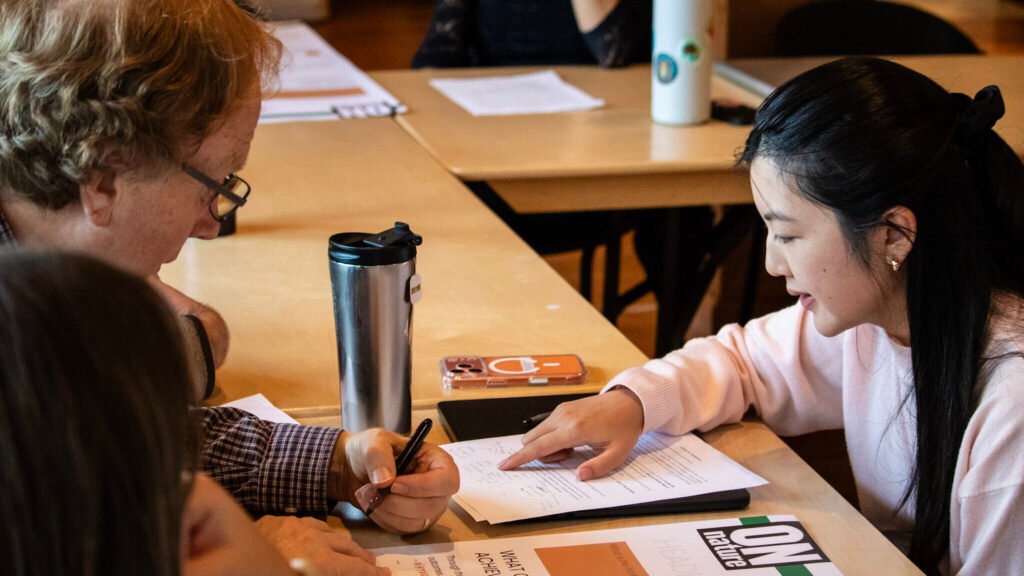
“I think we need to protect as much land as possible from development but I also feel we can’t stop pushing back against government dismantling of environmental protections.”
“I believe further work to build capacity in local and provincial youth networks and communities on the importance of habitat and species protection and conservation would be extremely beneficial, building on the work Ontario Nature has already done in this area, particularly through publications and outreach campaigns.”
Your feedback has helped shape a hopeful, solution-focused strategic plan grounded in community priorities, grassroots advocacy and conservation.
We’re excited to put this plan into action and work together to protect wild species and wild spaces across Ontario.
Thank you to everyone who shared their perspectives and continues to support Ontario Nature.
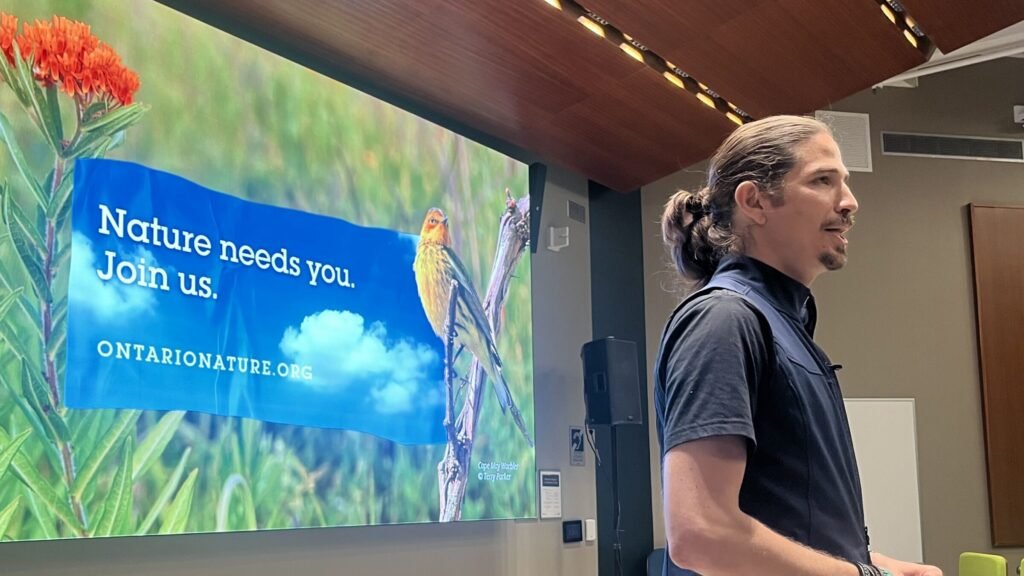
You can read the strategic plan report, or watch a video our Executive Director presenting it.