
Minor Abarca estimates his dairy farm will last another 10 years.
Abarca’s small-scale dairy nestles in the hills near San Isidro in southwestern Costa Rica. His home overlooks the dairy farm and tall, lush green pastures.
Costa Rica’s dairy farms are, on average, smaller than Canadian ones. Costa Rica’s major dairy co-operative, Dos Pinos, said its members average 50 cows.
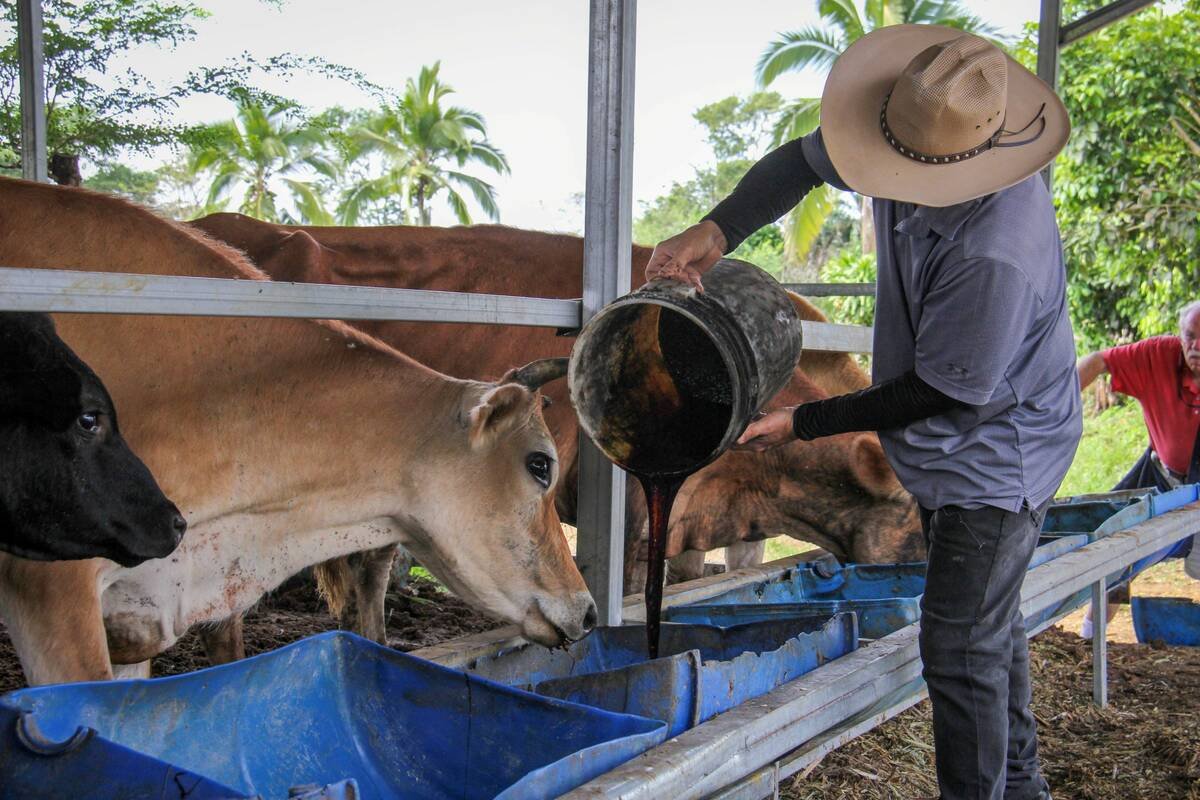
Abarca’s farm is small. Speaking through a translator, he told journalists he raises between 20 and 30 cattle, including heifers and calves and produces around 300 litres of milk per day.
He began raising cows about 15 years ago after the bottom fell out of coffee prices, forcing him to make a change.
Abarca maximizes income by processing fresh white cheese on-site daily. It is delivered to 30 local supermarkets and restaurants every morning. He also sells some fresh milk.
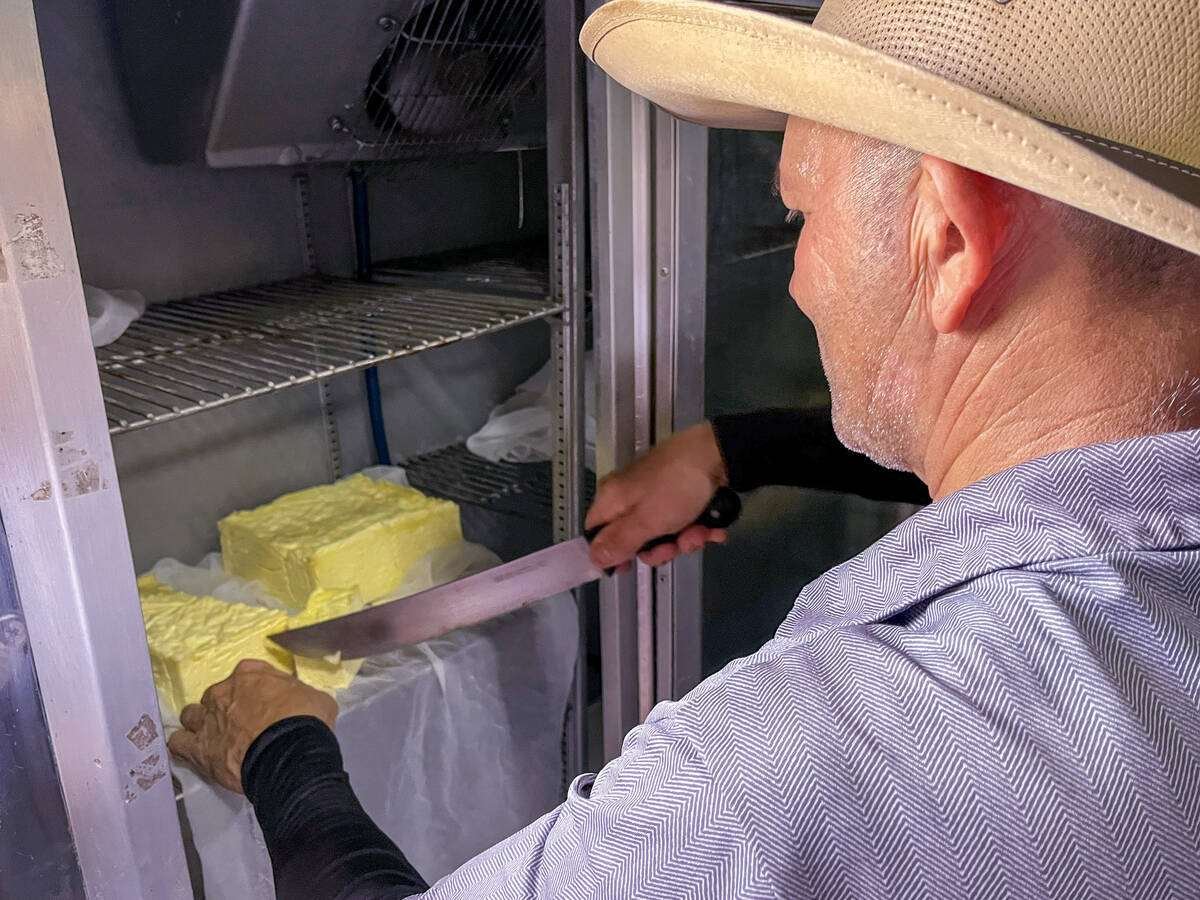
Selling milk and cheese allows Abarca to charge more. In April, Costa Rica’s national milk producers association recorded the price of milk between 320 and 344 colonés per kilogram, depending on fat percentage. That’s a few cents on either side of one Canadian dollar.
Abarca sells milk for 2,000 colonés for a three-litre bottle — nearly doubling its value. However, he sells the bulk as cheese. Journalists were told it takes about seven litres of milk to make one kg of cheese. The cheese sells for 4,400 colonés ($13.56 per kg).
Abarca also acts as a broker for other small dairies, collecting their cheese and selling it to stores and restaurants for a fee.
Future of farming
Abarca and his youngest son Moisés, 13, guide three Jersey cows into their outdoor milking parlour. Moisés sprays down the Jerseys’ udders and, after Abarca attaches the teat cups, the teenager throws a switch. A motor sputters to life, and milk begins to spill into three metal milk cans.
Asked through a translator if he’ll farm with his dad when he grows up, Moisés just smiles.
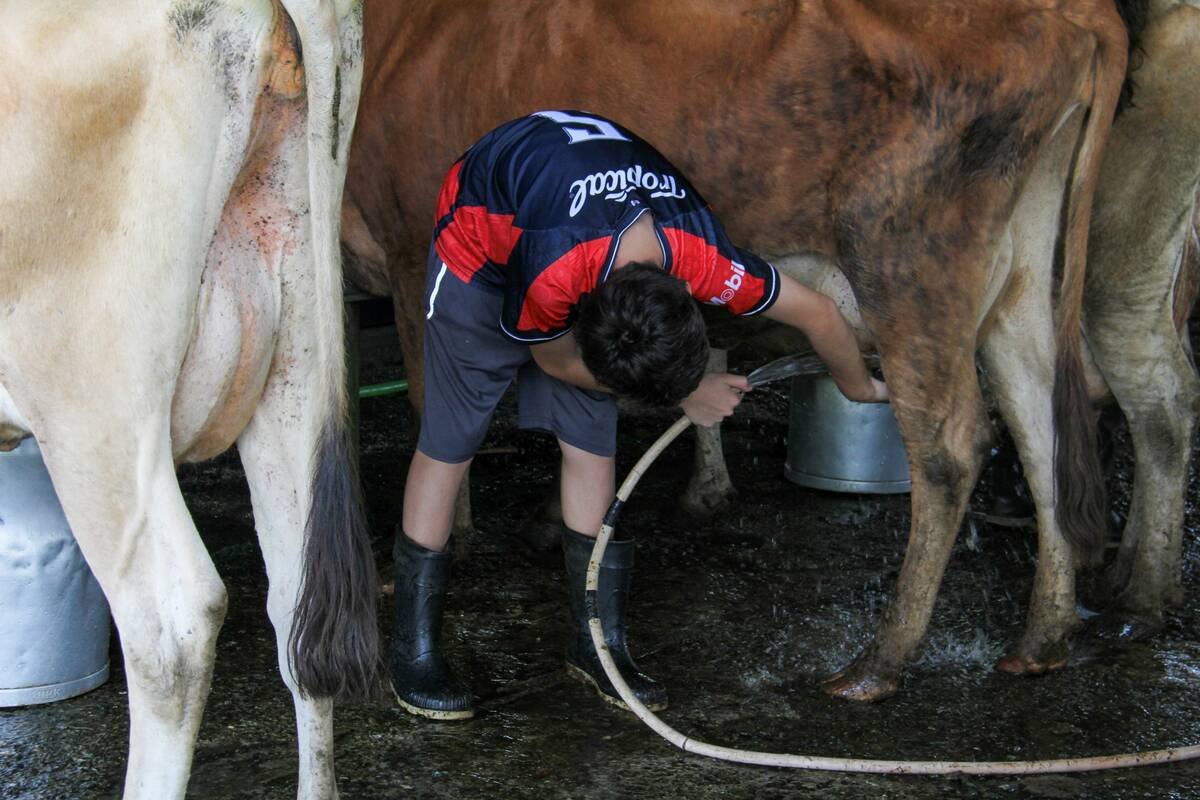
Abarca worked hard to build up his farm and business but understands why his youngest son doesn’t want to stay on the farm.
Moisés’ income prospects are much higher if he moves to the city.
The land around him belongs to his siblings and relatives. Abarca is the youngest of 12 kids. His father split his 100-hectare parcel between them — though the land base is down to 20 hectares now.
Two of them still actively farm the land, raising cattle, coffee and fruits like rambutan. Most siblings left the farm.
When Abarca was young, he didn’t want to further his education and chose not to go to high school.
As the youngest, he was expected to stay behind and farm with his dad, who died at 98 years old and farmed until it was too difficult to get around.
Abarca said he’d had a hard life and regretted not getting more schooling, so he made sure his kids got an education.
His four oldest went to university and left the farm to chase careers.
Labour patterns
Costa Rica’s agriculture sector struggles to fill jobs, at least in part because of life experiences like Abarca and his children.
A November 2025 article from San José-based Radio Columbia, citing Costa Rica’s agricultural planning department, said that only 37 per cent of people employed in rural areas are adolescents and young adults.
In the Spanish-translated article, an agriculture group representative called the decrease in agricultural workers an undeniable reality, saying young people don’t want to stay in the countryside. Farmers can’t pay competitive salaries, he added.
Migrant workers from Nicaragua fill some of the field labour gap, Esteban Schroeder Leiva, agribusiness co-ordinator with Procomer, Costa Rica’s trade and foreign investment agency, told journalists during a visit to the agency’s San José offices.
In terms of labour, Costa Rica benefits from Nicaragua’s political instability.
“But like anything which is not yours, you cannot depend on it forever,” Schroeder Leiva said. These migrant workers’ kids will likely want professional jobs.
Costa Rican crops like palm, coffee, pineapple and bananas are largely unmechanized.
Procomer is seeking investment in Costa Rica as an ag and food tech hub because many young people would prefer to do technical and professional work, Schroeder Leiva said.
It’s also looking to fund innovation programs that could invent pineapple planting machines, for example.
Future in tourism?
Costa Rica leans heavily on its tourism industry.
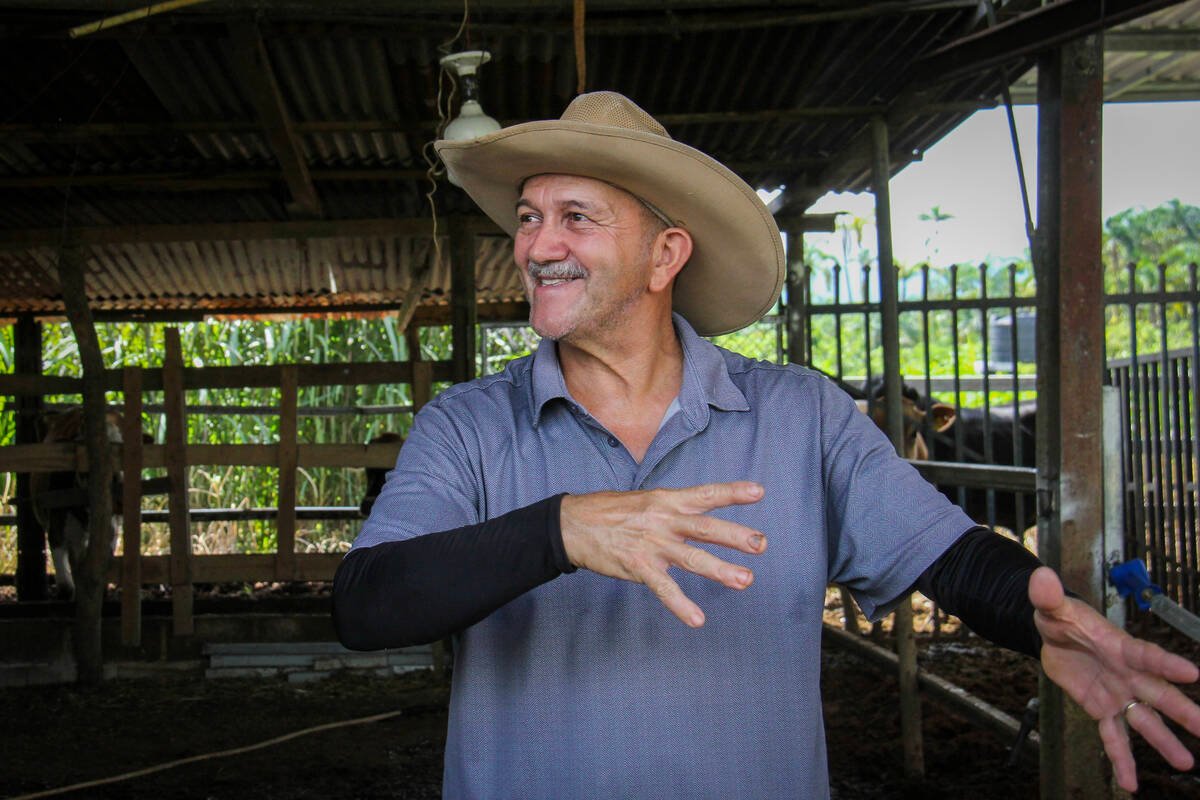
The journalists aren’t the first tour group paying to visit Abarca’s farm and with his kids not intending to farm, he’s hoping to branch further into tourism.
It wouldn’t be the first time Abarca’s had to pivot to keep the farm afloat.


