
Words by Lee Clark, with photography by Alejandra Orosco
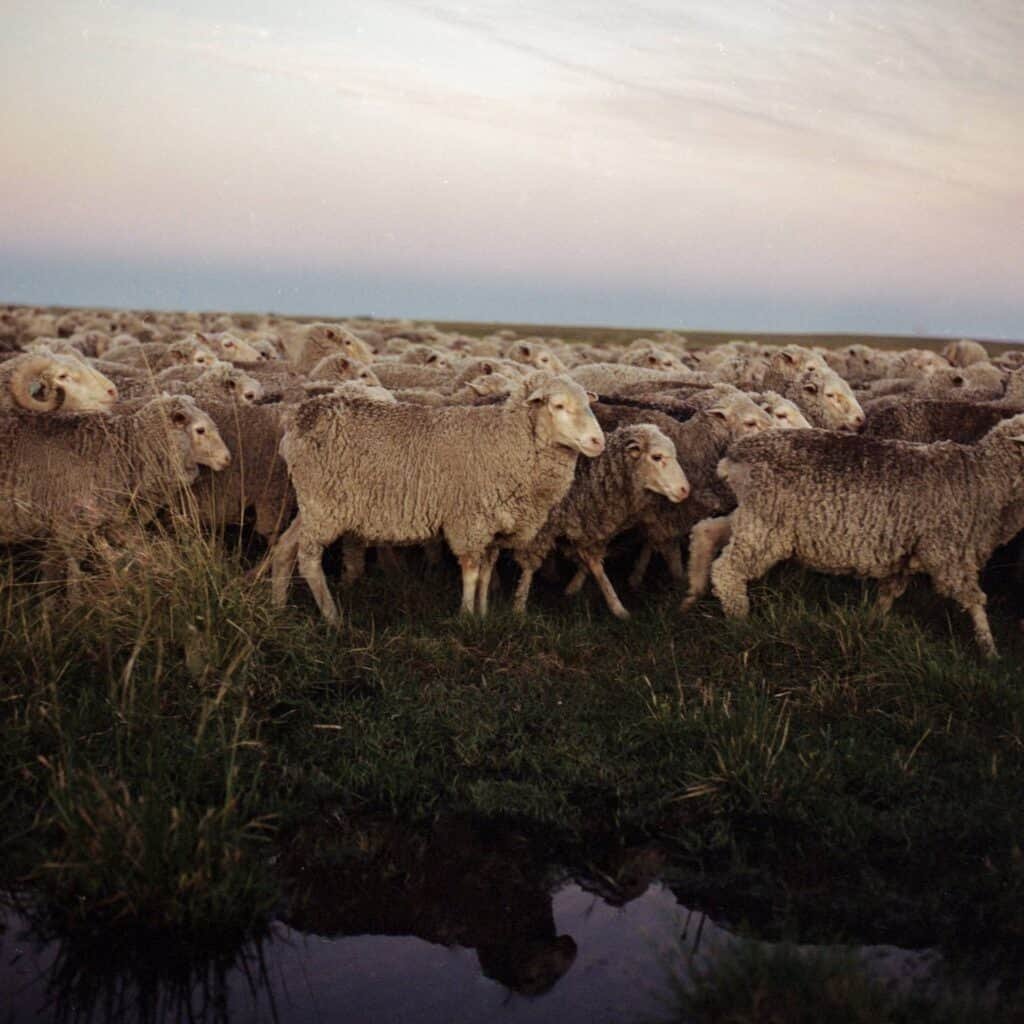
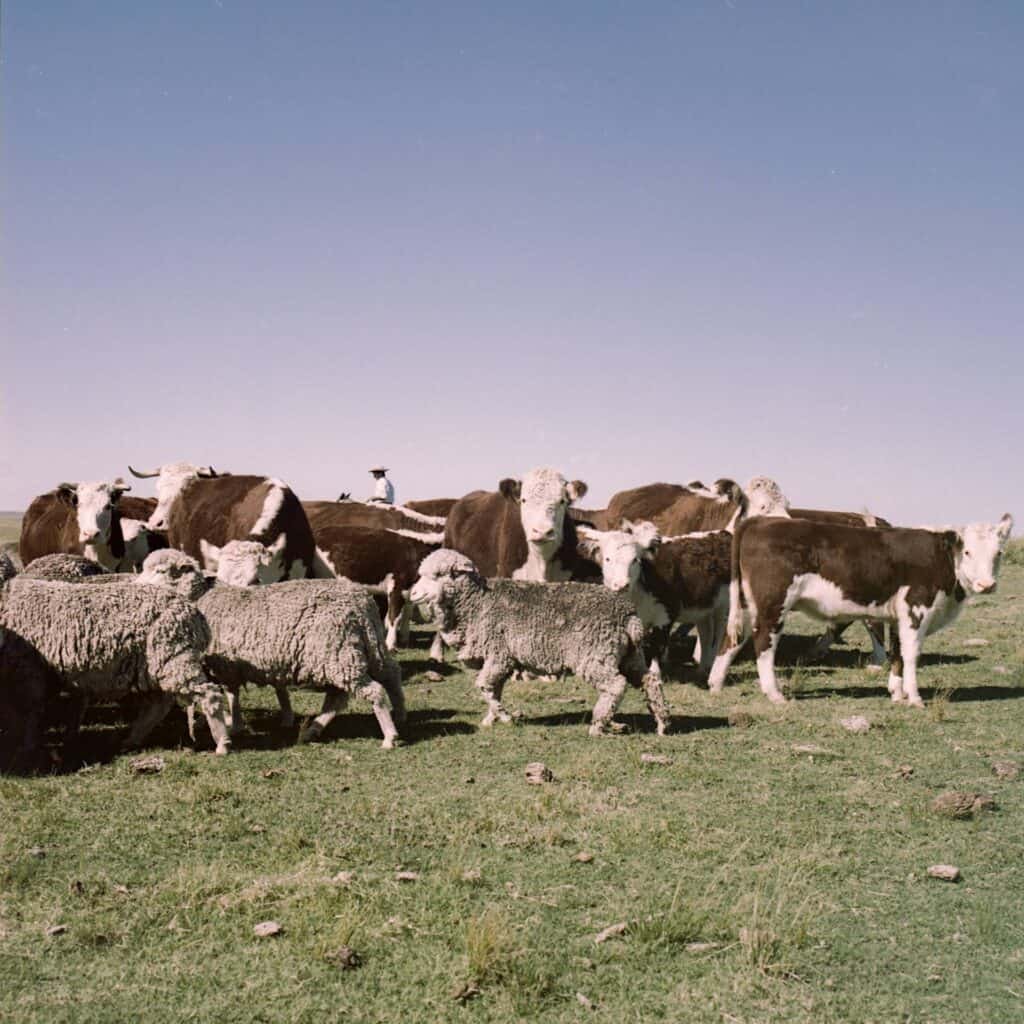
Under the vast cloudless skies of northern Uruguay, flocks of sheep roam across rolling pasture. But they’re not alone. This is gaucho country, where the highly skilled horsemen shadow the sheep as they have done for generations.
Such traditions are deeply embedded in daily life here. Yet farmers like Paula Morixe and Ana Azambuja Jones are also embracing new ways to demonstrate and strengthen their commitment to their land, animals, and workers like the gauchos who help manage their flocks. Both are certified to Textile Exchange’s Responsible Wool Standard and the introduction of the new Materials Matter Standard—which becomes effective on 31 December 2026—represents an opportunity to build on established practice and continue improving the way they farm.
“In a world without [certification], it was very difficult for someone at the other end of the chain to know where the wool came from or understand the work behind it,” explains Paula, who took over her family farm La Rosada, near Salto, northern Uruguay, in 2020. “It can bring consumers closer to a reality that they didn’t even imagine.”
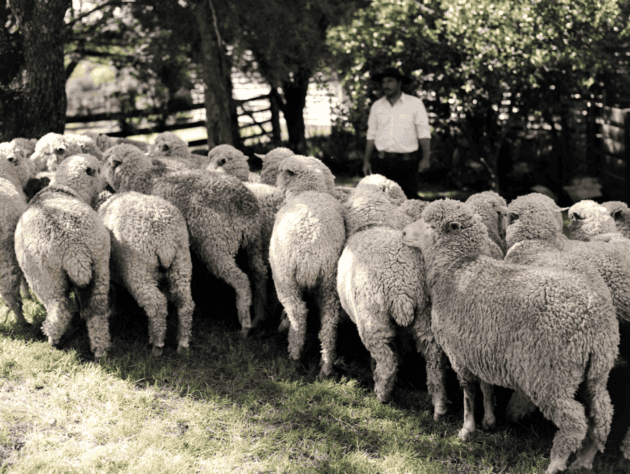
La Rosada has been in her family since the early 19th century. She remembers traveling there as a child, on long bumpy journeys from her home in Montevideo, Uruguay’s capital. But today she calls it home, overseeing 4,200 hectares of predominantly basaltic pasture, crisscrossed with small streams supporting around 4,000 Merino sheep and 2,000 cattle. Caimans lurk in the pools, while mulita (a small armadillo) and ñandú (a large flightless bird similar to an ostrich) are among the wildlife, which is a highlight of life on the farm for Paula.
“Farming gives me the opportunity to live in the countryside and everything that comes with that. The peace, the quiet, the landscape, being so close to nature,” she says. “If you are sensitive to the surroundings, nature can affect you in a very strong way. I would love more people in the world to be able to experience that effect. Because if you understand that, you understand the importance of looking after and taking care of the land and nature.”
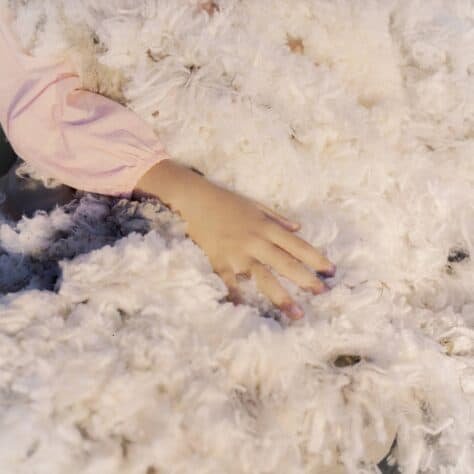
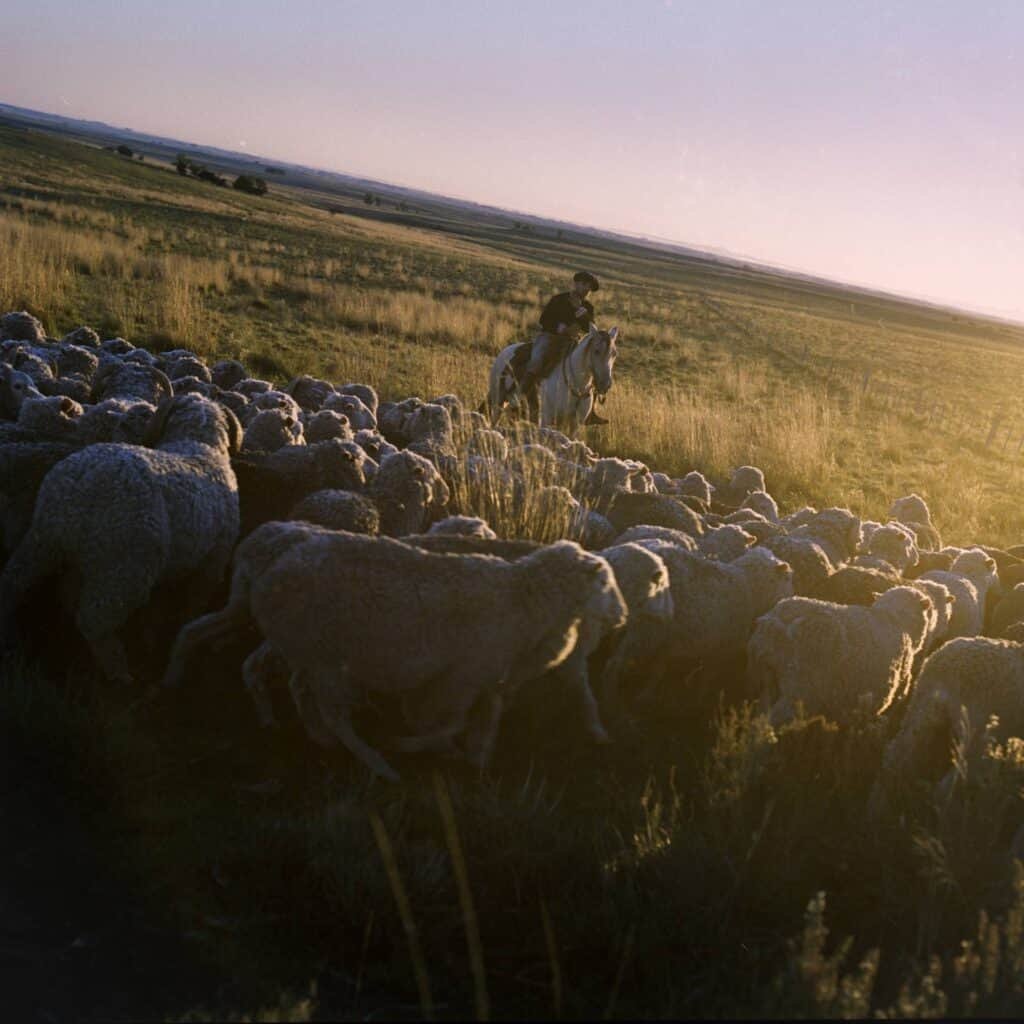
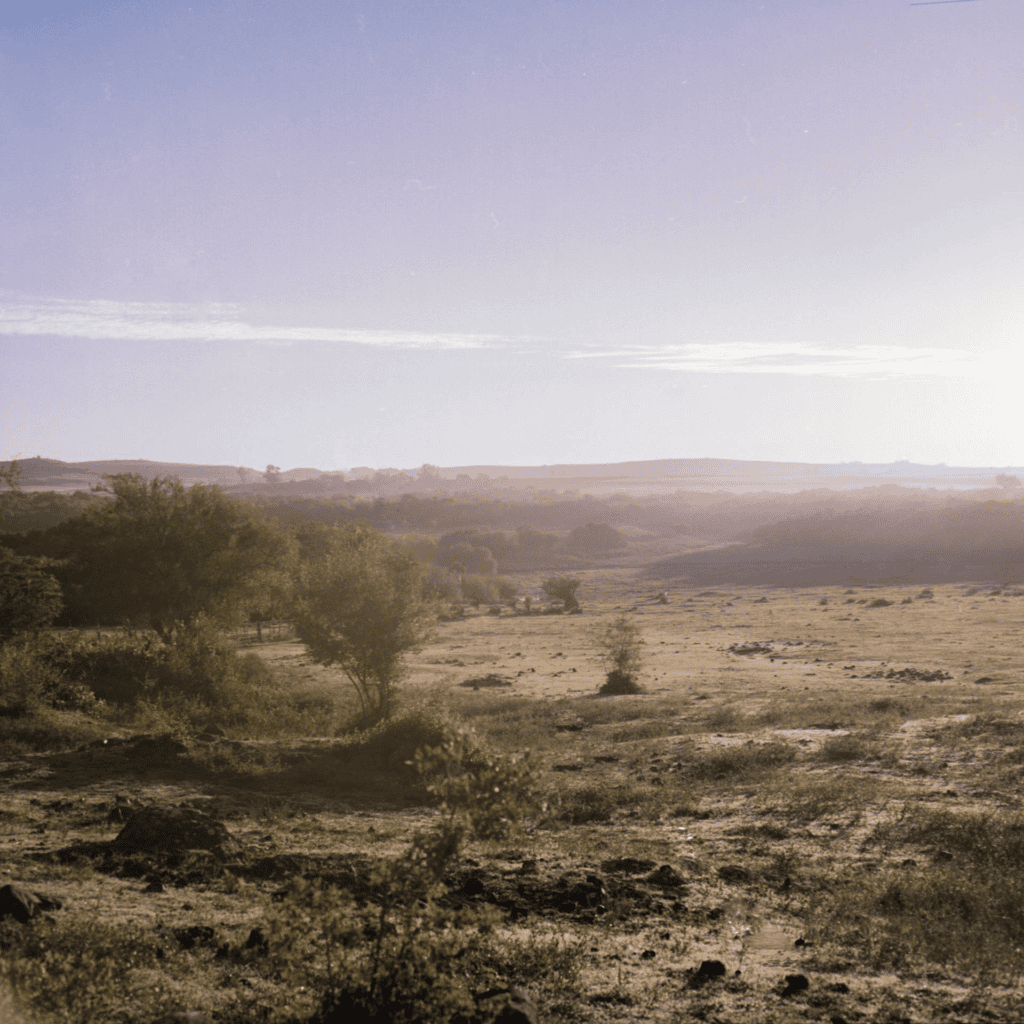
Paula’s farm was certified to Textile Exchange’s Responsible Wool Standard when she started running the farm in 2020, alongside her team and working with wool broker and exporter Lanas Trinidad. Initially, her interest in certification was economic, with the prospect of receiving a better price for certified wool. But she soon discovered certification also supported her love of nature and improving the environment.
Then there was the social side of wool production, with certification to the Responsible Wool Standard and programs, such as NATIVARegen , connecting Paula to a network of farmers, scientists, and specialists. This has enabled her to exchange ideas and improve the ways she manages her land, animals, and the other workers she employs. Access to this kind of knowledge had historically been a challenge for a woman working in a traditionally male-dominated industry.
“In my family at least, women, we were not encouraged to get into farming. So, when I started running the farm, I didn’t feel and I don’t feel even now that I have the appropriate preparation. So, it’s an everyday challenge. Learning every day.”
“That’s a reason why certification has brought so much value. I have access to farmers and scientists that are experts in specific areas like biodiversity, land management, and sheep health.”

The importance of caring for the land became particularly clear in 2023, when an extreme drought turned much of her land to bare soil, with grass and vegetation dying back.
To stay prepared for similar extreme weather events, Paula has taken steps to safeguard her water supplies for future periods of drought, She has also continued to plant eucalyptus and native trees, following a practice started by her grandfather, to provide livestock with shade.
Regenerative practices at La Rosada, have also been introduced to enhance soil health and support the surrounding ecosystem, improving the land’s resilience.
But for Paula, land management goes beyond protecting just the farm’s productivity, it helps protect the livelihoods that depend on healthy soil and ecosystems. “If the land is not healthy, it has a direct impact on our work and working conditions,” she says. “If we don’t look after it, it’s worse for everyone.”
A similar connection between caring for the land, livestock, and the livelihoods of the people who depend on them is shared by the Jones’ family at La Corona, a 1,480-hectare family farm that is also in the Salto area. Here, three generations—Ana Azambuja Jones, her mother Mirtha, and her son Juan—work together to care for their 2,200 sheep. Their flock grazes across extensive pastures, with sheep roaming over areas of up to 200 hectares to reduce overgrazing. Around lambing time, they are brought into smaller pens to protect them from predators, including foxes and caranchos (birds of prey), while retaining access to grass.
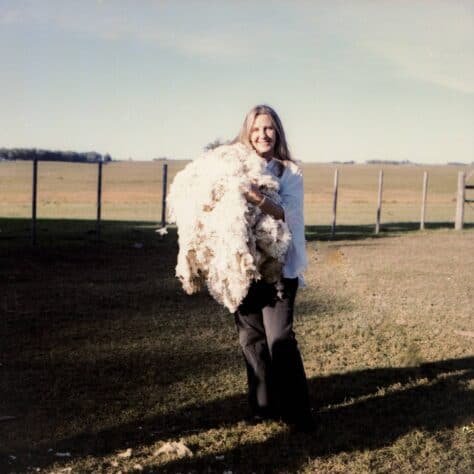
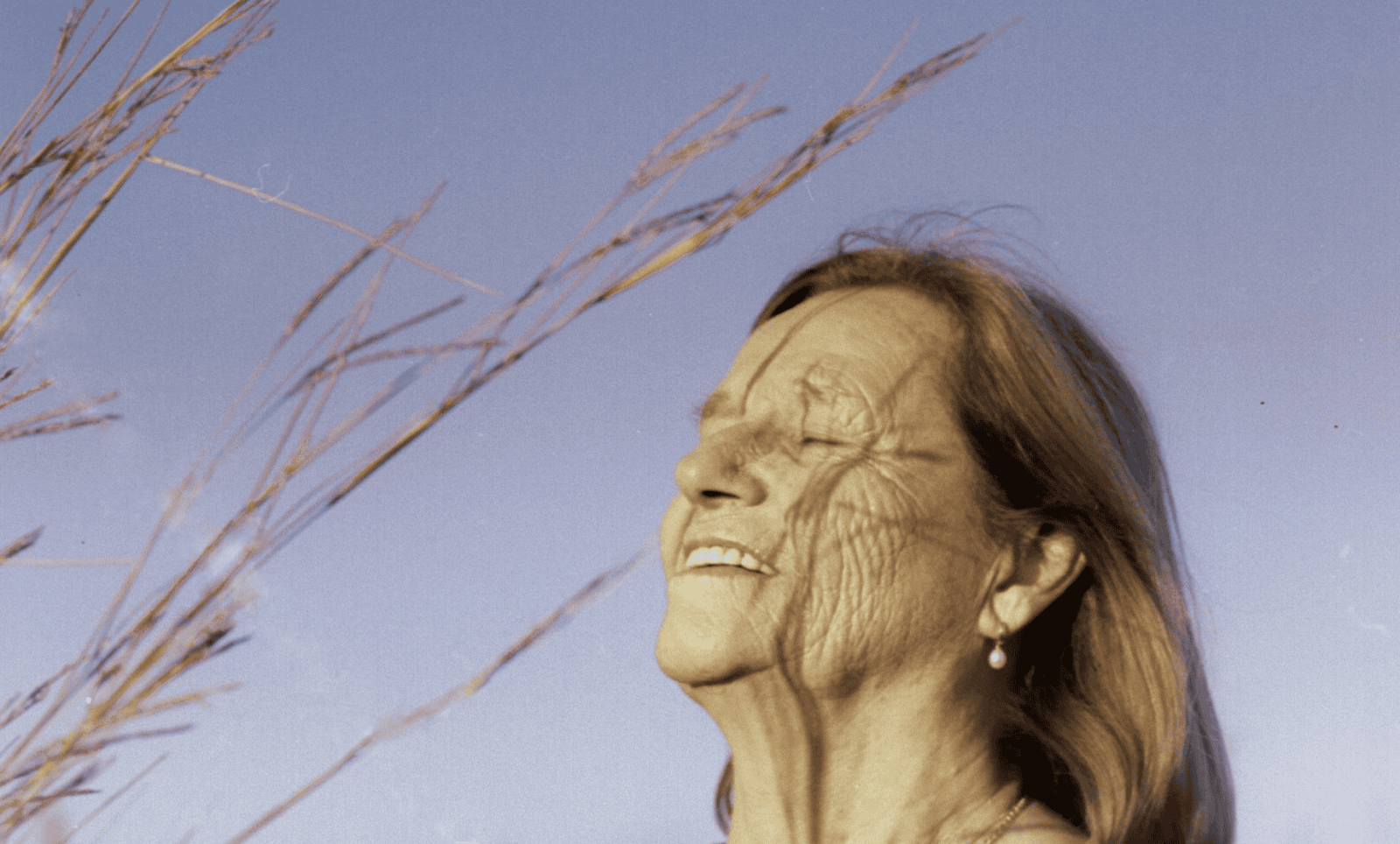
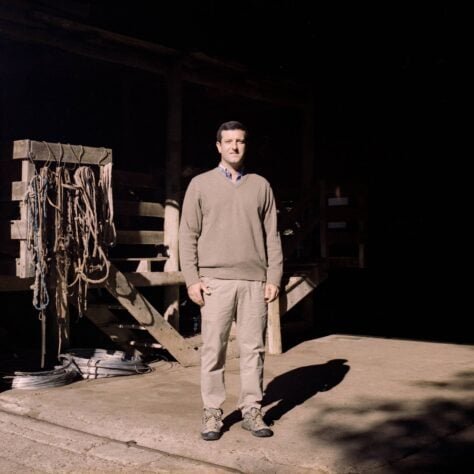
Certified to the Responsible Wool Standard since 2017, Ana’s family farm was among the earlier adopters in Uruguay. Certification has helped make animal welfare a shared responsibility on the farm, with workers learning and adopting better practices alongside the family. “They taught us how to change different things across the ranch,” she says. “The people who work with us had to learn about animal welfare practices and understand that it is very important.”
Training through certification has helped encourage greater awareness and understanding of practices that support animal welfare, demonstrating how small changes can deliver benefits for both people and animals. “It becomes clear that if you are gentle to animals, they don’t run away, it’s easier to look after them and takes less time,” Ana says.
Shearing is one example. An experienced shearer and a calm environment reduce the stress sheep can experience during shearing. On Ana’s farm, as on many others in Uruguay, pre-lambing shearing with a cover comb leaves more wool on the sheep to provide extra protection against the cold during the final weeks of winter.
Training and knowledge sharing are key parts of successfully integrating new practices, with organizations like the Instituto Plan Agropecuario providing courses and advice from veterinarians and agronomists. Farm group managers also provide training on how to best meet Responsible Wool Standard requirements. For Juan, Ana’s son, these lessons extend beyond individual farms. “When workers go to other farms, they continue with that way of working, and that’s a very good thing for others,” he says.
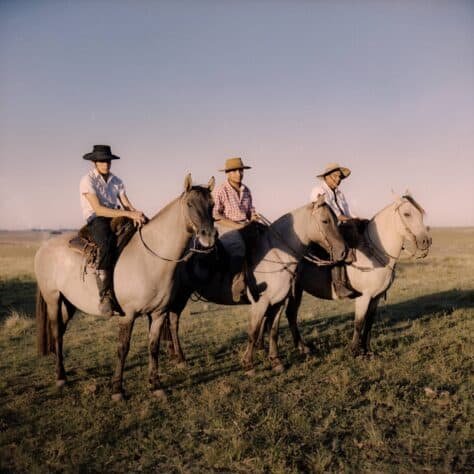
This sharing of knowledge is particularly important in a farming community where relationships often stretch back generations. On the Jones’ farm, many gaucho families have worked alongside their family since the time of Ana’s grandfather. Gauchos remain a distinctive part of Uruguay’s heritage, known for their horsemanship, knowledge of the land, and their traditional dress, including loose-fitting trousers called bombachas de campo, and ponchos. “They are very proud to be gauchos,” Ana says. “They are passionate about their way of life and their horses.”
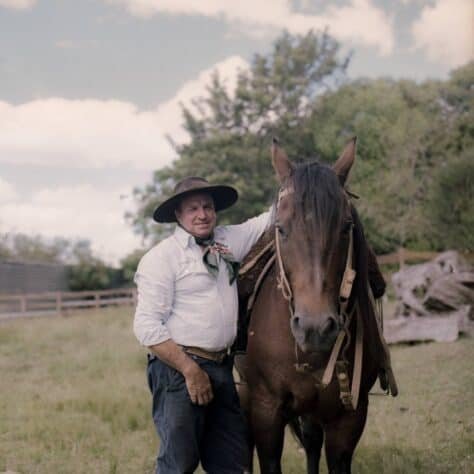
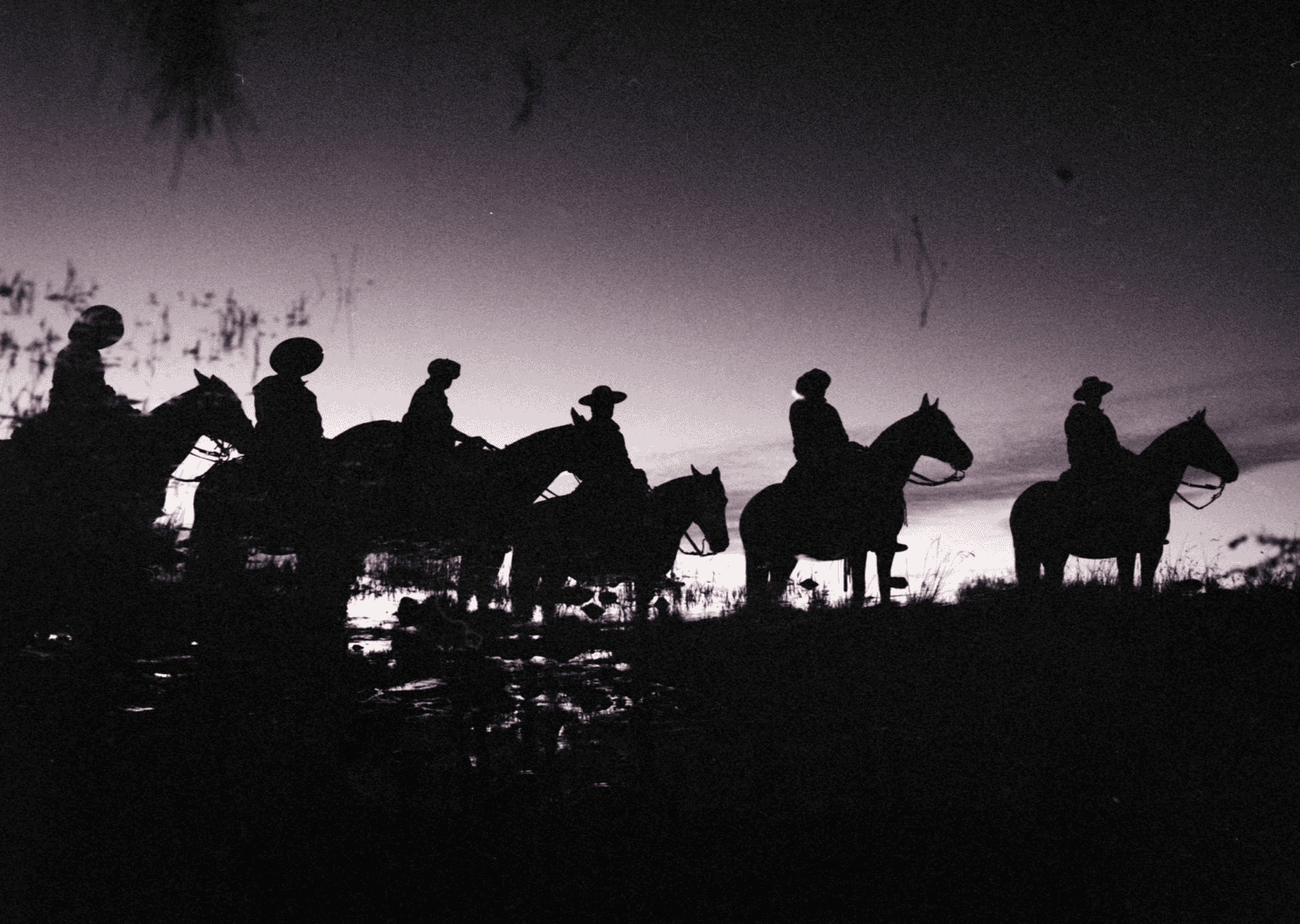
For the family, maintaining strong relationships with all of their employees is vital. They work hard to ensure their team feels valued, comfortable, and involved in decision-making. “We are close to them, we spend a lot of time with them,” says Ana. “If they feel their work is important and they do it well, we get the best results and that is satisfying for everyone.”
Paula shares this sentiment. Although Uruguay has strong legislation governing working conditions, she believes certification helps embed workers’ well-being into everyday farm management. It has also encouraged her to address improvements that might otherwise have been delayed, including upgrading workers’ accommodation.
“First of all, I think it’s a question of principles and humanity. We have to take care of the people. The farm depends on the people who work here, so their well-being has to be important. And a certification helps. It helps us make the well-being of our workers a part of the standard way of working.”
For farms far from towns and medical services, ensuring the practical safety of employees is particularly important. Hugo Surraco, Farm Group Certification Manager at Lanas Trinidad, highlighted this in his stakeholder feedback on the criteria for the new Materials Matter Standard, recommending that first-aid training be included. He sees its inclusion as a valuable addition, equipping workers to respond to accidents when medical assistance may not be immediately available.
This is just one of the ways Hugo believes that the Materials Matter Standard will build on the “culture of continuous improvement” that its predecessor, the Responsible Wool Standard, began.
“I am truly convinced that [Materials Matter] is going to be a better option for farmers,” he says. “I’ve seen a lot of improvements through the Responsible Wool Standard, and a lot of things are being done in a better way. I think Materials Matter will further improve what we are doing already.”
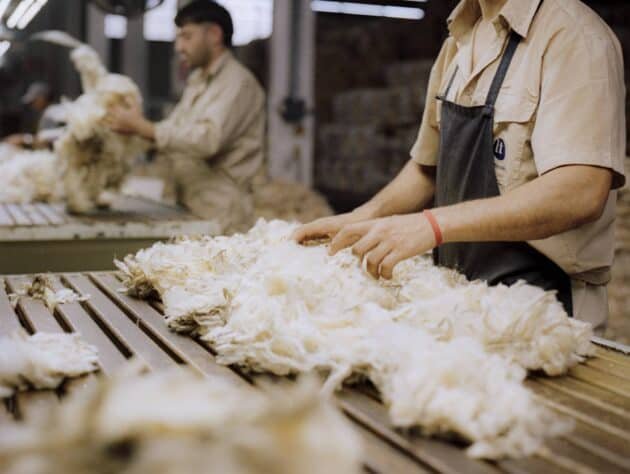
Hugo is now actively helping farmers like Ana, Juan, and Paula prepare for certification to the new standard. He believes many are already in a strong position because of Uruguay’s national legislation, as well as certification to other standards. Ana agrees, saying: “We are working in a way that is very close to what we want. We are now just fixing some of the smaller details.”
Looking forward, Paula, believes certification has a powerful role to play on her farm and beyond. She sees it as a way of embedding decisions on preferred ways of farming into everyday farm management, helping to protect the landscapes, wildlife, animals, and people she cares so much about.
“I think every requirement in the certification helps us become more aware of the practices that should be part of the industry. I hope that over time certification helps make these practices a natural way, a natural part of the work we do.”
Find out more about the Materials Matter Standard
The post How preparing for Materials Matter certification in Uruguay is turning good practice into a culture of continuous improvement appeared first on Textile Exchange.


