
Spotlighting CO₂ Mineralized Concrete in Airport Infrastructure
A runway must be designed and built for a 300+ tonne aircraft landing at 150 miles an hour and perform for decades without failure. In 2022, the Federal Aviation Administration (FAA) approved CarbonCure concrete for exactly that use.
Airports are not a place where anyone experiments. Every mix design gets meticulously reviewed, every pour gets carefully inspected, and the tolerance for failure is zero. That is part of why the approval of CarbonCure concrete at Indianapolis International Airport (IND) mattered, and why contractors on other major airport projects have since chosen to use CarbonCure as well.
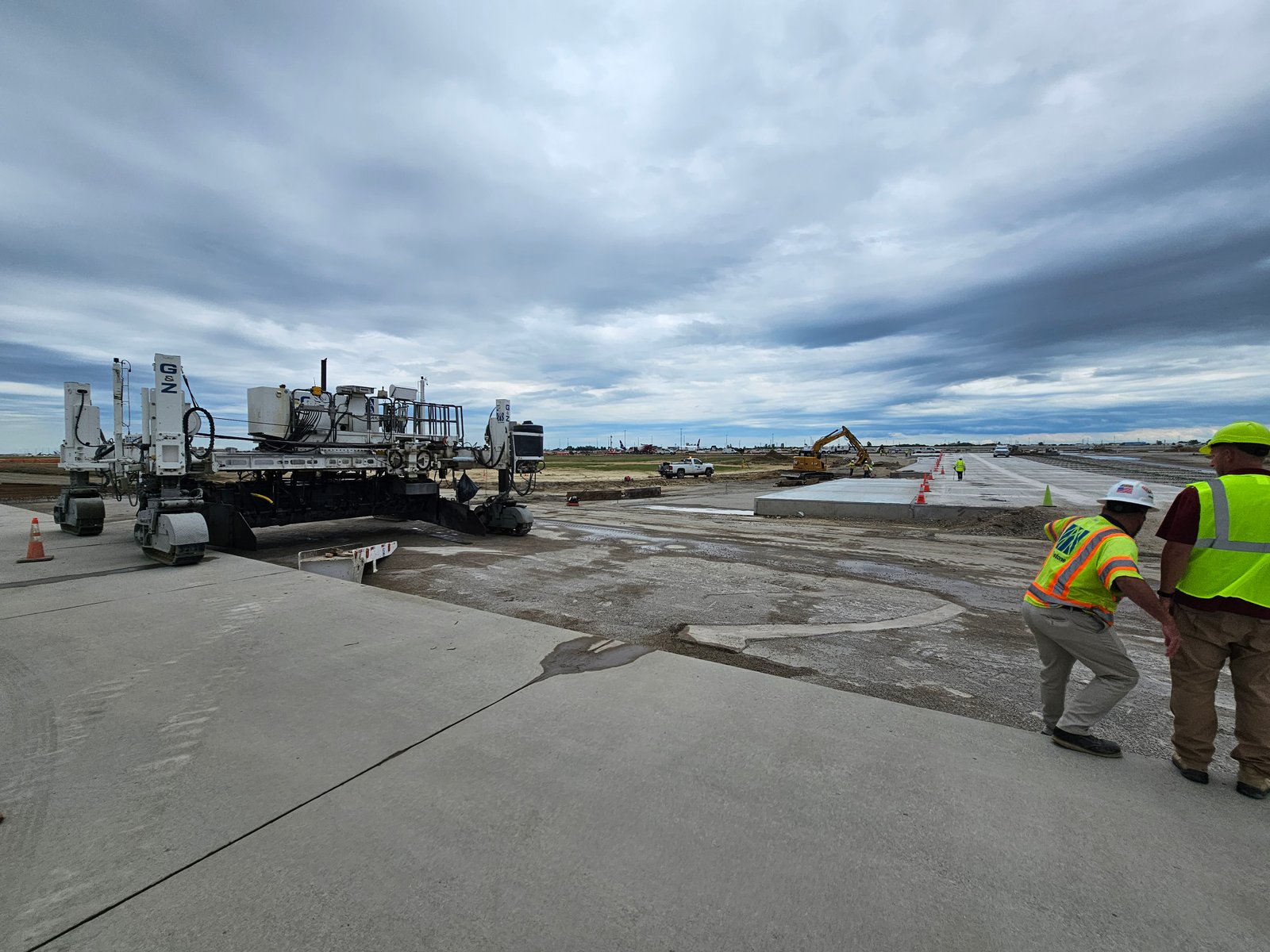
IND put this to the test directly. As part of a $190 million runway and taxiway reconstruction, CarbonCure concrete was used in the pavement, marking the first FAA-approved use of carbon mineralization technology on an airfield. The project also earned Envision Platinum certification, one of the highest bars for infrastructure sustainability review. It wasn’t approved because it was a good idea on paper, it was approved because the concrete performed to spec.
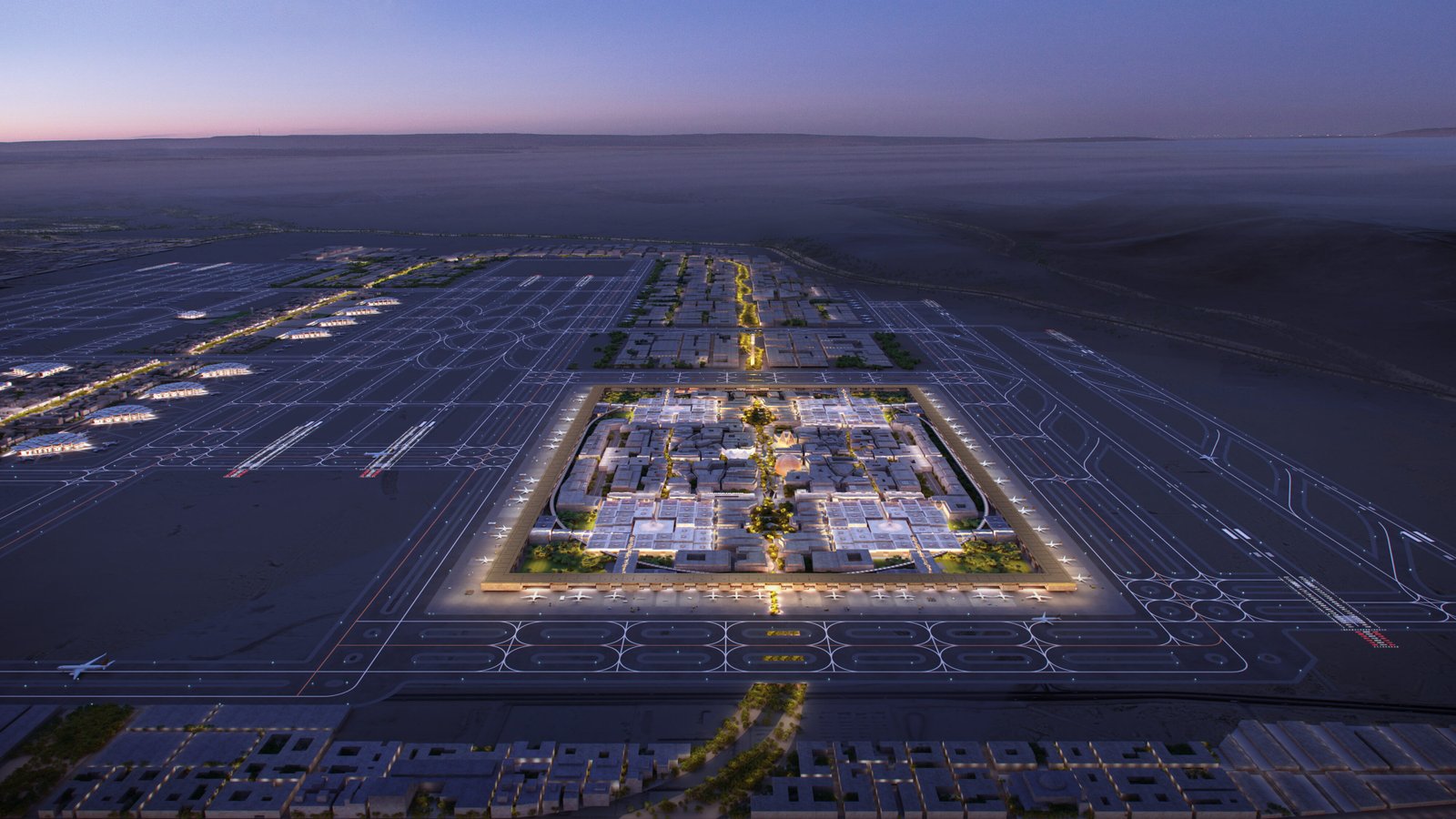
That same standard is now being applied at scale. Construction is underway on the Third Runway at King Salman International Airport in Riyadh, where CarbonCure is being used by Almabani General Contractors and FCC Construcción as part of the airport’s expansion – another high-oversight, heavy-use project where the concrete product must hold up.
CarbonCure’s technologies now operate in hundreds of ready mix and precast concrete plants across two dozen countries. Most of this carbon mineralized concrete produced is used in everyday commercial and residential construction, with a growing segment of infrastructure projects. Runways represent a small share of that volume, but they are among the most closely reviewed applications. Use in this unique project type is one indicator of the quality and consistency of mineralized concrete.
Airfield approvals rely on evidence, not promises. Peer-reviewed research from MIT and CarbonCure observed CO₂ mineralization at the molecular level and found that it produces a denser, more interconnected concrete microstructure. According to Vishnu Chaudhari, Senior Research Engineer at CarbonCure, independent validation from MIT “provides additional confidence for customers and stakeholders who rely on peer-reviewed science.”
Read the full Q&A | Download the MIT study
In addition to Indianapolis and Riyad, CarbonCure concrete has also been used at:
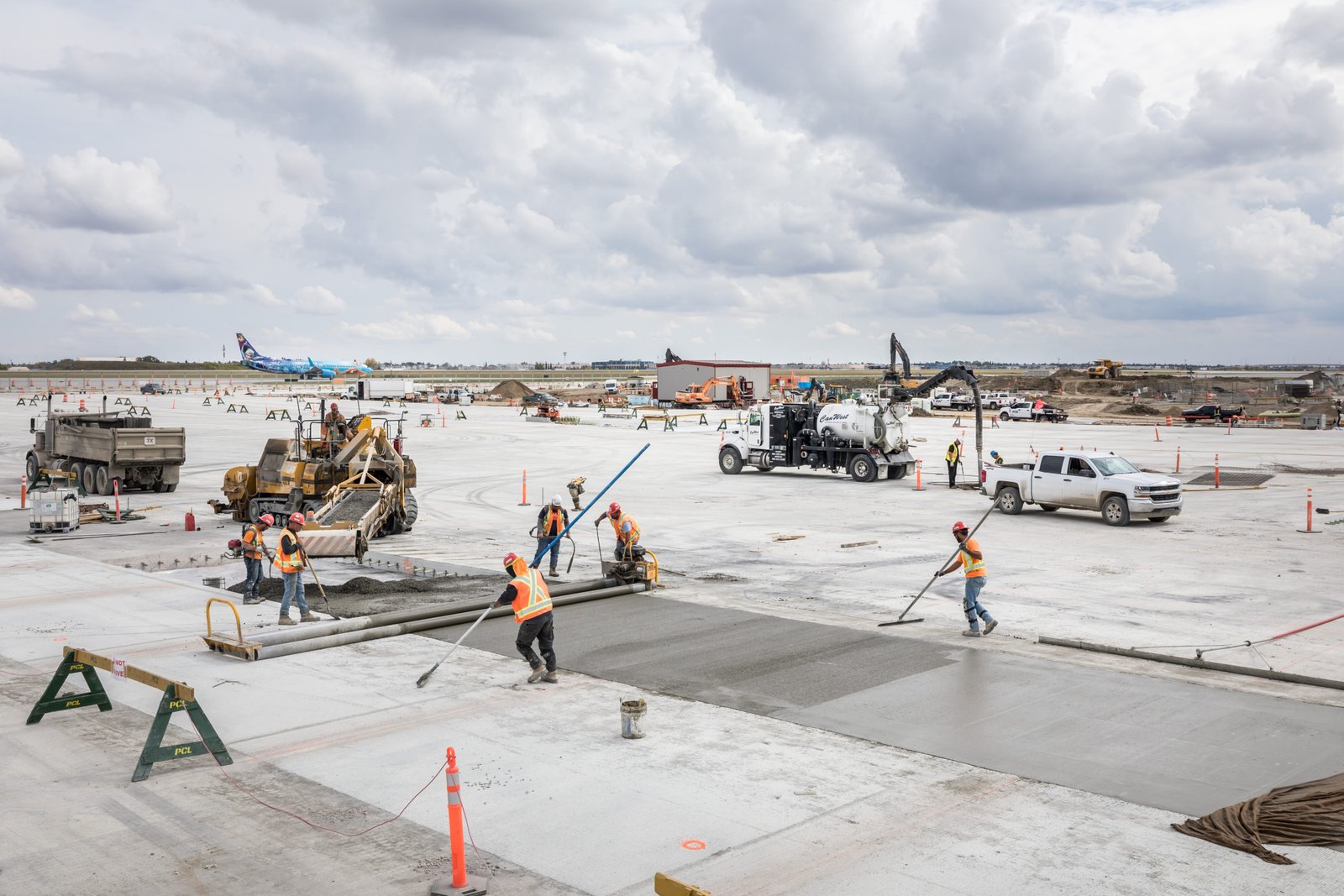
- Calgary International Airport (YYC)– Calgary, Alberta
- Monterey Regional Airport (MRY) – Monterey, California
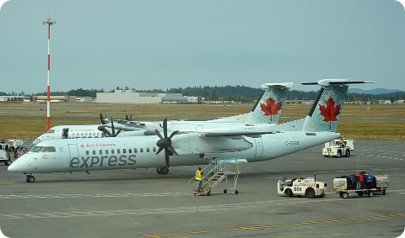
- Victoria International Airport (YYJ) – Victoria, British Columbia
Airports Built with CarbonCure Concrete
The post From the Midwest to the Middle East: CarbonCure Concrete at Airports Worldwide appeared first on CarbonCure Technologies Inc..


