
It can take a long time to achieve improvements in soil organic matter. Changes in soil respiration and active carbon levels, however, occur more quickly.
Soil respiration refers to the breathing action of below-ground microorganisms, or the amount of carbon dioxide released by microorganisms as they work. More carbon dioxide being released from soil means more activity, which supports nutrient cycling and soil structure.
“Respiration is related to biomass. How much carbon dioxide gets released from the soil at a standard temperature over a given time gives a measure of how large and active that soil community is,” said Kari Dunfield, professor of soil microbiology in the University of Guelph’s School of Environmental Sciences.
If respiration is about microbial breathing, active carbon is about microbial eating — and specifically, food availability.
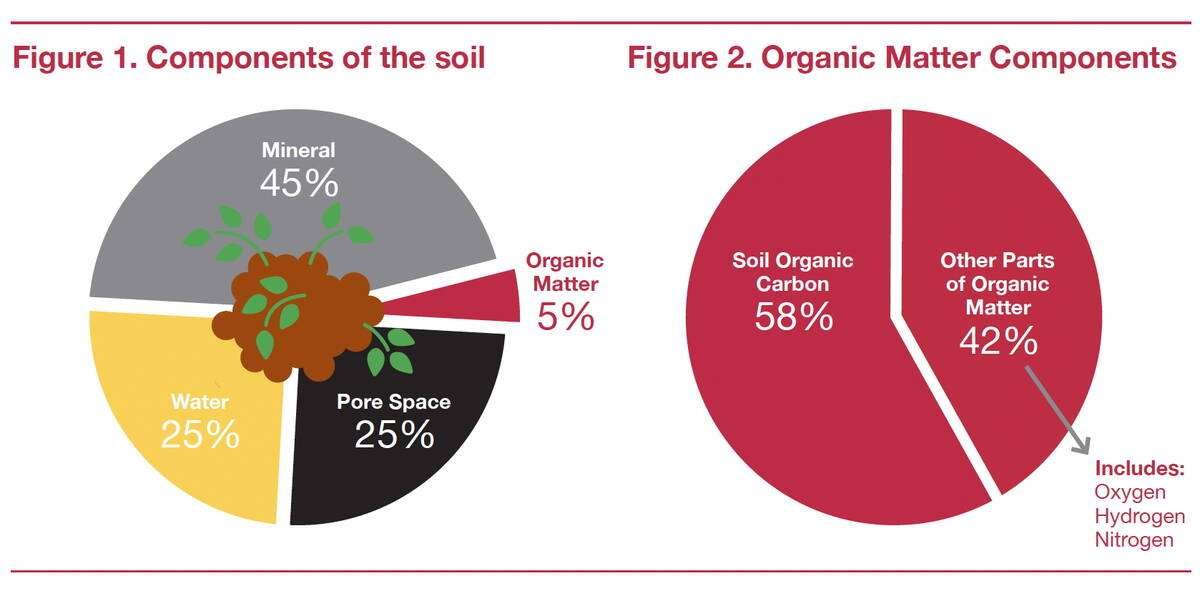
“Active carbon is a component of soil organic matter. It’s carbon that is readily consumable by the microbial biomass. It gives you an idea of the organic matter that easily turns over and releases nutrients in the soil,” said Dunfield. “Active carbon levels that are increasing over time are an indication [that] soil organic matter levels, and overall soil quality, are improving.”
She added that measuring respiration and active carbon when monitoring soil health is important because those are the things likely to change first.
“You get a more rapid increase in active carbon from a change in management, such as cover cropping. It’s giving you an indication. It still might take a few years, but that’s faster than waiting for changes to total soil organic matter,” she said.
Testing consistency
Soil respiration rates in Ontario can vary significantly, ranging between 0.254 and two milligrams of carbon dioxide per kilogram of soil. Active carbon is similarly variable, with a range of 120 to 1000 milligrams per kilogram of soil.
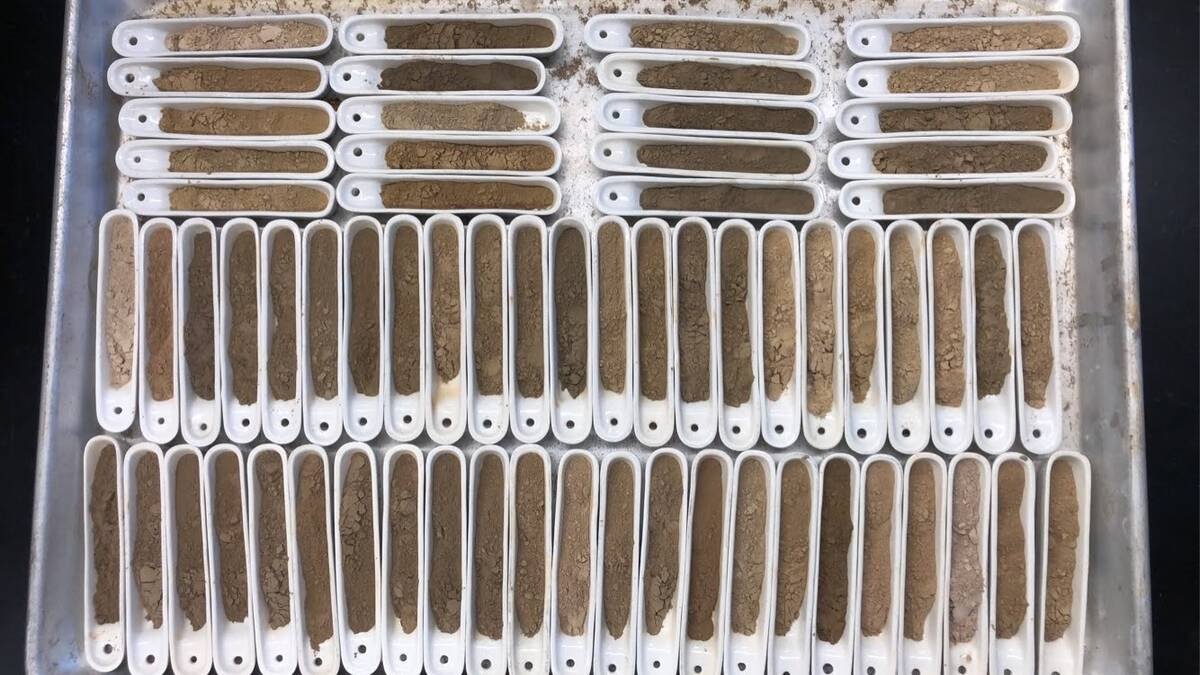
Measuring the former involves wetting a sample of soil and measuring how much carbon dioxide is emitted over 96 hours. Active carbon is measured via permanganate oxidation — a process that chemically converts carbon so it can be measured by a change in colour, much like checking the pH of a swimming pool. Soil analysis labs across the province have the capability to do both, although Dunfield said consistent sampling techniques should be followed when gathering samples to ensure accurate results.
“Because soil microbes are very responsive to different things, they can make results variable. Soil type, depth, and time of sampling all change the microbial biomass. One thing about these tests, even more than other indicators, is you really have to be careful about going back to the same point in the field to resample, at the same time of year, and establish a baseline over time,” she said, adding sample depth should be six inches. “It’s also recommended to send it to the same lab every time. It’s so responsive and variable that consistency is important.”
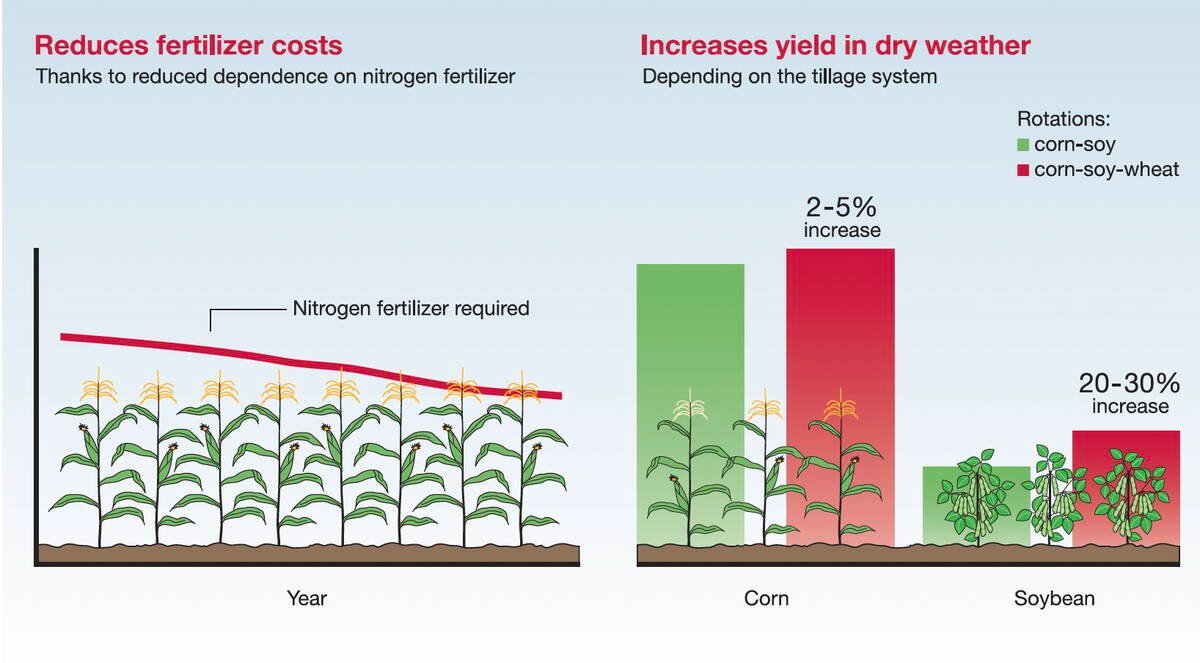
Benchmarking ranges for different soil types are available in the final report of the University of Guelph’s Ground Truthing SHAP Project, giving farmers a more accurate estimation of what different areas and practices can have.
“It’s important to measure activity in your soils. The turnover of organic matter and release of nutrients — that’s what we want to measure because that’s what we see in healthy soil,” said Dunfield. “We want to turn plant residues back into something that’s going to build your soil and bring all the things you want in your system.”
Editor’s note: Matt McIntosh is writing on behalf of Soils at Guelph. This is part of a series on the initiative’s five soil health indicators and its Making Sense of Soil Health campaign. Soils at Guelph is an effort to increase awareness of research initiatives, facilitate collaboration and knowledge exchange, and to educate on the importance of soil health.


