
A takeout container can look perfectly fine when an order leaves the kitchen and still fail before it reaches the customer. Sauce can work its way past a lid, fried food can soften, a container can shift in the bag, or the package may turn out to be unsuitable for reheating.
Many takeout container problems come from the same basic issue: the package does not match the food, portion, transport conditions, or intended customer use. Avoiding common takeout container failures means looking beyond whether a container simply closes. Texture, moisture, structure, temperature, stacking, and kitchen workflow all affect how the package performs.
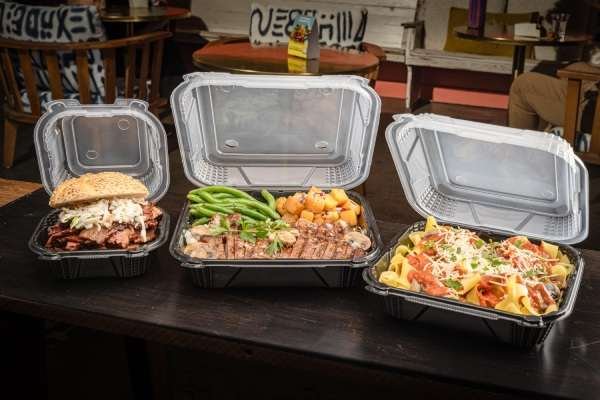
Here are five common food packaging mistakes and the factors that can help prevent them.
Common Takeout Container Problems at a Glance
| Failure | What can happen | What needs attention |
|---|---|---|
| Leaks or weak closure | Sauce or liquid reaches the bag | Depth, portion fit, and closure |
| Trapped steam | Fried or toasted food becomes soft | Venting and available headspace |
| Wrong material or application | Poor performance or reheating issues | Temperature and intended use |
| Poor sizing or structure | Food shifts, compresses, or stacks poorly | Portion fit and rigidity |
| Packaging complicates service | Repacking, lid confusion, or extra handling | Packaging workflow and standardization |
1. Leaks and Closures That Do Not Hold
Leaks are not always caused by a defective lid. The problem can begin with how the food fits inside the package.
A shallow container filled close to the rim leaves little room for movement. Sauces, gravies, curries, and other liquid-heavy foods can reach the closure as the package tilts during transport. Overfilling can also put pressure on the lid and make consistent closure more difficult.
For wet or sauced meals, useful packaging characteristics include:
- Enough depth for the normal portion
- A secure, well-fitted lid or closure
- Structure that can support the food’s weight
- Enough headspace to reduce contact with the lid
- Stability when carried or stacked
This matters to customers as well. In a 2025 U.S. consumer survey from the Foodservice Packaging Institute, 59% of respondents identified leak- or spill-proof performance as the most important single-use packaging attribute.
For pasta, curries, gravies, and other liquid-heavy dishes, choosing containers suited to saucy foods can help address closure, depth, portion fit, and transport concerns together.
2. Trapped Steam Makes Crisp Food Soft
A package can prevent leaks and still damage food quality.
Fried chicken, fries, wings, breaded appetizers, and toasted sandwiches release moisture while they remain hot. If that moisture stays trapped inside a completely enclosed package, condensation can form and return moisture to the food.
That is why crispy foods often need a different packaging strategy from pasta, curries, or other soft entrées.
Controlled vented food packaging can allow steam to escape while the container continues to protect the food during transport. Some formats use permanent vents, while others allow vents to be activated only when the menu item needs them. Stacking matters too, since the venting system still needs to function when multiple containers are packed together.
A vented Clover™ hinged container is one option for hot foods where moisture release, stackability, and secure handling are important. Its polypropylene construction also makes it suitable for hot and cold takeout applications.
3. The Package Does Not Match the Temperature or Customer Use
One of the easiest food packaging mistakes to make is selecting a container based on shape or price without considering what happens after it is filled.
A package that works for a cold salad may not be suitable for a hot entrée. A container used for a meal that customers commonly reheat may need different characteristics from packaging intended only for immediate consumption.
The application may involve:
- Hot or cold food
- Microwave reheating
- Long holding times
- Greasy or wet ingredients
- Heavy portions
- Freezer or refrigerated storage
- A combination of several conditions
Material therefore matters, but the material name alone does not determine whether a container is suitable.
You can check recommended application ranges for common packaging materials in our material temperature guide. Temperature is only one part of the decision, so the actual food, holding time, reheating expectations, portion weight, and handling conditions should also be considered.
4. The Container Is the Wrong Size or Lacks Structure
A container does not need to leak to fail.
When the package is too small, food may be compressed against the lid, toppings can be disturbed, fried items can crowd together, and sauces may reach the closure. Staff may also have difficulty closing an overfilled container consistently.
A package that is much larger than the portion creates a different set of problems. Food has more room to move during transport, presentation can suffer, and ingredients that were deliberately separated on the line may shift together.
Structure becomes especially important once multiple orders are stacked.
A useful way to evaluate sizing is to look at the package through the complete trip:
Pack → Close → Stack → Carry → Open
The container should still support the portion and present the food properly at the end of that sequence. Factors such as container sizing, stackability, structural integrity, and delivery performance are best considered with the actual menu item and normal transport conditions in mind.
5. Packaging Creates Extra Work in the Kitchen
Some takeout container failures happen before the order ever leaves the restaurant.
A package may protect the food reasonably well but create unnecessary steps for employees. If staff regularly need to search for the correct lid, add extra wrapping to prevent leaks, repack overfilled orders, or remember too many different packaging rules, the container may not be a good operational fit.
Too many similar SKUs can also make mistakes easier during a busy service.
A simpler packaging system may organize formats around menu needs, such as:
- Crispy foods
- Sauced entrées
- Bowls
- Combination meals
- Cold foods
- Sides and sauces
That does not mean one container should serve the entire menu. Different foods have different moisture, temperature, portion, and transport requirements. Matching packaging to the menu can help reduce unnecessary complexity without forcing very different foods into the same format.
Catch Packaging Failures Before the Customer Does
Packaging performance is easier to evaluate when a complete order is tested rather than an empty container.
| When to check | What to look for |
|---|---|
| Immediately after packing | Portion fit, lid engagement, and open vents |
| After stacking | Deformation or unstable containers |
| After realistic travel time | Leaks, condensation, and shifting |
| When the package is opened | Texture, presentation, and separation |
| During reheating, if expected | Whether the material suits the intended use |
A container that performs well at the packing station but poorly after 20 minutes in a delivery bag is not solving the full takeout problem.
Match the Package to the Meal
The most common takeout container problems are usually not isolated packaging defects. They come from mismatches between the container and the food it is expected to protect.
Reducing takeout container failures means considering closure, steam, temperature, portion size, structure, stacking, customer use, and kitchen workflow together. The right solution may differ between fried food, pasta, combination meals, salads, and reheatable entrées.
For help comparing packaging formats for specific menu items or takeout applications, contact our team.
The post 5 Common Takeout Container Failures (And How to Avoid Them) appeared first on Genpak.


