
Thankfulness
By Kyle Richardville
Thanksgiving Origins
On October 3, 1863, Abraham Lincoln issued a proclamation inviting every American to observe the last Thursday of November as a national day of “Thanksgiving and Praise.” This proclamation was made amid the single bloodiest campaign to have taken place on American soil, our Civil War. In the speech, President Lincoln remarks that the nation has much to be thankful for despite the tragedies and losses incurred during the war. He notes that the young nation still had “fruitful fields and healthful skies,” economic growth, and has maintained peace with foreign nations. Lincoln also says that counting your blessings is easier during tough times, and that Americans are “prone to forget the source from which they come” during times of ease and plenty.
While other American presidents, including George Washington, issued one-off proclamations for a day of thanks, Thanksgiving wasn’t made an official holiday until Lincoln made it so in 1863. His decision was influenced by a magazine editor named Sarah Josepha Hale who had written to five different presidents urging them to create a national holiday centered around thankfulness and gratitude. (Interestingly, Sarah is most famous for writing the children’s rhyme, “Mary Had a Little Lamb”.)
Holidays and festivals in autumn are by no means unique to the United States. Our neighbors to the north, Canada, celebrate their own Thanksgiving holiday the second Monday in October. Erntedankfest (translated “Harvest thanks festival”) is celebrated in Germany, Austria, and Switzerland on the first Sunday of October. Iri Ji in west Africa celebrates the end of the rainy season and the harvest of their staple crop, yams. Old yams are replaced by the new harvest, accompanied by a communal feast to usher in the bounty. Finally, families in China, Vietnam, Taiwan, and many other nations in southeast Asia celebrate the mid-autumn festival on the 15th day of the 8th lunar month (normally falling in September and October) under a full moon. While this list is certainly not exhaustive, it illustrates the shared tradition of thankfulness that communities around the world value and celebrate.
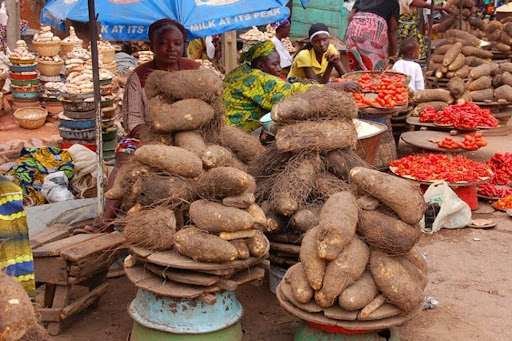
In addition, these festivals are not unique to our time in history. From the first farming peoples to the great ancient civilizations of China, Egypt, Greece, Rome, the Americas, and all the rest, humans have been giving thanks to those who produce their food and the deities of their time for the harvest and everything it took to produce the year’s sustenance.
Attitude of Gratitude
We Americans are wealthier than we’ve ever been, have more stuff than we’ve ever had, and yet, we’re extremely divided as a nation and continue to decline in happiness levels (see below).
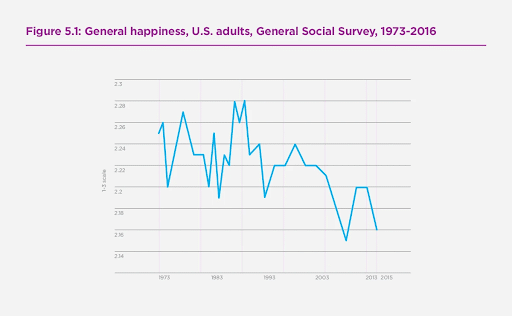
Heeding President Lincoln’s words, it’s more important now than ever in the current age of ease and excess that we all give thanks for the friends, family, and material things in our lives. This isn’t meant to minimize anyone’s struggles, however. Life is certainly difficult and painful in so many ways for everyone, especially those of you who make a living from agriculture. We all have our crosses to bear, so to speak. But when it comes down to it, we also have someone or something we can be thankful for, no matter how small or seemingly insignificant. This gratitude goes a long way toward preserving our own health and that of civil society. In fact, research is beginning to show the positive effects of gratitude on our physical and mental health. It turns out the ancient author was right: ‘A heart at peace gives life to the body, but envy rot the bones’.
Call to Action
To quote Honest Abe one final time from a speech at the Illinois State Capitol in 1858, “A house divided against itself cannot stand.” TV personalities, social media influencers, politicians, and anyone else with a platform know all too well the attractive force that fear, anger, and envy bring to their viewer- and listenership. So, this Thanksgiving season let’s do exactly that: give thanks for the family, friends, and things in our lives. Let’s focus on the overwhelming similarities between one another, rather than the small differences. And finally, for those of us who eat (ie. everyone), let’s give thanks for the bountiful 2026 harvest and the hard-working farmers, ranchers, and gardeners around the world who work tirelessly to produce our food, fiber, and fuel. Happy (American) Thanksgiving.

The post Thankfulness appeared first on Understanding Ag.


