
In recent years, Alberta’s SPCA has seen increased cases of its peace officers being sent to rural and farm properties.
Often the cases are in more isolated areas, where a farmer either lives alone or with a long-term partner, typically older than 50, and showing signs of cognitive decline and acute mental distress.
Reporting of cases could be related to the increased numbers of urban folks moving out to acreages, but also due to concern from neighbours.
Rebecca Purc-Stephenson, a psychology professor and researcher in the area of agricultural mental health at the University of Alberta, has been working on a project with the Alberta SPCA to determine how property, animals and people interconnect in animal welfare cases and what they can signal to those investigating.
WHY IT MATTERS: Understanding farming stressors and farm culture may help improve outcomes in cases where animals and people are found to be at risk on the same property.
The approach follows the idea of “one health,” a holistic approach that recognizes that the health of people, animals and the environment are interconnected.
An example that was frequently mentioned in the study was the concept of hoarding and particularly, animal hoarding.
“If you think about how they overlap in the case of, say, hoarding, there might be mental health challenges,” Purc-Stephenson said at the Safety and Health in Agricultural and Rural Populations Conference in Saskatoon earlier this summer.
“And with the animal health, there might be too many animals, too many species mixed together in a small, confined space, depending on where that is.”
Additionally, the small space could affect the environment through impacts to soil and air quality. There could also be further impacts on human and animal health, such as if many animals are kept in the home.

Rebecca Purc-Stephenson and her team are continuing to develop a framework and training modules for Alberta SPCA officers, based on the findings of the project. Photo: Janelle Rudolph
The goal of the project is to provide SPCA officers with the knowledge and training to recognize cases that relate to mental health and be able to offer information and support to the individuals who need it.
To build understanding, Purc-Stephenson and her team met biweekly with officers and conducted focus groups and interviews, examined archival case records, analyzed case patterns, reviewed research in the area and interviewed other subject matter experts.
In the officer interviews and focus groups, they were asked what it was like when going onto a property, what they saw and what indicators of mental health and animal welfare they encountered. Their answers revealed patterns alongside animal welfare issues such as neglect, poor management, and over-accumulation:
- Properties were isolated and remote.
- The property itself tended to be in disrepair (yard unkept, buildings poorly maintained, roadways unplowed).
- Little evidence of activity.
- Lots of waste and hazardous material.
- Many unkept, non-functional equipment and vehicles, to a hoarding level.
- Animals brought into the home.
There were multiple cases of cows being brought into the home and kept there, with some being more severe.
Purc-Stephenson shared one case of an elderly man with significant mental health challenges and cognitive decline who had originally brought young cattle into his home because he’d been concerned for their well-being.
“He had kept them in the basement,” she said.
“They actually grew too large, and they were no longer able to get through the door frame. So, they stayed there and some of them died.”
There was also a cow brought into the living room, and it had died as well. The man was using it like a coffee table.
While officers aren’t allowed to enter the home without permission, they would often gain access through concern for the individual themselves.
Officers would also note physical appearance, hygiene and behavioural changes of the people.
“Many of these peace officers, because they may operate in the same area, they tend to learn who these individuals are, so they might notice a change in them,” Purc-Stephenson said.
The archival case records showed the same patterns as officers had described, but another piece that was noted was many cases tended to be opened in March.
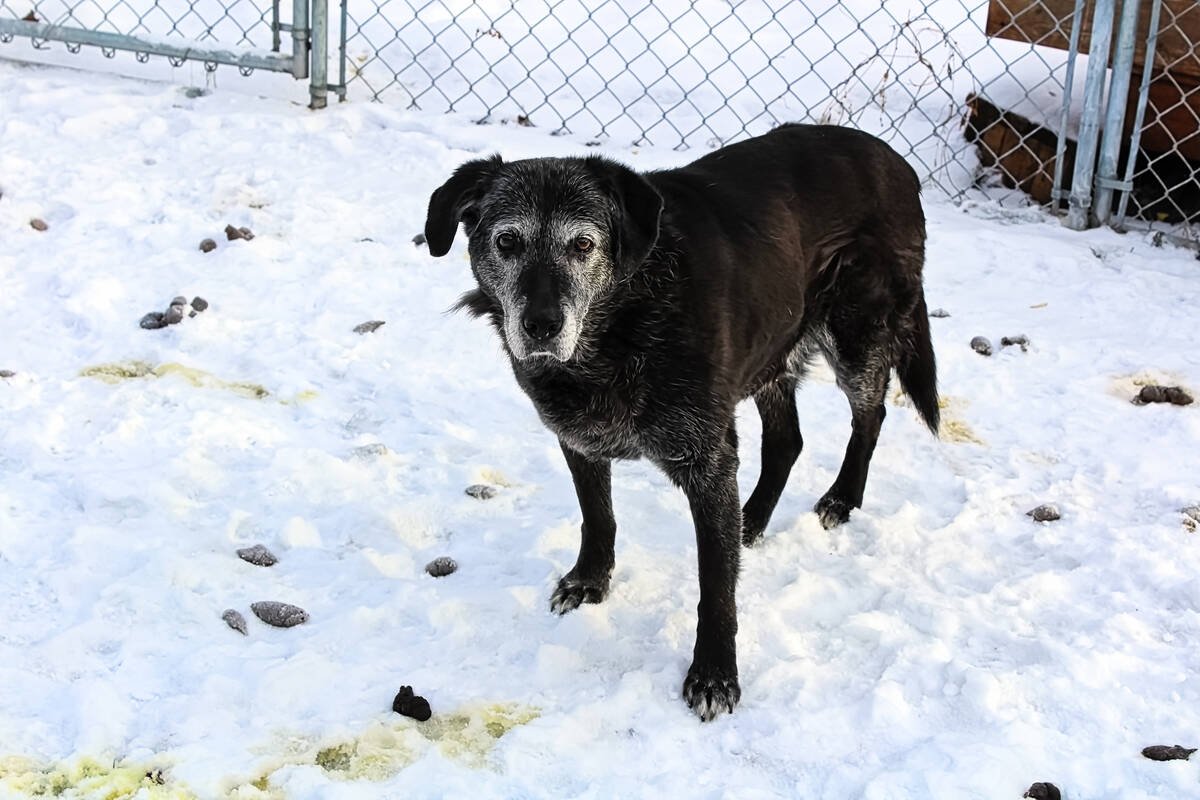
Archival cases in the Alberta study were often found to be canine-related. Photo: Akchamczuk/iStock/Getty Images
“Sometimes, after maybe a long winter, is when a lot of these cases tended to emerge, and before auction, when markets opened,” she said.
The archival cases also noted that cases were often canine-related, but there was also a range of livestock cases.
Purc-Stephensen said the findings of the study speak to the good farmer identity because individuals often act with good intentions but don’t realize how injurious their situation is until officers arrive.
It also revealed that the people who struggle more tend to retreat more and isolate themselves, particularly if they’ve already had animal welfare cases.
With the findings, a wellness analyzing tool, like a checklist, was created for officers to be able to access and use in the field. Alongside it, training modules have been developed for officers to better understand farming stressors and farm culture.
These tools haven’t been deployed yet becuse they are still being tested and further improved. Purc-Stephenson intends to have a pre- and post-test of the training to analyze the effectiveness of the tools.
Early pilot testing revealed a few changes that have already been made.
“These officers already have an animal welfare structure that they follow,” she said.
“This tool only includes the behavioral and environmental conditions on the farm. And we had it reviewed by the officers, and also by their legal team to ensure that it was defensible.”
The post Animal welfare cases often correspond with mental health challenges appeared first on Farmtario.


