
Those quiet nighttime moments change everything. The soft breathing, the tiny stretches, the way the room suddenly feels fuller and warmer. Setting up a baby’s space inside the parents’ room is not just about convenience, it’s about closeness, safety, and peace of mind. Many parents worry they need a large nursery or expensive gear, but the truth is far simpler.
With thoughtful planning, a baby set up in parents room can feel organized, soothing, and beautifully functional. And the best part? It can grow with the baby without overwhelming the space. Let’s walk through practical, comforting, and realistic ideas that actually work in real homes.
Cozy Bedside Sleeping Area
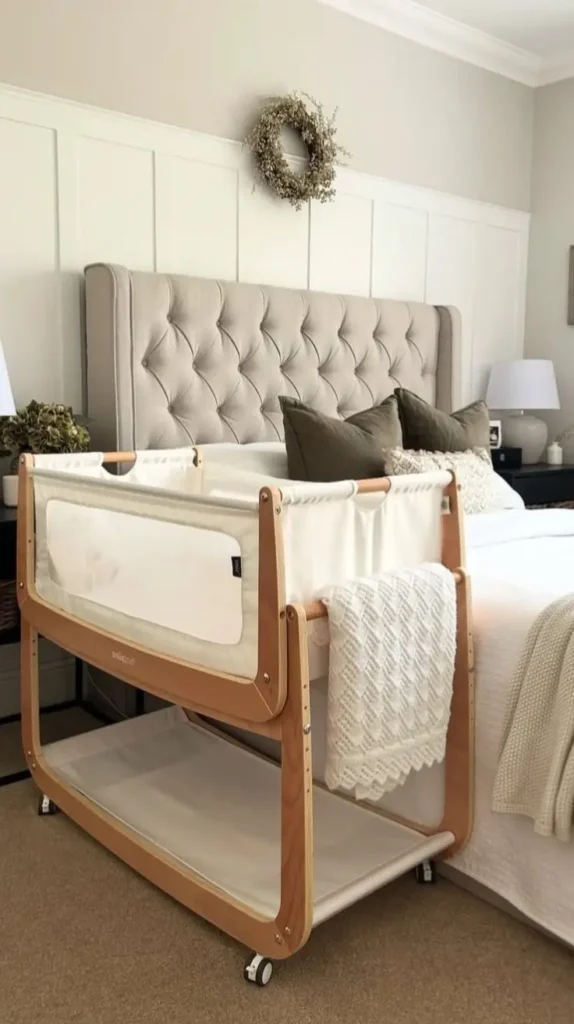
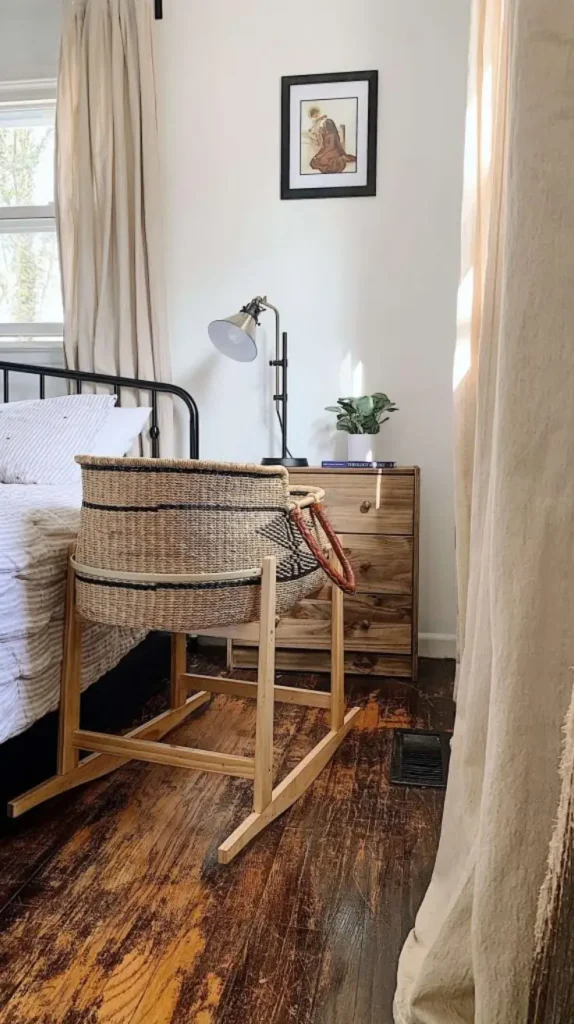
Keeping the baby close during sleep creates a deep sense of comfort for everyone. A bedside sleeping area allows quick responses to nighttime needs while maintaining safety. Placing a bassinet or compact crib next to the bed helps parents hear every stir and movement. This setup reduces stress during night feedings because there is no need to walk across the room or turn on bright lights.
Safety plays a major role here. The sleep surface should stay firm, flat, and clear of loose items. Many parents prefer breathable materials and neutral colors because they blend easily into the parents’ room. This arrangement also supports emotional bonding. Being able to glance over and see the baby brings reassurance, especially for first-time parents. Over time, this simple placement becomes part of the nightly rhythm, making sleep feel less fragmented and more secure for everyone involved.
Smart Use of Vertical Space
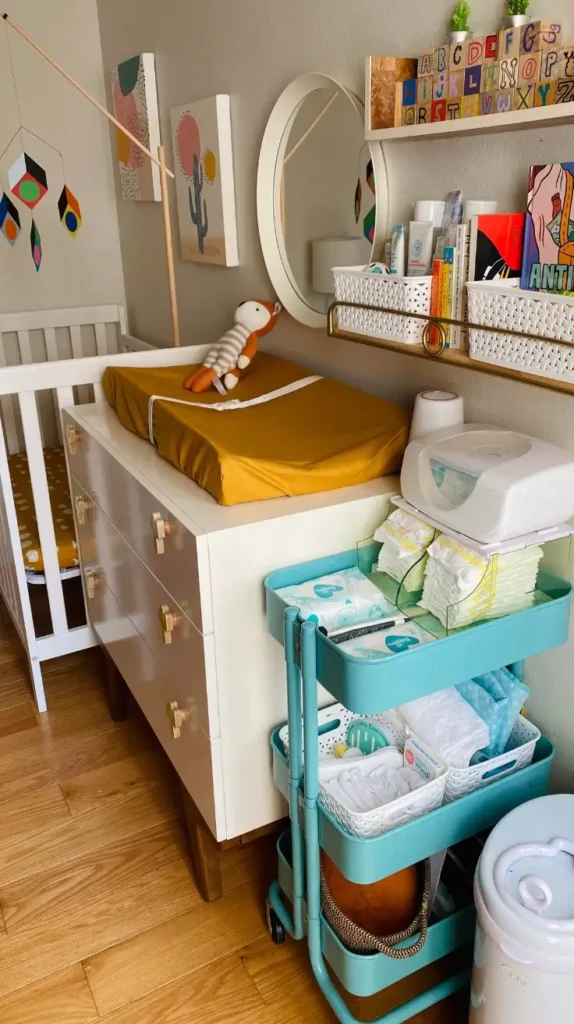
Space often feels limited when sharing a room with a baby, but walls offer valuable storage opportunities. Using vertical space helps keep essentials organized without taking up precious floor area. Wall-mounted shelves can hold diapers, wipes, creams, and folded burp cloths, keeping them within easy reach. This is especially helpful during late-night care when speed and simplicity matter most.
Vertical storage also helps maintain a sense of order. When items have a clear place, the room feels calmer and less cluttered. Fabric bins or baskets soften the look and keep the space visually warm. Hooks on the wall can hold baby towels or sleepwear, reducing drawer overcrowding. By organizing upward instead of outward, the room stays functional while still feeling open, balanced, and welcoming for both parents and baby.
Calm Nighttime Lighting
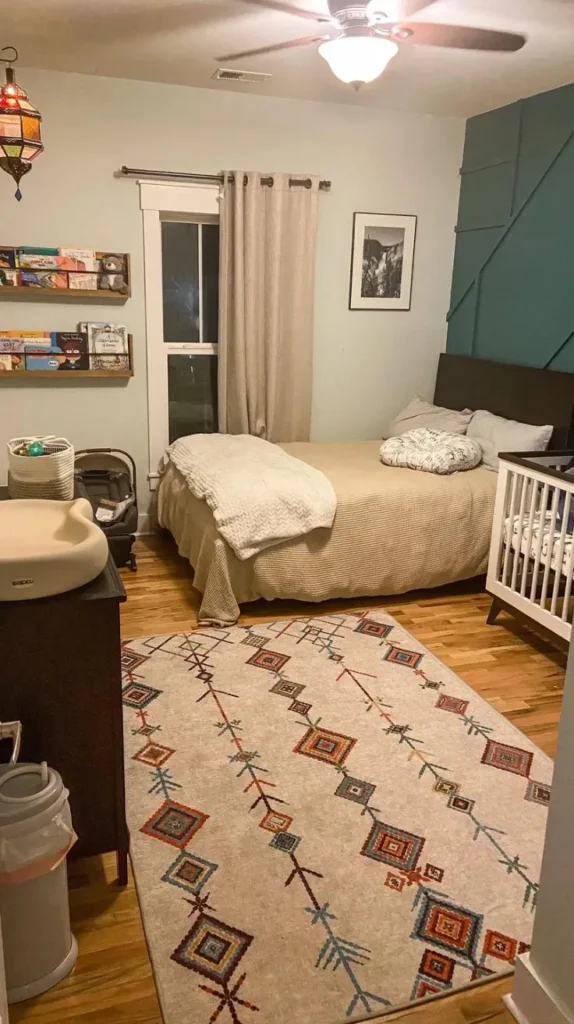
Lighting has a powerful effect on mood and sleep quality. Harsh light can fully wake both baby and parents, making it harder to return to rest. Soft, warm lighting creates a gentle environment that supports nighttime care without disruption. A small lamp or nightlight near the sleeping area allows parents to feed, soothe, or change the baby without startling bright light.
Many parents appreciate adjustable lighting that can be dimmed based on the situation. Warm tones feel soothing and reduce eye strain during long nights. This kind of lighting also helps maintain the natural sleep rhythm, signaling that it is still time to rest. Over time, this calm glow becomes part of the nighttime routine, supporting smoother transitions and more peaceful moments throughout the night.
Compact Changing Station
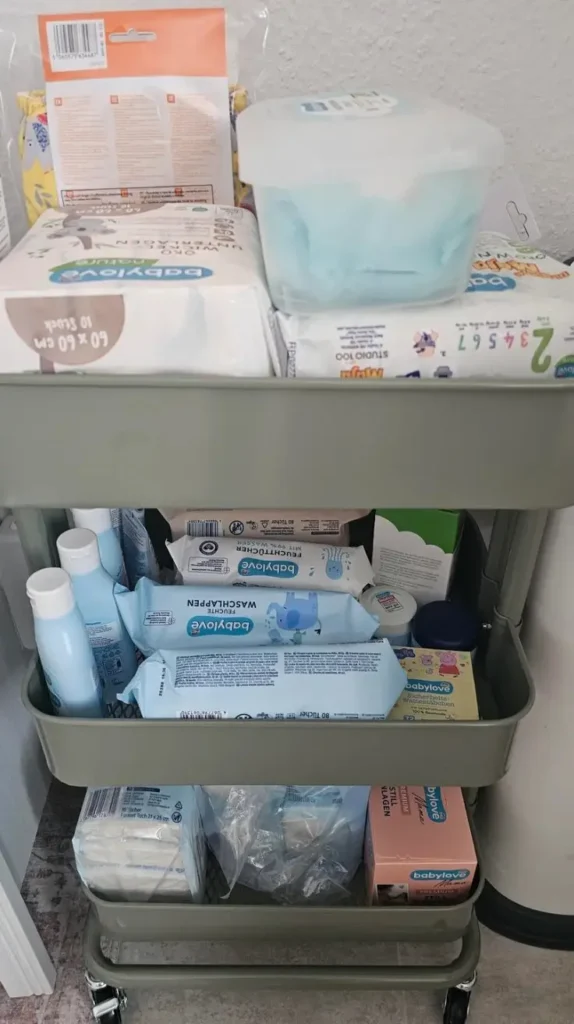
A compact changing station becomes one of the most used areas in the room, especially during the early weeks. When the baby sleeps in the parents’ room, convenience matters more than size. A dresser top, sturdy table, or even a reinforced nightstand can easily serve as a changing space. Adding a soft, washable changing mat keeps the baby comfortable while making cleanup simple.
Everything should stay within arm’s reach. Diapers, wipes, creams, and spare clothes work best when stored in small baskets or drawer organizers nearby. This setup reduces unnecessary movement, which helps during nighttime changes when everyone feels half-awake. Keeping the area clutter-free also lowers stress and makes the process feel calmer. A small covered trash bin or diaper pail placed close by helps maintain cleanliness and prevents lingering odors. Over time, this compact station blends naturally into the room, proving that function does not require extra furniture or wasted space.
Quiet Feeding Corner
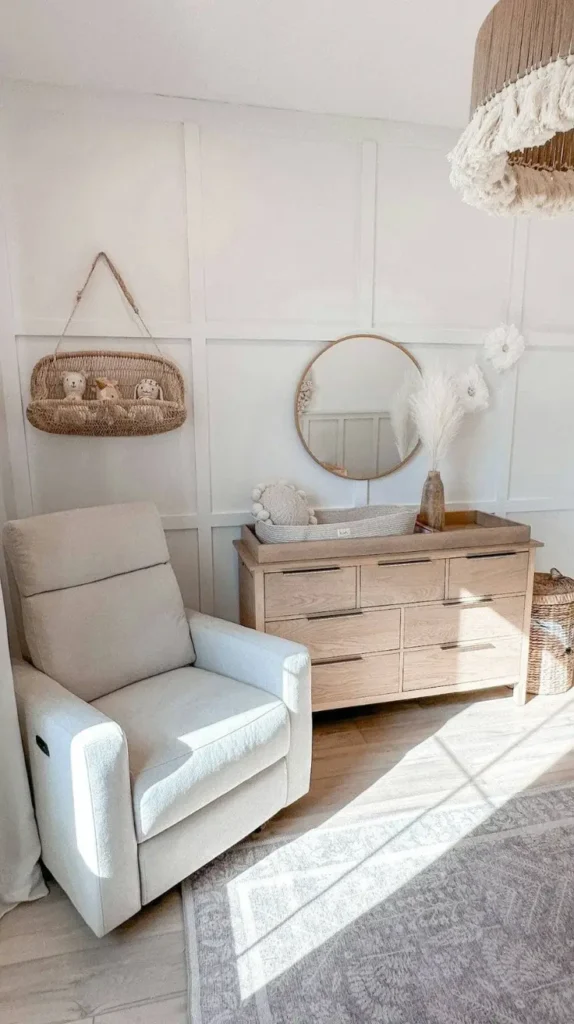
Feeding sessions often feel long and emotional, especially at night. A quiet feeding corner helps turn those moments into something calmer and more grounding. Placing a comfortable chair near the bed allows parents to feed without fully leaving the room. Support matters here. A soft pillow behind the back or under the arms reduces strain during longer sessions.
A small side table nearby becomes incredibly useful. Water, snacks, burp cloths, and feeding supplies should be easy to reach. Soft lighting near this corner keeps the atmosphere gentle and relaxed. Over time, this spot becomes familiar and comforting. The baby associates it with warmth and care, while parents begin to feel more confident and settled. A well-planned feeding corner supports bonding, reduces nighttime stress, and helps everyone return to rest more smoothly after each feeding.
Thoughtful Storage for Essentials
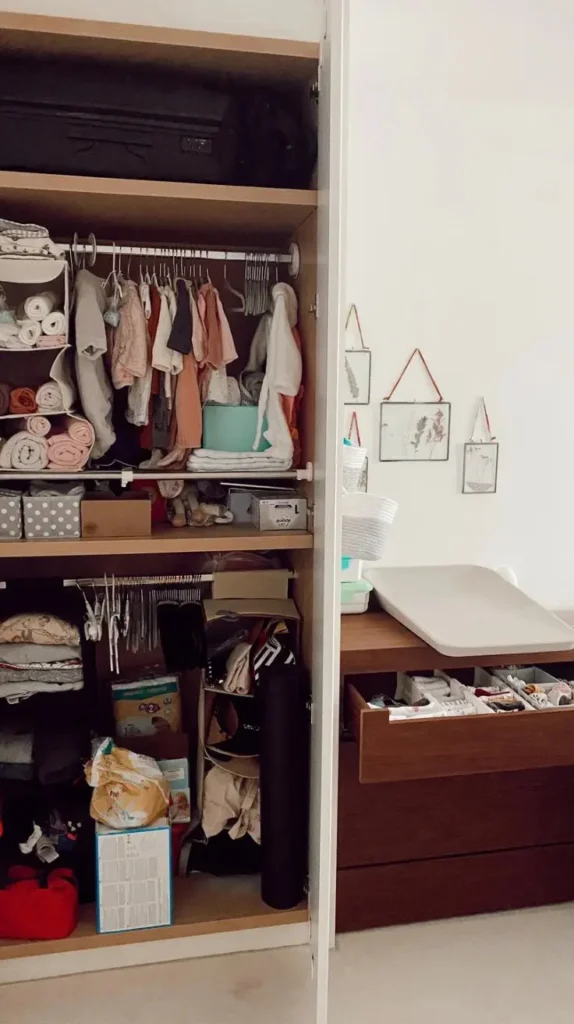
Baby essentials can quickly take over a shared room if storage is not planned carefully. Thoughtful storage creates order and makes daily routines easier. Using baskets, drawer dividers, and small bins helps group items by purpose, such as sleepwear, feeding supplies, or hygiene products. When everything has a clear place, finding items becomes quicker and less frustrating.
Keeping frequently used items close to the changing and sleeping areas saves time and energy. Clear containers or simple labels help tired eyes find what they need without searching. Storage that blends with the room’s decor keeps the space feeling calm rather than crowded. This organized approach reduces mental overload and helps parents feel more in control. A tidy space supports emotional calm, which is just as important as physical comfort during this stage.
Sound Control for Better Sleep
Sound plays a powerful role in sleep quality. Sudden noises can easily wake a baby and disrupt rest for everyone. Adding gentle sound control helps create a more stable environment. A white noise machine or steady background sound masks unpredictable noises like footsteps, doors, or outside traffic.
The volume should stay low and consistent to avoid overstimulation. Placing the sound source at a safe distance ensures comfort. Over time, this steady sound becomes familiar and soothing, helping the baby settle more easily. Parents also benefit, as they feel less alert to every small sound. This creates longer stretches of rest and a calmer nighttime experience. Sound control is a simple addition, but it often makes a noticeable difference in overall sleep quality.
Temperature Comfort Zone
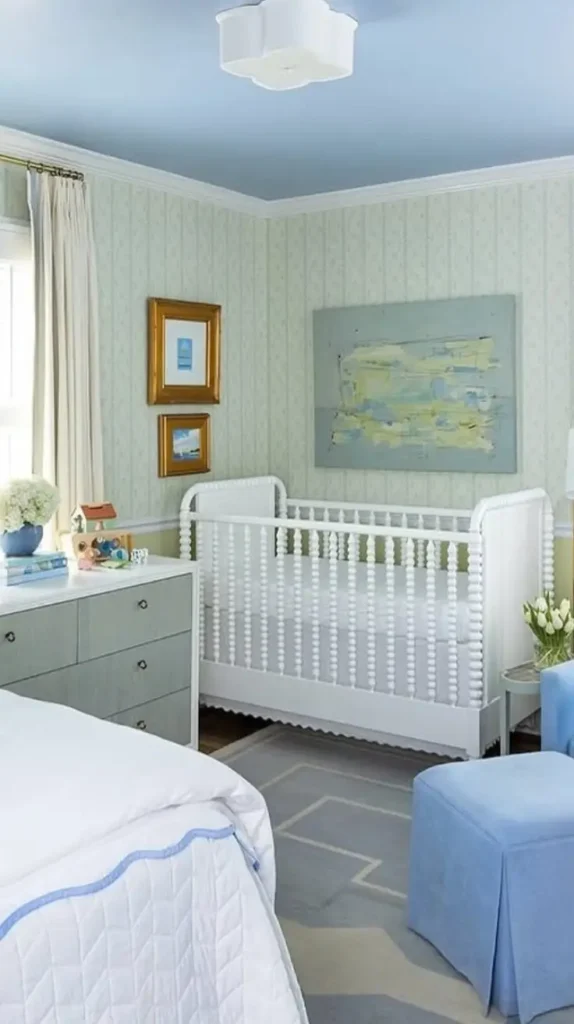
Maintaining a comfortable room temperature plays a significant role in ensuring everyone sleeps well. Babies are especially sensitive to changes in warmth, and even small shifts can lead to restlessness. When the baby shares the parents’ room, monitoring temperature helps reduce unnecessary wake-ups. Using a simple room thermometer provides reassurance and removes guesswork. Parents feel calmer knowing the environment stays steady throughout the night.
Clothing choices matter just as much as room temperature. Dressing the baby in light layers allows easy adjustment without disturbing sleep. Breathable fabrics help regulate warmth and prevent discomfort. Heavy bedding is not needed when clothing and room conditions are balanced. This approach supports safer and more peaceful rest. Over time, maintaining a comfortable temperature becomes part of the nightly routine, creating a sense of stability. When the room feels just right, sleep improves naturally, and everyone wakes feeling more rested and relaxed.
Safe and Simple Decor
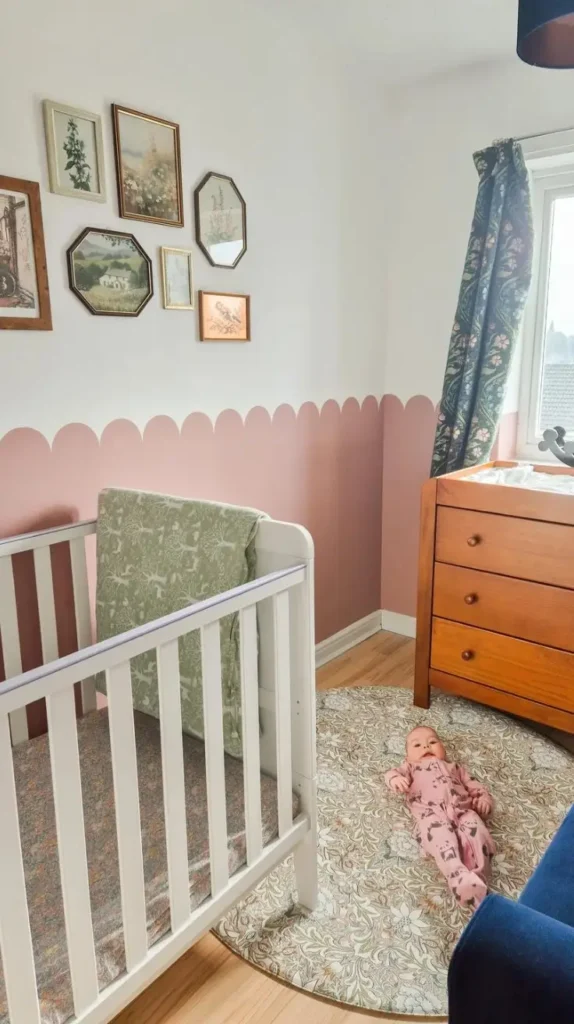
Decor sets the emotional tone of the room, and when sharing space with a baby, simplicity brings calm. Soft colors help create a soothing atmosphere that supports rest. Busy patterns or bold designs can feel overstimulating, especially during sleep hours. Keeping decor minimal helps the room feel open and balanced rather than crowded.
Safety always comes first. Wall decor should stay lightweight and securely placed away from sleeping areas. Heavy frames or shelves above the crib or bassinet should be avoided. Small personal touches, such as family photos or subtle artwork, add warmth without overwhelming the space. Neutral tones blend easily with existing bedroom furniture, helping the room remain comfortable for parents too. Thoughtful decor choices support emotional comfort, making the room feel peaceful, welcoming, and safe during this sensitive stage.
Easy-Access Clothing System
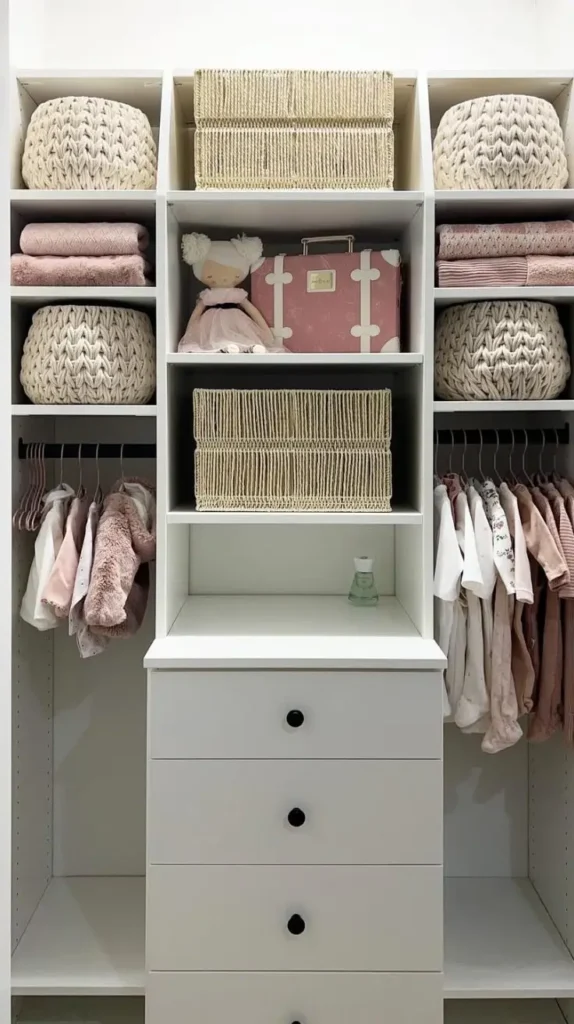
Babies need frequent outfit changes, which makes clothing organization essential. An easy-access clothing system saves time and reduces stress during busy moments. When clothes are neatly arranged, parents can quickly grab what they need without searching through drawers. Rolling clothes or separating them by type makes everything visible at a glance.
Keeping everyday outfits close to the changing area helps routines flow smoothly. Organizing clothing by size prevents confusion and ensures nothing gets forgotten. Seasonal rotation keeps drawers manageable and prevents overcrowding. This system supports efficiency, especially during nighttime changes when patience feels limited. When clothing is organized, parents feel more prepared and confident. A simple setup turns daily care into a smoother experience, helping everyone stay calmer and more focused on the baby’s needs.
Hygiene and Health Station
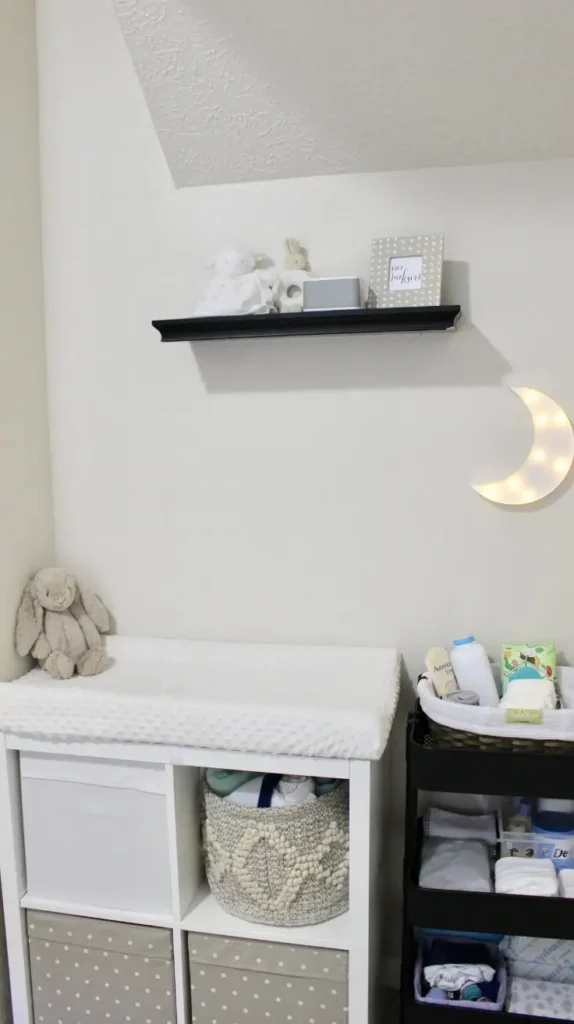
Health and hygiene items need a dedicated place to stay organized and accessible. When supplies are scattered, even small tasks can feel stressful. A hygiene station keeps essential items like nail clippers, thermometers, creams, and grooming tools in one spot. Storing these items together saves time and reduces panic during unexpected moments.
Safety matters here as well. Items should stay out of reach and stored securely. A small container or high shelf works well. Clear organization helps parents act quickly and confidently. When everything is easy to find, daily care feels more manageable. This station supports cleanliness, safety, and peace of mind. Over time, having a reliable hygiene setup becomes part of the routine, helping parents feel more prepared and in control.
Travel-Ready Packing Zone
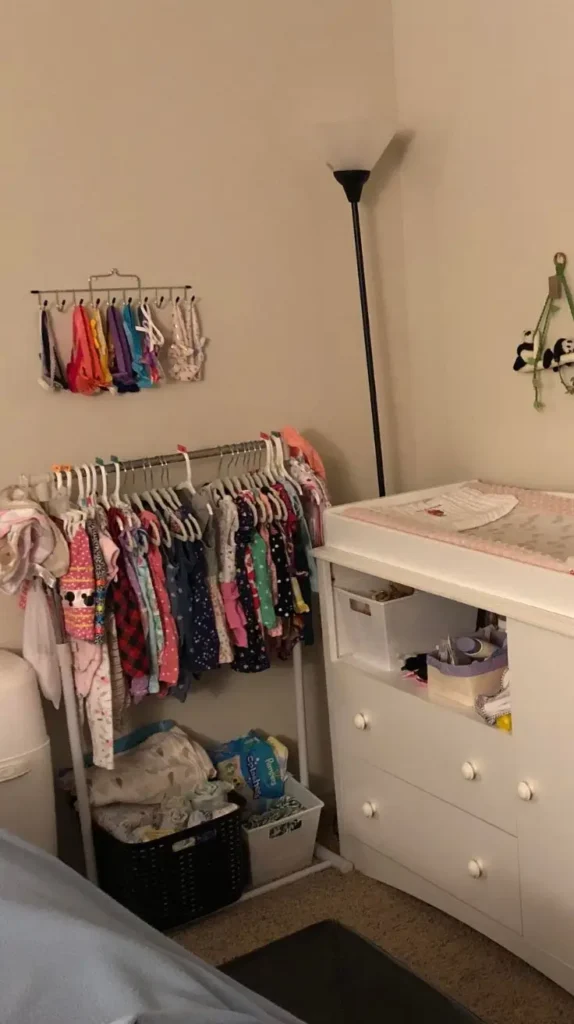
Leaving the house with a baby often feels like preparing for a small expedition, and having a dedicated travel-ready packing zone can make a world of difference. Without a plan, it’s easy to forget essential items like diapers, wipes, extra clothes, burp cloths, and a spare blanket. Creating a single, consistent area for these items allows parents to stay organized and ready for any outing, whether it’s a doctor’s appointment, a short visit to family, or even a walk to the park.
Keeping the diaper bag partially packed at all times reduces stress during busy mornings or last-minute trips. A small shelf, bin, or cubby near the bedroom or door can serve as a go-to spot for all essentials. Routine checks and quick restocking make sure nothing is missing. Over time, this preparation becomes second nature, giving parents confidence that everything is within reach. Having a reliable packing zone also reduces anxiety, allowing families to leave home feeling calm, organized, and ready for adventure, no matter the time of day.
Flexible Space for Growth
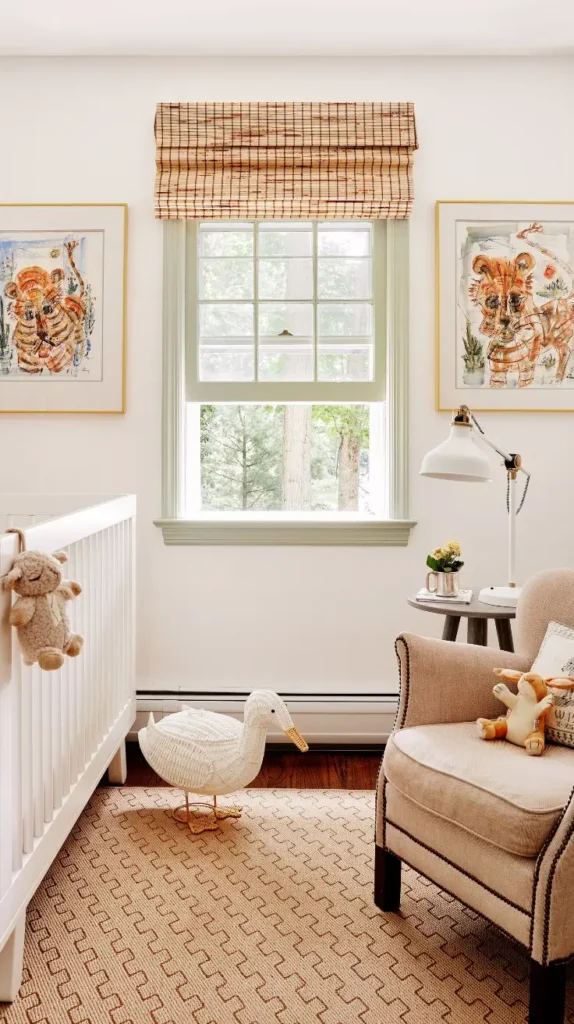
Babies grow at an astonishing pace, and a room designed to adapt to their changing needs can make life much easier for parents. Flexibility means the furniture, storage, and layout can evolve as the baby moves from a newborn to an infant and eventually a toddler. Multi-purpose furniture, like a dresser that doubles as a changing station or a bassinet that converts to a crib, maximizes both space and functionality.
Leaving some open floor space is equally important. It allows parents to introduce play areas, mats, or activity centers when the baby starts exploring and crawling. This adaptability ensures that the room doesn’t feel cramped or outdated as the baby’s needs change. A flexible room also reduces stress for parents, as they won’t feel locked into a single rigid design. Over time, this approach encourages creativity and efficiency, allowing families to make practical adjustments while keeping the environment safe, comfortable, and nurturing for both the baby and the adults.
Emotional Comfort and Bonding Space
The emotional aspect of a shared parent-baby room is as important as physical comfort. Being close to the baby fosters a sense of security and strengthens the bond between parent and child. Simple routines, like gentle nighttime soothing, quiet feedings, or soft lullabies, create a warm and reassuring environment. Every glance, touch, or cuddle strengthens trust and helps the baby feel safe.
Creating an emotional comfort zone also benefits parents. Knowing the baby is within arm’s reach reduces anxiety, especially during the first months. Small details, like a soft chair for feeding, cozy blankets, and subtle lighting, enhance the sense of calm and presence. Over time, this space becomes a sanctuary where both baby and parents can rest, connect, and recharge. Emotional comfort is not just about furniture or organization; it’s about building an atmosphere of love, reassurance, and calm that forms the foundation for a lifelong bond.


