


Summary:
With SB 54 and EPR deadlines looming, Zenpack co-founder Leo Chao outlines four strategies to hit compliance without sacrificing premium aesthetics: adopting system-first designs, mastering separable multi-layer innovation, leveraging refillable models for customer retention, and optimizing existing recycling infrastructures.
For any brand that’s pushed a sustainable packaging redesign into production, the gap between what works in a slide deck and what actually runs on the factory floor is massive.
Our co-founder, Leo Chao, recently joined three other experts for an EPR webinar hosted by our partner, rePurpose Global, to discuss what it actually takes to get these transitions over the finish line. If you missed the session, here is the replay along with the four biggest takeaways and strategic insights Leo shared.

1. Ditch the “Quick Fix” for a System-First Design
When compliance deadlines like SB 54 loom, the gut reaction for many brands is to hunt for a single, sweeping silver bullet. Leo argues that’s exactly where things go off the rails. The most successful transitions don’t happen in one giant leap; they are the result of a high volume of smaller, cumulative changes.
Instead of trying to reinvent the wheel overnight, look at your packaging as an interconnected system. Aim for the incremental wins such as:
- Thinning out paperboard weight.
- Slightly downsizing components to reduce volume.
- Swapping out high-plastic elements for paper alternatives.
- Upgrading to higher quality, inherently more sustainable materials.
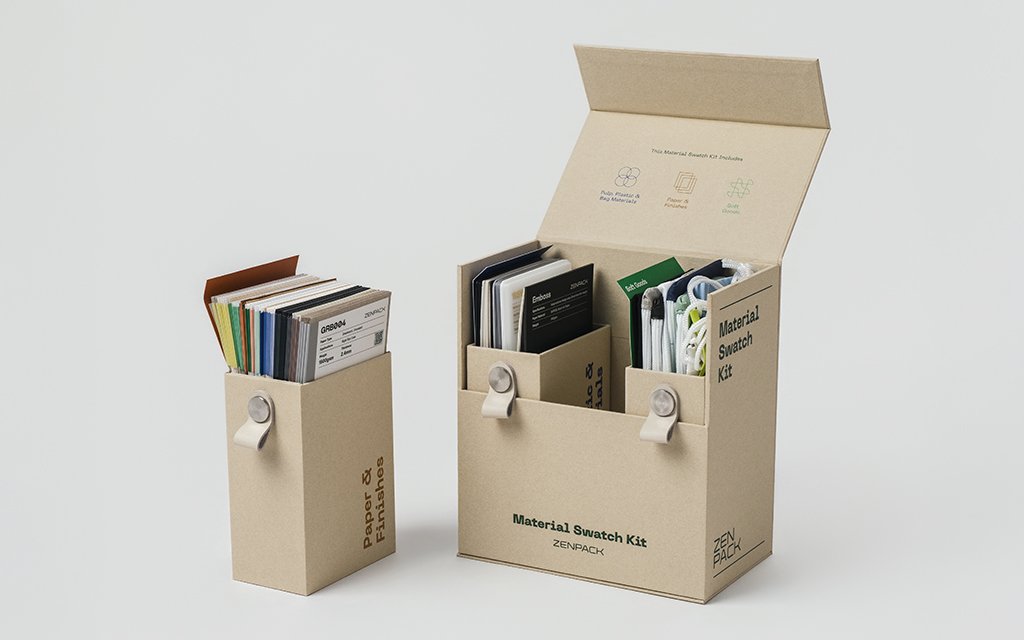
Leo emphasized that sustainability isn’t a one-time project; it’s a continuous evolution. When every department takes ownership of its piece of the process, it builds a self-sustaining internal energy that prepares your team for long-term adaptation.
2. Separable Multi-Layer Innovation
For years, complex products have relied on inseparable, multi-layer laminated materials to protect their contents (think traditional coffee bags).
Leo shared some exciting progress around separable multi-layer packaging designs. The goal here is to engineer materials—like a PE plastic layer and an uncoated paper layer—to work together flawlessly without traditional lamination.
This sounds great in theory, but Leo didn’t sugarcoat the challenge: using such innovative layering requires a lot of experimentation. And the packaging has to hold up functionally during fulfillment and co-packing, yet still be incredibly easy for the consumer to pull apart at the end of its life. It’s a high-stakes balancing act, but a massive opportunity for categories like coffee and shelf-stable foods.
3. The Refill Revolution is Actually a Sales Driver
We often talk about refillable packaging strictly through compliance lenses. Under regulations like California’s SB 54, reuse, refill, and elimination pathways are slated to make up 10% of the broader 25%+ total source reduction target for plastics.
Leo pointed out a massive commercial upside, particularly in the beauty and luxury space: premium refills drive customer retention.
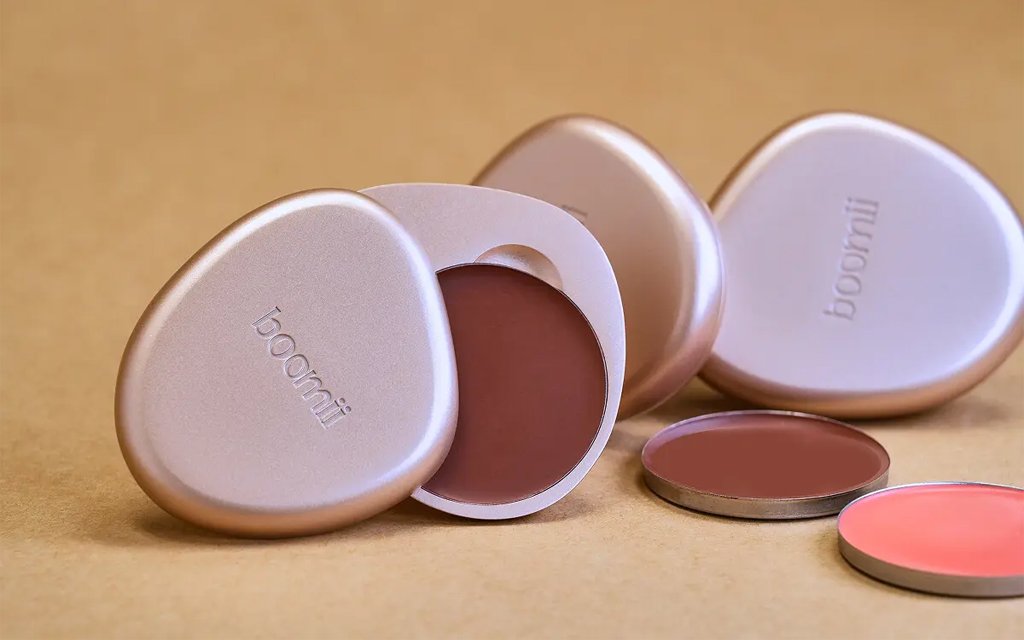
By nesting airless inserts inside highly durable, gorgeous outer shells made of glass, aluminum, or heavy paperboard, brands are changing the consumer relationship with the product. When the primary packaging feels like a permanent, aesthetic personal accessory rather than trash, consumers treat it like a keepsake. Brands might invest more upfront to create a durable outer shell and find that it pays off in the long run by locking in repeat cartridge purchases and driving long-term loyalty.
4. Optimize the Infrastructure You Already Have
It’s easy to get distracted by the latest biomaterials hitting the market. However, Leo offered a grounded reminder for brands under tight compliance timelines: sustainable design doesn’t always require inventing something entirely new.
In fact, some of the smartest design work happening right now involves spending more time optimizing and re-engineering materials that already have widely implemented recycling and recovery infrastructures.
For example, by using established, easily recyclable materials like paper to engineer highly robust protective cushioning systems, you ensure the packaging is recycled. You win by bypassing years of testing required for unproven materials, and waste management systems win because most communities are already fully equipped to handle these materials.
What’s Next? Join Our Upcoming Webinar
Navigating tight deadlines and worried your packaging’s aesthetic will take a hit under new regulations? We’re diving deeper into exactly that for our next session with our partner rePurpose: EPR Compliance doesn’t have to kill your design. See the proof.

In this webinar, cohosted with rePurpose, we’ll have an open discussion about how EPR is reshaping packaging requirements across the country and how these changes don’t have to mean ugly boxes, stripped-back labels, or sacrificing the shelf presence you’ve worked hard to build.
This webinar digs deep into why we are bringing together packaging designers and compliance experts to show what’s actually possible when you treat regulation as a creative brief, not a ceiling. Using real data from our partner, rePurpose, and our expertise, we’ll show how brands are reducing their EPR fee exposure through smarter material and design choices—and coming out the other side with packaging that’s more premium, not less.
The post Beating the Compliance Clock: 4 Practical Packaging Lessons from Zenpack appeared first on Zenpack Blog.


