
A small bedroom can feel like a challenge, but it can also feel like the start of a magical transformation. Something is inspiring about watching a tiny, cramped space turn into a peaceful, stylish retreat. With the right choices, textures that calm the mind, furniture that doubles as hidden storage, lighting that sets the mood, an ordinary room can suddenly feel bigger, brighter, and far more functional. And the best part? These changes don’t require fancy tools or interior design knowledge. Just a little creativity…and a few clever ideas you’re about to discover.
If the heart beats a little faster at the thought of creating a dreamy sleeping space without expanding the walls, then this guide unlocks the door. Let’s dive into 16 bedroom ideas for small rooms that bring out the beauty in compact spaces while keeping everything simple, practical, and deeply satisfying.
Soft Color Palettes That Make a Room Feel Larger
Source – maureenstevensdesign
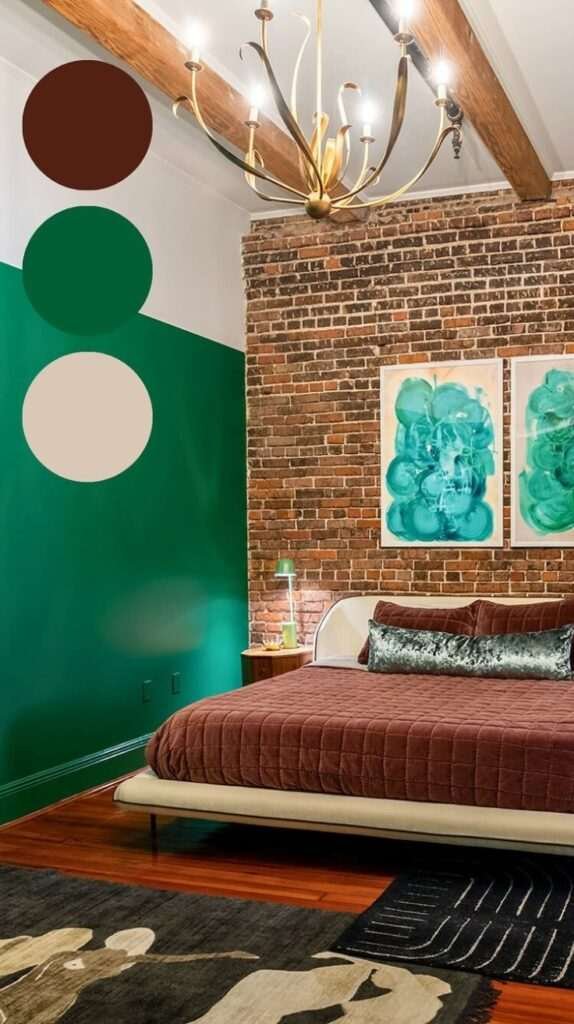
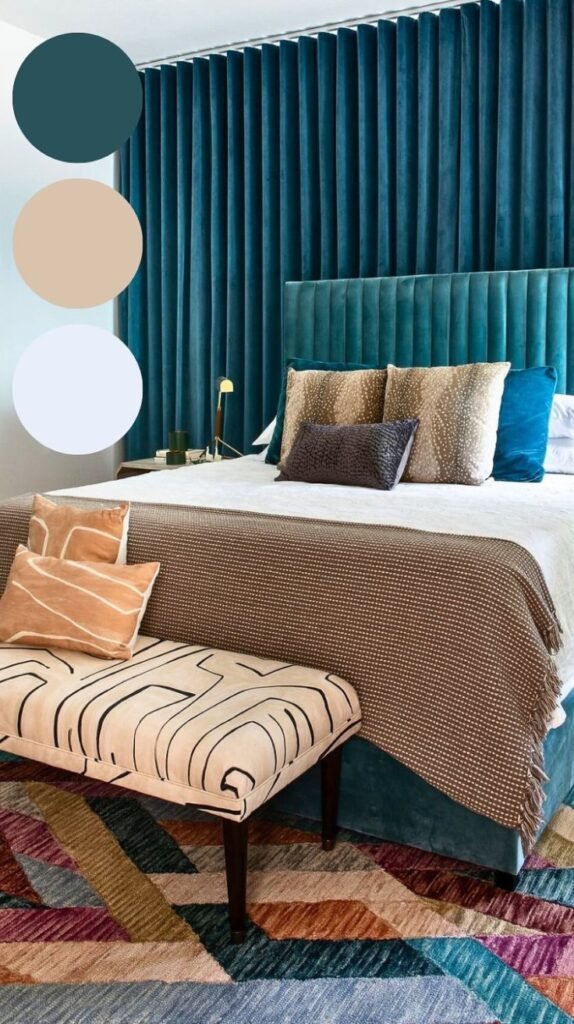
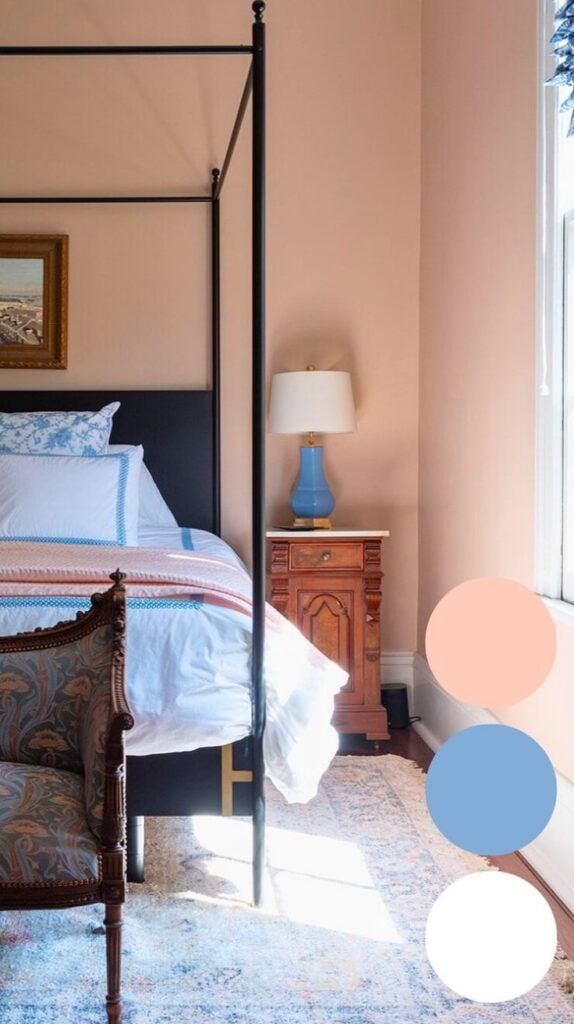
Soft colors have the power to immediately shift the atmosphere of a cramped bedroom. Lighter shades, especially neutrals like ivory, mist gray, beige, or powder blue, bounce light around the room and create the illusion of openness. When the walls melt into gentle tones, the space feels airy instead of boxed in.
Layering colors also adds depth. For example, soft cream walls paired with muted blue bedding and natural wood accents create a relaxing environment. Light color palettes are also very forgiving; they blend easily with different textures, patterns, and décor styles.
Another hidden benefit is the emotional effect. Gentle colors calm the mind, reduce visual tension, and make bedtime feel more peaceful. Even small bedrooms with limited windows can feel refreshing when bathed in soft tones. Instead of fighting the size of the room, these hues work with it, shaping a restful sanctuary that feels bigger than it really is. And just wait, things get even more exciting when paired with the next décor trick.
Multi-Functional Furniture That Works Overtime
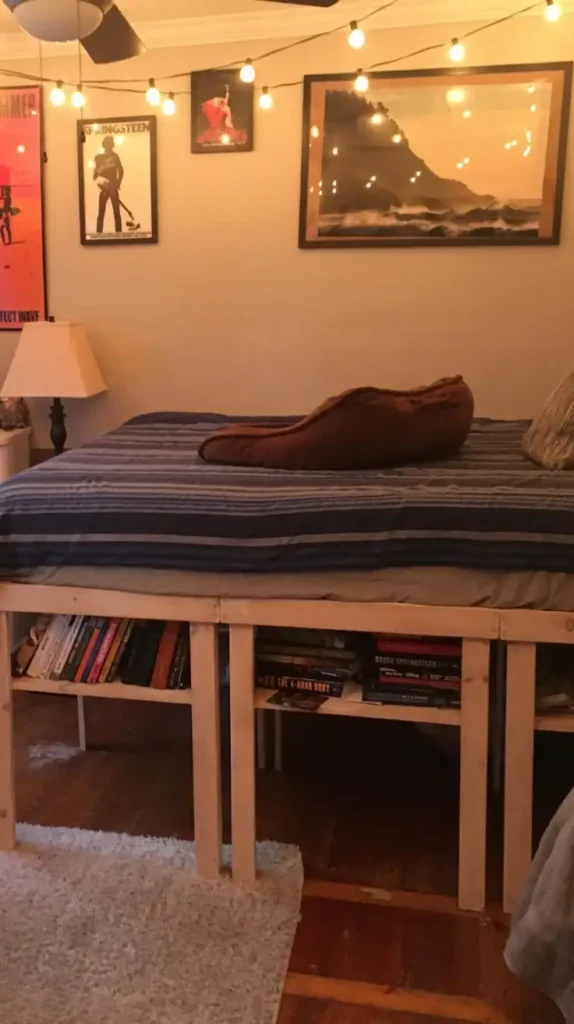
In a small bedroom, every piece of furniture needs a purpose, sometimes two or three. Multi-functional furniture helps keep clutter off the floor and makes the space easier to use. A bed with built-in drawers, for example, eliminates the need for bulky dressers. A nightstand with shelves turns into a mini-storage hub.
One popular idea is replacing a regular bed frame with a storage platform. This style offers hidden compartments perfect for seasonal clothing, extra pillows, or sheets. Another great option is a fold-down desk attached to the wall. When it’s not in use, it stays flush and frees up walking space.
Even seating can multitask. Benches with lids, ottomans with compartments, and stools that double as nightstands help small rooms stay organized. These pieces create a sense of flow—nothing feels crammed in or out of place. Small spaces thrive when every item earns its keep, and multi-functional pieces make that possible with style and ease.
Vertical Space That Changes Everything
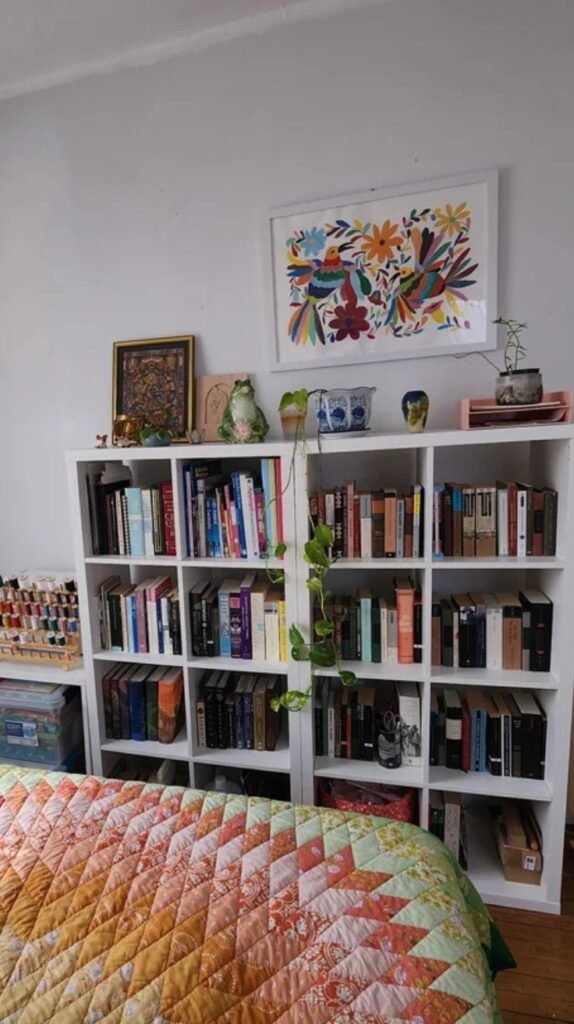
One of the biggest secrets in small room design is to look up, because vertical space is gold. Many bedrooms feel cramped, not because of the floor area, but because the walls aren’t being used effectively. Tall shelves, narrow bookcases, and wall-mounted organizers draw the eyes upward and make the room appear taller.
Installing floating shelves allows the room to breathe while still offering storage. They hold books, plants, artwork, and bedside essentials without crowding surfaces. High-mounted racks can store off-season items in pretty baskets, keeping everything tidy. Even the back of the door can become valuable storage space with the addition of hooks, pocket organizers, or hanging racks.
This vertical approach not only frees the floors but also organizes clutter in a visually pleasing way. The room suddenly feels structured and intentional, not chaotic. And once the walls take on their new role, the overall space feels more open and inviting, almost as if the ceiling had magically lifted.
Bedding Choices That Bring Comfort and Style
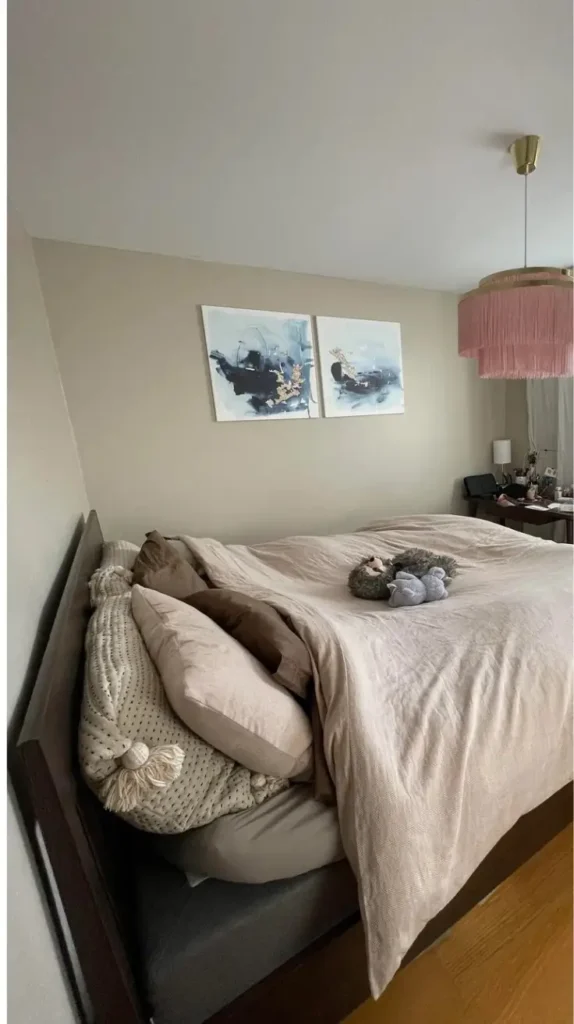
Bedding does more than make a bed look nice; it sets the tone for the entire bedroom. Choosing the right fabrics and colors can make a small room feel cozy instead of crowded. Lightweight duvets, breathable sheets, and soft textures add comfort without overwhelming the space.
Patterns can be used strategically. Thin stripes create a sense of length, while small prints add character without feeling too busy. Neutral bedding with pops of subtle color helps balance the room. Layering blankets and throw pillows adds warmth and style while still keeping things visually calm.
Another helpful trick is keeping the bed size appropriate for the room. A massive California king in a tiny bedroom feels overpowering, while a full-size or queen maximizes comfort and maintains balance. The bed is the biggest piece of furniture in the room, so every bedding choice, from texture to thickness, plays a major role in making the space feel just right.
Read – Stylish Bedding Ideas
Under-Bed Storage That Saves the Day
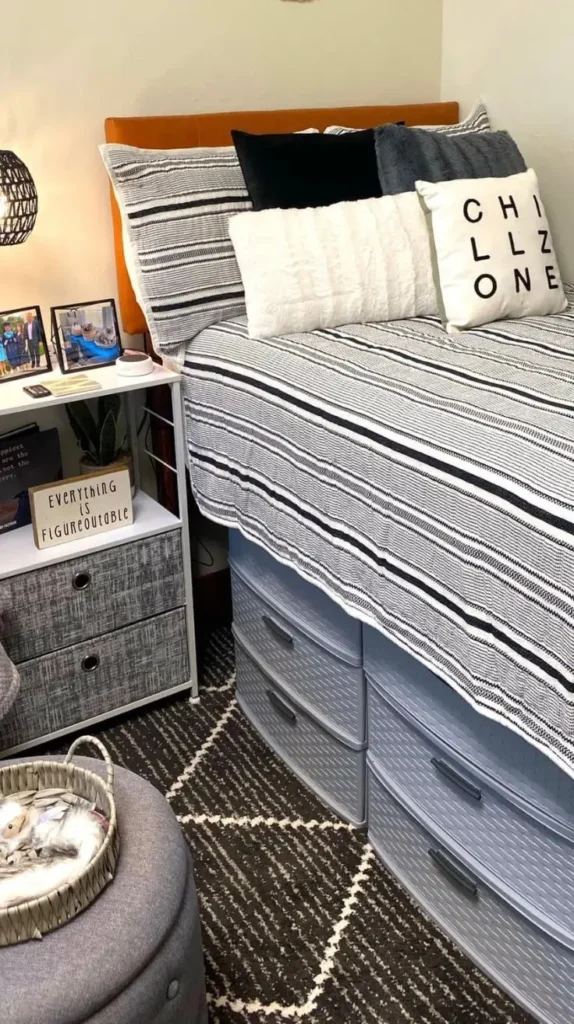
The space under the bed often goes unused, but it can become one of the most valuable storage spots in a small room. Slim containers, rolling drawers, woven baskets, or vacuum-sealed bags all fit neatly beneath the bed and keep the space clean.
This hidden zone is perfect for storing seasonal clothes, extra linens, shoes, books, and belongings that aren’t needed daily. Using matching containers enhances the room’s look, giving the space a calm, organized feel instead of a cluttered one.
Some beds even come with built-in compartments that lift up or slide open. These options maximize storage without needing additional furniture. When clutter disappears, the bedroom immediately feels bigger and more relaxing. Under-bed storage turns a forgotten space into a brilliant system that keeps everything tidy without taking away from the room’s style.
Mirrors That Expand the Space Visually
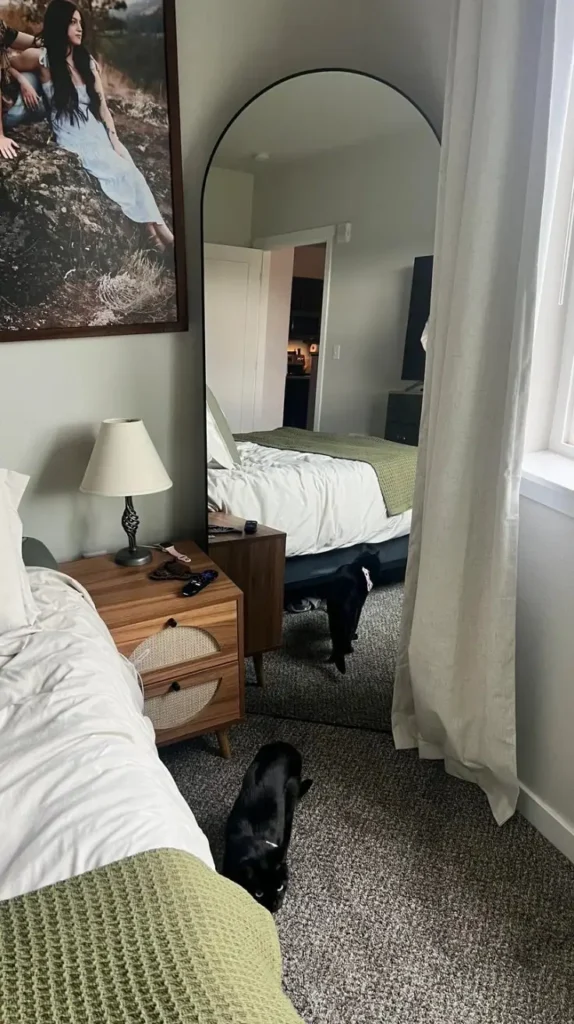
Mirrors are pure magic in small bedrooms. They reflect light, widen narrow spaces, and create depth where there wasn’t any before. A large mirror placed opposite a window brightens the entire room. A full-length mirror on the closet door adds height and dimension.
Mirrored nightstands or dressers can reflect light without looking flashy. Even a cluster of small decorative mirrors arranged like art can amplify brightness. The trick is to place mirrors strategically so they enhance natural light and open up the space.
This technique works especially well in rooms with limited sunlight. The reflections make the space feel airy, even on cloudy days. Mirrors add elegance and visual softness while transforming the room’s entire mood. Small rooms suddenly feel spacious, lively, and full of charm.
Wall-Mounted Lighting for Free Space
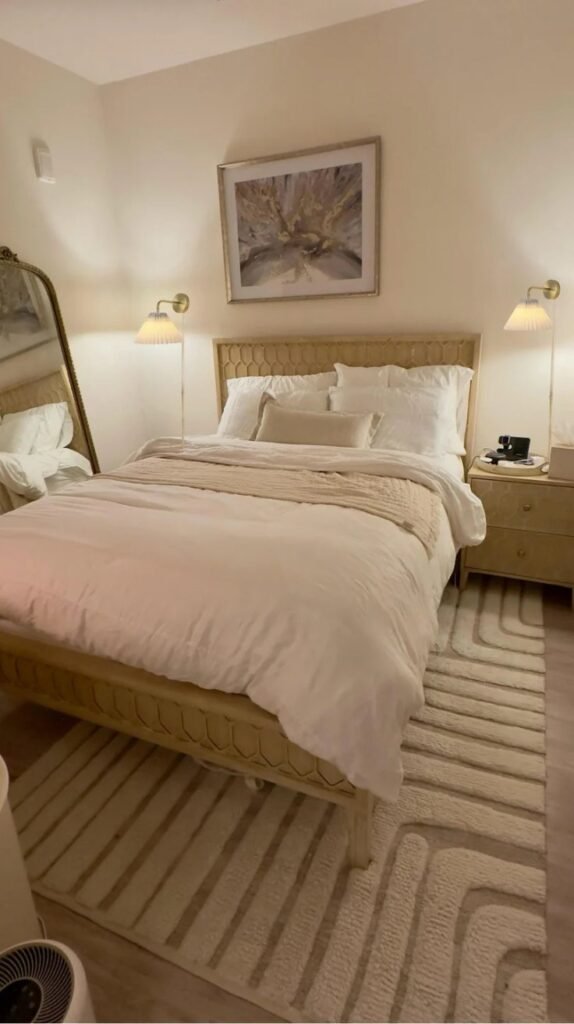
Table lamps are great, but they can steal valuable space in a small bedroom. Wall-mounted lighting frees up surfaces and adds a modern touch. Sconces, plug-in lamps, or adjustable reading lights offer focused brightness without cluttering nightstands.
These fixtures also control the mood of the room. Soft warm lighting creates a calming atmosphere perfect for bedtime. Brighter white lighting boosts energy in the morning. Adjustable lamps give both options.
Mounting lights at the right height can create symmetry, enhance décor, and draw attention upward. This gives the room a sense of spaciousness. Wall-mounted lighting also makes the space feel more customized and thoughtful, like a design from a boutique hotel. With the light placed off the tabletops, the room feels tidy, open, and easy to move around in.
Accent Walls That Add Depth
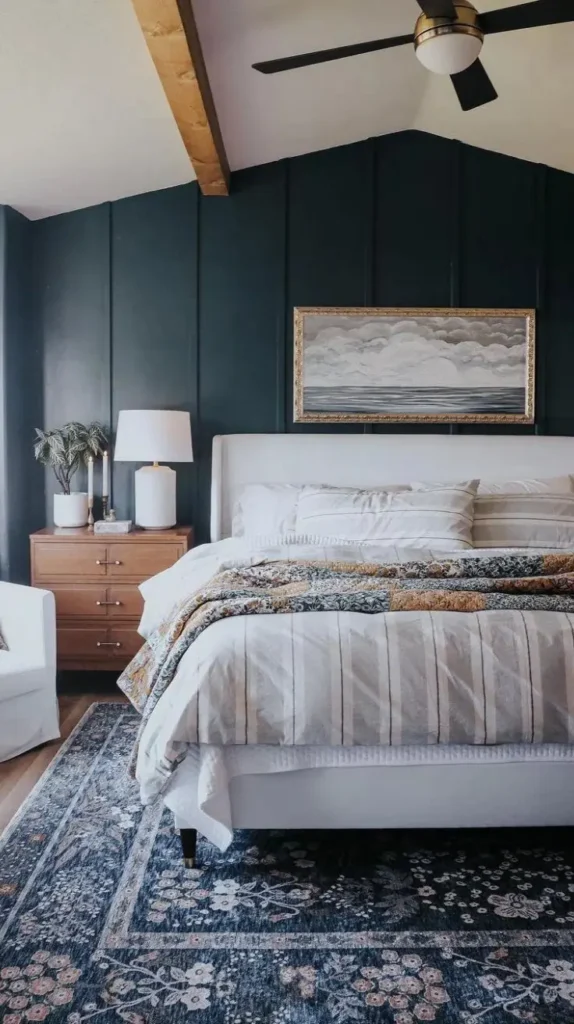
A small bedroom doesn’t need to be plain. An accent wall brings texture, personality, and visual depth without closing in the space. Soft tones like sage, dusty rose, or sandy beige add character. Patterned wallpaper with subtle designs, linen textures, delicate stripes, and watercolor prints can elevate the entire room.
The best location is usually the wall behind the bed. It naturally becomes a focal point, grounding the room and giving it structure. This also draws attention away from the small size of the room, shifting focus to style.
Accent walls can also highlight artwork, statement headboards, or floating shelves. They create dimension, making the room feel layered and thoughtfully designed. The right accent wall can turn a plain, compact room into a soothing escape full of personality and warmth.
Read – Accent Wall Ideas
Floating Shelves That Keep Surfaces Clear
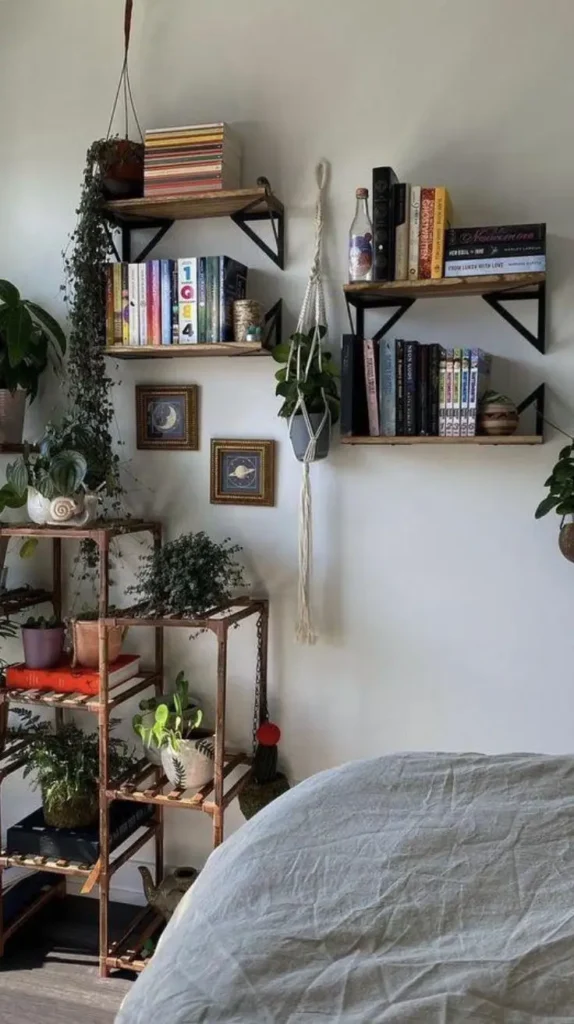
Floating shelves are lifesavers in compact bedrooms because they offer storage without taking up floor space. Their clean, airy look makes the room feel modern and open, especially when installed above nightstands, desks, or dressers. These shelves can hold books, plants, art pieces, or even small storage baskets, all while keeping the room clutter-free and easy to navigate.
The beauty of floating shelves lies in how they blend function and decoration. Instead of adding bulky cabinets or tables, these slim platforms let the walls do the work. Whether placed in symmetrical pairs or staggered for a stylish layout, they bring visual interest without overwhelming the room.
Another advantage is how much personality they deliver. A few well-chosen items, a framed photo, a candle, a small vase, or a stack of favorite reads, instantly add warmth. Floating shelves help the room breathe. They create order, enhance décor, and open up valuable space, making small bedrooms feel more balanced and inviting from every angle.
Sliding Doors That Free Up Space
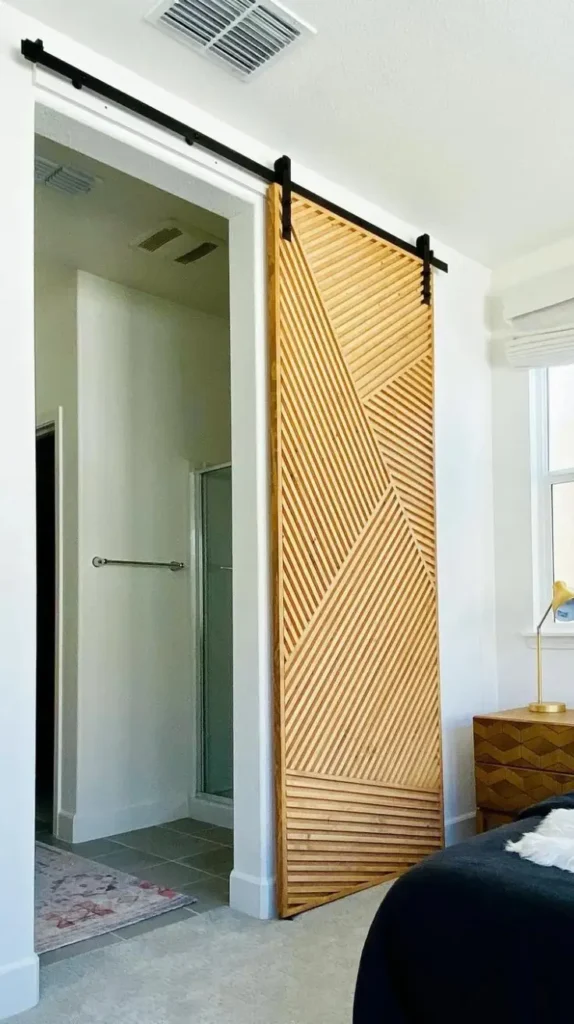
Traditional doors swing outward or inward, claiming precious space that small bedrooms cannot spare. Sliding doors, on the other hand, move smoothly along the wall or into a hidden pocket, leaving every inch of the room usable. This small change makes a significant difference, especially in bedrooms where furniture placement is tricky.
Sliding closet doors can transform storage areas into beautiful design features. Wooden finishes add warmth, mirrored panels brighten the space, and frosted glass introduces a modern touch. Instead of feeling boxed in by bulky doors, the room becomes streamlined and easy to move through.
Bedroom entry doors can be replaced with barn-style sliders for a rustic charm or sleek rail-mounted panels for a minimalist feel. This approach gives the room character while also solving spatial limitations. With the extra clearance, furniture can be rearranged more freely, and the room feels instantly larger. Sliding doors combine practicality and personality, turning tight quarters into a comfortable retreat.
Minimalist Decor That Reduces Visual Clutter
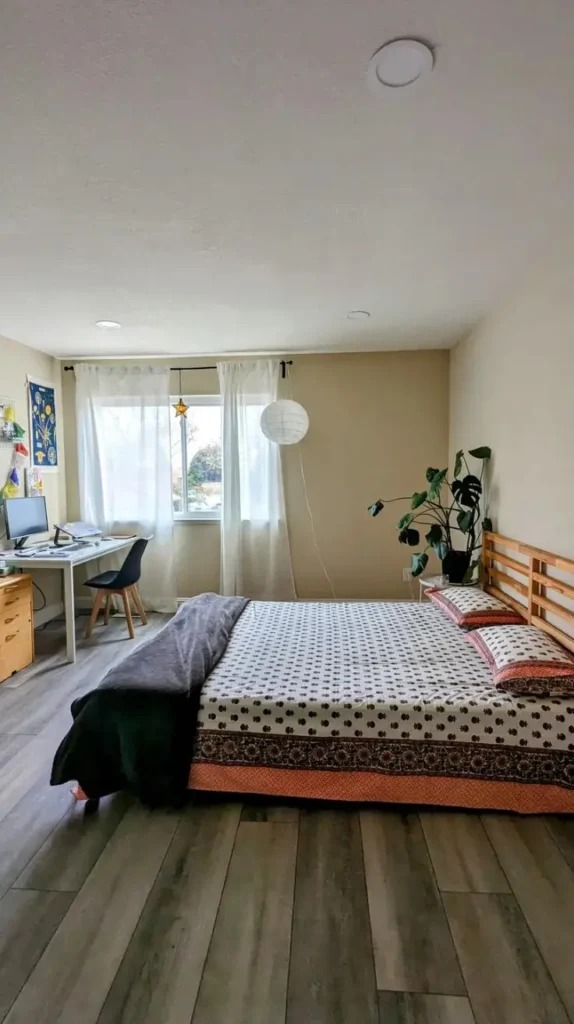
Minimalist décor doesn’t mean giving up comfort or beauty; it means removing distractions that crowd the mind and the room. Keeping surfaces clear, choosing simple décor, and allowing negative space to breathe transform small bedrooms into peaceful, rejuvenating spaces.
Neutral tones, streamlined furniture, and clean lines help create a sense of spaciousness. Instead of filling the room with multiple décor pieces competing for attention, a minimalist approach focuses on a few high-impact items, a statement pillow, a soft rug, or one beautiful piece of art. The room remains calming, intentional, and welcoming.
This style also supports better organization. When fewer items fill the room, it becomes easier to maintain a clean, peaceful environment. Clothes, books, and accessories stay where they belong because the space isn’t overflowing with décor. Minimalist design simplifies daily living, keeps stress low, and makes small bedrooms feel open and serene. The result is a restful atmosphere that feels larger than its square footage suggests.
Layered Lighting That Creates Mood
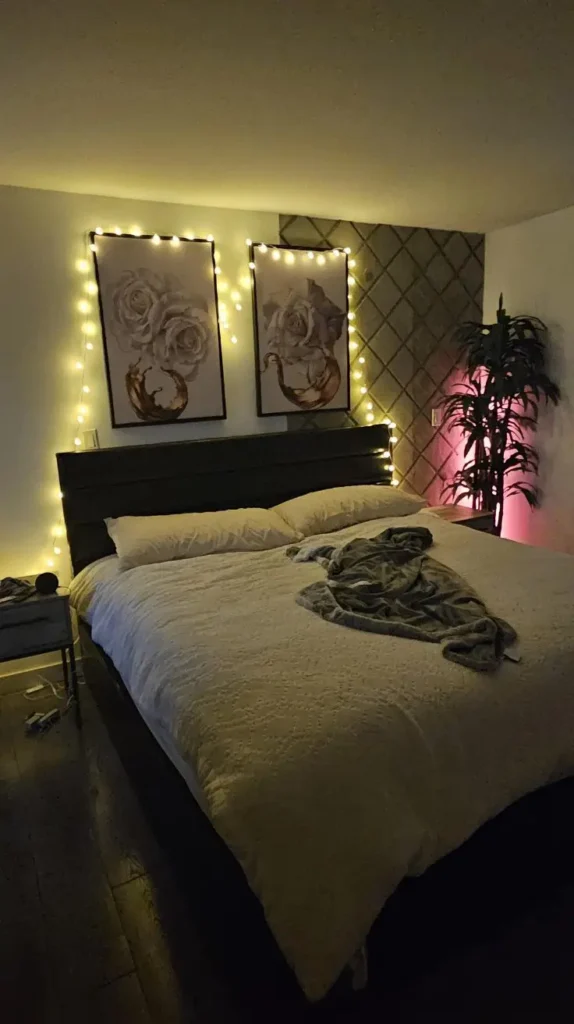
Small bedrooms benefit greatly from layered lighting because it creates depth and adds dimension. Instead of relying on a single overhead fixture, combining different light sources, task lighting, ambient lighting, and accent lighting enhances the room’s mood. Warm bedside lamps create comfort, while soft string lights add gentle charm. Small LED strips under shelves or behind the headboard create a subtle glow that feels cozy and relaxing.
Layered lighting makes the bedroom adaptable. Morning routines become easier with brighter, energetic light. Evenings feel calmer with soft, warm tones that help unwind. Adjustable lamps give more control, while decorative lighting adds personality.
This multi-level approach also highlights textures and features. It brings focus to bedding, wall art, and architectural details without overwhelming the space. With careful placement, lighting can shape a compact bedroom into a soothing retreat. The room feels thoughtful, styled, and full of character, even without adding extra furniture or décor.
Compact Nightstands That Still Offer Storage
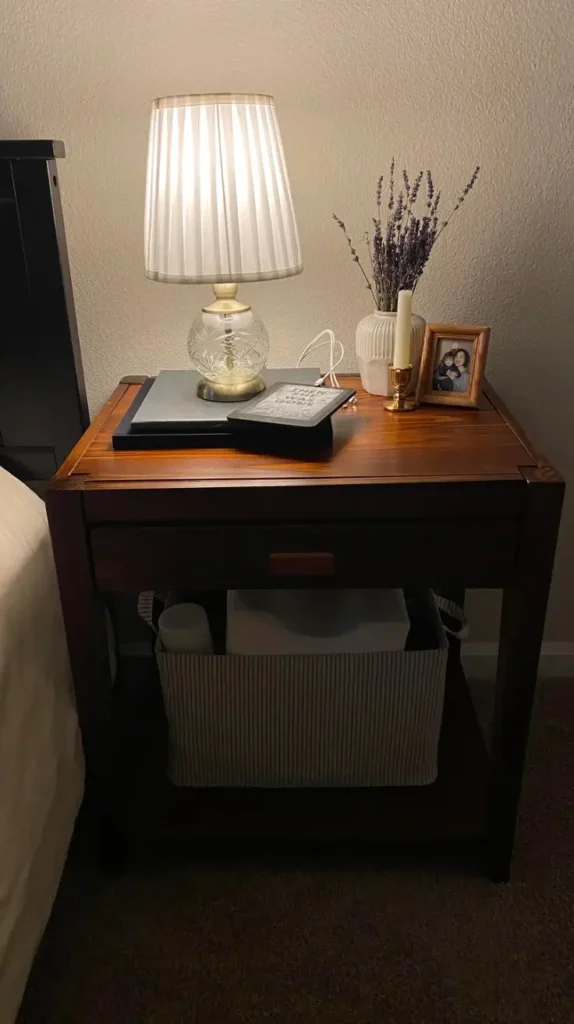
Nightstands don’t need to be large to be useful. Compact designs with drawers, shelves, or hidden compartments keep essentials close while saving space. These smaller tables fit perfectly beside the bed without crowding walkways or blocking other furniture.
Choosing nightstands with vertical storage, such as narrow shelving or open cubbies, maximizes function. They hold books, chargers, glasses, and lamps without making the room feel cluttered. Wall-mounted nightstands are also handy for especially tight spaces. They stay off the floor and create a clean, floating effect that energizes the room.
Even simple crate-style stands, or small stools, can be transformed into functional bedside tables with a little styling. Adding a cozy lamp, a small tray, or a single decorative item keeps things organized and visually appealing. Compact nightstands provide the storage needed for daily living while helping the room maintain a balanced and spacious look.
Statement Headboards That Elevate Style
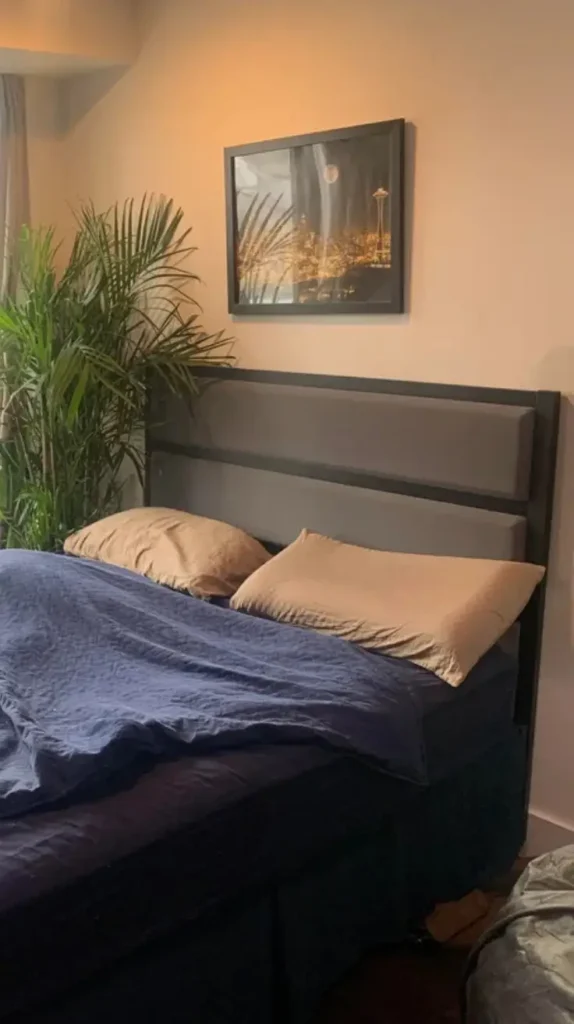
A striking headboard instantly upgrades a small bedroom, giving it a central focal point that draws the eye upward. This effect adds height and makes the room feel more expansive. Upholstered headboards bring softness and comfort, while wooden or rattan designs introduce texture and charm.
Statement headboards don’t need to be large or extravagant. Even slim, tall designs create a bold appearance. Some headboards come with built-in shelves or lighting, combining beauty with function, an ideal combination for small spaces. Fabric headboards in calming tones can also provide a cozy backdrop that sets the tone for the entire room.
Patterns and materials play a major role, too. A tufted design adds elegance. Cane patterns add warmth. Sleek metal designs lean modern. These headboards create structure and personality without crowding the space. They elevate the room’s identity and make even the smallest bedrooms feel intentional, welcoming, and stylish.
Hidden Storage That Keeps the Room Tidy
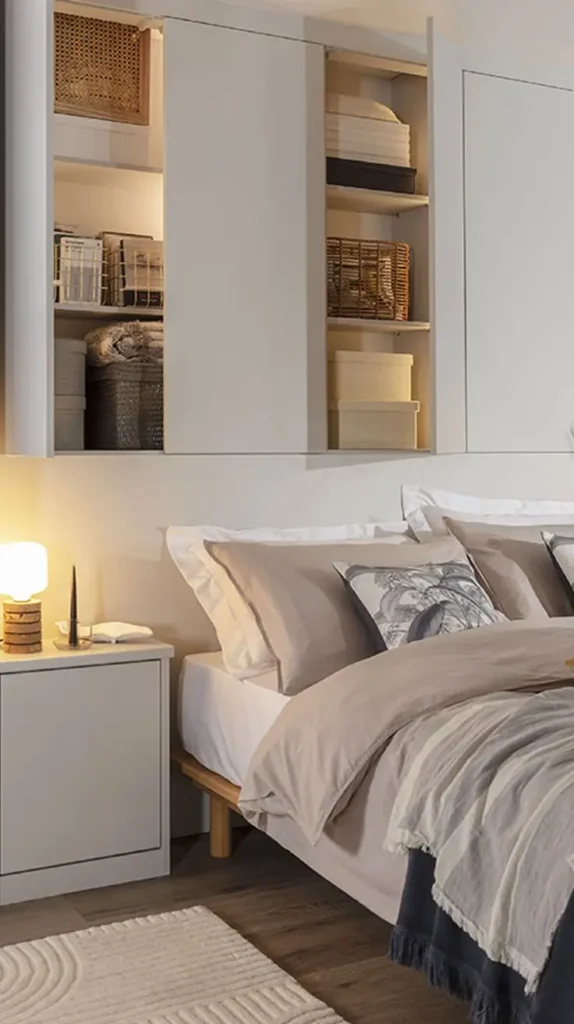
Hidden storage is one of the smartest strategies for maximizing space and maintaining a clean look. Concealed compartments under the bed, behind mirrors, inside benches, or within folding furniture keep clutter out of sight while still close at hand. This approach allows small bedrooms to feel spacious and organized at all times.
Benches with lift-up lids, beds with storage platforms, and ottomans with hidden chambers all serve double duty. They hold blankets, clothing, accessories, and more without adding visible bulk. Wall décor with secret compartments or storage-friendly headboards also adds clever functionality.
The real magic of hidden storage is how it transforms the room’s energy. When surfaces stay clear, and belongings stay tucked away, the space feels calm and breathable. A tidy environment makes unwinding easier and gives the bedroom a peaceful aura. Hidden storage keeps everything practical while still making the room look stylish, polished, and thoughtfully arranged.
Rugs That Define and Warm the Space
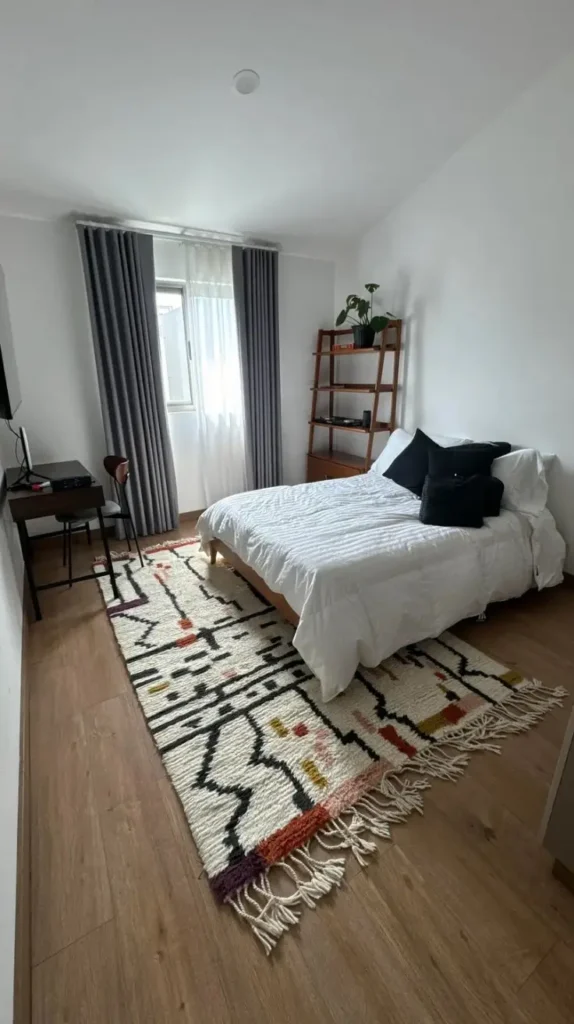
A soft rug has the power to anchor a small bedroom, bringing warmth and texture while defining the layout. Even in tight spaces, a well-chosen rug can make the room feel grounded and complete. Larger rugs that extend slightly beyond the bed create the illusion of more space, while smaller accent rugs add comfort near reading nooks or vanity areas.
Textures such as plush, woven, or low-pile fibers introduce personality without overwhelming the room. Light or neutral colors brighten the space, while subtle patterns add depth. Rugs also reduce noise, making the room feel more peaceful and cozy.
Beyond aesthetics, rugs help structure the layout. They can separate functional zones, such as sleeping and dressing areas, making the room feel more spacious and organized. A beautiful rug pulls the décor together, softens the atmosphere, and adds a finishing touch that boosts both comfort and style.


