

In today’s competitive business world, fostering a culture of care within the company is not just a luxury – it’s a necessity. Prioritizing and elevating employee well-being in the workplace is ethically sound and makes good business sense. To help you build a culture of care, here are various aspects of safety, catering to the diverse needs of workers across different roles. From desk-bound employees to those working with hazardous materials, creating a comprehensive approach ensures the health of every team member.
Caring for the well-being of desk-bound employees
For employees spending long hours at a desk, ergonomic furniture is a welcome consideration. Providing adjustable chairs, proper lighting, and ergonomic accessories can significantly reduce the risk of musculoskeletal issues.
Other things you can do are encourage regular breaks, incorporate standing desks, and promote exercises like desk stretches to contribute to a healthier work environment. Also, having an open dialogue about posture and wellness, as well as involving employees in the decisions regarding their workspace setup, can encourage them to have an active role in their well-being.

Mitigating challenges of computer workers
Employees glued to computer screens face their own set of challenges, including eye strain and digital fatigue. Implementing the 20-20-20 exercise can alleviate eye strain and help them reset their mind, for instance. This is an exercise where each employee should take a 20-second break to focus on looking at an object or landscape at the 20-foot distance, and they should repeat this action every 20 minutes.
Additionally, investing in blue light-blocking screens and promoting regular eye check-ups contribute to sustained well-being, as well. Employers can also support computer workers by organizing workshops on effective time management, helping them strike a balance between screen time and breaks, ultimately enhancing both productivity and well-being.
Addressing heights and safety
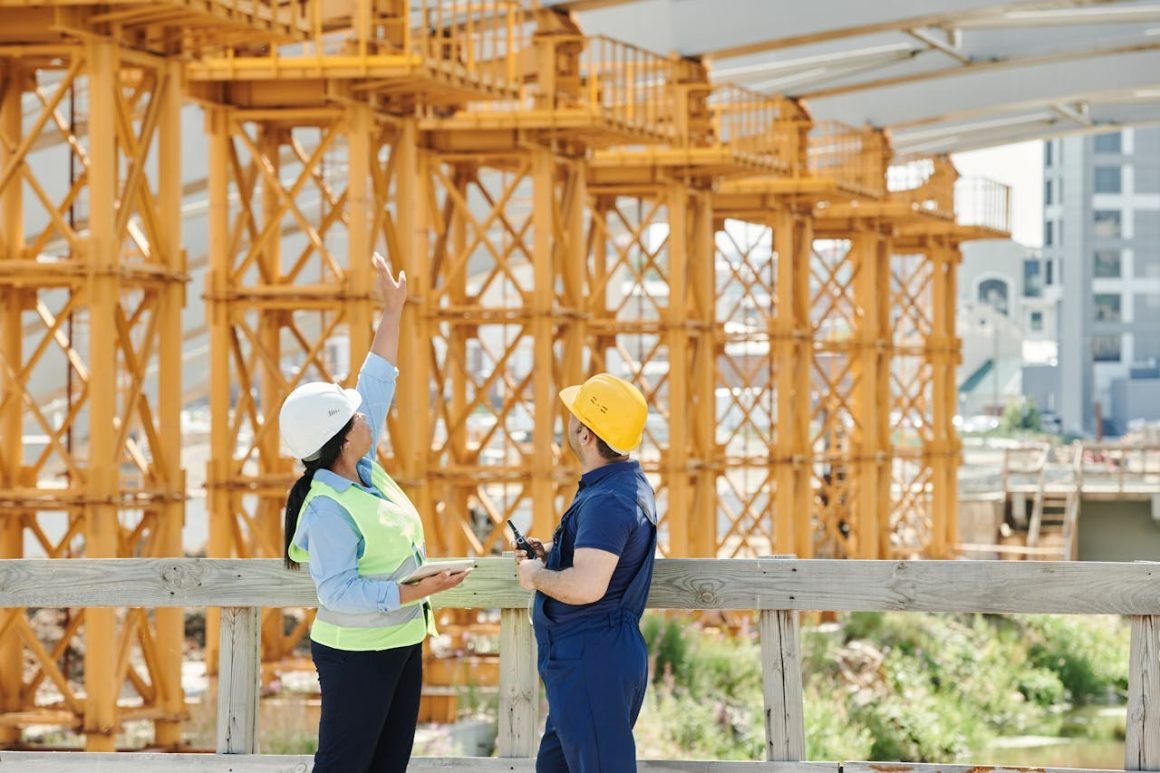
For employees working at heights, safety is paramount, making regular safety training, proper equipment, and stringent safety protocols are crucial. Ensuring that employees have access to and consistently wear safety harnesses, helmets, and other protective gear can significantly reduce the risk of accidents.
In particular, providing working at heights training courses plays a pivotal role in enhancing the safety consciousness of aerial workers. This specialized training program equips employees with the knowledge and skills necessary to navigate elevated environments securely. Training modules often include instruction on the proper use of safety equipment, hazard identification, emergency response protocols, and the psychological aspects of working at heights.
Dealing with issues from constant standing
Those who spend their workdays on their feet face a different set of challenges, from fatigue to musculoskeletal strain. By providing anti-fatigue mats, allowing short sitting breaks, and investing in comfortable footwear, employers have effective ways to enhance the well-being of employees who stand for extended periods.
Moreover, creating designated rest areas where employees can momentarily relieve the strain on their feet, like rec rooms and outdoor gardens, can build employee loyalty and dedication. After all, fostering a culture that encourages team members to support each other in managing physical challenges can contribute to a more cohesive and supportive work environment.
Protecting employees from hazardous materials
Employees working with hazardous materials require specialized care. Non-negotiable measures include providing comprehensive training on handling such materials, ensuring access to quality personal protective equipment (PPE), and implementing strict safety guidelines.
Furthermore, regular health check-ups can further identify and address potential concerns. Recognizing and rewarding employees for their commitment to safety protocols can create a positive reinforcement loop. It’s a sure way to encourage a proactive approach to well-being and safety among the workforce.
Providing appropriate protection for outdoor workers
Employees working outdoors are exposed to the elements, including extreme weather conditions, and supplying weather-appropriate gear, offering shaded rest areas, and promoting hydration are essential.
Implementing flexible scheduling during extreme weather events, for example, demonstrates a commitment to the well-being of outdoor workers. Moreover, creating a culture that emphasizes the importance of self-care, like providing resources on skin protection, empowers outdoor workers to take a proactive role in safeguarding their health.
Solving challenges of shift workers
Shift workers face unique challenges related to irregular work hours, impacting their sleep patterns and overall well-being. Employers can support shift workers by providing access to sleep hygiene education and offering mental health resources to help them cope with the demands of non-traditional schedules.
If possible, implementing a rotating shift system can contribute to a more balanced and sustainable work-life integration for shift workers. Also, periodically reviewing and adjusting schedules in collaboration with employees can create more personalized shifts that will better suit each employee.

Nurturing connections with remote workers
The rise of remote work brings its own set of well-being challenges, including social isolation and blurred boundaries between work and personal life. Use virtual team-building activities, set clear expectations for work hours, and provide resources for mental health support to promote well-being among your remote workers.
Consider offering stipends for home office setup and encouraging regular virtual check-ins to ensure they have the necessary tools and support for optimal well-being. Such employer behavior fosters a strong sense of connection and unity, making remote employees feel as part of the collective and valued.
The bottom line
Building a culture of care is an investment that brings together ethical principles and goals of success for any business. In adapting to the evolving needs of diverse roles, companies fulfill their responsibilities and create environments where individuals thrive, contributing to the overall prosperity of the organization.
The post Building a Culture of Care: Elevating Employee Well-Being in the Workplace appeared first on the chic.


