
We live in a world of sudden product shortages, whether it be a key product for preventive medicine, such as a specific vaccine, or a product to improve performance, such as a growth implant.
For example, I have just heard that Elanco, which was one of the three large companies carrying implants, is discontinuing them.
Once current supplies are gone, that is it, which is a real shame for several reasons, such as competition, availability and the fact that the implants were a great complement to all the other feedlot-specific products it carried.
This would include the entire line of implants as well as Compudose, a calf implant.
Compudose was given with a huge implant needle, which made it harder to administer. As well, although the gains were spread over many days, they were small.
Implants such as Ralgro Synovex C or Revalor G (‘G’ denotes grass implant) could all be substituted easily where Compudose was formerly used.
The issue will now be supply because the two remaining companies will need to increase production as new clients search out their implants.
This could leave everyone short, and I have always thought of the huge pushback if implants run short.
In Canada, at least implant gains can be calculated into finished weight or daily gain.
Feedlot producers, in particular, know the large return on investment and how safe they are. Almost all cattle in Canada are implanted at least once.
The European Union’s zero tolerance on implants is nothing more than a trade barrier, in my opinion.
READ MORE: When it comes to cattle processing, aim for safety
Anyone using these component implants will need to source them elsewhere.
It’s why feedlots should keep a large enough inventory on hand of vaccines, parasite treatments, implants and any other routine products.
Expiry dates must be watched, but they really are more of a best before date, especially with products such as implants, that come in well-sealed packaging.
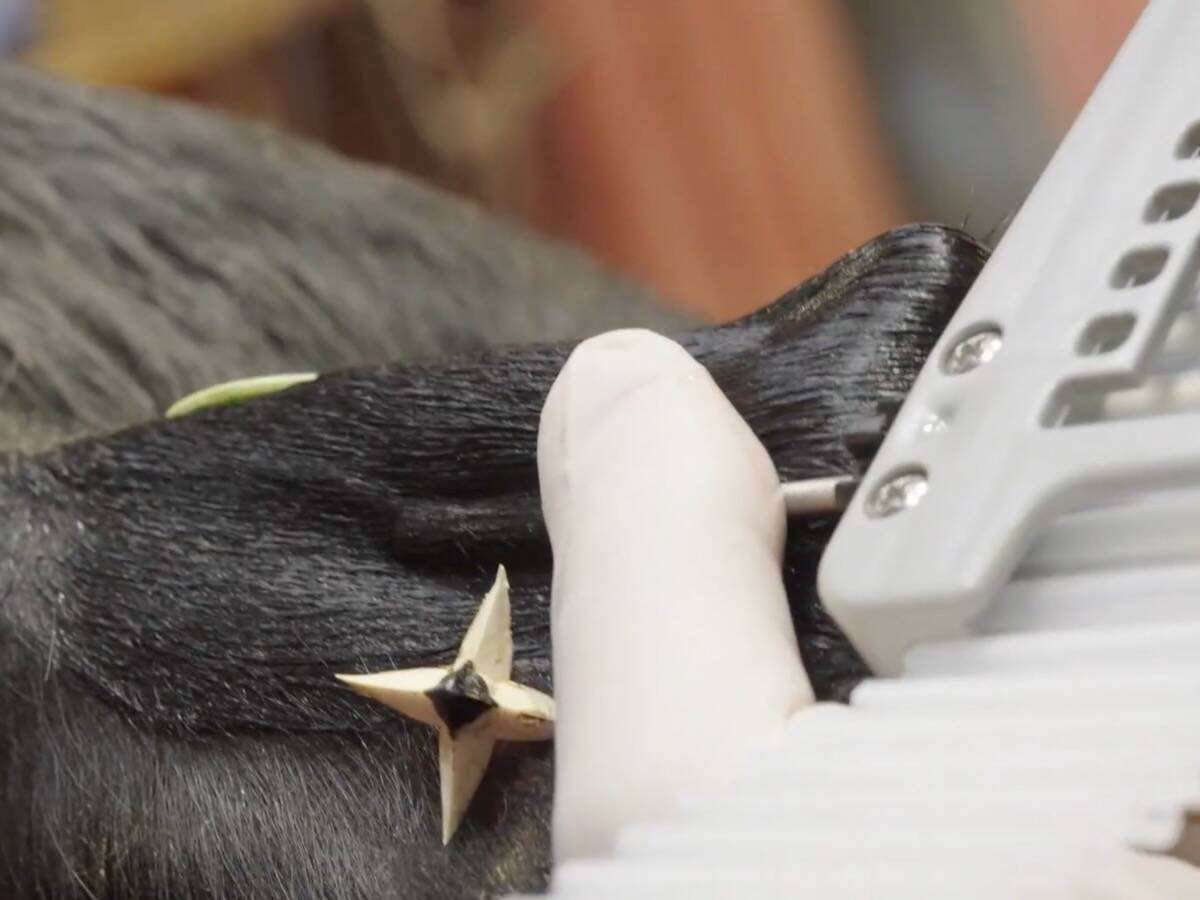
Elanco in late 2025 announced a restructuring plan that involves “our exit from certain farm animal implant products,” which includes closure of a manufacturing plant in Kansas in 2026. Photo: Elanco video screengrab
Remember that when switching component products, the gun will need to be changed as well because all companies use a unique one.
It’s like our phone chargers, which need to be changed whenever we get a new phone.
I just checked prices, and one company doesn’t charge for its implant guns or the needles, but the other does.
I can’t comment on all of Canada, but in most regions, cattle implants must be purchased through a herd veterinarian, except the calf implants.
This is partially because of the many choices and because different implants are used depending on the phenotypic type of cattle, gender and length of feeding period.
They all have zero withdrawal but do take a bit of practice to get good at administering.
Implanting increases production and is a great return on investment, whether a cow-calf producer, purebred producer, backgrounder or feedlot operator.
The only exception is if a producer is on a hormone-free or EU program.
Considerations for an implant gun
I want to write a bit about application guns in cattle production.
There is wide variation in quality, durability and accuracy, whether they be for injectable, oral or pour-on products. This has improved greatly over the decades.
Many of them used to be free, but like most things, you get what you pay for, and I have always thought that if there was a charge, they would be looked after better.
When scrutinizing application guns for accuracy, ease of use and variability, producers may find one type that works better for them.
Some kits come with variable sized tops to fit on different sized jugs of product.
Label the gun as to what product it is dispensing, wash out the O-rings and store.
These guns vary in size, and I can only assume that some companies sell them to recoup their costs, so keep that in mind.
Also, fewer products are available at the outlets than at the clinics, but many insecticides, disinfectants and equipment are still available at these outlets.
Several small animal products are available at large pharmacies, but they need to have a veterinary prescription. This seems to me to be a redundant operation, but it likely keeps the industry competitive.
However, the biggest question is not efficacy but rather, is the product totally necessary for an animal’s health? That is where having the confidence and faith in your veterinary team is so important in today’s changing world — not over-prescribing or under-prescribing.
The post Cattle producers keep close eye on pharmaceutical shortages appeared first on Farmtario.


