
The federal government is proposing new measures to make it easier to expropriate land for the proposed Alto high-speed rail line, potentially removing consultation requirements such as land hearings.
The legislative changes were revealed in the Nov. 20 Notice of Ways and Means Motion for Budget 2026. The changes would amend the High-Speed Rail Network Act, which currently requires a 30-day written objection period and allows the minister up to two years to make a confirmation decision.
WHY IT MATTERS: Farmers are concerned they will have no control over land expropriation if the legislation change moves forward.
The revised legislation would also exempt Alto from requirements under the Railway Relocation and Crossing Act, as well as certain provisions of the Railway Safety Act and Impact Assessment Act. It would also exempt the project from the Expropriation Act.
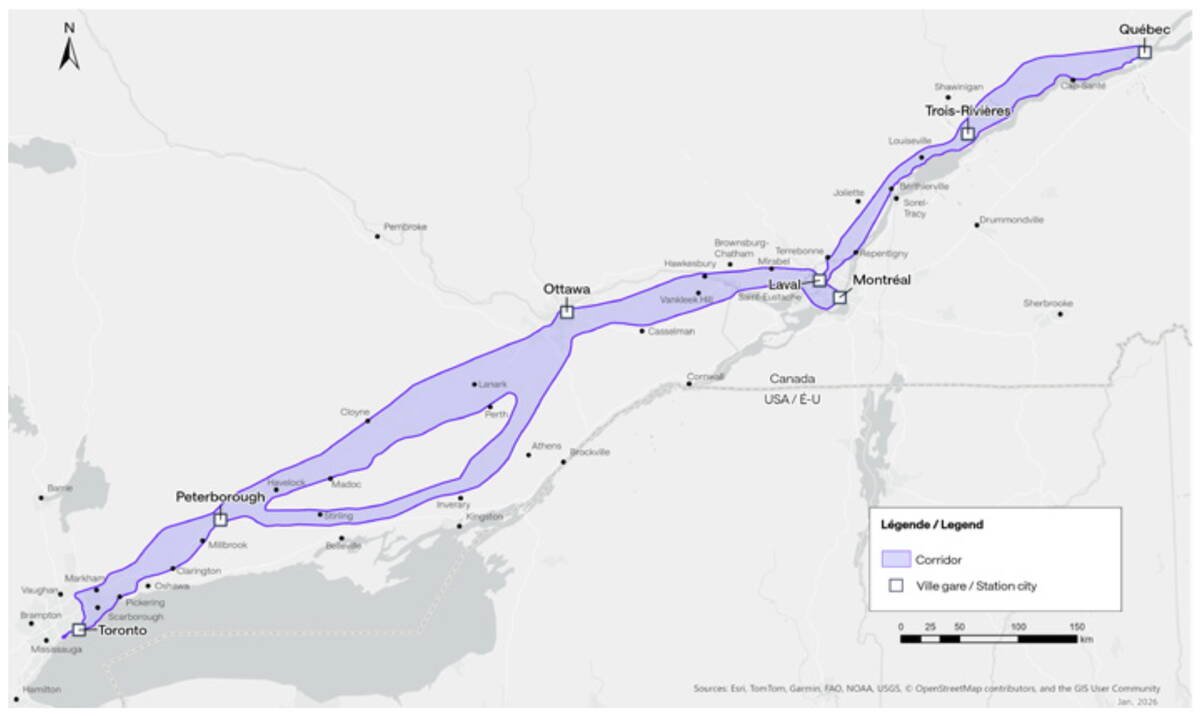
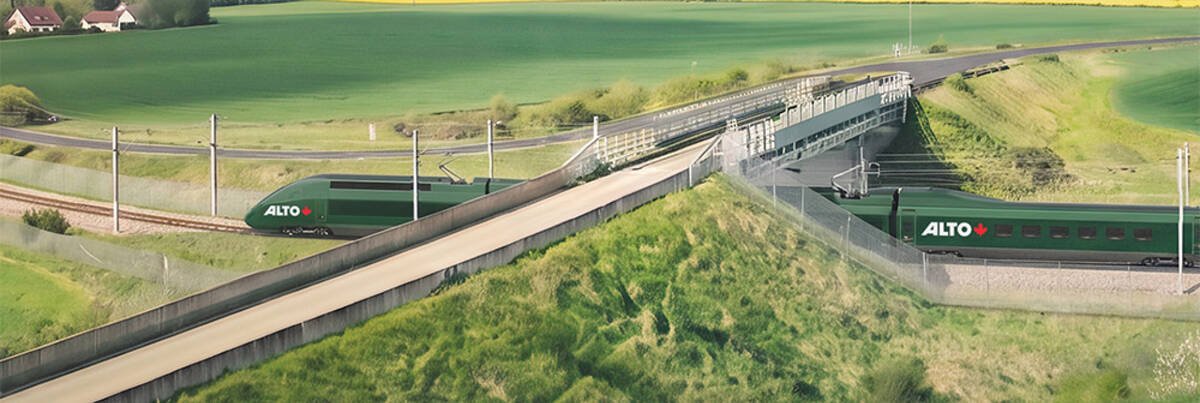
The proposed privately operated rail line, owned by Alto, a federal Crown corporation, would connect Toronto to Quebec City along a 1,000-kilometre route within an approximately 10-km-wide corridor.
A topic at the OFA AGM
Ontario Federation of Agriculture president Drew Spoelstra told attendees at the organization’s annual general meeting that he continues to have conversations with farmers who may be affected by the project.
“These farmers and business owners are literally living in fear of not knowing what is going to happen to their family farm, their home, or their business. And I think the worst part is they’re not getting any answers from the government or their local representatives,” he said.
He said the organization is calling for an independent study of the project’s economic impact on Canadian agriculture and food production.
“I want to assure you, there’s no business case for Alto high-speed rail. It makes zero sense in Canada. So why are we jeopardizing the very heart of Canadian agriculture and some of the best agricultural land in this country for a high-speed project that will benefit a few urban communities, and now to also include Windsor to extend that even further?” he said.
Mitigating the special needs of high-speed rail
In a statement, Alto spokesperson Marlee Socket said change will help identify and mitigate impacts on properties including the integration of grade-separated crossings that maintain access to affected communities and properties.
“We’re building Canada’s first high-speed rail network. That requires an updated framework designed for high-speed rail. The proposed measures would help us move forward responsibly toward the start of construction in 2029–2030. A more streamlined process does not mean reducing protections for affected property owners or project oversight,” she said.
“Alto aims to prioritize negotiated agreements and engage directly with property owners. Fair compensation will be assessed based on the circumstances of each property and farming operation, considering not only the market value of the land required, but also applicable impacts over time on the remaining property,” she said.
Kathleen O’Connell Renaud, who was recently elected to East Hawkesbury council and is one of the founders of Alt-No, a grassroots organization opposed to the development, said the move limits what municipalities can do to stop expropriation.
“I think the next steps have to be how are we going to support residents in what probably contains liens against properties,” she said. “It looks as if this government is just absolutely intent on proceeding towards either letters of offer eventually or expropriations.”
She said she expects a route announcement soon, which she has been told will be followed by letters of intent.
Renaud said early meetings with municipal officials in other regions have already included conversations about civil disobedience.
“I can’t really predict what’s going to happen when those letters come out, but I absolutely am certain that there’s going to be a lot of pushback,” she said.


