
A beautiful yard does not have to cost a fortune. Many homeowners believe that a good fence requires expensive materials, professional contractors, and a substantial budget. That belief often stops people from upgrading their outdoor space. But the truth is much simpler, and far more exciting.
Many cheap fence ideas look stylish, work well, and protect your property without draining your wallet. A well-designed fence adds privacy, security, and charm to any yard. It also increases the visual appeal of a home, making outdoor spaces feel cozy and welcoming.
Affordable fencing can come from recycled materials, creative DIY projects, or simple designs that use fewer supplies. Sometimes the most budget-friendly ideas turn out to be the most eye-catching. A rustic wooden barrier, a living green wall, or even a clever pallet fence can transform a plain yard into a space that feels warm and inviting.
This guide explores fifteen practical and attractive fencing solutions that anyone can try. Each idea keeps costs low while delivering style, function, and personality. Some options require only a weekend of work, while others slowly grow into a natural fence over time.
And the best part? Several of these ideas might already be hiding in the garage, backyard, or storage shed.
So get ready. The yard makeover starts now.
Pallet Wood Fence
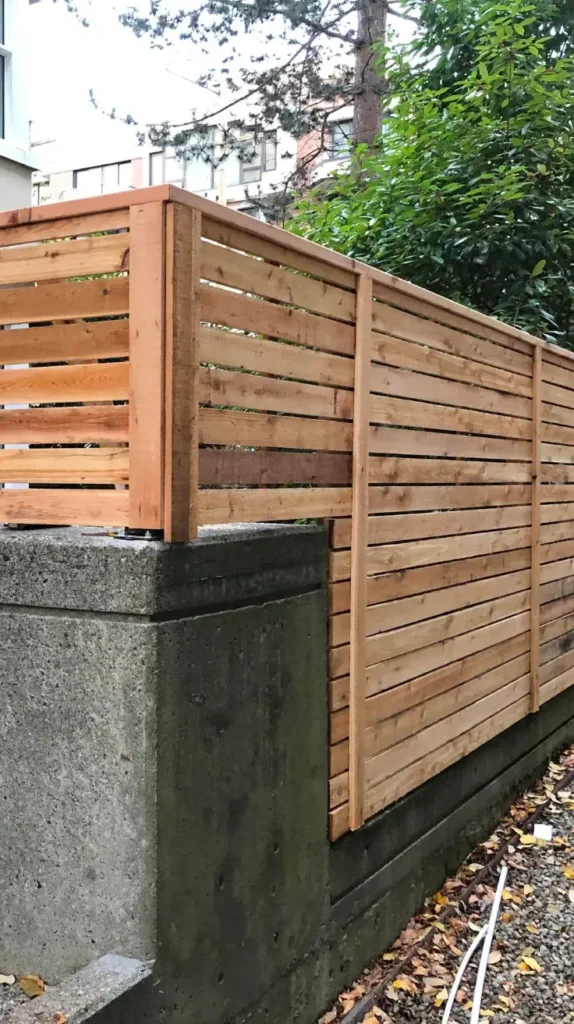
Wood pallets are one of the most popular materials for budget-friendly fencing, and for good reason. They are often free or extremely cheap, easy to work with, and surprisingly durable when treated properly.
A pallet fence works well for small gardens, backyard boundaries, or even decorative borders around outdoor seating areas. Since pallets already have a built-in structure, installation becomes simple. Instead of cutting dozens of wooden boards, the pallet itself acts as the fence panel.
The process is straightforward. Pallets can be secured to wooden posts placed a few feet apart. Screws or nails hold them firmly in place. After installation, the wood can be sanded and painted or stained to match the home’s exterior. A fresh coat of white paint creates a farmhouse look, while darker stains give a rustic countryside feel.
Another advantage is flexibility. Pallets can be stacked vertically or horizontally, depending on the height needed. Some homeowners even add flower pots between pallet slats, turning the fence into a living garden wall.
With minimal investment and a bit of creativity, pallet fencing delivers charm, privacy, and strong visual appeal without high construction costs.
Bamboo Fence Panels
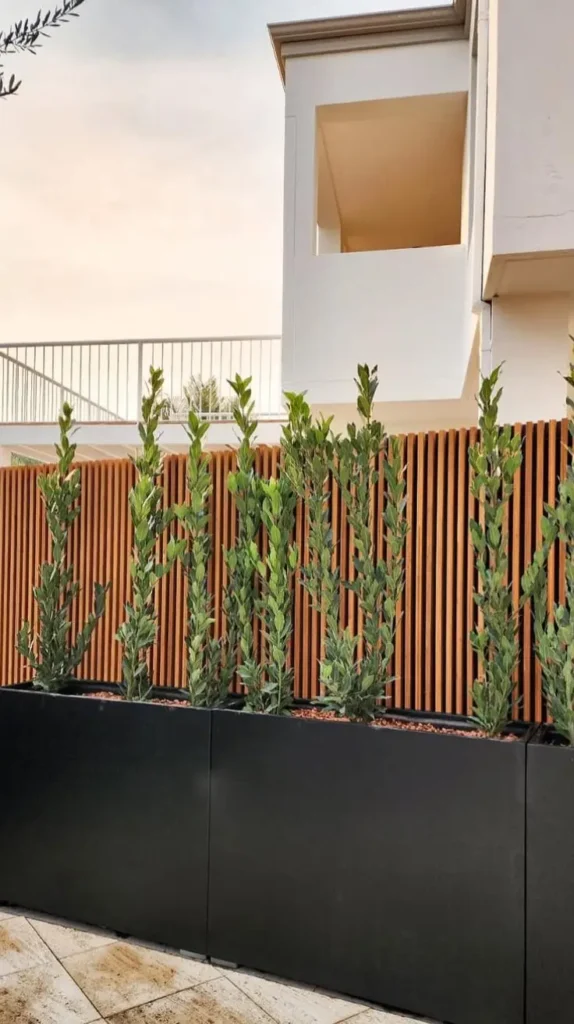
Bamboo fencing offers a natural and stylish solution that fits beautifully into gardens, patios, and backyard landscapes. Bamboo grows quickly, making it an environmentally friendly material and a very affordable option compared to traditional lumber.
Thin bamboo poles can be tied together using strong wire or rope to form panels. These panels attach easily to wooden stakes or metal posts driven into the ground. The result is a light but sturdy barrier that creates a peaceful, tropical atmosphere.
One reason many homeowners love bamboo fencing is its texture. The smooth golden stalks create visual warmth that blends perfectly with plants, trees, and outdoor decor. Even a small yard begins to feel like a relaxing retreat.
Maintenance is also simple. A clear outdoor sealant protects bamboo from moisture and sun damage. With basic care, the fence can last several years while maintaining its natural beauty.
Bamboo works especially well around gardens, patios, or small pools. It provides gentle privacy without making the yard feel closed off or heavy. For homeowners searching for affordable fencing that feels fresh and calming, bamboo offers a wonderful solution.
Wire Fence with Wooden Frame
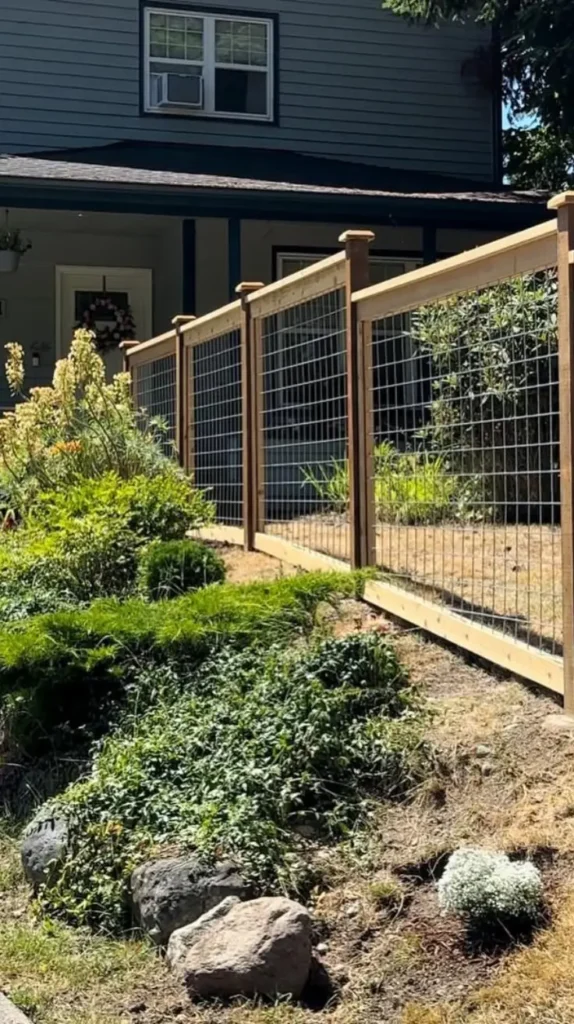
A wire fence might sound plain at first, but adding a wooden frame turns it into a stylish and practical boundary for very little money.
This design uses wooden posts and horizontal beams to create a frame. Inside the frame, wire mesh or welded wire panels are stretched tightly and secured with staples. The wire provides strength while the wood adds warmth and visual balance.
This type of fence works especially well for vegetable gardens, backyard farms, or pet areas. It keeps animals out while allowing sunlight and airflow to pass through easily.
Another benefit is durability. Metal wire handles weather well and does not rot like untreated wood. Meanwhile, the wooden frame can be painted or stained to match the home or landscape. Some homeowners also plant climbing vines along the fence. Over time, plants grow through the wire, creating a natural green wall that looks stunning while still protecting the space.
Recycled Door Fence
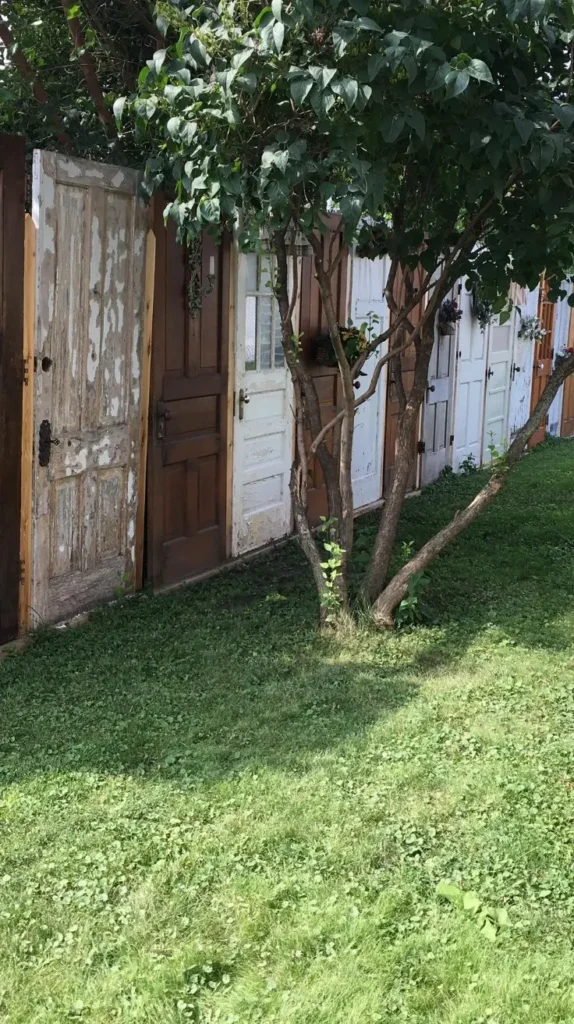
Old doors often sit forgotten in storage areas or salvage yards, but they can become one of the most creative fencing ideas available.
Each door panel already has its own character. Some feature carved wood patterns, others include glass panels, and many carry vintage details that add personality to a yard. When placed side by side, these doors form a unique and artistic fence.
Installation begins by setting strong posts into the ground. The doors are then attached using hinges or screws. Because doors vary in height and style, the final fence looks playful and visually interesting.
Painting the doors in different colors can create a cheerful garden feature. A soft pastel palette works beautifully for cottage gardens, while bold colors produce a lively backyard statement. Besides being inexpensive, this fence design also supports recycling. Materials that might have ended up in landfills instead become a decorative and functional outdoor structure.
Split Rail Fence
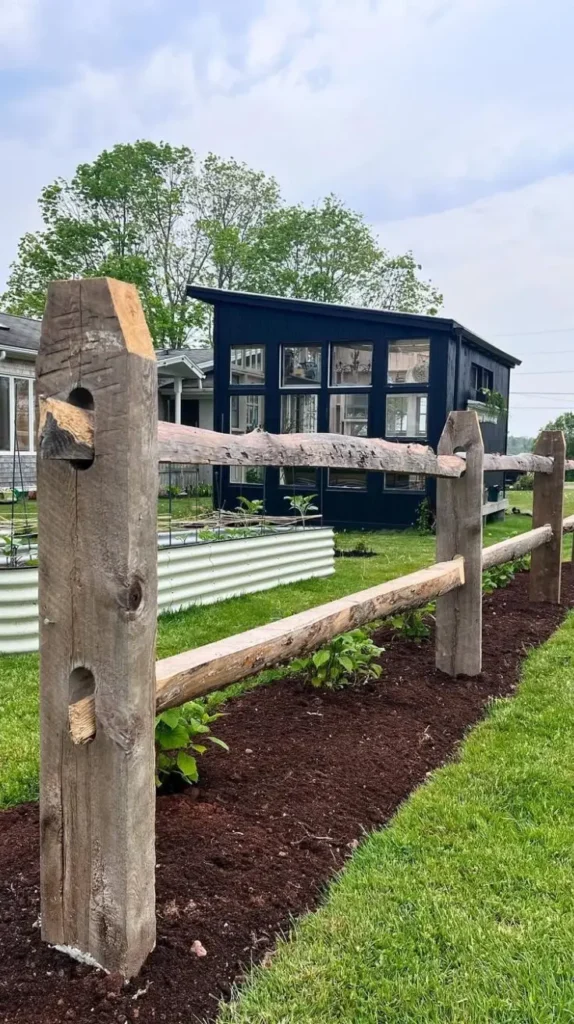
A split rail design remains one of the simplest and most traditional ways to define outdoor spaces without spending too much money. This style has been used for generations in rural landscapes because it requires fewer materials and very little complicated construction. The structure usually consists of vertical posts with two or three long horizontal rails running between them.
Because the design is open and airy, it works especially well in larger yards where homeowners want to mark boundaries without blocking beautiful views. The fence gently frames the landscape while still allowing sunlight and fresh air to flow through the space.
Wood is the most common material used for this style, and it often keeps its natural appearance. When treated with a protective sealant or stain, the wood can resist weather and remain strong for years. Some homeowners also add thin wire mesh along the inside to help keep pets safe or protect gardens from animals.
The rustic charm of this structure blends beautifully with greenery, flower beds, and natural landscaping. Even though the design is simple, it creates a welcoming countryside look that adds character to any outdoor area.
Living Plant Fence
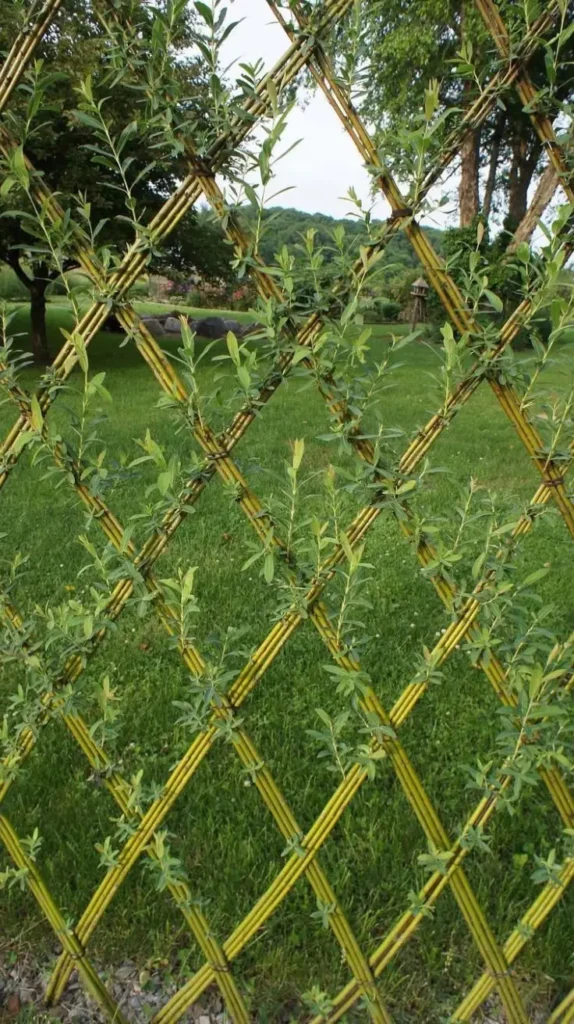
A living plant fence offers a beautiful natural alternative to traditional fencing materials. Instead of wood or metal panels, thick rows of shrubs or hedges create a green barrier that separates outdoor spaces while adding life and color to the yard. This solution is both affordable and environmentally friendly because plants improve air quality and support local wildlife.
Many types of plants can be used to form this type of boundary. Popular choices include privet, boxwood, arborvitae, and bamboo varieties. These plants grow dense leaves that eventually create a strong visual screen. With regular trimming, the hedge remains neat while still providing privacy.
The process takes patience because plants need time to grow. However, the results can be incredibly rewarding. As the plants mature, the yard begins to feel more peaceful and natural. Birds often build nests in the branches, and seasonal flowers can add beautiful colors throughout the year.
Another advantage is flexibility. The hedge can be shaped into curves or straight lines, depending on the layout of the yard. Over time, the green wall becomes part of the landscape, offering privacy, beauty, and a calming atmosphere.
Corrugated Metal Fence
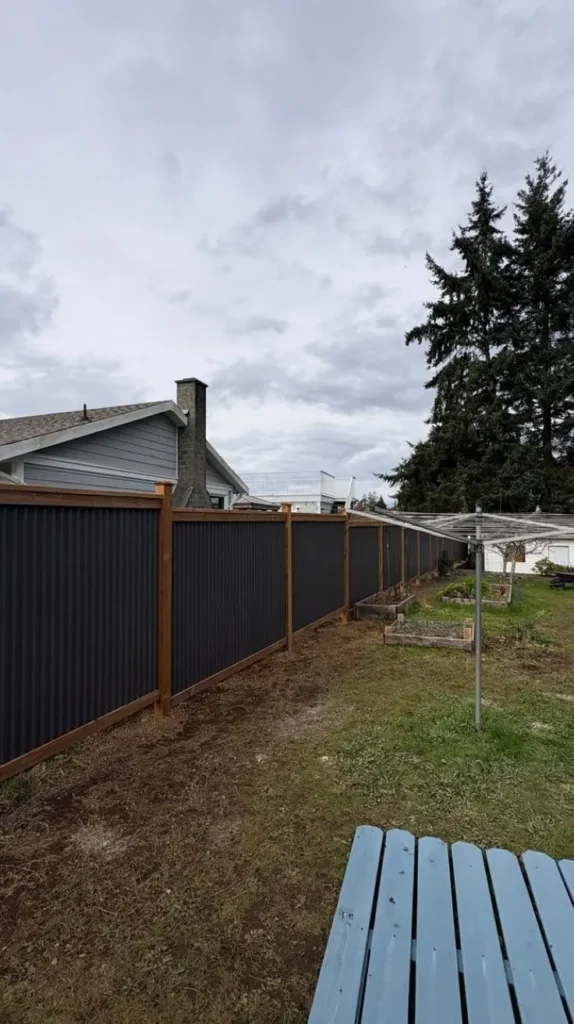
Corrugated metal panels provide a modern and surprisingly affordable option for outdoor boundaries. These panels are commonly used in roofing and agricultural buildings, but they also work extremely well for backyard fencing. When attached to wooden posts or a simple frame, the metal sheets form a strong barrier that stands up to harsh weather conditions.
One of the biggest advantages of this design is durability. Metal does not rot, warp, or attract insects the way untreated wood sometimes can. Because of this, maintenance remains minimal. A quick wash with water occasionally keeps the surface clean and fresh.
The design also creates a stylish contrast when paired with natural materials. Wooden posts and frames soften the industrial appearance of the metal, producing a balanced look that feels modern yet welcoming. Some homeowners leave the metal in its natural silver tone, while others paint it black, charcoal, or deep green for a more customized appearance.
This structure works well in contemporary landscapes where clean lines and strong materials define the space. Despite its simple construction, the fence delivers strength, longevity, and a sleek visual style without requiring a large budget.
Rope Fence
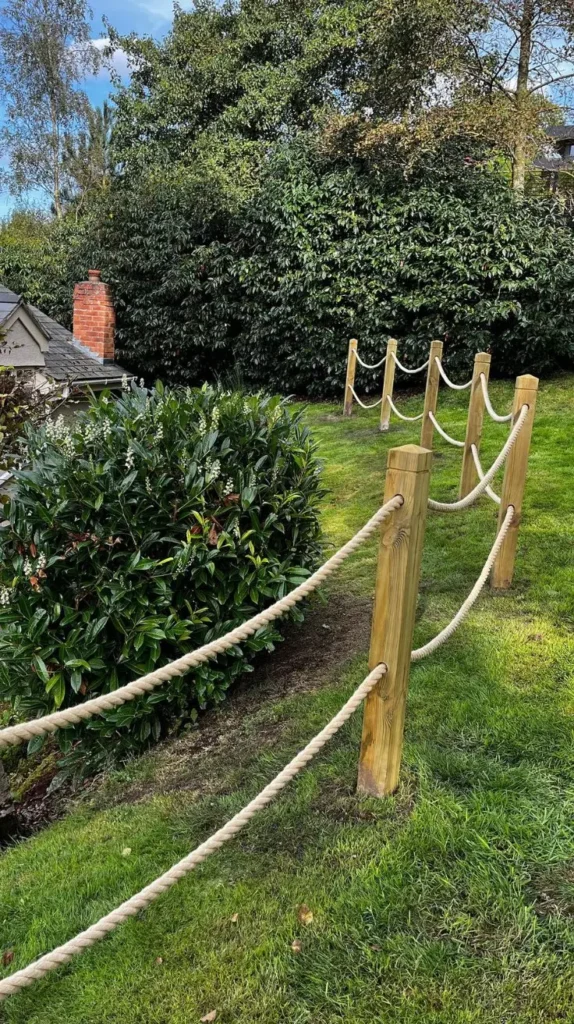
A rope fence is a simple yet stylish way to define outdoor spaces while keeping costs low. Thick, natural-fiber ropes stretch between wooden posts to create a boundary that is both functional and visually appealing. This type of fencing is ideal for gardens, walkways, and patio areas where privacy isn’t the main concern, but where structure and flow are desired.
The installation process is straightforward. Posts are placed at regular intervals, and the rope is threaded through holes or hooks along the posts. Tension keeps the ropes secure, while the natural texture adds a warm, rustic, and even coastal charm to the yard. The open design allows the space to feel airy and inviting while clearly marking boundaries.
A rope fence is highly versatile. Different rope thicknesses and patterns can create a more dramatic or subtle effect, and decorative knots can add personal flair. Combining rope fencing with climbing plants or garden lighting enhances both style and function. For a low-cost, attractive, and easy-to-install boundary, rope fences are an excellent choice.
Chain Link Fence with Plants
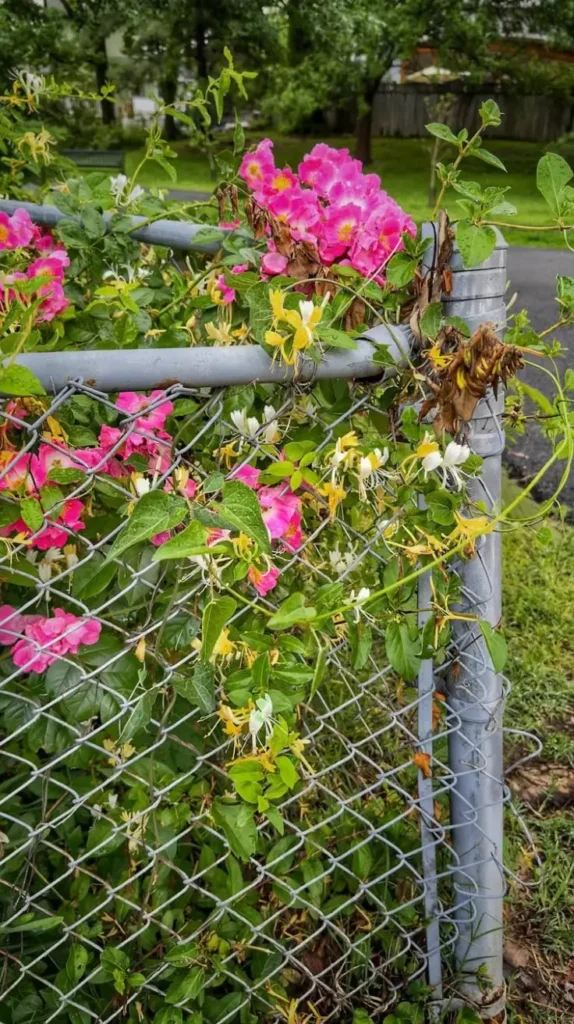
Chain link fences are practical, affordable, and highly durable, but they can appear plain without creative touches. One way to enhance their aesthetic appeal is to grow climbing plants along the metal mesh. Ivy, jasmine, and climbing roses are popular choices that transform the fence into a lush, living barrier over time.
The combination of strong metal structure and thriving greenery provides both privacy and beauty. As the plants fill in the gaps, the yard feels more secluded, while the green wall softens the harsh appearance of metal fencing. This approach also introduces seasonal interest, with flowers, colors, and textures changing throughout the year.
Chain link fences with plants are ideal for gardens, backyards, and pet areas. The basic fence is low cost, and adding plants requires only patience and minimal gardening skills. This design demonstrates that even a simple, utilitarian fence can become a charming, functional, and visually appealing boundary when paired with natural elements.
Lattice Fence
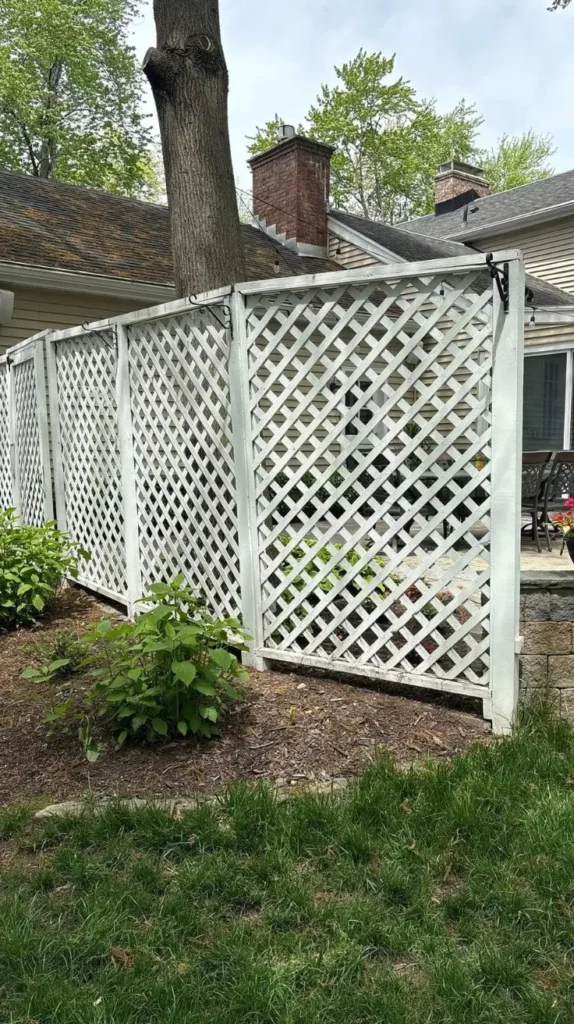
A lattice fence uses a crisscross pattern of wooden strips to create a decorative, airy boundary. This design offers a balance of privacy and openness, allowing sunlight and air to pass through while still marking outdoor spaces. Lattice panels can be used along garden edges, patios, decks, or even as standalone decorative partitions.
One of the key advantages of lattice fencing is its ability to support climbing plants. Flowers such as clematis or morning glory can grow through the openings, creating a colorful, vibrant display that enhances both the fence and the surrounding garden. This transforms a simple structure into a living, artistic feature.
Installation is easy because pre-made lattice panels are lightweight and widely available. Painting or staining the panels allows homeowners to match or complement their landscape style. White lattice often creates a classic, clean look, while natural or dark wood adds rustic charm. This fencing style proves that even inexpensive designs can deliver elegance, function, and long-term appeal.
Wooden Crate Fence
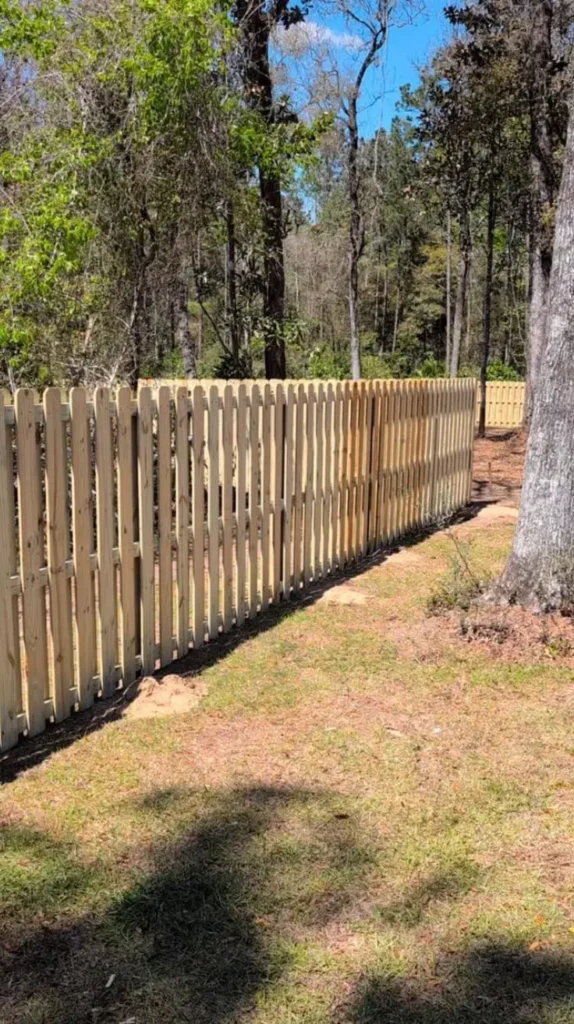
Wooden crates, often overlooked, can become a surprisingly stylish and budget-friendly fence. Stacking or attaching crates between posts creates a rustic barrier that doubles as functional decor. The compartments within each crate can hold small potted plants, garden lights, or decorative stones, turning the fence into a multi-purpose structure rather than just a boundary.
One major benefit of a crate fence is customization. The crates can be painted in different colors to match the yard’s theme or left in natural wood tones for a rustic, farmhouse appeal. They can be stacked in different patterns or arranged in heights that vary according to the landscape, creating visual interest.
Installation is simple: sturdy posts secure the crates in place, and lightweight crates make adjustments easy. Because many crates are inexpensive or even free from markets or warehouses, the cost remains extremely low. The result is a fence that feels personalized, creative, and environmentally conscious, transforming the yard into a dynamic, engaging space without spending a fortune.
Gabion Stone and Wire Fence
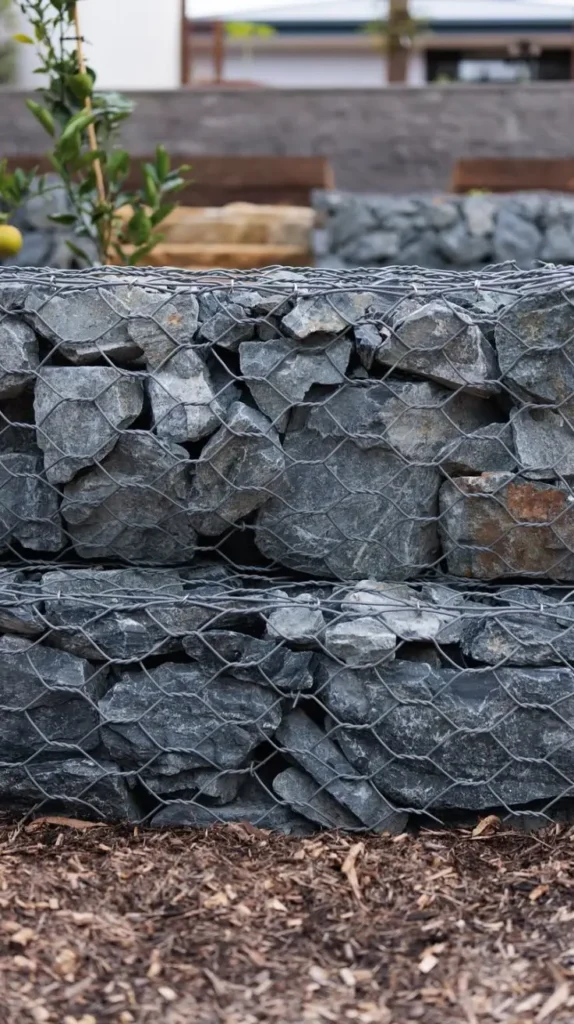
A gabion fence uses wire cages filled with stones to create a robust, visually striking boundary. Though it may sound expensive, this approach can remain affordable by using local or leftover stones. The wire cages are stacked to the desired height and width, forming a strong, durable structure that withstands harsh weather and prevents erosion.
The natural look of stones blends beautifully with garden landscapes, creating a balance of texture and solidity. Some homeowners combine gabion panels with wooden sections for added warmth and visual contrast. Over time, moss or plants growing between the stones can enhance the aesthetic, giving the fence a unique, living quality.
Gabion fences also require minimal maintenance. Unlike wooden fences, they don’t rot or attract pests, and they stay structurally sound for decades. For homeowners seeking a bold statement that is both artistic and practical, gabion fencing is a perfect, budget-conscious choice that transforms the yard into a natural, rugged, and sophisticated space.
Branch Fence
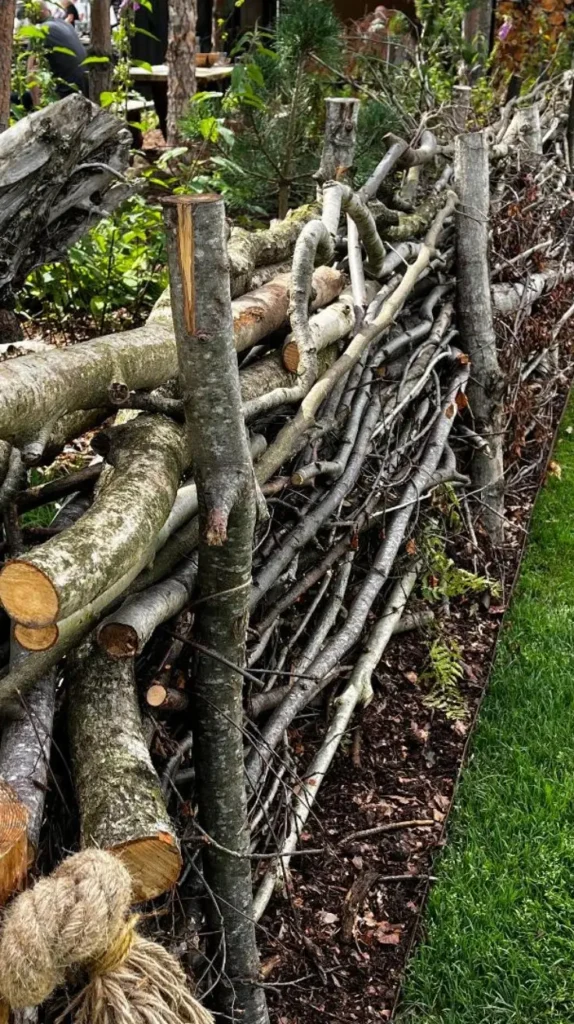
A branch fence is one of the most organic and inexpensive fencing ideas available. It uses fallen tree branches, twigs, or pruned limbs to form a rustic boundary. Branches can be arranged vertically or woven horizontally between wooden posts, creating a natural, woodland-inspired appearance that feels handmade and charming.
This type of fence works particularly well for garden beds, cottage-style yards, or rural properties where branches are readily available. The uneven shapes and textures of the branches give each section a unique personality, ensuring the fence feels artistic rather than mass-produced.
Installation is simple and flexible. Branches are attached with wire, rope, or nails, depending on the design, and their natural irregularity allows for creative patterns. A simple sealant or weatherproof coating prolongs durability, keeping the fence functional for years.
The branch fence proves that simplicity and creativity can produce visually compelling results. It’s a perfect solution for homeowners looking to stay budget-conscious while adding charm, character, and a touch of the outdoors to their yard.
Painted Picket Fence
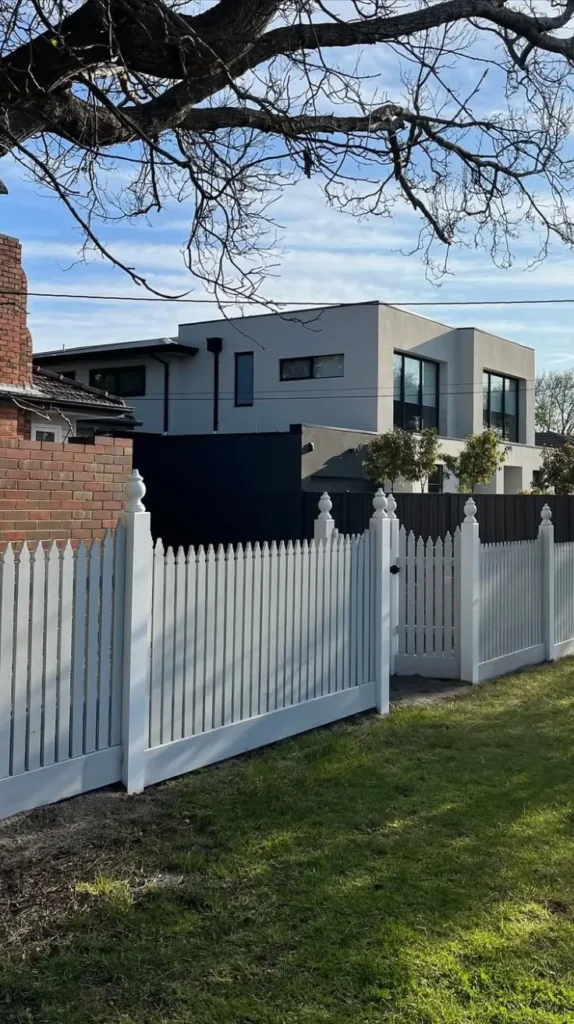
The classic picket fence is instantly recognizable and adds timeless charm to any outdoor space. While traditional versions can be expensive, a small DIY picket fence offers an affordable way to define property lines, garden beds, or walkways. Vertical boards are spaced evenly and secured to horizontal rails, creating the iconic look that’s both functional and decorative.
Painting the fence enhances its appeal. White is traditional, giving a fresh, cottage-like appearance, while vibrant colors such as soft pastels or bold primary shades add personality and playfulness. Beyond aesthetics, the painted wood also receives protection from weathering, increasing longevity.
This style works in both front and backyard spaces. It marks boundaries clearly without closing off the area, maintaining a welcoming feel. Minimal maintenance, affordability, and timeless appeal make the picket fence a go-to choice for homeowners who want beauty and practicality on a budget.
Upcycled Window Fence
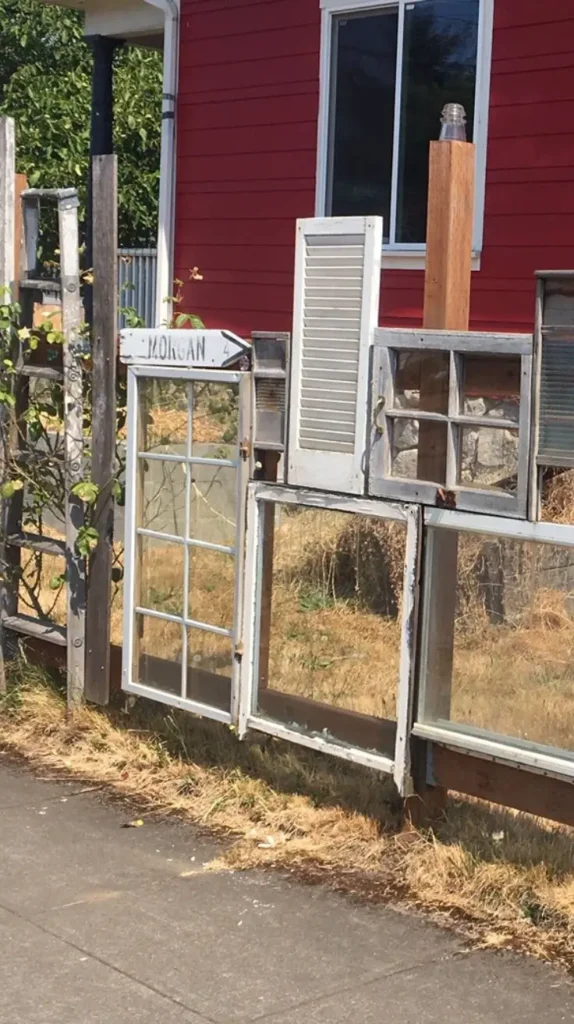
Upcycled window frames can become a stunning and unexpected fence option. Salvaged windows, whether from renovation projects or thrift stores, are repurposed as panels between posts. Some frames contain glass panes, while others have decorative grids, creating a whimsical, artistic barrier that adds personality to a yard.
The installation process is straightforward. Window frames are secured vertically or horizontally between posts to form a continuous fence. Multiple sizes and styles can be combined to create a patchwork effect that feels visually dynamic and creative. Painting the frames in matching tones helps unify the design, while leaving them in natural wood adds a vintage touch.
Beyond cost savings, this fence promotes sustainability by reusing materials that might otherwise end up in landfills. The upcycled window fence offers privacy, charm, and visual interest all at once. It’s ideal for homeowners who want a budget-friendly solution that’s both environmentally conscious and uniquely stylish.


