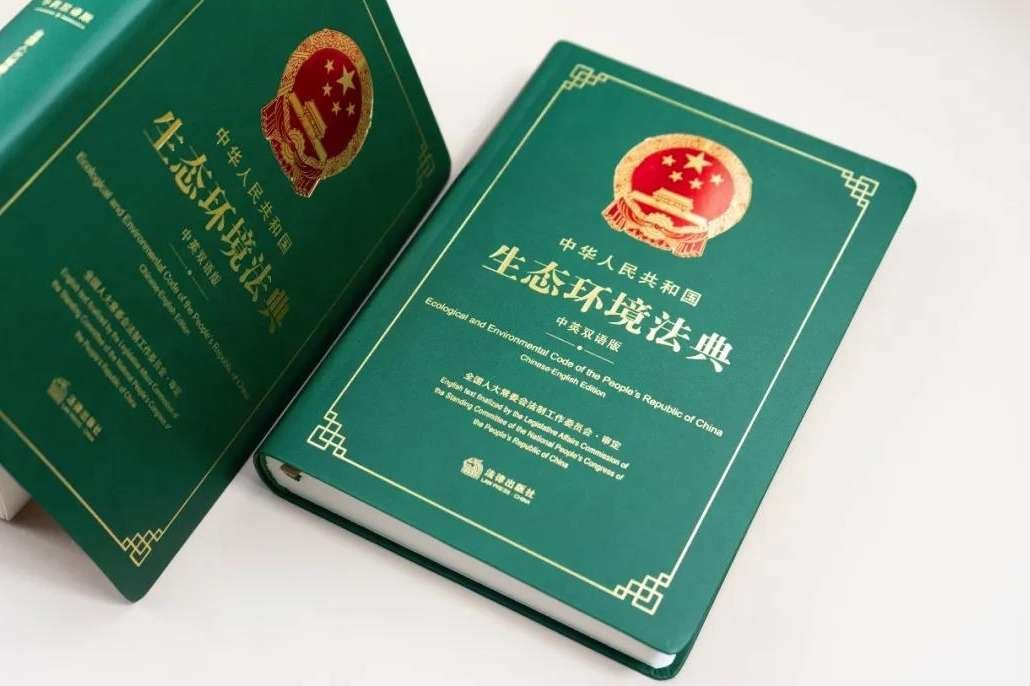
China’s new Ecological and Environmental Code took effect on August 15, 2026. It consolidates a wide range of environmental laws into a single national framework, with ecological conservation and biodiversity protection at its core. The code was adopted on March 12. It covers pollution control, ecological conservation, green and low-carbon development, and legal accountability.
The legislation brings together previously separate environmental policies into one integrated system. Officials describe the goal as moving beyond a develop-first, clean-up-later approach. The aim is a model where ecological protection, biodiversity and economic growth advance together, rather than in competition.
The code’s effective date closely follows the anniversary of the “Two Mountains” theory. The theory holds that clean water and green mountains, and the biodiversity they sustain, carry value comparable to gold and silver. It positions ecological protection as a foundation for prosperity rather than an obstacle to it.
Zhejiang’s Anji County has been cited as an example of this approach in practice. The county shifted away from mining and other environmentally damaging industries toward tourism, ecological restoration and sustainable agriculture, rebuilding local biodiversity in the process.
The new code also aims to strengthen regulatory certainty for bio-based and green industries. Supporters say clear, unified rules give companies more predictable requirements, while local governments gain clearer responsibilities for environmental and biodiversity accountability.
The legislation touches sectors including renewable energy, electric vehicles, battery production, biomanufacturing and green industry more broadly. These are areas China has already prioritized as part of its bio-economy and broader industrial strategy. Officials have also framed reduced reliance on imported fossil fuels as a matter of energy security.
The code is being watched by other developing economies. They are exploring how ecological and biodiversity regulation might be integrated into industrialization strategies rather than treated as a separate policy area.
The post China unifies environmental law with bioeconomy in mind appeared first on World Bio Market Insights.