
For many cattle producers, few issues carry higher stakes than reducing calf losses, where every missed sign or management gap can mean a costly setback.
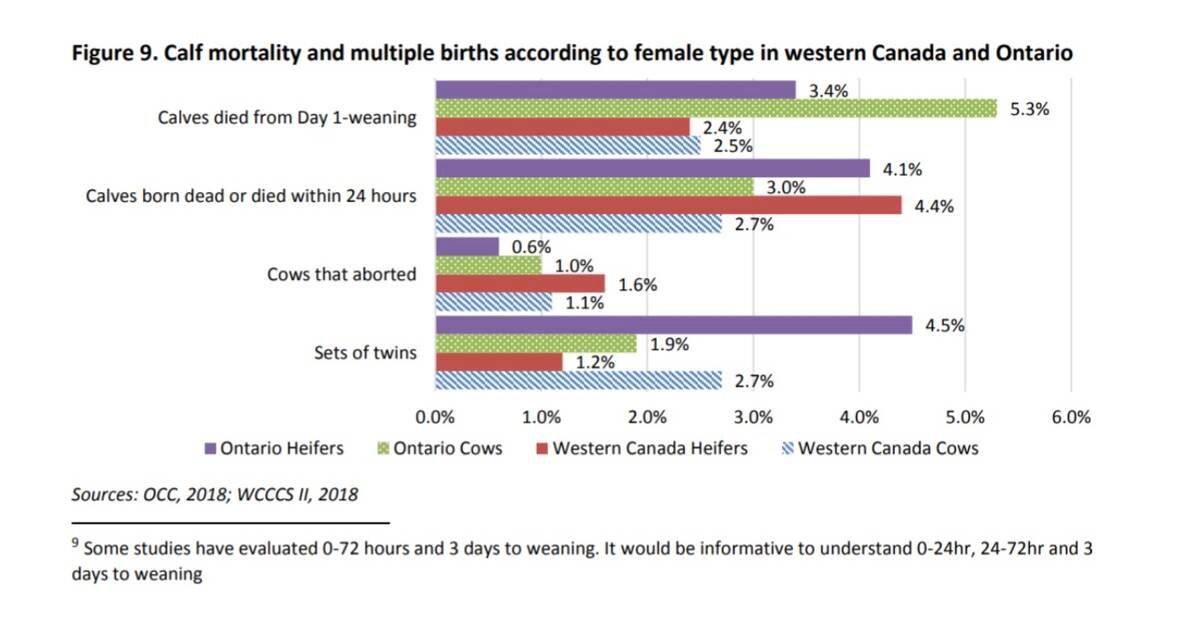
The Beef Cattle Research Council said national calf death loss within 24 hours of birth averaged 2.2 per cent for cows and 3.7 per cent for heifers in the 2023 calving season.
Death loss between 24 hours and weaning averaged 2.5 per cent for calves born to cows and 2.9 per cent for calves born to heifers across Canada.
WHY IT MATTERS: Calf losses as a result of poor program management or disease can be costly for farmers.
To help mitigate these losses, the council hosted a series of expert-led information sessions focused on reducing calf losses by addressing key factors such as calving difficulties, weak or stillborn calves, scours and pneumonia.
These strategies begin as early as the yard, said Dr. Van Mitchell of Metzger Veterinary Services. Mitchell said overall yard management can help cut calving losses by reducing the chance of disease transmission after birth, such as calf scours from dirty udders.
He also recommended using caution when bringing new animals onto the farm.
“I would strongly urge anybody who’s bringing in new cows, new calves, and especially foster calves, to really do that with caution, because you’re bringing in bugs from the outside,” he said, adding there is no way to make calves fully immune from pathogens. However, he said steps can be taken to reduce exposure, such as keeping calving areas clean and segregating sick animals.
Maintaining a vaccine schedule
Mitchell said vaccines are a critical step in reducing calf losses, noting that pre-breeding and pre-calving vaccines can offer significant protection. He recommended a modified live vaccine as providing the best protection.
He noted that calves born in the last third of the calving season are at higher risk of scours and pneumonia. Being aware of calving schedules ensures calves receive proper attention at the right intervals.
Proper calving techniques
Avoiding injury during birth is one of the most effective ways to reduce calf losses. Dr. Lisa Freeze of the New Brunswick Department of Agriculture recommended farmers contact their veterinarian as soon as they believe a cow is in distress.
She advised having tools and resources prepared for both the farmer and veterinarian to make delivery smoother, such as a pail of warm water with a cleaning agent, clean rags and lubricant.
Freeze also suggested farmers invest in a good pair of calving chains and handles.
“They are really handy tools if you know how to use them, but they can also do a lot of damage to the calf and the cow if you’re using them improperly,” she said.
Freeze advised farmers to be aware of cow behaviour leading up to birth. She noted the cervix will dilate up to 24 hours before calving. Cows may begin to isolate or walk with their tail up.
As the cow moves through the stages of delivery, she warned that if the placenta is visible ahead of the calf or the water bag is emerging, it is time to call the vet.
Freeze said cows will often struggle if the calf is too big, something that can occur if cows are mismatched during breeding. She noted that if two people are not strong enough to remove a calf with the correct equipment, then a C-section is necessary.
Overall, she said that if a farm is experiencing more than five per cent assisted calving procedures, it is time to re-evaluate the calving program.
The value of colostrum
Passive transfer failure — a condition where newborns fail to absorb adequate maternal immunoglobulins (antibodies) from colostrum within the first 24 hours of life — remains a challenge during calving season.
Dr. Lauren Wilson of Peterborough Veterinary Services said this can occur when the calf misses the window of opportunity, receives poor-quality colostrum, there is no colostrum present or the calf is hypothermic.
Wilson noted there is a limited window of 24 hours to get colostrum into calves effectively. Not only does it build immunity, but it also reduces the risk of pneumonia.
“New research is showing that if calves are not up and nursing by four hours, they are at an increased risk for failure,” she said, adding twins are at particular risk.
Once the risk is identified, Wilson recommends moving to a colostrum supplement, particularly if the calf is not up and suckling.
Producers can go online to register for or particpate in a Beef Cattle Research Council webinar.
The post Cutting calf losses: Experts highlight management, health strategies appeared first on Farmtario.


