

August 2026 gave Dallas-Fort Worth seven straight days at 100 degrees or hotter, a peak of 106, and no measurable rain for over a month. Weather like that puts air conditioning at the top of nearly every Dallas electric bill, and North Texas sees those heat patterns most years.
The right electricity plan can help you manage energy costs during Dallas’s hottest months. Here’s a closer look at the link between Dallas weather and electric bill totals, how to cut cooling costs, and how to choose a Dallas electricity plan that fits your home.
What Is Summer Weather Like in Dallas?
Dallas summer weather arrives early and stays late. The heat shapes how long your air conditioner runs from May well into September.
How Hot Does Dallas Get?
Normal daily highs at DFW Airport reach 91.5 degrees in June and hover near 96 degrees in July and August. However, heat waves can push well past these temperatures.
DFW averages about 20 days per year at or above 100 degrees, most of them in July and August. Nights during those stretches stay warm too, so the house is still holding heat when the next hot day begins.
Why North Texas Heat Feels Relentless
North Texas weather typically has clear skies that keep UV levels high and put direct sun on your roof and west walls from midday to sunset. Then, dry ground from little to no rainfall keeps releasing that heat well after dark. For instance, DFW had gone over a month without measurable rain by the time the August 2026 warnings went out.
Each of those conditions increases your home’s cooling demands. You can see how that demand translates into local pricing on Just Energy’s Dallas electricity rates page.
Learn more about living in Dallas here.
#wprev-badge-4 .wppro_badge1_IMG_3 {display: none;}#wprev-badge-4{border-radius: 0px;}#wprev-badge-4{border: 1px solid #ffffff;}#wprev-badge-4{background: #ffffff;}#wprev-badge-4{border-bottom: 5px solid #ffffff;}#wprev-badge-4 .svgicons {background: rgb(30,115,190) }#wprev-badge-4 .wppro_badge1_SPAN_4 {color: rgb(68,68,86);}#wprev-badge-4 .wppro_badge1_SPAN_13 {color: rgb(6,47,110);}#wprev-badge-4 .wppro_badge1_DIV_12 {color: rgb(68,69,70);}#wprev-badge-4 {box-shadow: unset;}#wprev-badge-4 {width: auto;}#wprev-badge-4 .wppro_badge1_DIV_12 { font-size: 16px; color: #444546!important; font-size: 40px; font-weight: 300; line-height: 1.2; border-bottom: 1px solid #444546; font-family: azo-sans-web,sans-serif; } #wprev-badge-4 .wppro_badge1_SPAN_13 { font-weight: 300; color: #444546; font-size: 16px; } @media screen and (max-width: 767px){ #wprev-badge-4 .wppro_badge1_DIV_12{ font-size: 32px; } }.wprevpro_badge{cursor:pointer;}


I heard about Just Energy through a friend of mine. I went with them because of their low rate, and I save more energy too. With their service, our bills went down. Their people were nice as well.
Franklin Powe
Why Does Hot Weather Increase Your Electric Bill?
The connection between Dallas weather and electric bill amounts runs through your usage, not necessarily your electric rates. Here’s how that happens.
Your Air Conditioner Runs Longer
Your HVAC system works against the temperature difference between indoors and outdoors. Holding 75 degrees inside when it’s 85 outside takes far less energy than holding 75 when it’s 105. As that gap widens, the system runs more cycles for longer.
Air conditioning already accounts for about 19% of electricity use in U.S. homes over a full year. During a Dallas summer, that share climbs, and air conditioning is typically the single largest item on a household’s bill.
More Runtime Means More kWh Usage
Your bill comes down to a simple formula: your energy usage in kilowatt-hours, multiplied by your electricity rate, equals your energy cost. A kilowatt-hour (kWh) is the amount of electricity a 1,000-watt appliance uses in one hour.
Energy experts track weather-driven demand with cooling degree days, which measure how far a day’s average temperature rises above 65 degrees. DFW records about 102 cooling degree days in April and about 640 in July and August. That’s roughly six times the cooling demand. Even if your rate stays the same, your usage can double or more between spring and peak summer.
Larger Homes Often See Bigger Increases
The same weather hits every home, but Dallas energy usage climbs faster in some houses than others. Homes that tend to see the biggest summer increases have:
- More square footage to cool
- More occupants opening doors and running appliances
- Two or more stories, since upper floors trap heat
- Heavy afternoon sun exposure on west-facing walls and windows
- Aging HVAC equipment that runs longer to deliver the same cooling
The Biggest Weather Factors Driving Dallas Electricity Costs
Four conditions drive the summer electricity costs in Texas that households see in July and August, and they rarely show up one at a time.
Heat Waves
A run of consecutive 100-degree days does more to a bill than any single record afternoon. DFW logged seven back-to-back in August 2026. In Plano, Frisco, and Garland, that’s when air conditioners stop cycling off between calls and run most of the day.
Humidity
Dallas is generally less humid than Houston, but humidity still matters. Normal relative humidity at DFW sits around 60% in July and August, and moist air feels hotter than dry air at the same temperature. Your HVAC system removes both heat and moisture from indoor air, and pulling water out of the air takes extra energy.
Warm Nights
Normal July and August lows at DFW sit around 76 degrees. That is warm enough that opening the windows at 5 a.m. does nothing, and the drywall, framing, and furniture that absorbed heat all day never fully give it up. Your system starts each morning further behind than the last.
Lack of Rain and Drought Conditions
Rain cools things down, and wet soil keeps that coolness for a while. Without rain, driveways, roofs, and yards heat up quickly in the morning and give off heat into the evening. Newer neighborhoods feel this more because they have more concrete and fewer mature trees for shade.
Why Some Dallas Homes Have Higher Electric Bills Than Others
Two houses on the same street in McKinney can face the same 103-degree afternoon and get very different bills. The difference usually comes down to how well each home keeps cool air in and hot air out.
Home Insulation
A Dallas attic on a 100-degree afternoon runs hotter than the air outside, and your ceilings sit directly under it. Insulation depth up there is usually the biggest difference between two identical houses. After that come wall cavities and gaps under exterior doors, around window frames, and at attic duct joints.
Window Efficiency
Single-pane windows let in far more heat than double-pane windows, particularly on the west side of a house. That solar heat gain, the warmth that comes from sunlight passing through glass, forces your air conditioner to run longer in the late afternoon.
HVAC Age and Efficiency
An air conditioner installed in 2003 generally uses more electricity than a 2023 model to cool the same house. As parts on the A/C unit wear down or age, they become less efficient. Your A/C’s condition also affects performance, since dust on the outdoor coil and a low refrigerant charge may keep a system running longer than it should. A spring service can help boost your air conditioner’s energy efficiency without the cost of replacing the entire unit.
Thermostat Habits
Then there is what the people inside do with it. Dropping the setting to 68 because the house feels hot won’t cool anything faster. It only keeps the compressor running once the house reaches that temperature. The same goes for moving the setting four times between breakfast and bedtime, or cooling a guest room nobody has slept in since Thanksgiving.
How Dallas Electricity Plans Affect Summer Energy Costs
Weather drives electricity usage. The electricity plan you choose determines how much you pay for that usage.
Your Plan Doesn’t Control Usage, But It Affects What You Pay
Energy consumption is the number of kWh your home pulls from the grid, and the weather, your house, and your habits set it. Your rate structure is the price attached to each of those kWh, plus any fees, and your plan sets it.
Oncor is the utility company that owns the poles and wires across the Dallas area and delivers your electricity no matter which Dallas electricity provider you buy it from. Its delivery charges still appear on your electric bill, together with the energy provider’s charges. Unlike transmission and distribution utility (TDU) fees, your energy provider’s charges are based on your actual energy usage.
Fixed-Rate Electricity Plans
With a fixed-rate plan, you pay the same price per kWh for the duration of your contract. Your August bill still climbs because kWh usage rises, but the multiplier stays the same. Terms usually run 12, 24, or 36 months.
Fixed-rate electricity plans in Dallas offer budget predictability, protection from seasonal market swings, and easier monthly planning, which is why many Texas consumers prefer them during high-demand seasons. You can compare current Dallas electricity rates and Texas electricity plans from Just Energy to see fixed-rate options.
Why Summer Is a Smart Time to Review Your Electricity Plan
An energy contract that expires can automatically roll into a variable-rate plan if you don’t renew it or choose another plan. For electricity plans in Dallas that expire during the summer, you could face a much larger electric bill than you expected. Reviewing your energy plan at the start of summer, or even before, can help you make sure you don’t miss your contract expiration date.
Analyzing your summer usage also helps you find a plan that fits your budget and your household’s actual usage.

Serving Texas for Over 20 Years
Trust the legacy – we've proudly served the Lone Star State for over 20 years, delivering first-class energy solutions that stand the test of time.
8 Ways to Lower Your Electric Bill During Dallas Summers
You can’t change the forecast, but a few practical changes can reduce how much of it shows up on your bill.
- Raise Your Thermostat Slightly: Each degree you raise the setting reduces runtime. Try 78 degrees when you’re home and a few degrees higher when you’re away.
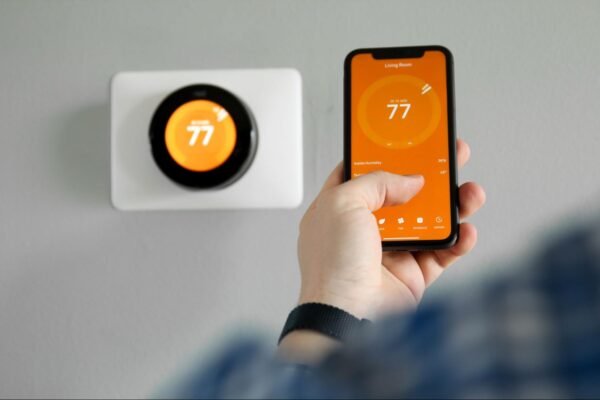
- Install a Smart Thermostat: A smart thermostat holds 80 degrees while the house is empty and has it back to 76 by the time you walk in. Most models also report how many hours the system ran yesterday, which is the number driving your bill.
- Replace HVAC Filters: Most 1-inch filters are rated for up to 90 days, and a Dallas summer uses one up faster. Pull yours monthly from June through September and hold it to a light. If the light doesn’t come through, your blower is fighting it.
- Seal Air Leaks: Pick a hot afternoon and hold the back of your hand near the bottom of an exterior door, then along the west-side window frames. Warm air coming in means cooled air is leaving the same way. Weatherstripping and caulk close those gaps, and a contractor can seal the duct joints in the attic.
- Improve Attic Insulation: Go up and look. If you can see the tops of the ceiling joists, or the insulation is packed down in patches, you don’t have enough insulation.
- Use Ceiling Fans: Fans change how air feels on your skin. At 78 degrees with a fan running, most people feel as comfortable as they would at 75 without one.
- Block Solar Heat with Blinds or Curtains: West-facing glass is the problem, and it peaks between roughly 4 and 7 p.m., when the sun sits low enough to come through the window instead of hitting the roof. Closing those blinds beforehand costs nothing.
- Schedule Energy Use During Cooler Hours: Run the dishwasher, dryer, and oven in the early morning, or after sunset so their heat doesn’t compete with your AC during the hottest part of the day.

How to Choose the Best Electricity Plan for Dallas Weather
Plan shopping gets easier when you work from your own numbers instead of an advertised average. Here’s what to look at.
Know Your Summer Usage
Log into your provider’s account and find the usage history, which usually goes back a year or more. Write down the kWh for last July and August. Those two months, not your annual average, are what you’re shopping against.
Compare More Than Just Price
Every Texas plan publishes an Electricity Facts Label, which is where the terms live that the ad never mentions. Four lines matter most:
- Contract length, and the rate you roll onto when it ends
- Rate structure, meaning fixed, variable, or time-of-use
- TDU charges from Oncor, which apply to every plan
- Renewable energy options, if that’s important to your household
Consider Your Household’s Cooling Needs
An apartment in Irving with one exposed wall cools very differently from a two-story family home in Frisco. Work-from-home households run the AC all day instead of letting the house warm up while everyone is out. Match the plan to how your home uses electricity during the hottest months.
Dallas Electricity FAQs
The short answer to why is my electric bill so high in Dallas is runtime. Your air conditioner works far more hours in July than it does in April; the kWh climb with it, and your rate never moved.
Air conditioning is usually the largest single use of electricity in a Dallas home during summer. Your exact share depends on your home’s size, insulation, and thermostat settings.
Yes, but not directly. Hot weather increases demand across the ERCOT grid, which raises wholesale prices. Whether this affects your bill depends on your plan. Fixed-rate customers are protected until their contract ends, but variable-rate customers are not.
That depends on which risk you would rather carry. A fixed rate protects your July and costs you any savings if prices fall. A variable rate leaves both possibilities open.
Start with the free ones. Raise the thermostat by two degrees, close the west-side blinds before 4 p.m., run fans only where someone is sitting, and hold off on the dryer and oven until after dark.
Before summer if possible, and always before your current contract expires. Reviewing your plan with recent summer bills in hand gives you the clearest picture of what you need.
Find out why over a million customers trust Just Energy!

Prepare for Dallas Summer Heat With the Right Electricity Plan
Dallas weather and electric bill totals move together, and weather is one of the largest factors behind what you pay each month. No plan can eliminate the need for cooling in a North Texas July. What the right one does is hold the price of each kWh steady while usage climbs, which makes a July bill something a household can plan around.
Compare Dallas electricity plans from Just Energy and find an energy plan that fits your summer usage, using what your home actually pulled last July.
Brought to you by justenergy.com
All images licensed from Adobe Stock.
The post Dallas Weather: How North Texas Summers Affect Your Electric Bill appeared first on Just Energy.


