
A kitchen can feel stylish, cozy, and welcoming… yet something still looks unfinished. Many homeowners eventually notice that the range hood becomes the one feature that disrupts the entire design. A plain metal hood often feels too industrial, too cold, or simply out of place in a warm kitchen environment.
This is where a custom-built cover can completely change the space.
A thoughtfully designed DIY vent hood cover can turn an ordinary kitchen appliance into a stunning focal point. Instead of blending into the background, the cooking area suddenly becomes the centerpiece of the kitchen. Wood textures, modern panels, rustic beams, or elegant trim can transform the look within a weekend project.
Even better, most of these ideas require basic tools, simple materials, and beginner-friendly techniques. No professional carpenter is required.
Rustic Farmhouse Wood Design
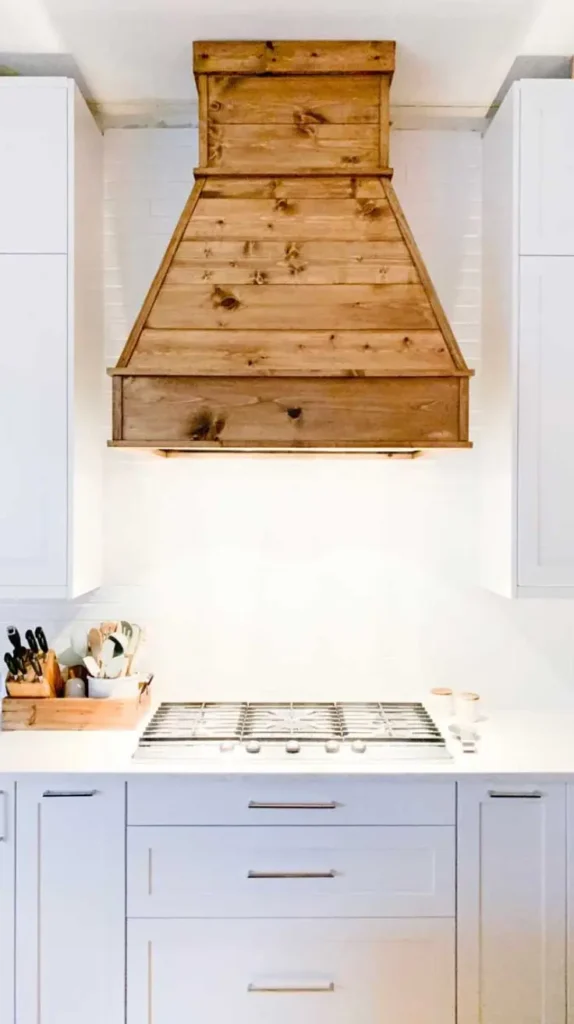
A rustic farmhouse style instantly adds warmth and character to a kitchen. Instead of a plain metal appliance above the stove, a wooden structure creates the feeling of handcrafted charm and cozy comfort.
This style usually uses reclaimed wood, pine boards, or lightly distressed lumber. The natural grain patterns give the cooking area a soft, welcoming look. Many homeowners choose a soft white stain, warm oak tone, or weathered gray finish to create that classic farmhouse appearance.
The structure itself is fairly simple. A lightweight wooden frame attaches to the wall studs, and wood planks cover the exterior. Decorative trim or crown molding at the bottom edge creates a polished finish.
What makes this design especially appealing is its flexibility. It works beautifully with farmhouse kitchens, cottage interiors, and even modern rustic homes. Add a floating shelf across the bottom edge and suddenly there is a perfect place for small plants, spice jars, or decorative pottery. The result feels less like a kitchen appliance and more like a handcrafted architectural feature. And the best part? This transformation can often be completed in just a weekend.
Modern Minimalist Box Design
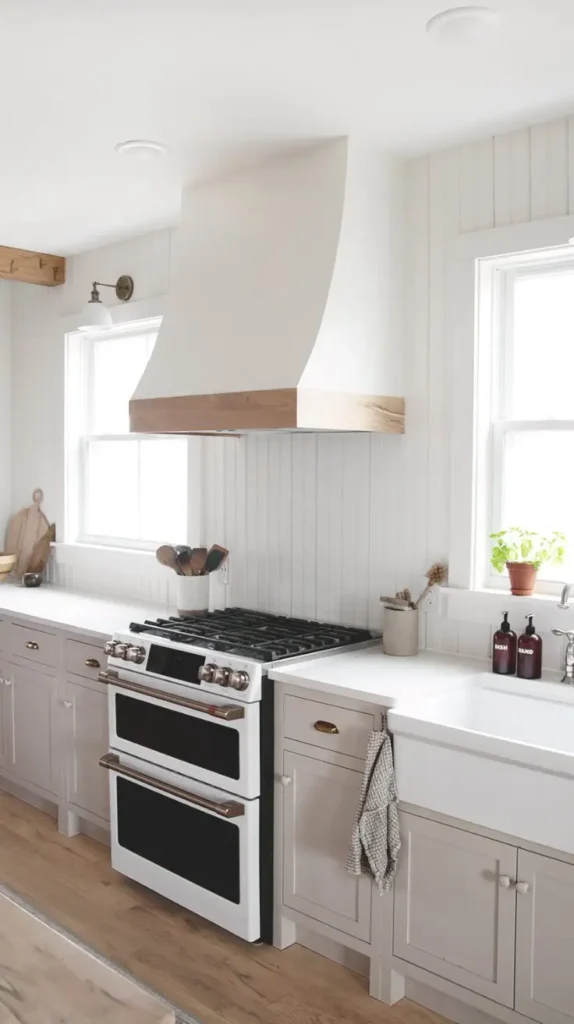
Clean lines can completely change the mood of a kitchen. A minimalist box-style hood enclosure delivers a sleek and modern look without overwhelming the space.
This design focuses on straight edges, smooth surfaces, and neutral colors. Many homeowners choose white, matte black, or soft gray paint to match modern cabinetry. The shape itself is usually a simple rectangular structure that hides the metal appliance inside.
Because the design is so clean, it works well in contemporary homes, modern apartments, and open-concept kitchens. The minimal appearance keeps attention on other design features like marble countertops or geometric backsplash tiles.
The building process is also straightforward. A wooden frame forms the base, and smooth plywood or MDF panels create the outer shell. After sanding and painting, the entire structure looks seamless and professional. Some designs include hidden LED lighting under the bottom edge. This small feature adds soft illumination over the cooking surface and enhances the modern aesthetic.
Shiplap Panel Design
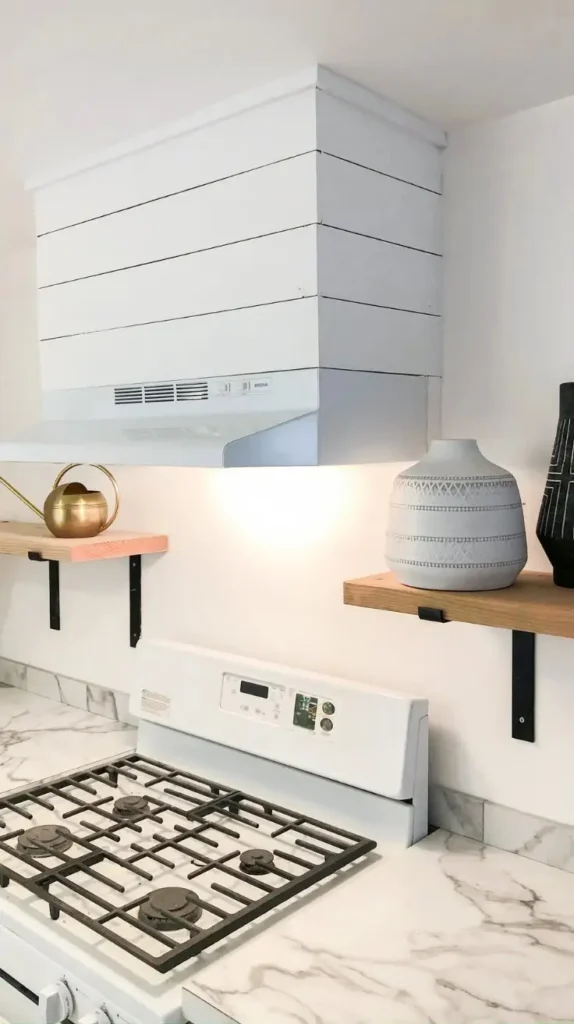
Shiplap is one of the easiest ways to add warmth, texture, and character to the cooking area. These horizontal wooden boards create a layered look that feels both cozy and timeless. This style works especially well in farmhouse, coastal, and cottage-inspired kitchens where natural textures and soft finishes are important design elements.
The process begins with building a sturdy frame around the appliance using basic lumber. Once the frame is in place, shiplap boards are installed horizontally across the structure. The slight gaps between each board create the signature shiplap appearance that adds visual depth without making the design feel too busy.
Most homeowners prefer to paint the boards white or soft cream because lighter shades reflect kitchen lighting and help the room feel larger and brighter. However, natural wood stains can also create a beautiful rustic effect that adds warmth to the cooking space.
To elevate the design further, decorative trim or crown molding can be installed along the bottom edge. Some kitchens also include a small wood accent strip or a contrasting shelf to add another design layer.
When the project is complete, the cooking area feels welcoming, textured, and full of personality. The simple addition of horizontal panels can turn a plain wall feature into one of the most attractive elements in the entire kitchen.
Reclaimed Barn Wood Design
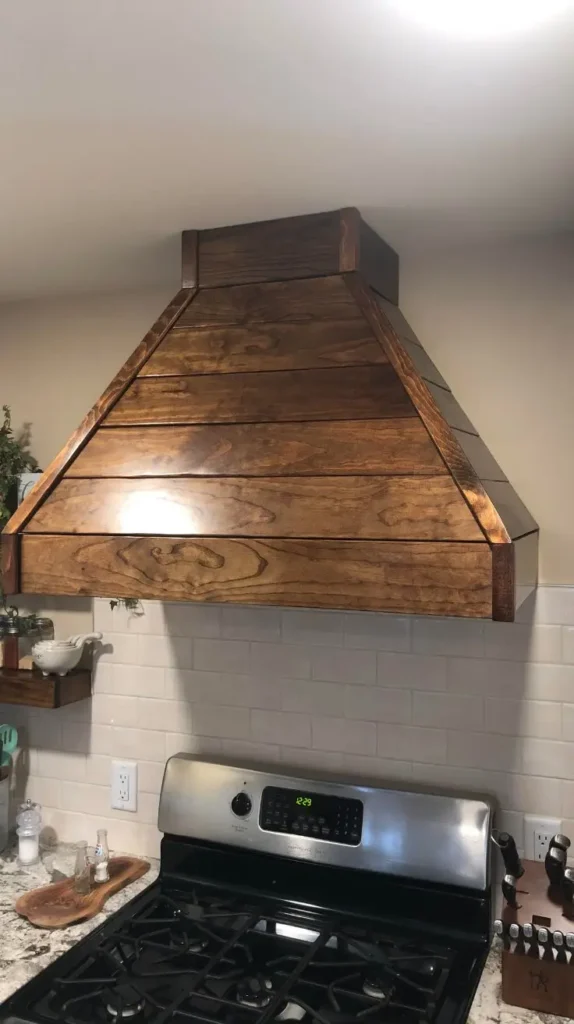
Reclaimed barn wood brings history and character into the kitchen in a way that brand-new materials simply cannot replicate. Each plank carries natural imperfections, weathered textures, and rich color variations that instantly add warmth and personality to the cooking area.
Using reclaimed boards around the cooking space creates a rustic focal point that feels authentic and handcrafted. The natural grain patterns and aged surfaces introduce depth that painted materials often lack. When placed against light cabinets or bright backsplashes, the darker wood tones create a beautiful contrast that immediately catches the eye.
The construction process usually involves building a simple wooden support frame around the appliance. After that, reclaimed planks are attached either vertically or horizontally depending on the desired style. Vertical boards tend to create a taller, more dramatic look, while horizontal boards produce a cozy farmhouse appearance.
Because reclaimed wood pieces vary in size and color, the finished structure has a unique look that cannot be perfectly duplicated. Some homeowners also add metal brackets or iron straps to enhance the rustic design and introduce an industrial touch.
The finished structure transforms the cooking area into a warm and welcoming feature. Instead of feeling like a modern appliance mounted on the wall, the space begins to feel like a handcrafted element filled with texture, history, and natural charm.
Stone or Brick Style Exterior
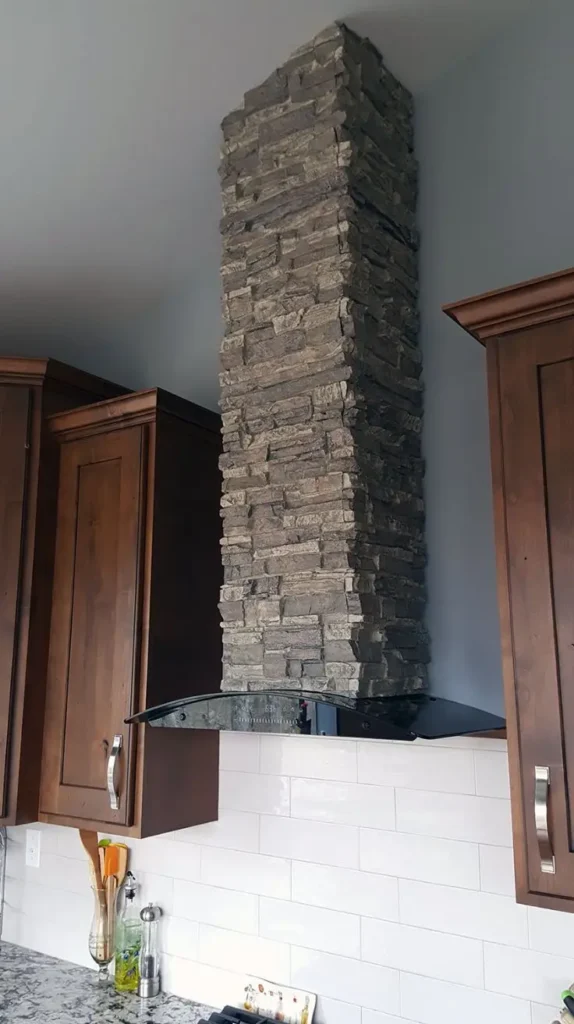
Stone and brick textures can dramatically elevate the look of the cooking area by creating a bold architectural statement. These materials bring a sense of strength and permanence that makes the kitchen feel more grounded and visually balanced.
Instead of using heavy natural stone, many homeowners choose lightweight faux stone panels or thin brick veneers. These materials are much easier to install while still providing the same rich texture and visual depth. Once installed, it becomes difficult to tell the difference between real masonry and these modern alternatives.
The process typically begins with a wooden frame that surrounds the appliance and provides support for the panels. The stone or brick pieces are then attached using construction adhesive or screws. Some designs also include mortar-style grout lines to enhance the authentic appearance.
This type of design works particularly well in rustic kitchens, Mediterranean-inspired spaces, or traditional homes where natural materials are already part of the décor. Warm lighting around the cooking area can further highlight the texture and create soft shadows that add dimension.
The final look feels dramatic and timeless. The cooking space begins to resemble a classic hearth rather than a simple wall appliance. This transformation can make the entire kitchen feel more inviting, sophisticated, and full of character.
Industrial Metal and Wood Combination
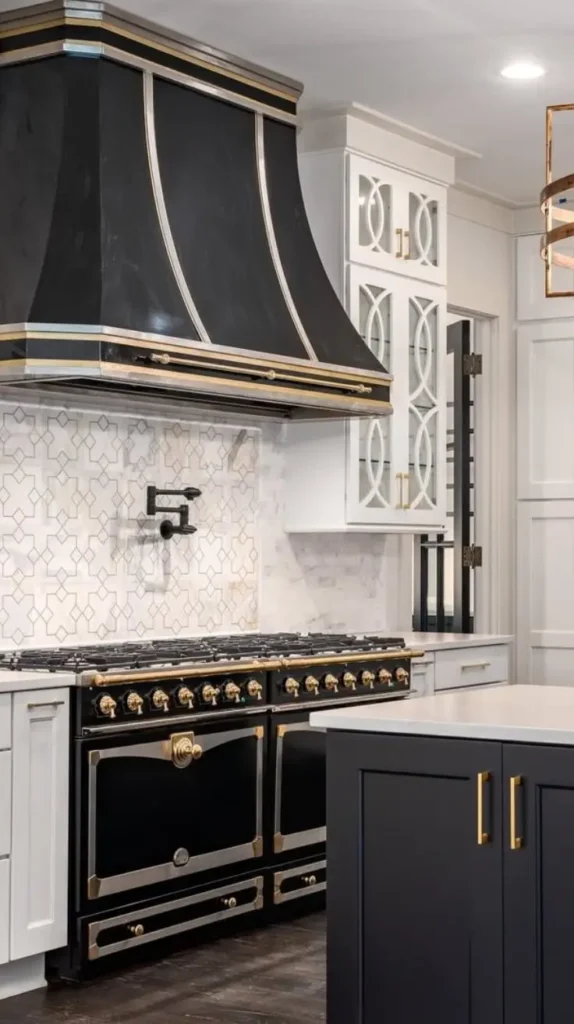
Combining metal and wood creates a bold kitchen feature that feels modern, rugged, and full of personality. This design style draws inspiration from industrial lofts and urban kitchens where raw materials and exposed elements are part of the aesthetic.
The base structure is typically made from wood panels that provide warmth and balance. Dark metal accents are then added to introduce contrast and visual strength. Steel straps, metal corner brackets, or exposed hardware can create the industrial effect that makes this style so distinctive.
Many kitchens use black or dark gray metal pieces because they stand out beautifully against lighter wood tones. These details may appear small, but they dramatically change the character of the structure. Even simple decorative rivets or metal trim pieces can make the design feel authentic.
The surrounding kitchen design also helps enhance this style. Concrete countertops, open shelving, dark cabinets, or brick backsplashes pair especially well with the industrial look. Soft lighting above the cooking area can reflect off the metal accents and highlight the textures.
When finished, the structure becomes a bold focal point. The combination of warm wood and strong metal elements creates a balanced design that feels both stylish and functional. The cooking area gains a unique edge that sets the entire kitchen apart from more traditional designs.
Painted Statement Design
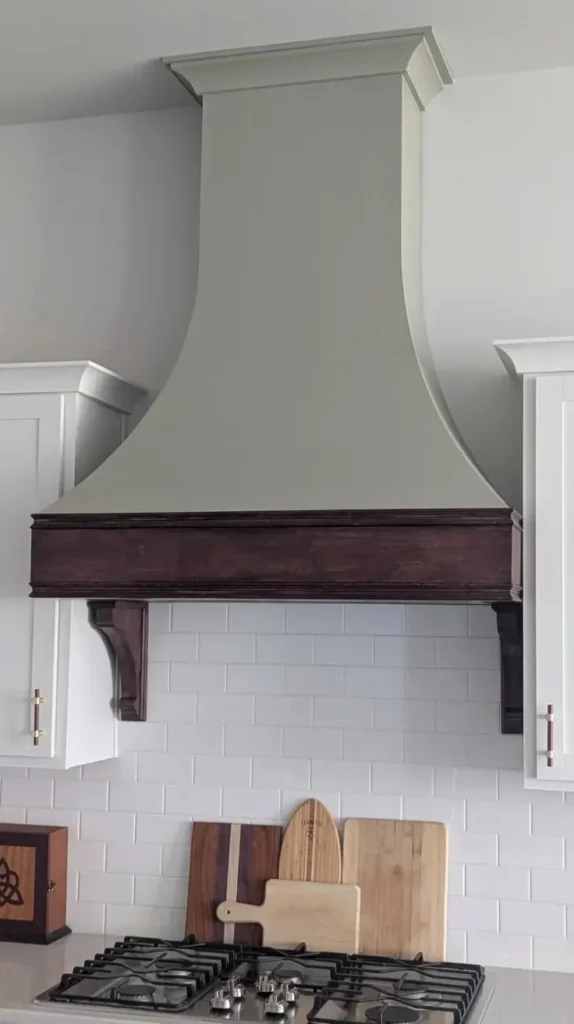
Sometimes the easiest way to upgrade a kitchen feature is through color. A painted statement design transforms the cooking area into a bold focal point that immediately draws attention. Instead of blending into the wall, the structure stands out with a striking color choice that complements the rest of the kitchen.
Many homeowners choose deep, rich colors such as navy blue, forest green, charcoal gray, or even muted terracotta. These shades create a strong contrast against light cabinets and neutral countertops. The result is a balanced design where the cooking area becomes a centerpiece without overwhelming the room.
The building process is relatively simple. After constructing a basic wooden structure, the surface is sanded and primed to ensure the paint adheres smoothly. High-quality paint is then applied in multiple thin coats for a professional finish. Some designs also include decorative trim or molding to add depth and detail.
Color can also be used strategically to tie the kitchen together. For example, the painted structure may match the island color, cabinet hardware, or backsplash accents.
When the project is complete, the cooking area becomes one of the most visually interesting parts of the kitchen. The bold color adds personality and energy while still maintaining a polished and cohesive design.
Beamed Rustic Design
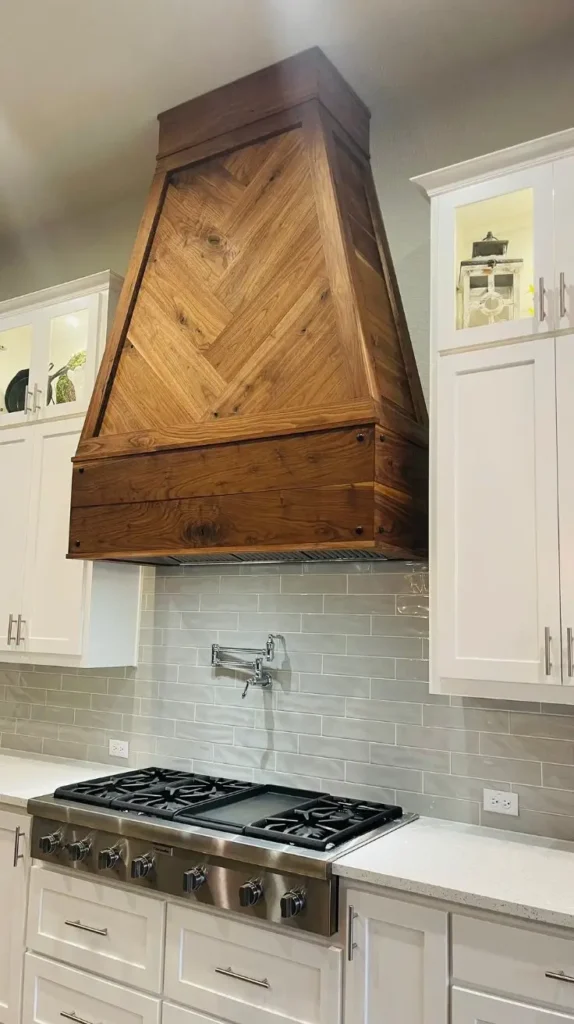
Wooden beams bring a sense of strength and authenticity to a kitchen. Adding decorative beams around the cooking area creates a rustic design that feels handcrafted and full of character. The natural wood grain introduces texture and warmth that instantly softens the look of the kitchen.
This design often uses thick wood beams placed vertically or horizontally around the structure. Some kitchens use two vertical beams on each side to frame the cooking space, while others incorporate horizontal beams across the top for a farmhouse-inspired look. Both approaches add architectural depth and make the area feel more substantial.
Real wood beams can certainly be used, but lightweight faux beams are also a popular choice. These materials are easier to install and reduce the overall weight placed on the wall. Despite being lighter, they still deliver the same rustic appearance.
Stained wood tones such as walnut, oak, or weathered gray work beautifully with white cabinets and stone countertops. The contrast between light surfaces and darker beams adds visual balance to the space.
Once installed, the beams give the cooking area a strong presence. The structure feels less like a basic appliance housing and more like an intentional design feature that adds charm and personality to the entire kitchen.
Tall Ceiling Statement Design
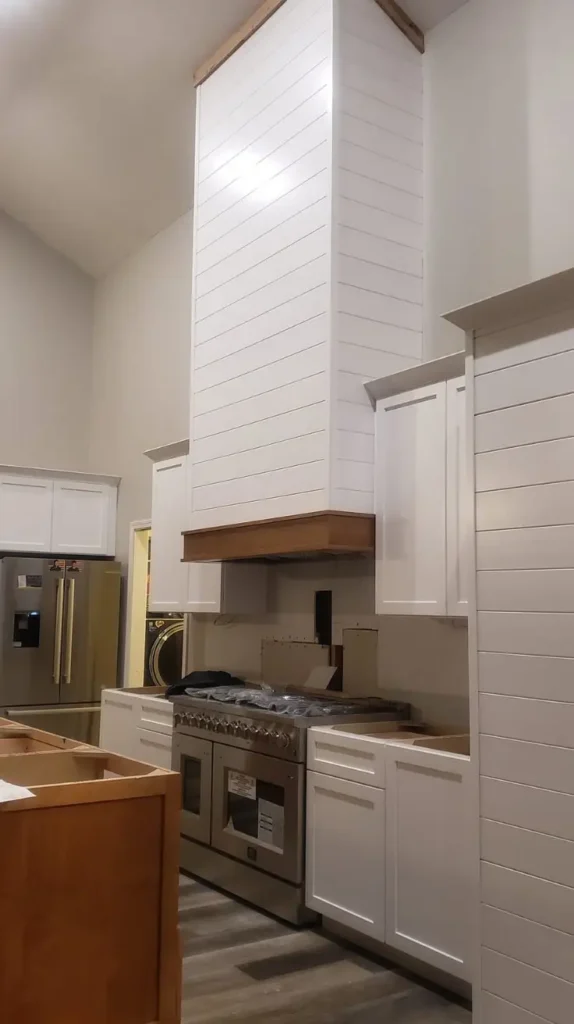
In kitchens with high ceilings, extending the structure all the way upward can create an impressive visual impact. This tall design draws the eye vertically and helps fill the empty wall space above the cooking area. The result is a dramatic architectural feature that makes the kitchen feel more spacious and balanced.
The structure typically begins with a sturdy frame that reaches from the wall-mounted appliance all the way to the ceiling. Smooth panels, wood planks, or decorative trim are then installed to cover the frame and create the finished surface. When painted or stained, the tall design blends seamlessly with the rest of the kitchen.
Crown molding is often added at the top where the structure meets the ceiling. This detail helps the feature look more integrated with the architecture of the room. Some kitchens also include vertical paneling or subtle trim patterns to add extra depth.
Lighting can enhance the effect as well. Soft lighting directed toward the structure highlights the height and adds gentle shadows that emphasize the vertical lines.
Once completed, the cooking area becomes one of the most striking parts of the kitchen. The tall structure adds elegance and scale, making the entire room feel more thoughtfully designed and visually impressive.
Cabinet-Style Built-In Design
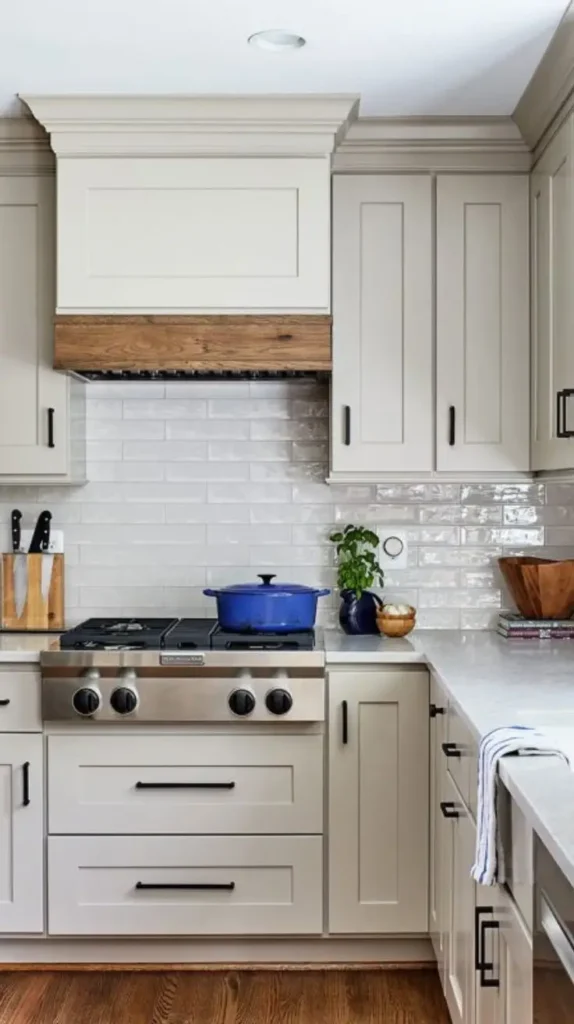
A cabinet-style built-in design focuses on blending the cooking area seamlessly with the surrounding cabinetry. Instead of standing out as a separate structure, the enclosure appears to be a natural extension of the kitchen cabinets. This approach creates a clean, organized appearance that many homeowners prefer.
The materials used for the structure usually match the cabinets exactly. This includes the same wood finish, paint color, panel style, and trim details. When everything aligns properly, the entire wall feels cohesive and balanced.
Construction begins with a frame that surrounds the appliance while leaving enough space for ventilation. Cabinet panels are then installed on the front and sides so the structure visually connects with nearby cabinets. Decorative molding, shaker-style panels, or raised panel designs can be added depending on the kitchen style.
This design works especially well in traditional kitchens where symmetry and uniformity are important. It also helps smaller kitchens feel less cluttered because everything appears integrated.
The finished look is subtle yet sophisticated. Guests may not immediately notice the structure because it blends so naturally with the cabinets. Instead of dominating the wall, the cooking area quietly contributes to a well-organized and beautifully designed kitchen.
Arched Frame Design
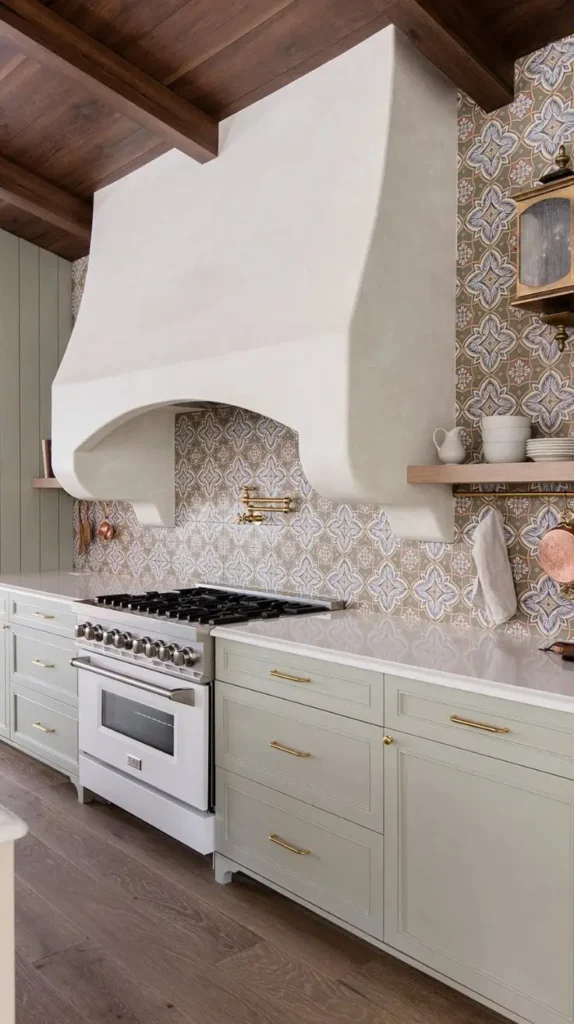
An arched frame introduces a soft and elegant shape that instantly stands out in the kitchen. Unlike square structures, this design features a gentle arch that frames the cooking area with a graceful curve.
The construction typically begins with a wooden frame shaped into an arch. Flexible boards or thin plywood are attached to follow the curved outline, creating the base for the finished surface. Afterward, the structure is covered with smooth panels, plaster, or painted wood depending on the desired look.
Light colors often work best with this design because they highlight the curvature of the arch. Soft white, cream, or pale gray tones emphasize the elegant shape while keeping the kitchen feeling bright and open.
The arch shape pairs beautifully with traditional, Mediterranean, and farmhouse kitchens. It can also soften modern kitchens that contain many straight lines and sharp angles.
Once completed, the arch draws attention naturally. The cooking area feels framed like a centerpiece within the kitchen. The gentle curve adds character and elegance without overpowering the rest of the room’s design.
Trim and Molding Detail Design
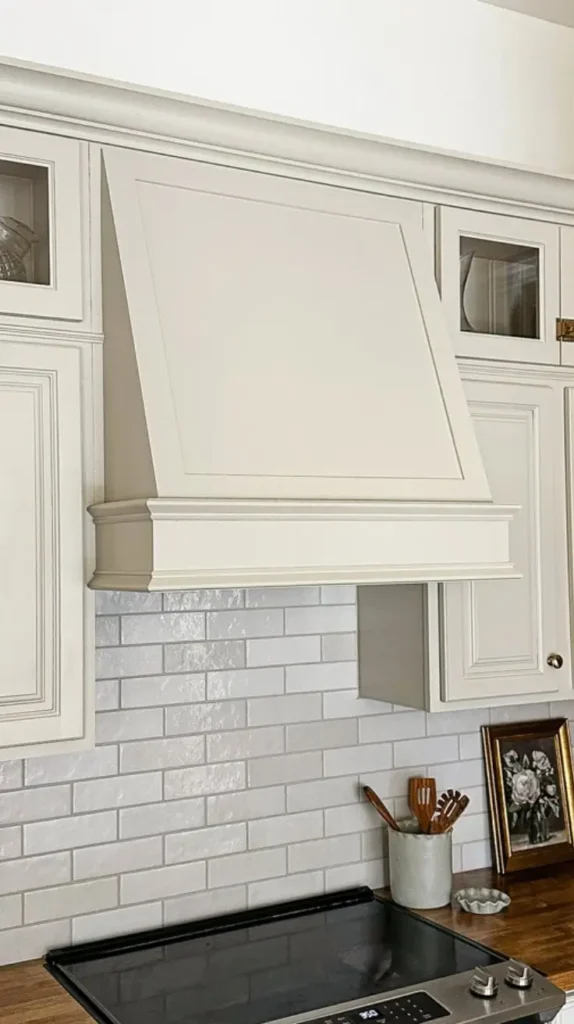
Decorative trim and molding can transform a simple structure into a refined architectural feature. By adding layered trim pieces around the cooking area, the design gains depth, texture, and sophistication.
This approach usually starts with a smooth enclosure built from wood panels or MDF. After the base structure is complete, decorative trim pieces are installed across the surface. These may include crown molding, small square panels, or vertical framing strips that create a grid-like pattern.
The trim pieces give the structure dimension and make it appear more detailed and customized. Painted finishes work particularly well because they highlight the shadows created by the molding. Classic white paint is a popular choice, especially in traditional kitchens. However, soft gray or muted colors can also create a stylish appearance while maintaining elegance.
The finished design feels polished and thoughtfully crafted. What began as a simple wall feature now resembles a custom architectural element. The cooking area gains character and refinement, making the kitchen feel more complete and visually balanced.


