

Polestar will effectively be forced out of the United States from next year after the Trump administration refused to certify the Geely-owned electric car maker under new connected vehicle rules, despite sister brand Volvo receiving approval to continue selling vehicles in the country.
According to a report by Automotive News, the decision means Polestar will be unable to sell new model-year 2027 vehicles in the US, leaving its 32 American retailers to transition largely into service centres once existing inventory is exhausted.
The move has sparked confusion among dealers because Volvo Cars, which shares the same Geely ownership and technology links to China, was granted approval by the US Department of Commerce in May.
READ MORE: Another Polestar 4 update rolls in: Top-selling Swede has better handling, is more sustainable and Dual Motor cops a price cut!
READ MORE: Cheapest Polestar 2 cut from Aussie line-up: Last year it was being updated, this year the Standard range Single motor is gone!
READ MORE: Polestar 5 cradle-to-gate emissions revealed: Luxury EV maker accounts for new GT’s CO2e emissions
The decision stems from the US Connected Vehicles Rule, introduced under former president Joe Biden and maintained by the Trump administration, which blocks the sale of vehicles fitted with Chinese-linked connected technologies including Bluetooth, Wi-Fi, cellular and some satellite communication systems on national security grounds.
Polestar told dealers it would not receive the necessary certification beyond the 2026 model year, effectively ending sales of new vehicles in one of the world’s largest EV markets.
The Swedish electric vehicle brand had warned since 2024 that the new regulations could force it to withdraw from the US.
The decision comes despite Polestar moving production of the Polestar 3 SUV to Volvo’s factory in South Carolina, where more than 8000 examples were built last year. Production there is expected to continue in the near term, although the vehicles will eventually no longer be able to be sold in the United States.
Instead, Polestar says Europe will become the focus of its future growth.
“The automotive industry is entering a new phase, based on regional dynamics,” Polestar chief executive Michael Lohscheller said.
“Our strategy reflects that, with Europe being our largest growth engine and our plan to manufacture Polestar 7 in Europe.”
Europe accounted for 78 per cent of Polestar’s global sales during the first quarter of 2026, compared with just six per cent in the United States.
The decision has left American dealers questioning why Polestar has effectively been singled out while Volvo has been allowed to continue operating.
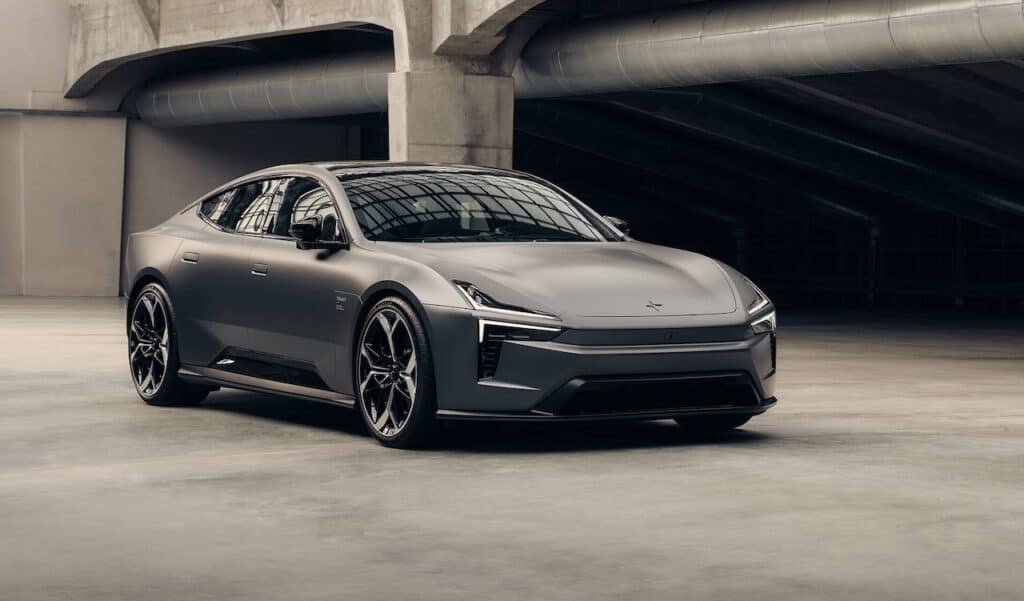
“It’s a shell shocker,” Polestar Dealer Board chairman Dean Buschick told Automotive News.
“No matter what side of the political aisle you’re on, there are repercussions from government interventions. Being a casualty of those decisions is tough.”
Another dealer, Matthew Haiken from Polestar Short Hills in New Jersey, described himself as “absolutely devastated” after investing heavily in the brand.
Polestar says it will continue selling its remaining inventory of Polestar 3 and Polestar 4 models in the US while maintaining servicing and support for existing customers. Canadian operations are unaffected.
The latest setback follows several difficult years for the EV maker. US tariffs on Chinese-built vehicles had already forced Polestar to discontinue the Polestar 2 in America, delay the Polestar 4 and effectively price the upcoming Polestar 5 electric sedan out of the market.
The US withdrawal is not expected to affect Polestar’s Australian operations, where the company continues to expand its local line-up with the Polestar 3 SUV and Polestar 4 SUV coupe, while the Polestar 5 four-door GT and Polestar 7 compact SUV remain part of its future product plans.


