

Battery electric vehicles have outsold petrol-powered vehicles in Australia for a second consecutive month, with September deliveries more than doubling compared with a year ago.
Australians took delivery of 26,287 battery electric vehicles during the month, up 117.7 per cent and accounting for 24.2 per cent of the new-vehicle market.
That compares with an 11.3 per cent share in September 2025, underlining how quickly EVs are gaining ground as more brands and models enter the market.
READ MORE: New findings: Australia’s EV boom is reshaping the used car market as record sales feed future supply
READ MORE: EVs outsell diesel and hybrids for the first time as new-car market smashes all-time record; Tesla, BYD booming
READ MORE: Record sales for Tesla! EV heavyweight has huge May – Tesla Model Y outsells Ford Ranger, Toyota Hilux, Toyota RAV4
Battery electric vehicles narrowly outnumbered petrol vehicles, which recorded 26,018 sales, and also finished ahead of diesels on 25,173.
The figures combine the Federal Chamber of Automotive Industries’ VFACTS report with Tesla and Polestar deliveries reported separately through the Electric Vehicle Council.
Together, the two reporting sources recorded 108,778 new-vehicle deliveries in September, up 1.8 per cent year-on-year. The VFACTS-only total was 102,924, an increase of 0.9 per cent.
The modest overall market growth contrasts with the much stronger increase in EV deliveries, while petrol sales fell 36.2 per cent and diesel sales declined 18.4 per cent.
EVs have now accounted for 180,591 deliveries during the first nine months of 2026, representing 18.9 per cent of the market compared with 8.1 per cent at the same point last year.
September’s share was slightly below August’s 24.9 per cent, but remained well above the year-to-date average.
Three battery electric SUVs finished among Australia’s 10 best-selling vehicles in September.
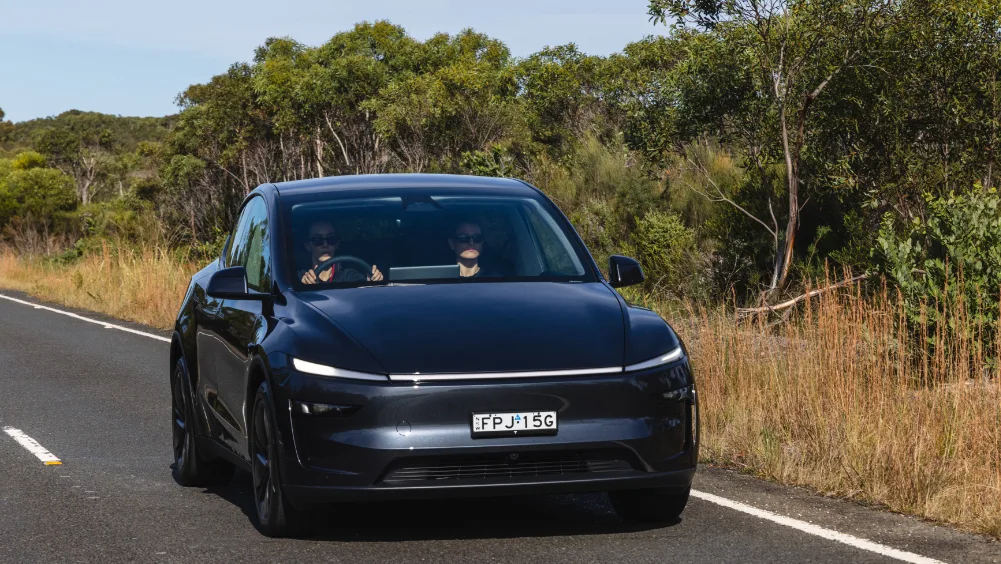
The Tesla Model Y led the EV field with 4476 deliveries, placing it third overall behind the Ford Ranger on 5062 and Toyota RAV4 on 4624, but ahead of the Toyota HiLux on 4455.
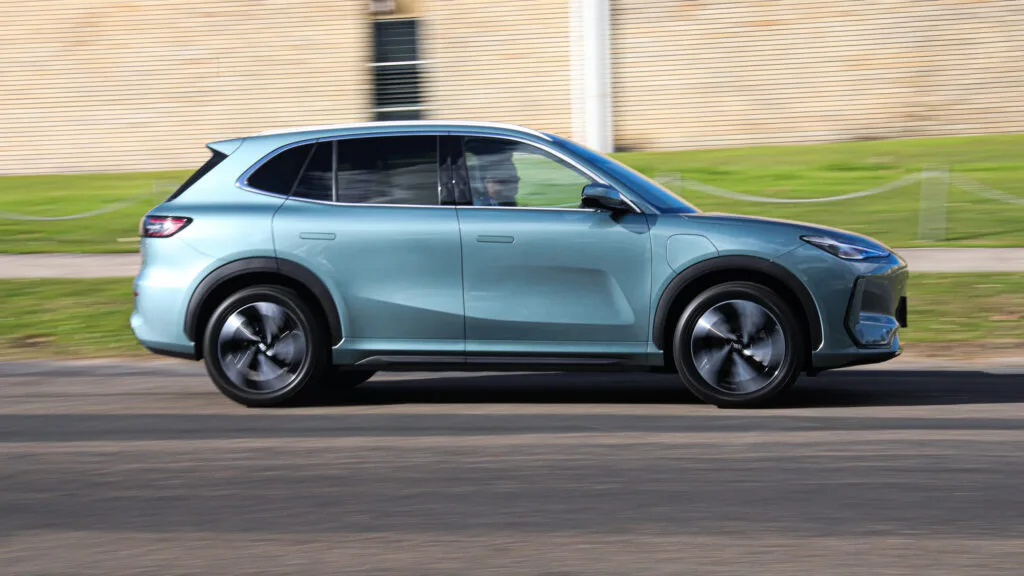
The BYD Sealion 7 finished fifth with 2687 deliveries, while the Geely EX5 placed eighth with 2008.
According to the Electric Vehicle Council, Tesla delivered 5654 vehicles in September, up 21.3 per cent, placing it sixth among all brands.
The Model Y’s monthly result was up 14 per cent, with the six-seat Model Y L contributing 1764 deliveries to the SUV’s total.
Model Y deliveries have reached 35,930 for the year, up 108.4 per cent compared with the first nine months of 2025.
The Tesla Model 3 added 1178 September deliveries, up 60.1 per cent. Its year-to-date total of 5775 was up a more modest 6.6 per cent.
Together, the two model families took Tesla’s nine-month total to 41,705 deliveries, an increase of 84.1 per cent.
BYD remained Australia’s second-largest vehicle brand overall, delivering 8191 vehicles across its battery electric and plug-in hybrid ranges, up 61.1 per cent.
Market leader Toyota also recorded growth in its electric offering, with the bZ4X delivering a record monthly result of 410 sales in September. Toyota said year-to-date sales were nearly five times higher than at the same point in 2025, following an upgrade late last year and the addition of the Touring variant in mid-2026.
Toyota said plug-in hybrids had accounted for approximately 30 per cent of new-generation RAV4 sales since its June launch. The RAV4 recorded 4624 deliveries across its range in September, with a cheaper GXL 2WD PHEV variant due in the first quarter of 2027.
Geely delivered 4473 vehicles across its electric and plug-in hybrid line-up. Alongside the EX5, its smaller EX2 electric car contributed 1211 deliveries.
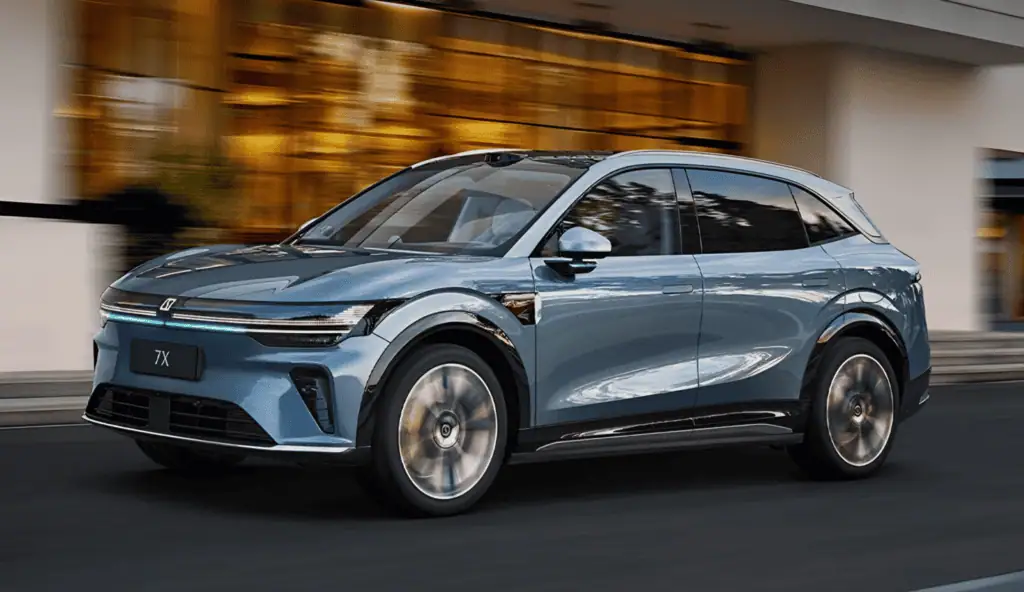
Electric-only sister brand Zeekr recorded 2050 deliveries, compared with 120 a year earlier, marking its third consecutive month above 2000.
The Zeekr 7X accounted for 1628 September deliveries and led the VFACTS medium SUV category priced above $65,000, with a 28.8 per cent share. That ranking excludes Tesla, which reports separately through the Electric Vehicle Council. The Model Y remained the stronger seller with 4476 deliveries.
Plug-in hybrids also continued to expand rapidly, with September deliveries rising 122.7 per cent to 10,072. Conventional hybrids increased 20.7 per cent to 17,843.
Combined, battery electric vehicles and PHEVs accounted for 33.4 per cent of September deliveries. Adding conventional hybrids took the electrified share to 49.8 per cent.
FCAI acting chief executive Dianne O’Hara said greater choice and competition were supporting the changing sales mix.
“Australian motorists are embracing a broader range of powertrains, following greater model choice offered by manufacturers and growing competition,” she said.
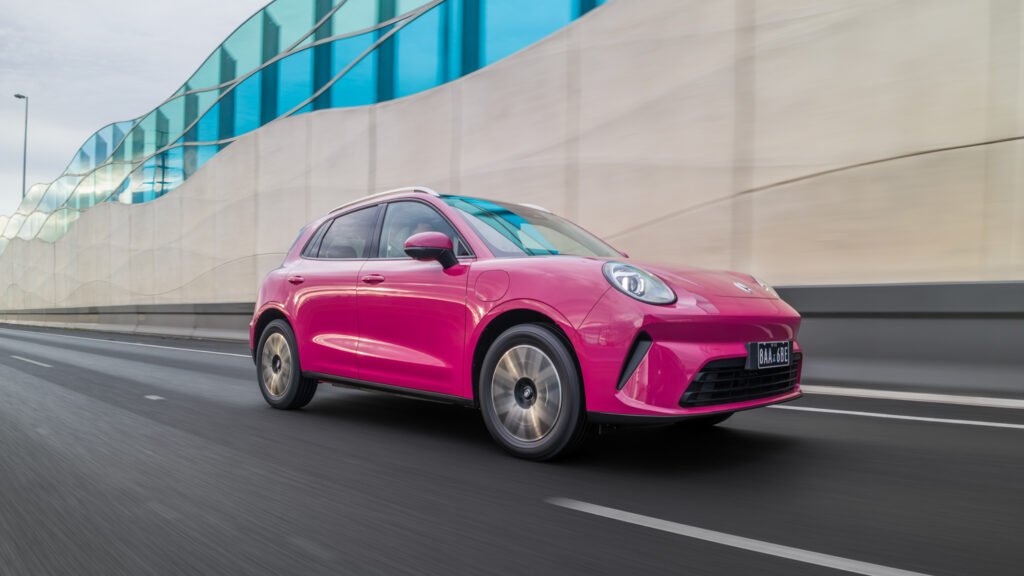
GWM provided another example of the broadening electrified market, reporting 609 deliveries of its Ora 5 electric SUV.
The company said its battery electric sales increased 542 per cent, while its hybrid and PHEV sales grew 26 per cent and 109 per cent respectively.
GWM delivered 5212 vehicles overall, up 5.4 per cent. That placed it sixth in VFACTS, or seventh when Tesla was included.
The National Automotive Leasing and Salary Packaging Association attributed some of the EV growth to household budget pressures and buyers seeking less exposure to fluctuating fuel prices.
Chief executive Rohan Martin said the Electric Car Discount was helping make the initial switch affordable for working Australians.
“An EV can deliver substantial savings on running costs, but households first need to be able to afford the switch. That is where the Electric Car Discount continues to make a real difference,” he said.
Martin said households with rooftop solar could also reduce transport costs by charging with electricity generated at home.
While petrol and diesel vehicles remain ahead over the first nine months of the year, September’s result shows battery electric vehicles sustaining a much larger presence in the Australian market than a year ago.
The post EV sales more than double as Tesla, BYD and Geely help electric cars outsell petrol again in September appeared first on EV Central.


