
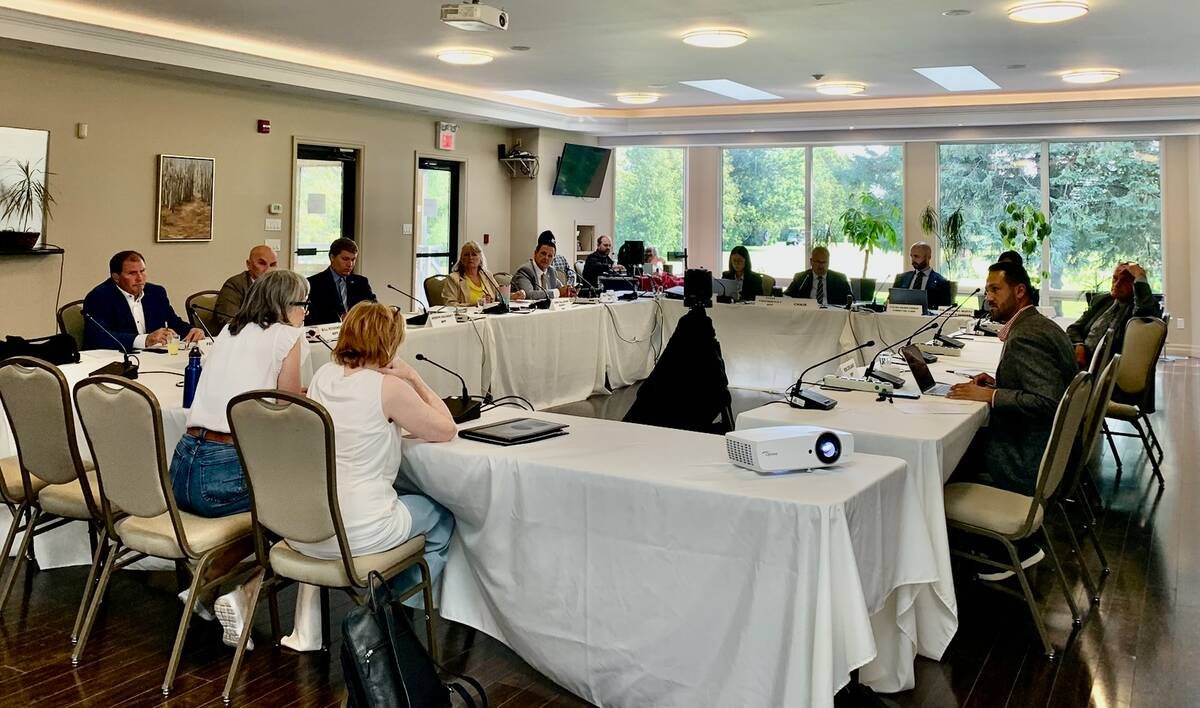
MPPs faced questions from farmers at a public hearing of the Ontario legislature’s standing committee on the interior on Bill 109, the Protecting Ontario’s Food Independence Act, 2026.
The meeting was held Aug. 11 in Shelburne — one of the communities potentially impacted by legislation that enacts the Farmland Security Act, 2026 — and aligns other acts to place restrictions on the acquisition of farmland and protect agricultural independence.
Similar legislation already exists in Alberta and Quebec.
Dufferin County farmer Bill McCutcheon is concerned about the impact of foreign ownership of Ontario farmland. His family has been farming land in the area for more than 200 years.
He notes Ontario is home to some of the most productive land in the country.
“Everybody thinks it’s unlimited and that they should be able to develop that into residential,” he said, adding development restrictions on prime agricultural lands is one of the key steps to protecting the future of farming.
Intensification guidelines
He said Ontario should follow its own guidelines in the Places to Grow Act, focusing on intensification of existing urban areas and providing a variety of living space options. McCutcheon cautions against a trend of luxury homes being built on traditionally agricultural lands.
He notes in his own community of Dufferin County, there are limited retirement options. He adds intensification would help provide this type of housing while protecting farmland.
“People that want to retire can’t stay in the community where they lived their whole life; they have got to be somewhere else,” he said.
McCutcheon believes municipalities need to take on a greater role in shaping their communities, focusing on “what’s best for their residents, and not what’s best for developers.”
Among those in attendance was Victoria Creese, a member of Grand(m)others Act to Save the Planet (GASP). The grassroots climate action and advocacy group’s mandate is to create a sustainable future for upcoming generations.
Grassroots movement
She says GASP recognizes that farmland is a non-renewable resource and is the foundation of Ontario’s food security.
Creese has experienced the impact of development on agricultural land. She worked on a farm near Markham for 10 years. She said the farm had its lease revoked without warning. Shortly after the farmer vacated the land, she says the owner, a developer, had the barns and house bulldozed.
“The farm was left like that for a few years and then houses were built,” she said. “I learned you can’t just trade one bit of farmland for another. It still gives me a twinge every time I drive by.”
Creese says this was the catalyst behind her joining the fight against farmland development.
“With climate change, population growth, and global supply-chain disruptions putting increasing pressure on food production, protecting Ontario’s most productive farmland has never been more important,” she said.
Creese points to the common statistic that Ontario is currently losing an average of 319 acres of farmland every day. She says that figure is an alarming rate of loss that demands meaningful action.
“Every acre of farmland that is permanently lost today reduces our ability to feed future generations,” she said.
Limiting farmland ownership
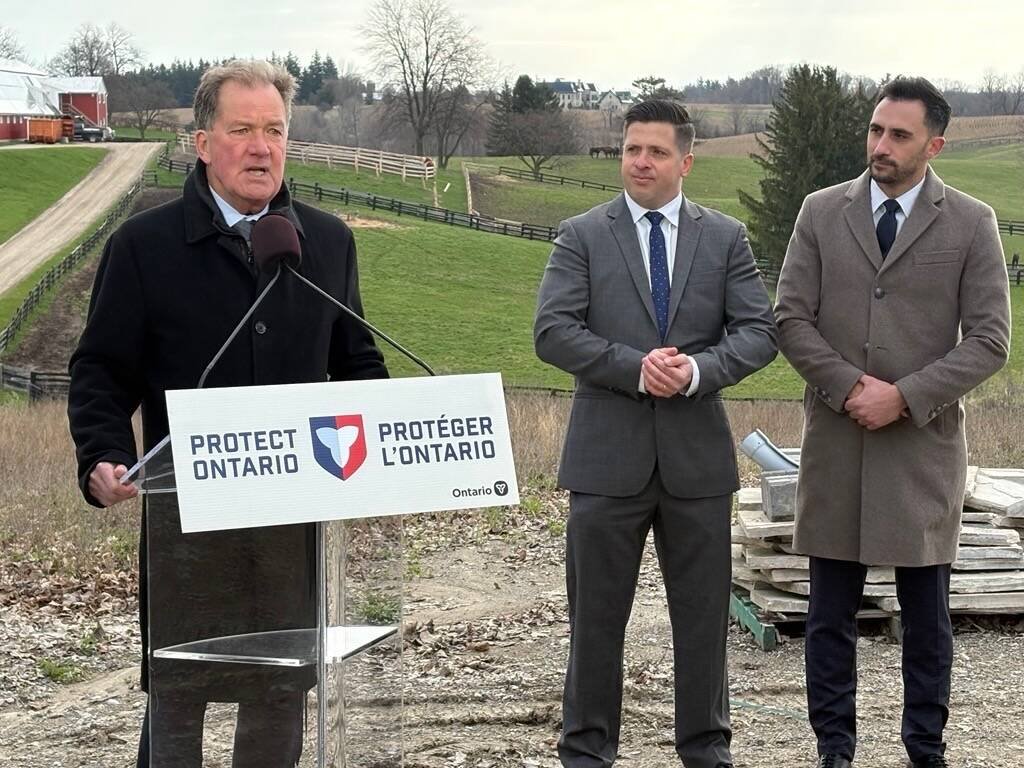
Creese says Schedule 3 of the Farmland Security Act, in Bill 109, addresses this important issue by limiting foreign ownership of farmland. This portion of the Act prohibits a designated person, who may be a foreign national or an individual, corporation, partnership or other entity that satisfies criteria as may be prescribed by the regulations, from purchasing or otherwise acquiring farmland or an interest in farmland.
She says GASP believes further steps must be taken because the bill does not prevent farmland from being bought by domestic speculators who have no intention of farming the land and are holding it for future development.
“That puts additional pressure on farmland prices and makes it more difficult for family farms and young farmers to access land. That’s why we have proposed amendments to the Bill that we believe would strengthen farmland protections and help ensure that Ontario’s farmland is safeguarded for generations to come,” she said. “As grandmothers, we feel a particular responsibility to speak up for the future. We’re bringing amendments to the bill forward to encourage discussion and, hopefully, meaningful action.”
She says the limitations of Schedule 3 become clear when the fact that farmland is already under threat from domestic speculation and development decisions is considered.
Domestic speculation impact
She points to the proposed Highway 413 corridor and the lands adjacent to it as an example. She notes that, in anticipation of the highway and the development opportunities it is expected to create, developers have purchased large areas of Class 1 and Class 2 farmland adjoining the proposed highway.
“There are viable alternatives to both the highway and the housing development on prime farmland. Opening the 407 to a truck lane would take 12,000 to 21,000 trucks off Highway 401 and investing in public transit would reduce the number of cars on roads,” she said.
She says the GASP position is clear, noting that when viable alternatives to development or infrastructure exist, protecting prime agricultural land must take precedence over decisions that would result in its irreversible loss.
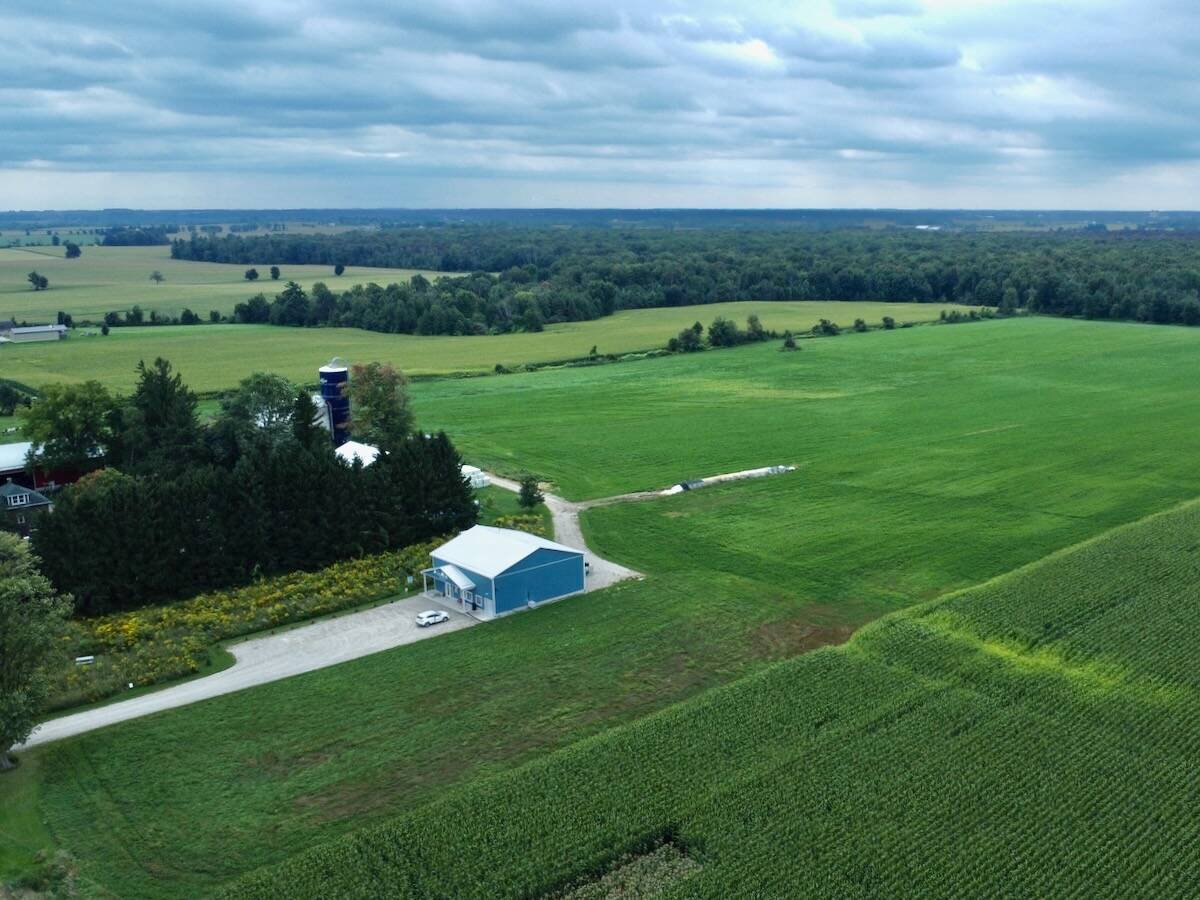
She says this bill is a catalyst to establish clear policies to address domestic speculation and prevent the continued purchase of farmland for future development.
“Protecting Ontario’s farmland today is essential to protecting our food security for generations to come,” she said.
Creese says Schedule 3 of Bill 109 is meant to protect family-run farms from foreign speculation, which is a good thing. She adds GASP would like to see these protections expanded to include domestic speculators as well, in order to further protect family farms and make farmland more accessible to young farmers.
Agricultural impact assessment
“If buyers of farmland intend to change its use from agricultural production to development, an agricultural impact assessment should be required. The assessment should evaluate the potential impacts on Ontario’s food security, ensure that decisions are evidence-based, and consider the long-term value of agricultural land,” she said, adding it should also examine alternative approaches to determine whether the proposed project could be delivered in a way that avoids or minimizes the loss of farmland.
She said GASP recommended these amendments to Schedule 3 of Bill 109 to the standing committee.
“Regulations designed to protect farmland from both foreign and domestic speculators would make agricultural land more affordable and accessible to young farmers,” she said. “They would also promote greater transparency and consistency, enabling farmers to make more informed decisions and plan for the long term.”
The post Farmers question MPPs on farmland protections at Bill 109 hearing appeared first on Farmtario.


