
As more details emerge about the Alto High Speed rail project, the more farmers dislike it.
The privately operated rail line, owned by the federal Crown corporation Alto, would connect Quebec City and Toronto, cutting through more than 1,000 kilometres of rural communities and farmland.
With an estimated price tag of $120 billion and a projected completion date of 2043, the project stands to become one of the largest and most controversial infrastructure developments in Canadian history.
Farmers along the line’s proposed route have received mailings requesting access to private land.
An increasing number of opponents are also concerned that, during difficult economic times, the high-speed rail line is not a wise use of tax dollars.
Several farm organizations have come out against the project, including the National Farmers Union. Phil Mount, NFU vice-president of policy, said the project does not reflect the economic realities facing Canadian farmers.
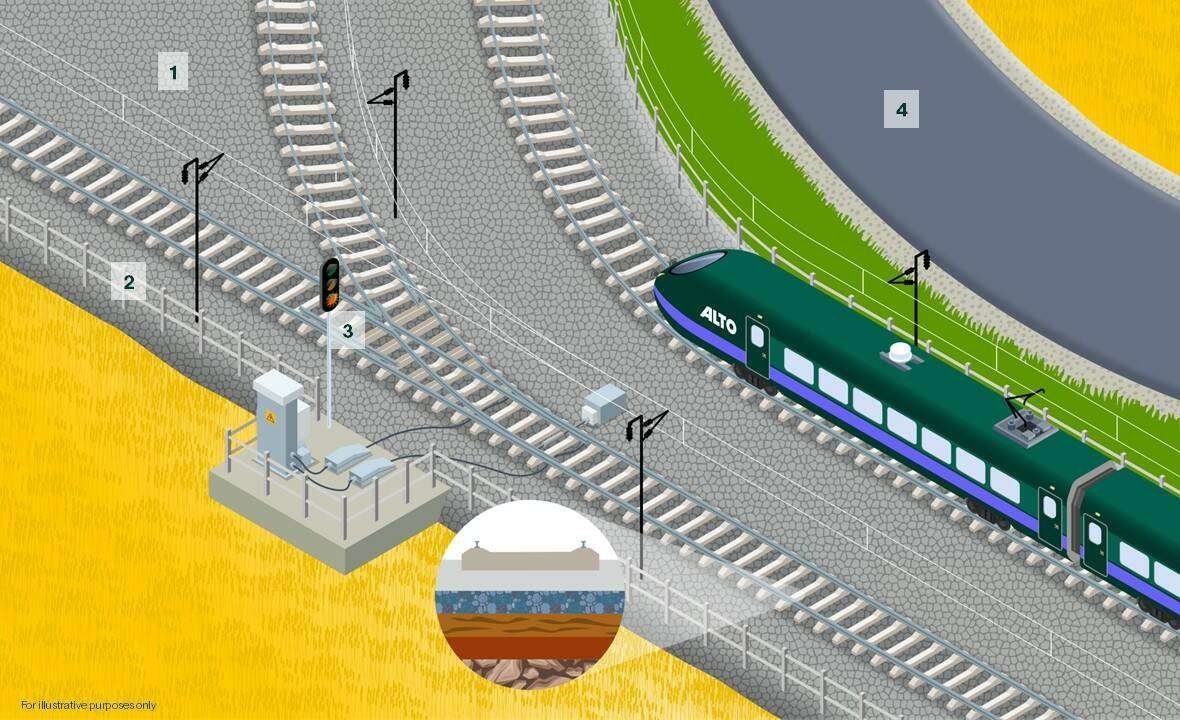
The NFU is criticizing Alto’s lack of transparency, feasibility studies and public consultation. It argues the project is based on empty promises and could cost $60 billion to $90 billion over 60 years, with significant public subsidies required.
Mount noted the farmers’ union is not opposed to the development of public transportation infrastructure. He added the risk of farmland annexation makes this particular project too great a risk for the farming community.
“Alto is an empty promise masquerading as a nation-building project that Alto has put forward marketers with empty words for supporting evidence, no cost-benefit analysis, no feasibility study, no comparative business case. These are all basic first steps. This needs to be how we start our public conversation,” Mount said, adding that he has not seen any studies showing the project’s potential agricultural or economic impacts.
He also pointed to other countries that created similar rail lines using existing infrastructure. Mount noted Canada has spent the last five decades decommissioning and removing most of its rail lines.
He added that until existing infrastructure within hubs such as Toronto and Montreal are upgraded to meet the demand a high-speed rail system may generate, there is little feasibility in maintaining an interprovincial system.
Mount believes building along the existing Highway 401 corridor would help avoid affecting the agricultural communities currently slated to border the project. He said the current proposal to build over the Canadian Shield and under hydro corridors creates many logistical obstacles.
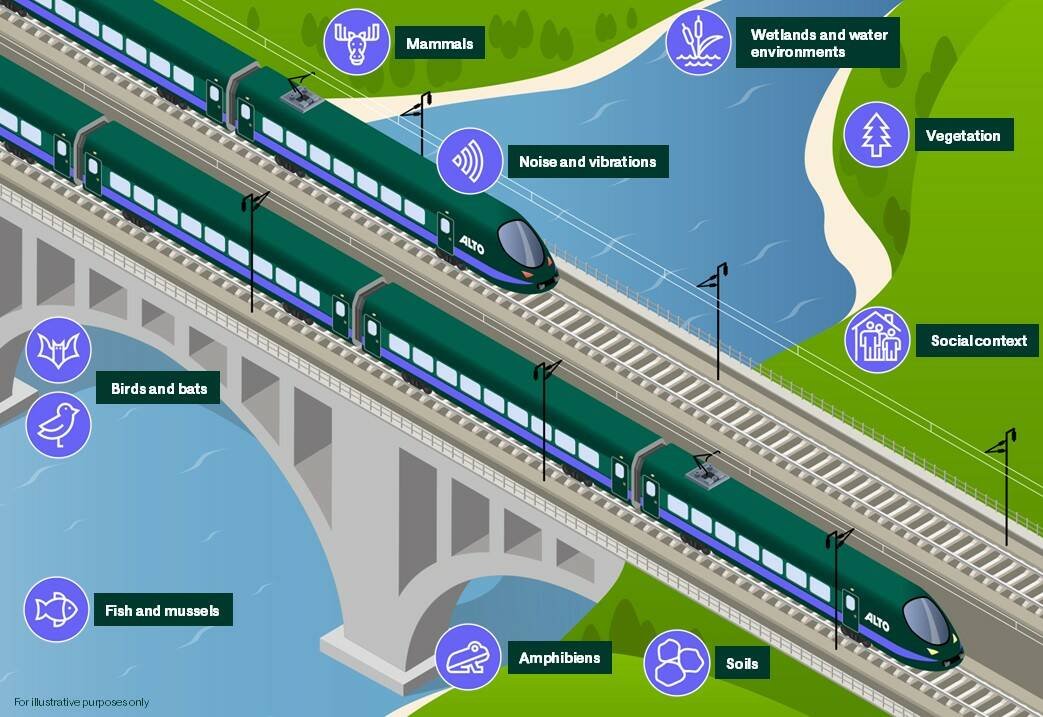
Mount also believes the money earmarked for the project could be better spent supporting agricultural growth and advancement in Ontario.
“The Canadian public, once this is built, are going to have to be subsidizing this to the tune of a couple of billion dollars per year just to make it affordable for people to get onto that high-speed rail service,” he said, adding the money the government is putting toward the project could have been redirected to the recently closed Agriculture and Agri-Food Canada facilities.
He added that a formal public protest is scheduled for June 10 on Parliament Hill.
Blocking succession planning
This sentiment is echoed by Marc Bercier, president of Centre de Criblage Marc Bercier Inc./Bercier Seed Cleaning Inc. and a fourth-generation farmer.
Bercier said the proposed rail line would run through his farmland in St-Isidore in eastern Ontario, significantly affecting the company’s seed cleaning, treatment and bagging operations.
He agreed the money allocated to the project would be better directed toward supporting Canadian agriculture, which is facing increased pressure from foreign influence and competition.
“We could not imagine that our government would spend all that money, there’s so many issues, and especially as a farmer we have to deal with climate change, the market, now we went through war, so the stress is already daily there,” he said.
Bercier said the project is also creating a succession challenge for farmers who, as of September, due to the passage of Bill C-15, the High-Speed Rail Network Act, will no longer be able to sell land within the Alto construction zone. The act gives the government first right of refusal on lands that fall within the proposed construction zone.
Bercier, 61, said he is in the process of transferring his business and land to his son and daughter-in-law. He said he is working to beat the September deadline to ensure there are no hindrances to future succession planning.
He is concerned farmers’ voices are not being heard because they represent such a small proportion of voters.
“We are less than two per cent of the population who feed 98 per cent of the population,” he said, adding rural communities are struggling to stay ahead of infrastructure needs and funding for projects such as Alto would be better spent improving existing rural infrastructure.
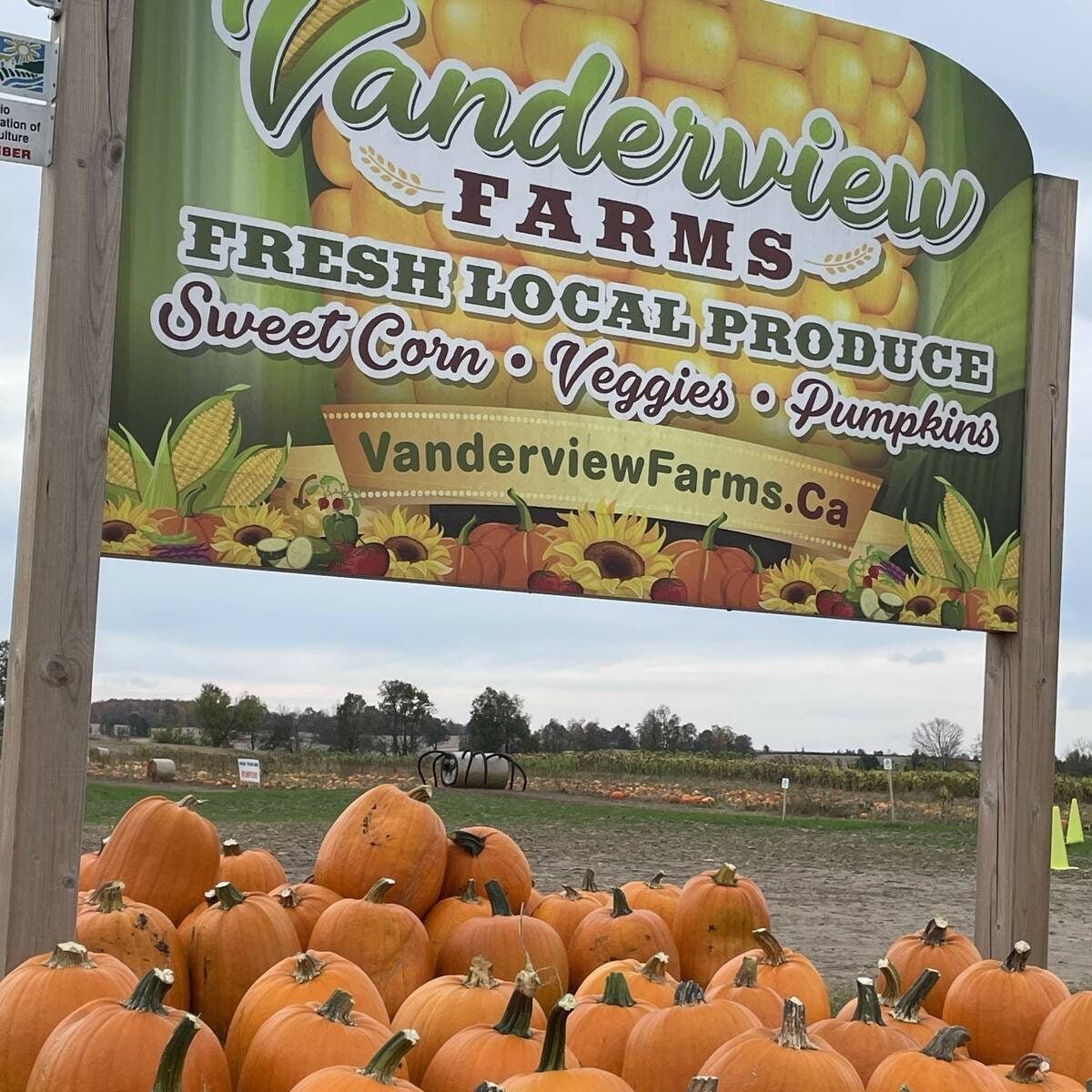
An agricultural dead end
Will Vanderhorst owns Vanderview Farms, a 500-acre agritourism farm near Norwood, Ont. Vanderhorst and his wife retired from dairy farming in 2020 and now operate the business from July through October.
He said the project will make it more difficult to get goods to consumers. He said the lack of level crossings, which would create dead-end rural roads, will create challenges not only for first responders, but also for crop transportation.
He believes the potential expropriation of up to 14,868 acres for the high-speed rail line will increase food costs at the consumer level.
“They (Alto) talk about connectivity and how this high speed rail will create more connectivity, which is totally wrong. It’s not going to happen in rural Ontario,” he said, adding the line will create challenges in getting crops to market and could disrupt milk pickup routes.
Additionally, Vanderhorst said there has already been real estate fallout, with realtors required to disclose the possibility of the rail line coming to the area. He believes this will negatively affect farmland prices, with many potential buyers reluctant to take on land that falls within the Alto catchment area.
“They talk about how this train will be an economic driver, while in fact already we have a cloud hanging over any area that’s in the corridor. Would the farmers in this area build a new barn at this point in time? No. Would they invest in new green facilities? No,” he said.
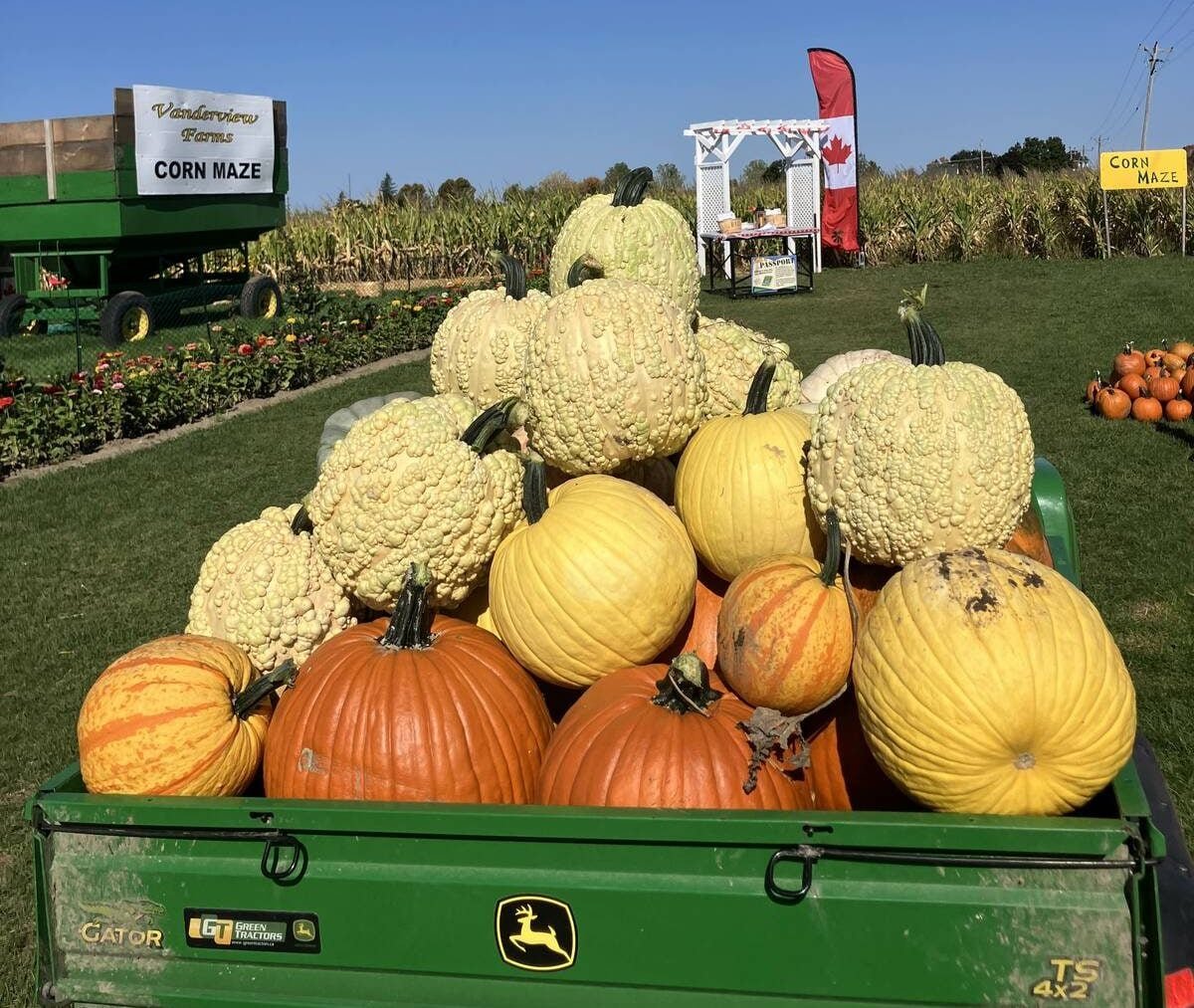
Vanderhorst said he would like to see more research into alternative rail technology. He said he welcomes hundreds of Greater Toronto Area residents to his farm each year and believes a high-frequency rail system with more stops in rural Ontario would be a better option than a high-speed train.
“We have a broad geographical area with very low population density. There’s countries in Europe where the population density is 565 people per square kilometre. In Ontario, which is the most populated region of the country, the population density is 16 people per square kilometre. There’s no comparison,” he said.
Following field environmental studies this summer, Alto is expected to provide a more detailed corridor plan by fall 2026. The corporation is expected to narrow the proposed development site to a 60-metre-wide right-of-way alignment by late 2026. If approved, construction on the Ottawa-Montreal segment is expected to begin between 2029 and 2030.
The post Farmers warn Alto rail project threatens farmland, farms’ futures appeared first on Farmtario.


