
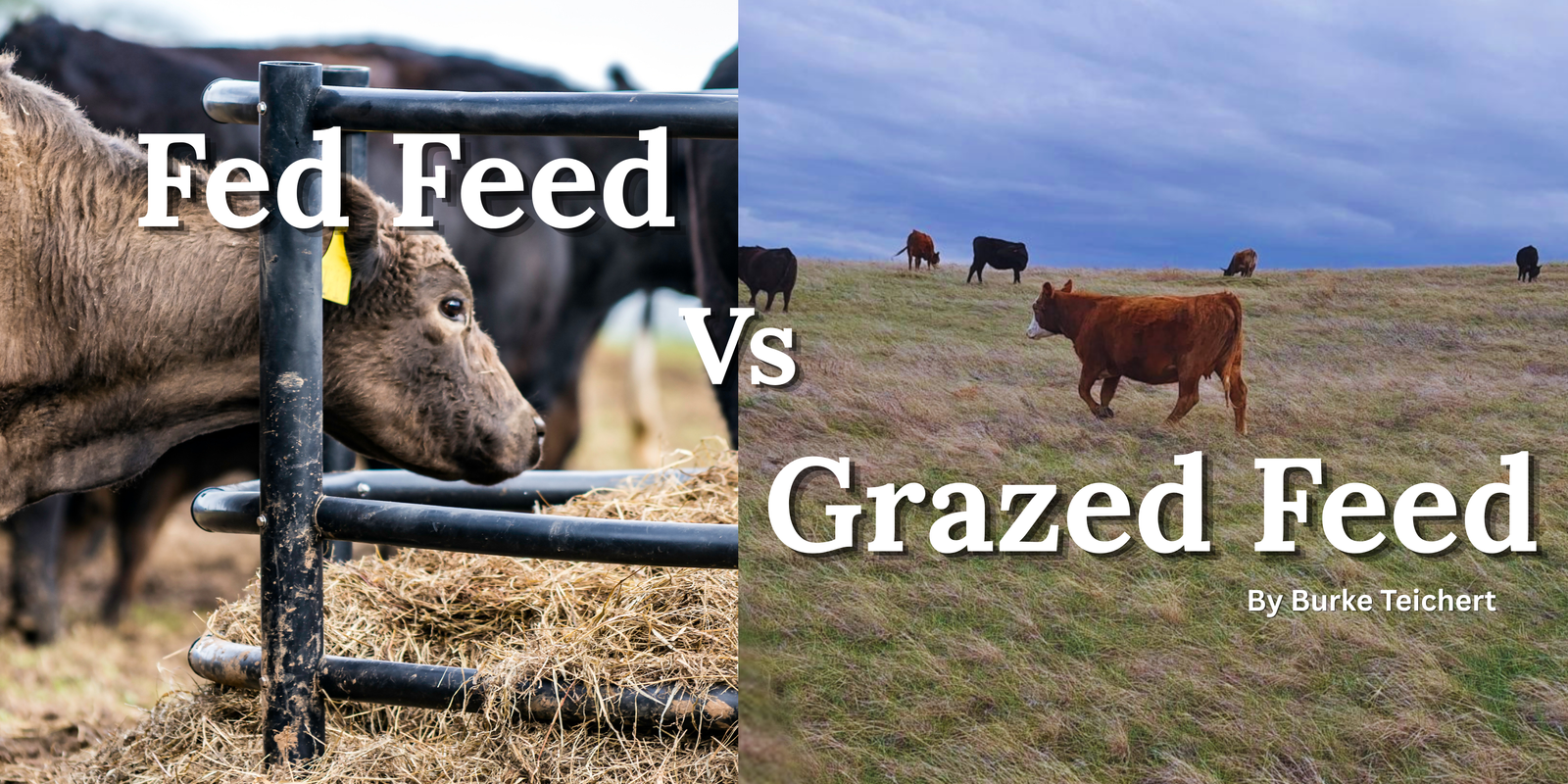
Have you heard the saying, “Anytime you place a piece of equipment between the mouth of the cow and her feed source, it has just cost you money.” This statement is generally true. That doesn’t mean the cost is never profitable or justified—it’s just that in cow-calf or stocker operations, it only makes sense occasionally. My goal is to avoid feeding hay or other harvested forage whenever possible. I know that north of I-70 in the US, there are places and times that winter conditions make feeding hay unavoidable; however, you will usually not need to feed nearly as much as is the habit of most ranchers.
This article is written to fit ranchers north of I-70 and west of I-35 in the US. However, many of the ideas for practices that adhere to the Six Principles of Soil Health will apply across a much broader range of regions. Jim Gerrish wrote the book, Kick the Hay Habit, and pointed out that many livestock producers in areas with very little snow feed nearly as much hay as producers in areas with much more snow. This suggests that feeding hay is often more of a habit than a necessity. Many of you can kick the hay habit while using practices that follow the Six Principles of Soil Health.
Here are just a few ideas to consider:
Managing Livestock in Harsh Winter Conditions
If you are in an area where the snow is deep and lasts a long time, you should probably not have livestock in the wintertime— instead, consider replacing cows and calves with summer stockers or custom grazing, or taking your cows to winter grazing if trucking cost is not prohibitive. Some ranchers have planted summer cover crops that stand tall enough to be grazed through quite a bit of snow.
Preparing for Worst-Case Feeding Situations
I would not ranch in the part of the US described without being prepared to feed a little in the worst-case situations that may come along. When feeding hay becomes necessary, consider whether you could bale graze or windrow graze to save some machine expenses. Also ask whether you could have a custom operator put up your hay significantly cheaper than you can do it yourself. (Be careful about making too many excuses here.) Another option is to purchase the hay you need, very possibly at a cost significantly lower than the cost of putting it up yourself. If you purchase the hay, you will have an increase in livestock carrying capacity because you will now be able to graze the land that was previously hayed and you will also bring in carrying capacity with the purchased hay.
Stockpiling Forage for Yearlong Grazing
In a great portion of the land north of I-70 and west of I-35 most of the annual grass growth occurs between May 15 and July 15. For yearlong grazing, that forage production must then be rationed through the entire year. This means that most of your grazing will be using stockpiled feed. I recommend ensuring that you have enough stockpiled forage to last until the following year’s plant growth is nearly complete. In Spring, the ration for the livestock will be much better if they can mix the older stockpiled feed with the new green feed. This reduces grazing pressure on new plants, resulting in a less severe bite on fresh growth while more old dry forage is trampled—helping keep the soil covered and the ecosystem functioning more effectively. In most of these arid areas, you will seldom, if ever, graze any area more than once per year.
Adaptive Grazing and Recovery Periods
Since there are a few negative effects from grazing during the short season of rapid growth, it is beneficial to change the season of use from year to year. This allows several years before grazing the same area during the rapid growth season again. This approach implies a recovery period of more than one year between grazings—sometimes several months longer.
Transitioning Away from Winter Hay Feeding
If your cows are accustomed to having hay fed to them during a good portion of the winter, you will probably need to change the habit in a few steps. Gradually reducing the amount of hay fed over several years will allow the cows to adapt to a new environment (your management) and reduce the culling rate of cows that just simply don’t fit the “new” environment.
Monitoring Nutrition and Supplementation
In many cases when you reduce fed feed, you will need to supplement protein and provide adequate minerals. However, carefully watch the manure and body condition of the animals. Manure will be a good leading indicator of what is happening in the gut of the animal. By the time you notice a change in body condition, it could be too late to make an effective change in supplementation and body condition. Many ranges have forbs, shrubs, and browses that provide good protein and some minerals, so monitor closely to avoid over-supplementing. Good salesmen will try to get you to spend more than is necessary on supplements and minerals.
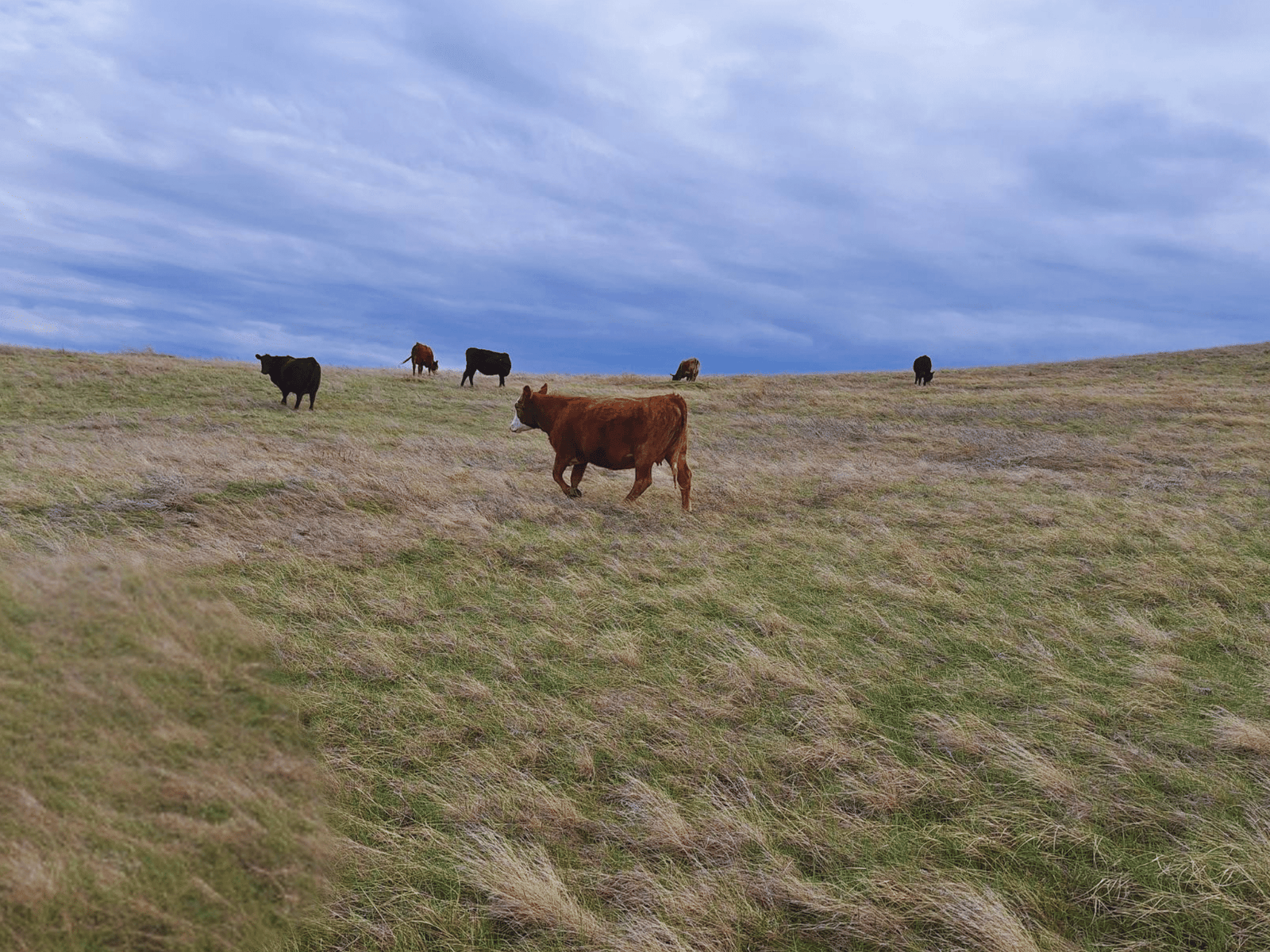
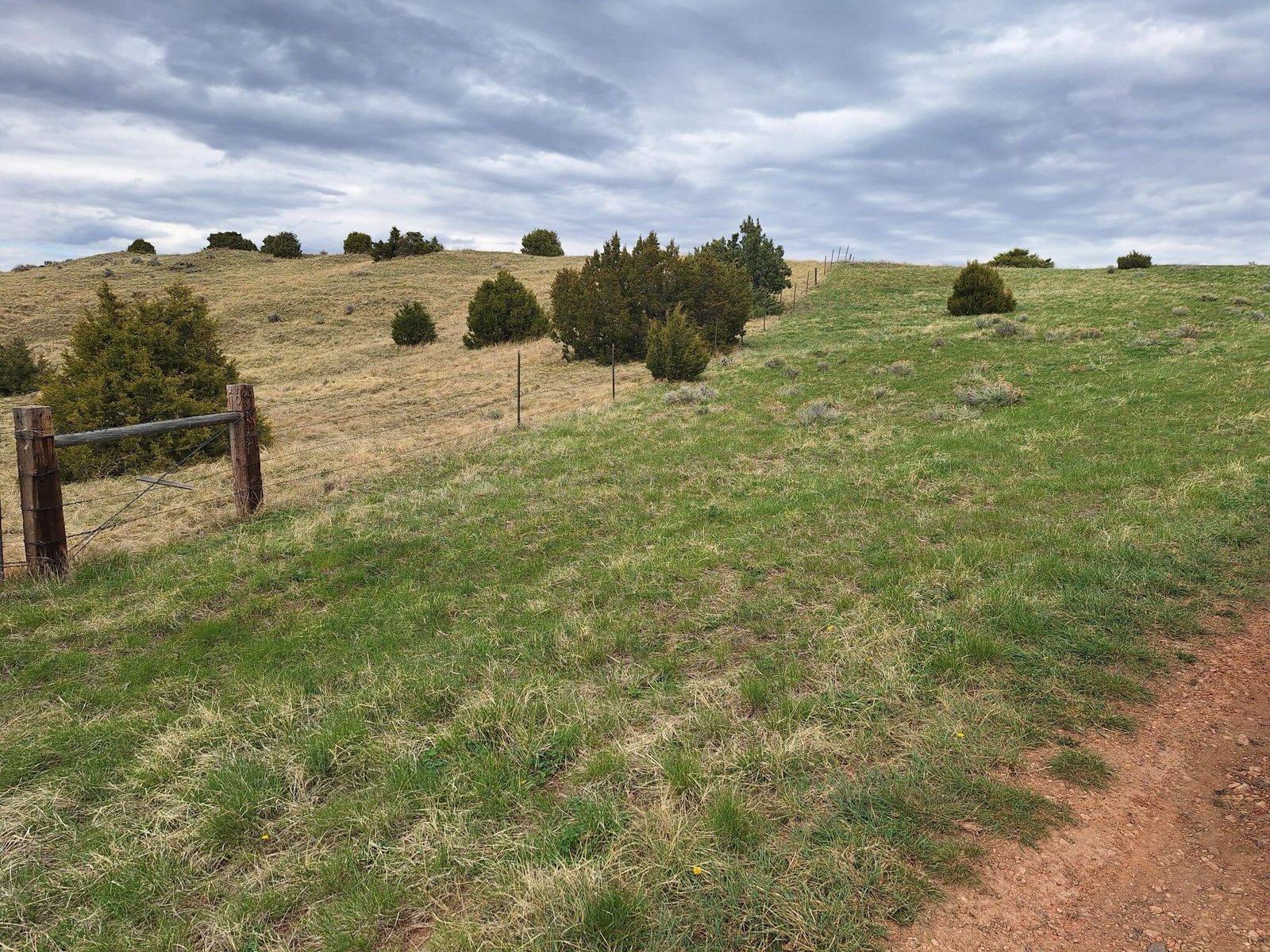
Fed Feed vs. Grazed Feed is one of about eight major determinants of profit in the cattle business. I have seen many ranches, two of which I am personally involved in, make big changes in profitability when greatly reducing or eliminating “fed-feed.” This approach can be done; and it can work for you.
If you’re ready to reduce feed costs and improve profitability, reach out to an Understanding Ag consultant or sign up for one of our courses to learn how to apply these practices on your ranch.

The post Fed Feed vs Grazed Feed appeared first on Understanding Ag.


