
Words by Lee clark, with photography by Teresa Freitas
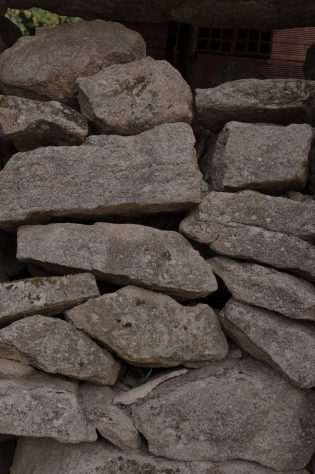
The hard granite rock beneath the forests of Talhadas, Portugal, has provided an income and a way of life for generations. Even the village name was chiseled from the landscape—Pedras Talhadas, meaning “carved” or “cut stones.” Today, it’s the trees that provide.
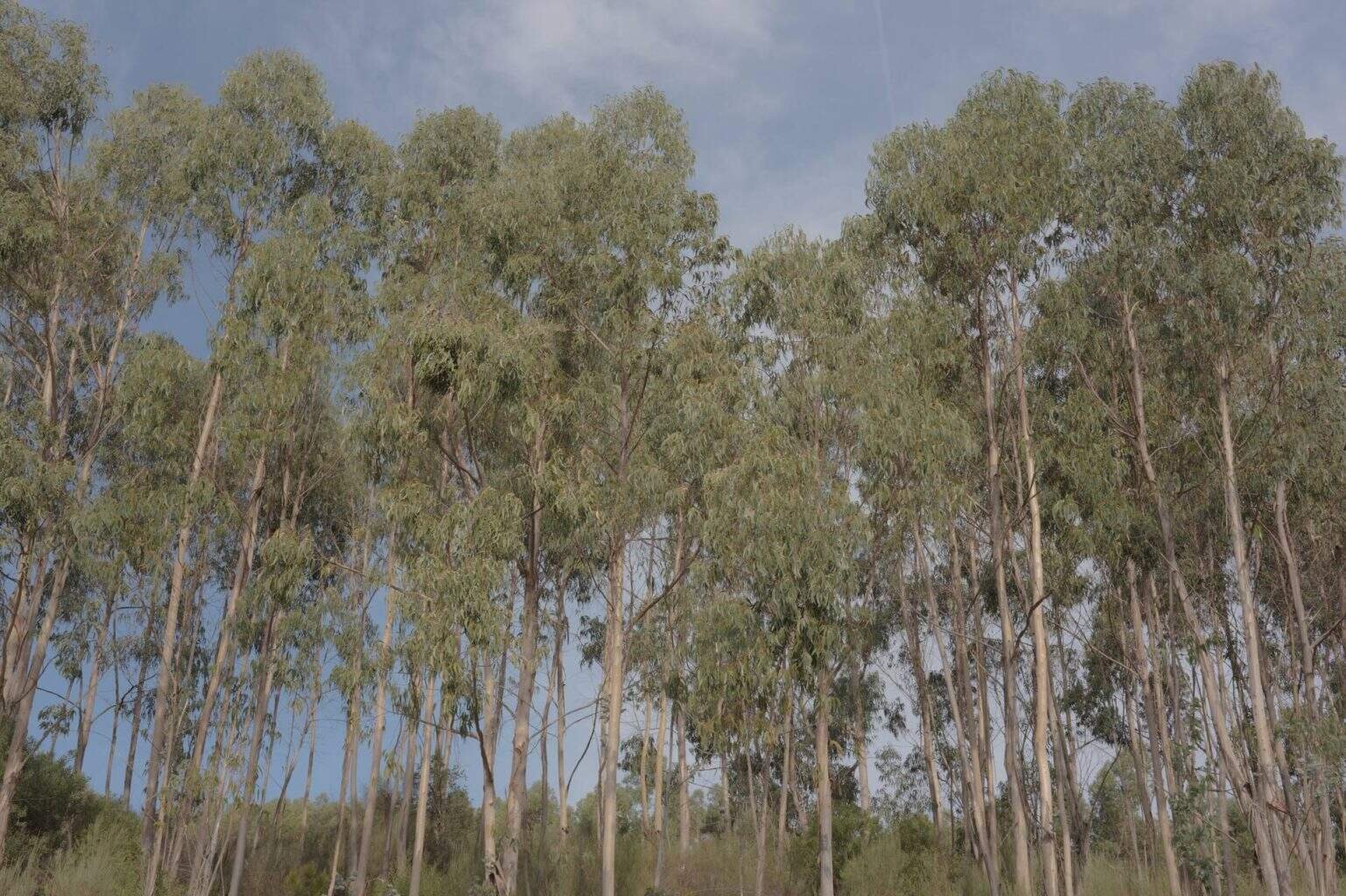
Vast stands of eucalyptus cloak the hills, grown for wood pulp which is used in part to produce manmade cellulosic fibers (MMCFs), for clothes and other textiles. But in a landscape where the risk of intense forest fires is escalating, there is an increasing desire for balance. Working together, communities, landowners, brands, and forest certification system, the Programme for the Endorsement of Forest Certification (PEFC), are attempting something ambitious: forests that remain productive but are also protected; for people to explore, remember, and celebrate their cultural and natural heritage. Within the sea of eucalyptus, nature is being given the space and time to thrive.
A landscape shaped by stone
The paths and roads weaving through the Talhadas hills have been travelled for millennia. Romans once passed through on their way from Rome to Lisbon, the iron from their chariot wheels still visible, pressed into the stone beneath. For centuries after, ox-drawn carts and later trucks trundled along the tracks, hauling stone from the small family-run quarries scattered through the forests.
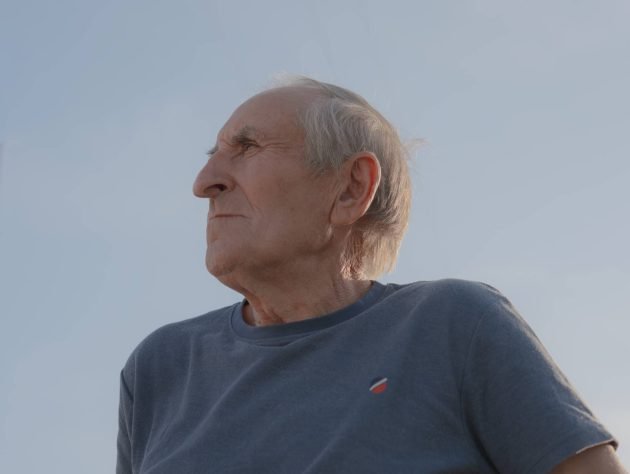
Like so many in the area, generation after generation of António Cardoso’s family relied on the granite. Born and raised in Talhadas, he is the last of a long line of stonemasons who carved out a living from the rock. Granite was once used for everything here, from houses to furniture to the village church, but António’s family specialized in high-value art and sculpture, pieces that carried both skill and status.
Now officially retired, António still works the stone by hand, maintaining the tradition. He said he has seen an interest in his work increase as handmade goods become popular again.
But he added: “Where there was once a hundred of us, there is now just one still working with rock. Me. After I’m gone, no-one.
From quarry to forest
The shift away from quarrying was both economic and political. Stone fell out of favor, and when the excavations stopped, sheep arrived, transforming parts of the landscape from forest to pasture. When a factory was built nearby, sheep disappeared and the trees returned, only this time with a non-native but profitable species dominating the flora.
Eucalyptus is originally from areas of Australasia, but it’s now found around the world. It grows rapidly, needs relatively little water, and produces a high yield of fiber. For landowners it offers a predictable form of income. For the textile industry, it’s an ideal source for MMCFs, producing soft, durable, and breathable fabrics that retain color well, making it popular with brands and consumers.
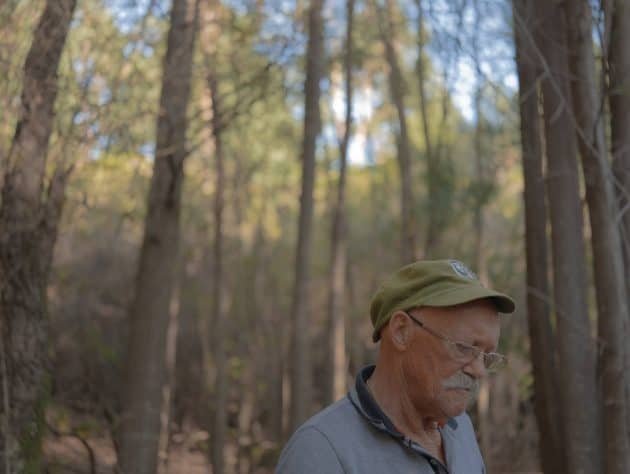
For António Afonso, sacristan for the parish of Talhadas, and president of the local common land association, he has welcomed the return to a more forested landscape. He has a deep connection with the area and the forest, telling how he remembers quarry workers using the shadows of the trees to tell the time, before watches were common.
“When I was young, eucalyptus was rare here,” he says. “People would protect it, use it for the roof of their houses. Now it is everywhere, but it is more natural and feels clean.”
Living with fire
One of eucalyptus’s defining characteristics is its remarkable ability to survive fire. The trees themselves burn quickly, but regrowth from protected buds and roots means it rapidly reestablishes itself, much faster than native species. In a region where forest fires have always occurred, this resilience has helped eucalyptus thrive. But when fire strikes, the trees go up like a match, giving local villages and communities less time to react.
Afonso is 76. He remembers being five years old, taken by his father to the top of a hill to watch the fires approach.
“They used to take hours and hours” he says. “They were so slow moving. Now, it just consumes.”
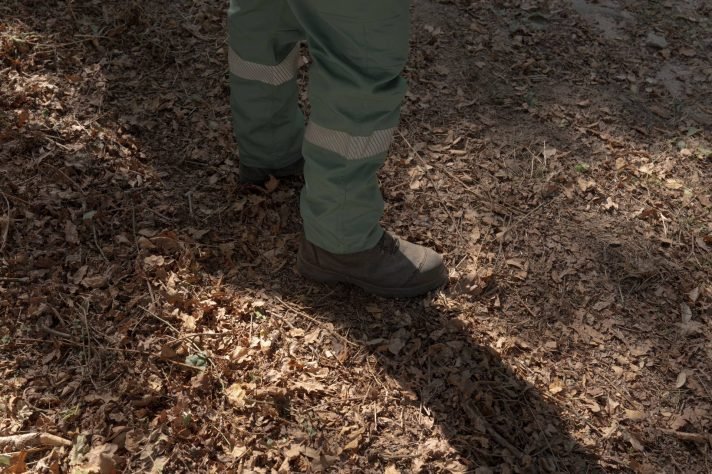
Rising temperatures and erratic rainfall combined with the dominance of eucalyptus means fires in the area are becoming more intense. With the nearest professional fire brigade 20 minutes away, António Silva and his fellow volunteer firefighters, are regularly first to respond and the call outs are increasing. “Everything is dry,” he says. “The four seasons no longer exist. And with that, the land grows ever more vulnerable to fires.”
Water has always been scarce here. It is one reason why land ownership is so fragmented. Over generations land was divided so families could retain access and instead of being passed to a single heir, it was split again and again. Today there is a mosaic of small holdings, common land, and municipal forest, making coordinated forest management difficult, but this is changing.
Strength in numbers
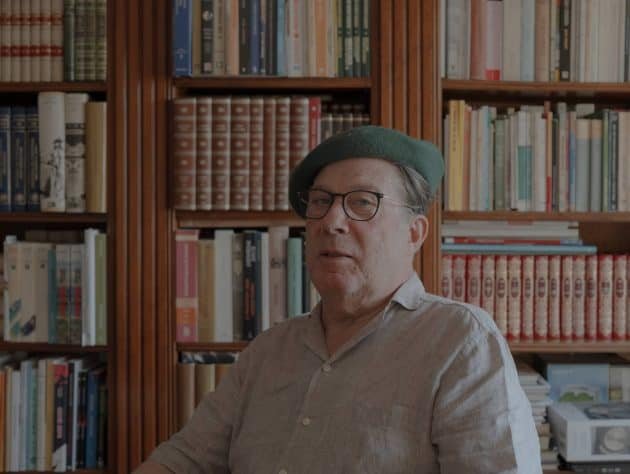
“The forest is my life,” says José Francisco Matos da Silva, president of a forest association neighbouring the Talhadas area, and Vice President of Forestis, the Portuguese Federation of Forest Producers Associations. His family have produced wood here for 150 years, as well as keeping bees for several generations.
Forest associations, common across Portugal, allow small landowners to act collectively. Under Forestis, 37 regional organizations represent more than 19,500 forest owners nationwide. For many, the initial motivation is economic. “Land has to have value,” Matos da Silva says. “Associations make it so the landowners don’t suffer on cost. They’re the bridge between us and the industry. When we speak together as landowners and we ask for help, it’s so much stronger than just one voice.”
But economics is only one part of it for Matos da Silva. By managing the forest collectively, clearances have been created to reduce fire risk and larger areas have been set aside for native plants, trees, and wildlife. Paths and trails have also been created to allow the communities to enjoy the forests and access their rich history. He said: “With associations, it’s always about ‘us’, not about ‘I’”.
“I receive a lot from the forest,” he says. “The question is what can I give back? We have a duty to give back.”
The value of certification
The challenge, everyone agrees, is balance. Forestis place emphasis on the need for forests to be economically viable, efficiently managed, and sustainable. In the case of the forests around Talhadas, this approach is supported by PEFC certification. The international non-governmental organization (NGO) works globally across 48 countries, covering almost 300 million hectares of forest. Around 30,000 companies, including those producing MMCFs, now use PEFC-certified material. Certification means forests are managed in line with challenging environmental, social, and economic requirements.
Matos da Silva played a key role in the area’s forests becoming certified, but the initial inspiration was unusual. His family are also makers of ovos moles—a traditional sweet from nearby Aveiro. Years earlier he noticed that some confectioners were not making them in the traditional way with the traditional ingredients, damaging the reputation of the sweet. After looking at options, he lobbied the EU to protect it, ensuring ovos moles can now only be sold under strict standards.
“If standards can protect a sweet,” Matos da Silva says, “they can protect a forest.”
Not all of the associations within Fortestis are certified, but Matos da Silva said every year it is growing, driven by demand.
“The market has shifted,” he says. “Demand for certified products is growing. If you want access, you have to change.”
Making space for nature
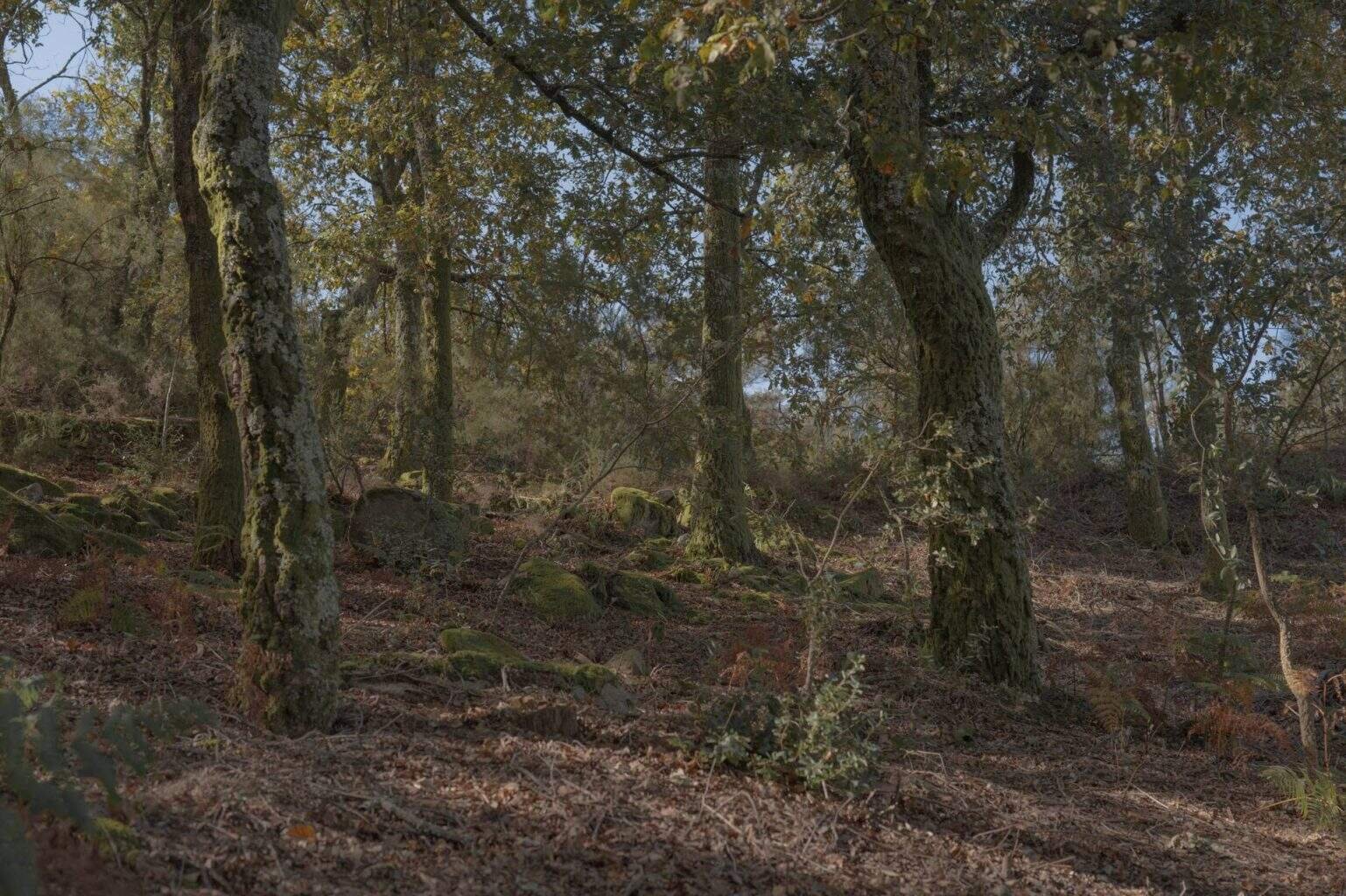
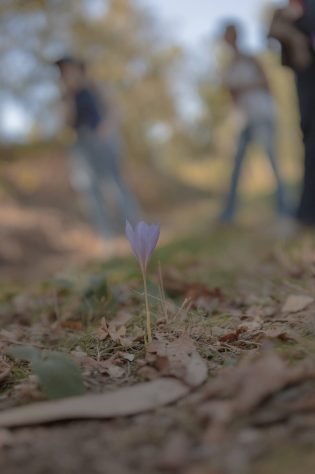
As the demand shifts, the landscape follows. Walking the sun-dappled path beneath a canopy of green, where the horse-drawn carts once trundled, eucalyptus remains the most common species. But in pockets, the team here have removed it, allowing the diversity of native life to respond. In former quarries, natural shallow pools have formed, home to salamanders, frogs and newts that are efficient pest controllers. Wild saffron flower in autumn. Stag beetles, dependent on native trees, lay their eggs in protected soil. Beehives dot clearings, their health closely monitored.
“If bees are dying,” Matos da Silva says, “it’s like an X-ray. It tells us we’re doing something wrong.”
The Spanish fashion giant, Inditex, is helping to the fund the work. Its support means that the associations can employ Rafael Marques, a biologist, who is working across the seasons to try to identify all the biodiversity in the area. As buzzards circle overhead, he talks about the larger species, such as wild cat, foxes, and wild boar which roam the forests, as well as rare plants, such as angel’s spears, which grow alongside the cork oak. But for him what is most important are the species that are missing.
“We know what else lives in the region” he says. “Now we need to create the right conditions so they can return.”
In five years, they will repeat the survey to monitor progress.
Planning for the long term
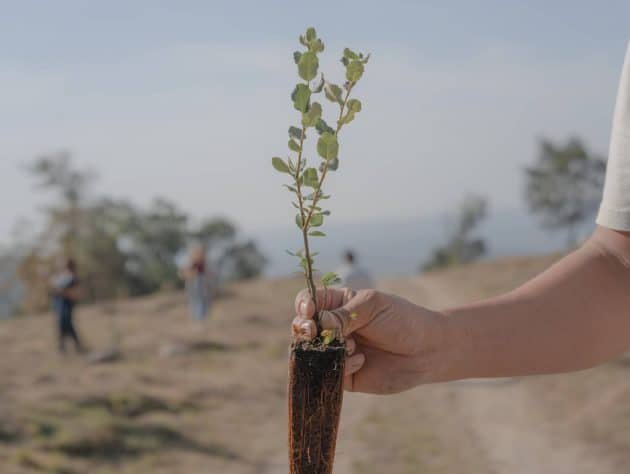
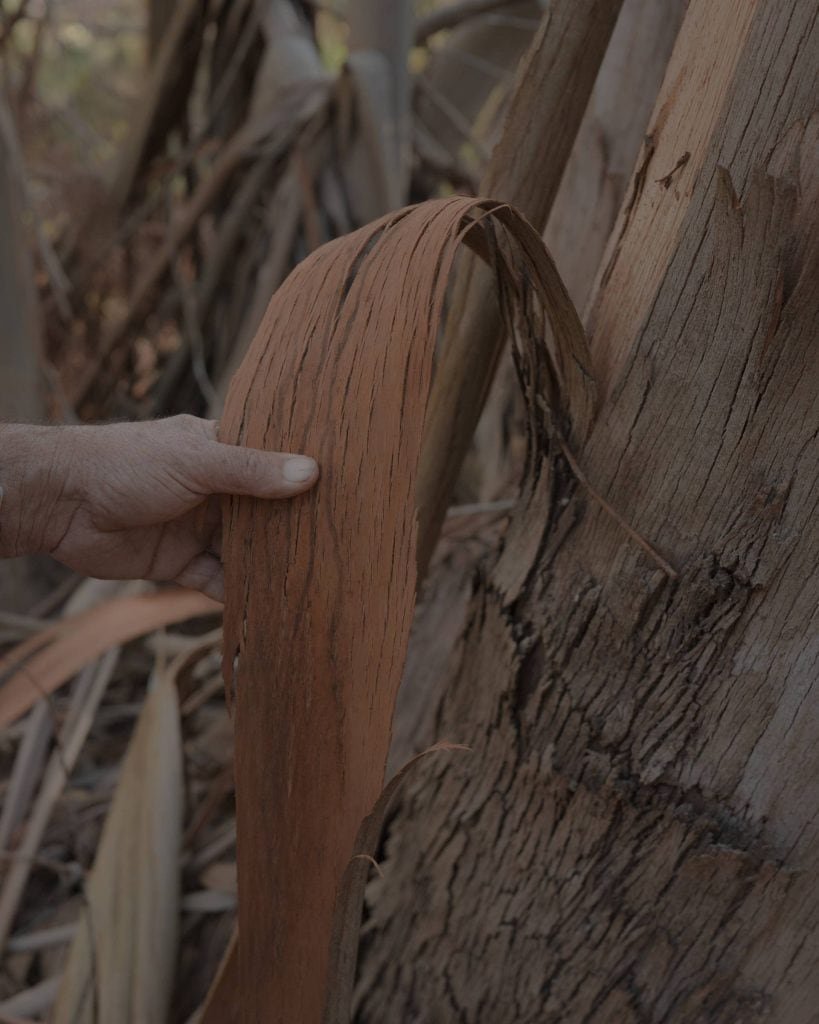
For PEFC Portugal’s director, Luís Sarabando, the work here shows what is possible. Over the past eight years, around 5,000 cork oaks have been replanted across 30 hectares. These are miniature versions of the twisted ancient trees still dotted throughout the forests, their thick bark providing protection from the fires. The young trees are wrapped in their own protection, plastic sleeves that create a microclimate, shielding them from animals and drought. It’s a long-term investment, but in 25 years they will also provide income, with their bark being stripped every nine years to be used, among other things, as corks in the local wine and port.
“Working at landscape scale changes everything,” Sarabando says. “Instead of tiny fragments of nature, you can create connected spaces.”
As well as biodiversity, PEFC certification also puts in place requirements for water consumption, chemical use, and recycling. Working conditions are also monitored, making sure employees have access to protective equipment like goggles and gloves, training, and a fair salary, while following strong anti-discrimination rules.
A living cultural landscape
The work to find balance in the forests hasn’t all been plain sailing. Catarina Aguiar, from the Baixo Vouga Forestry Association admits it has “taken a lot of conversations” and working closely on the ground to bring parts of the local community with them. For some landowners, restoring nature initially looked like surrendering valuable ground that could otherwise be planted with eucalyptus. But by creating clearings that double as firebreaks, planting native trees that burn less quickly closer to villages, and opening up trails for people to enjoy the forest, attitudes are shifting. “People can see the benefits now,” she says. “We have a magic place.”
In Talhadas, time is no longer told by shadows, but the deep relationship between people and the forest remains.
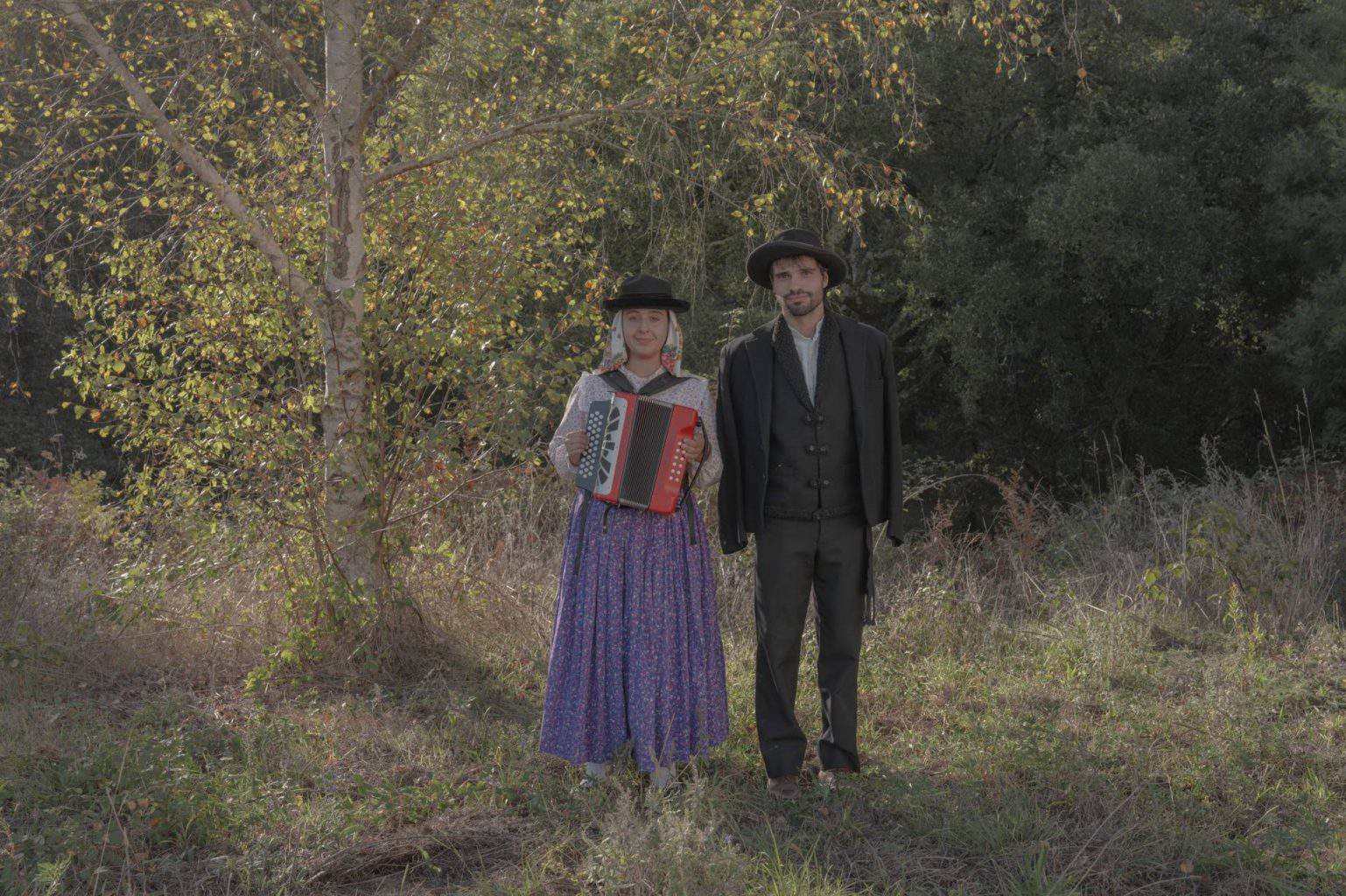
Afonso speaks with pride about how the access to the forest will help ensure the rich history of the area is passed down to his grandchildren and the generations to come. It’s a sentiment shared by the performers in a local folk group, Group Tipico de Talhadas. As musicians and dancers of all ages take to a stage built among the trees, their music and attire feel as much a part of the landscape as the ancient cork oaks, chestnuts, and mistletoe.
Standing beside the scarred trunk of an ancient oak, Cardoso reflects on what’s changing. He is thankful, he says, for the landowners and companies investing here, and for the growing recognition of the forest’s cultural and natural value as well as its economic importance. He is clear the jobs not finished yet; there is still much work to be done. But, he says, there has been progress and recognition of what matters most to him.
“The trees,” he says. “Here, you breathe fresh air, and it’s all thanks to them.”
As part of the Textile Exchange Conference 2025, this visit took place during an organized field trip.
The post Finding balance through collaboration and certification in Portugal’s eucalyptus forests appeared first on Textile Exchange.


