
Opening the refrigerator should feel calm, not chaotic. Yet for many homes, it’s a daily moment of frustration, tipped containers, forgotten leftovers, wilted vegetables, and mystery smells hiding in the back. That’s where fridge organization quietly becomes a life upgrade. With the right approach, the refrigerator transforms into a clean, efficient, and stress-free space that supports healthier eating, saves money, and reduces food waste.
This guide walks through powerful fridge organization ideas designed for real homes and real people. No complicated systems. No tech-heavy jargon. Just practical, emotional, and easy-to-follow solutions that work. Stay close; some of the most surprising transformations come later.
Clear the Chaos Before Any System Begins

Every successful fridge refresh starts with a clean slate. Old condiments, expired dairy, half-used sauces, and forgotten leftovers often steal space and energy. Removing everything allows the refrigerator to breathe again.
Start by unplugging the fridge if possible, then remove every shelf and drawer. Warm, soapy water works wonders here. Sticky spills and dried messes disappear faster than expected. As each item comes out, check expiration dates and signs of spoilage. Toss without guilt. Keeping expired food only creates clutter and health risks.
This step builds awareness. Patterns emerge, duplicate items, unused sauces, or food bought with good intentions but never used. That awareness becomes the foundation of smarter grocery shopping and long-term fridge organization success. When everything goes back in, only what truly belongs returns.
And here’s the teaser: once the fridge is empty, the next steps suddenly feel easier than expected.
Group Foods Like a Grocery Store Does
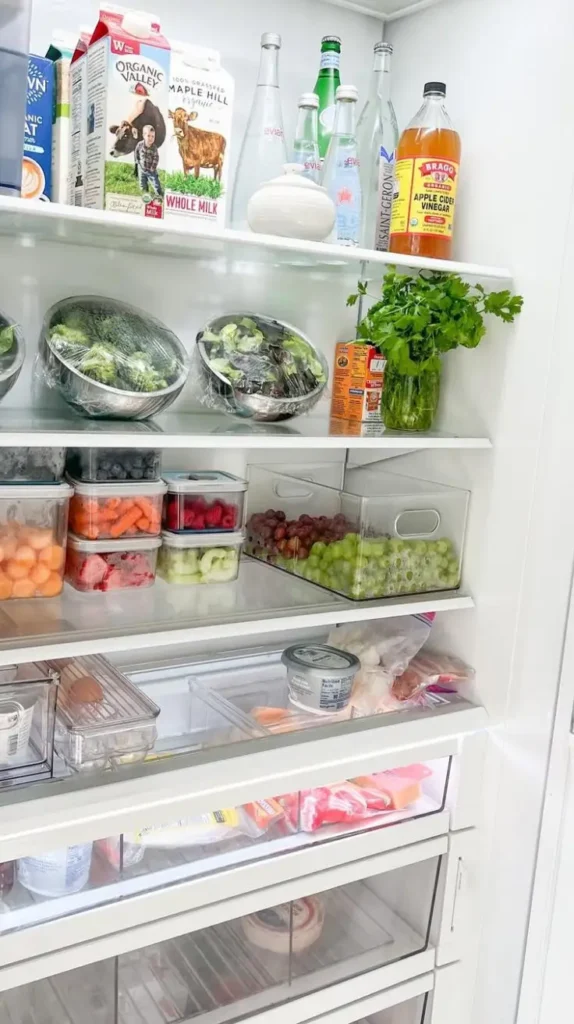
Grocery stores are designed to guide behavior, and the same logic works beautifully at home. Grouping similar foods creates visual order and speeds up daily routines.
Keep dairy in one zone, beverages in another, leftovers in their own section, and fresh produce grouped by type. This approach reduces decision fatigue and makes it easier to see what’s available at a glance.
When foods are scattered, items hide. When grouped, nothing disappears. This simple habit supports fridge organization by preventing duplicate purchases and reducing waste. It also makes cleaning faster because spills stay contained within one category.
Consistency matters here. Once groups are established, everyone in the household learns where things belong. That shared understanding keeps the fridge neat without constant effort. But grouping alone isn’t the full story; placement changes everything, and that’s coming next.
Clear Containers for Better Visibility and Daily Ease
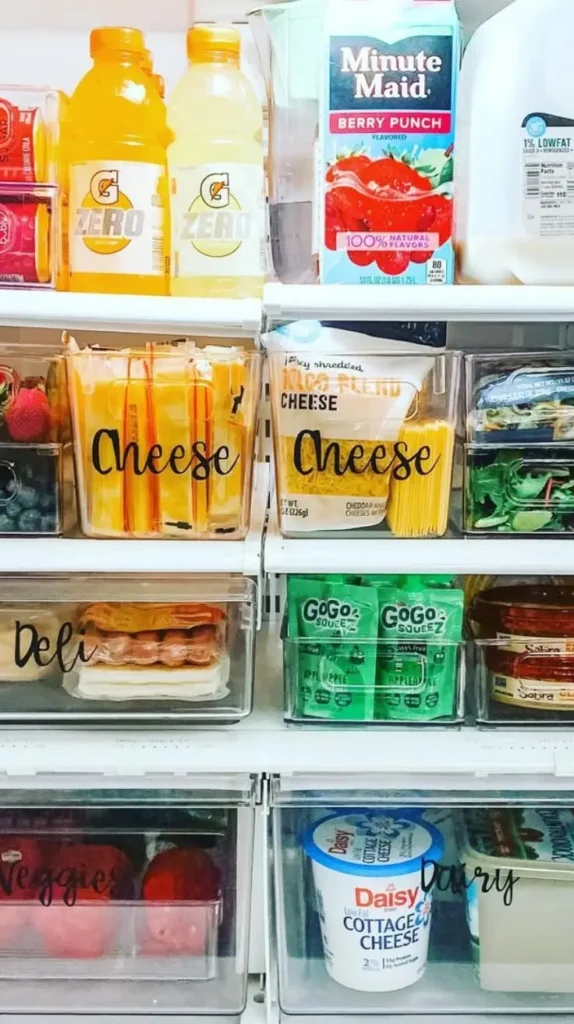
A refrigerator works best when nothing hides. Clear containers completely change how food is seen and used. When leftovers, snacks, chopped vegetables, and fruits sit inside transparent bins, there is no guessing, no digging, and no forgotten items pushed to the back. Everything stays visible, which naturally encourages better eating habits and faster decisions. Fresh food feels inviting instead of overwhelming.
These containers also create structure. Instead of random packaging shapes colliding on shelves, straight-edged containers sit neatly together. Spills remain contained, and sticky messes no longer spread across the fridge. Cleaning becomes faster and far less stressful. Even on busy days, the fridge keeps its calm.
Another benefit comes quietly: less food waste. When meals and ingredients are easy to spot, they get used before spoiling. This saves money and reduces frustration. Over time, the refrigerator starts to feel intentional rather than crowded. Clear containers don’t just organize food; they organize daily life in small but powerful ways.
Placement Based on Real Daily Habits
A fridge should reflect real life, not perfection. Items used every day deserve the easiest access. When frequently grabbed foods are placed at eye level, everything flows more smoothly. There is less bending, less searching, and fewer moments of irritation. The fridge starts working with daily routines instead of against them.
Less-used items belong higher or lower. Backup sauces, special ingredients, or occasional treats can stay out of the way without being forgotten. This placement strategy reduces clutter and prevents overstuffing the most visible shelves—every section gains purpose.
This system also helps others in the household. Kids, guests, or family members can quickly find what they need without pulling everything out. That shared understanding keeps the fridge organized longer. When placement matches behavior, order becomes effortless. The refrigerator feels intuitive, almost like it knows what’s needed next.
Purposeful Use of Crisper Drawers
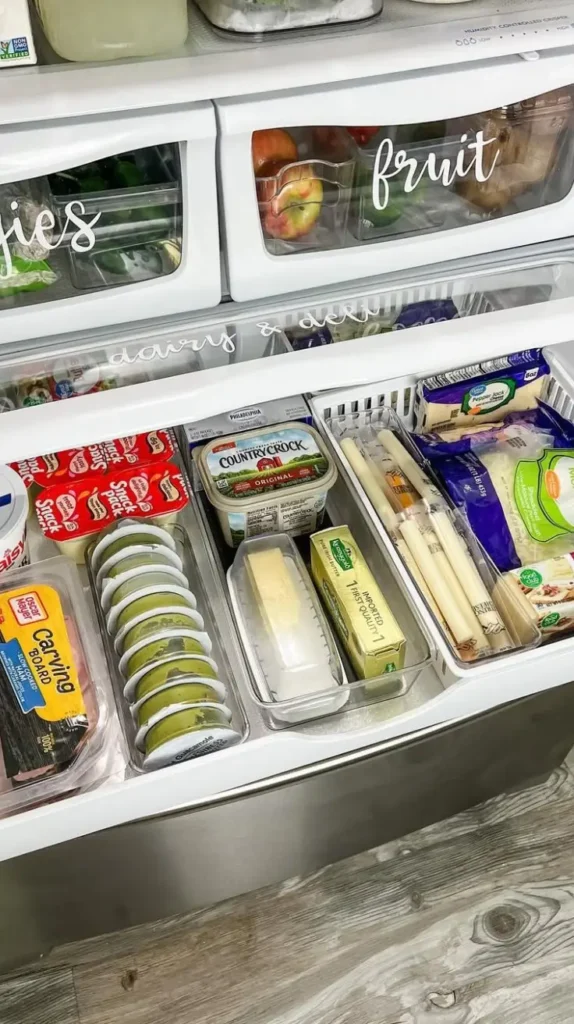
Crisper drawers often fail because they lack intention. When fruits and vegetables mix without care, spoilage happens faster. Separating them creates balance and extends freshness naturally. Fruits release gases that can damage vegetables, so giving each group its own space makes a noticeable difference.
Removing plastic packaging helps airflow and reduces trapped moisture. A simple paper towel placed inside the drawer absorbs excess dampness and keeps produce crisp longer. Greens stay fresh, berries last days longer, and vegetables stop turning slimy too soon.
This approach encourages healthier choices. Fresh produce stays appealing instead of being forgotten. Meals become easier to prepare, and snacks feel lighter and more nourishing. Over time, the drawers stop feeling like problem zones and start supporting everyday wellness. With just a little intention, produce storage becomes one of the strongest parts of the refrigerator.
Smarter Use of Door Shelves
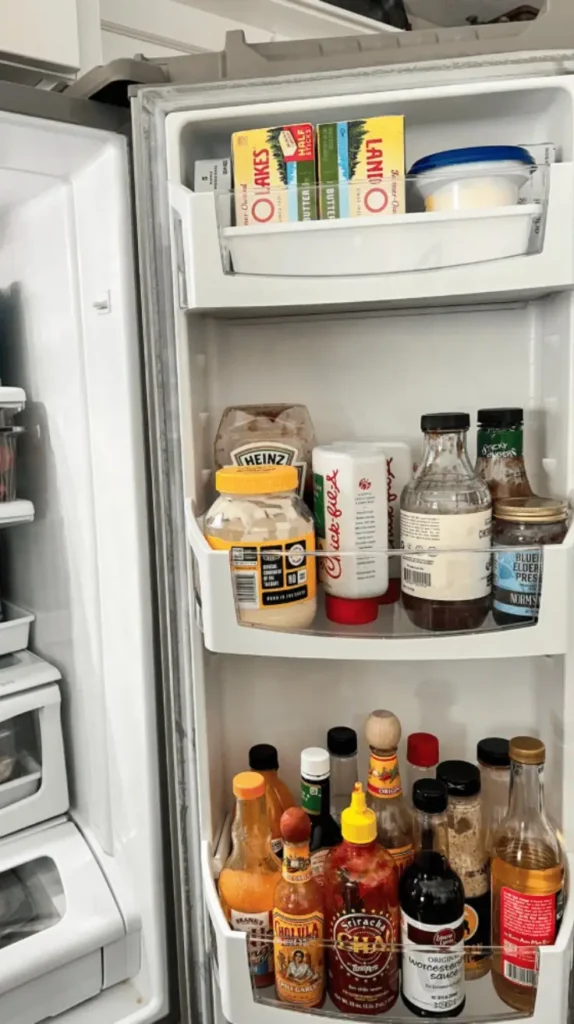
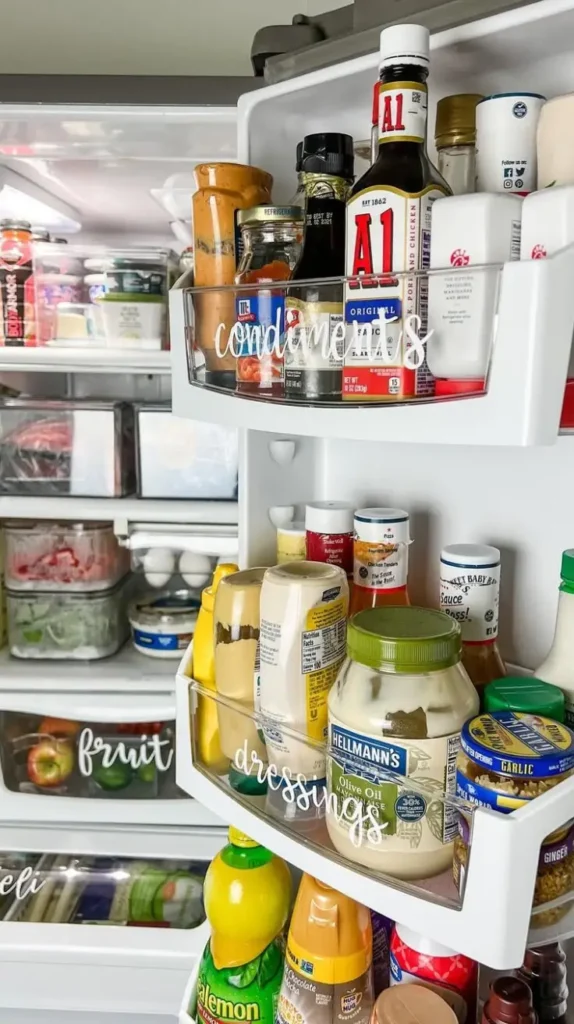
The refrigerator door might seem convenient, but it’s actually the warmest part of the fridge. Storing temperature-sensitive foods like milk and eggs here is a common mistake that shortens freshness and can affect taste. Instead, the door should become a home for items that tolerate temperature fluctuations: condiments, jams, sauces, beverages, and smaller drink bottles.
Using the door smartly makes a huge difference in both organization and food safety. Heavy or bulky bottles sit securely in bins or designated compartments, while lighter items can be stacked without tipping. This approach prevents chaos, making each shelf more efficient.
Beyond safety, it changes daily habits. Items that are used frequently are easy to reach, while delicate or perishable products remain protected on the inner shelves. Over time, this adjustment transforms the door from a clutter hotspot into a practical, well-ordered storage space. The fridge suddenly feels calmer, lighter, and more intentional.
A Dedicated Space for Leftovers
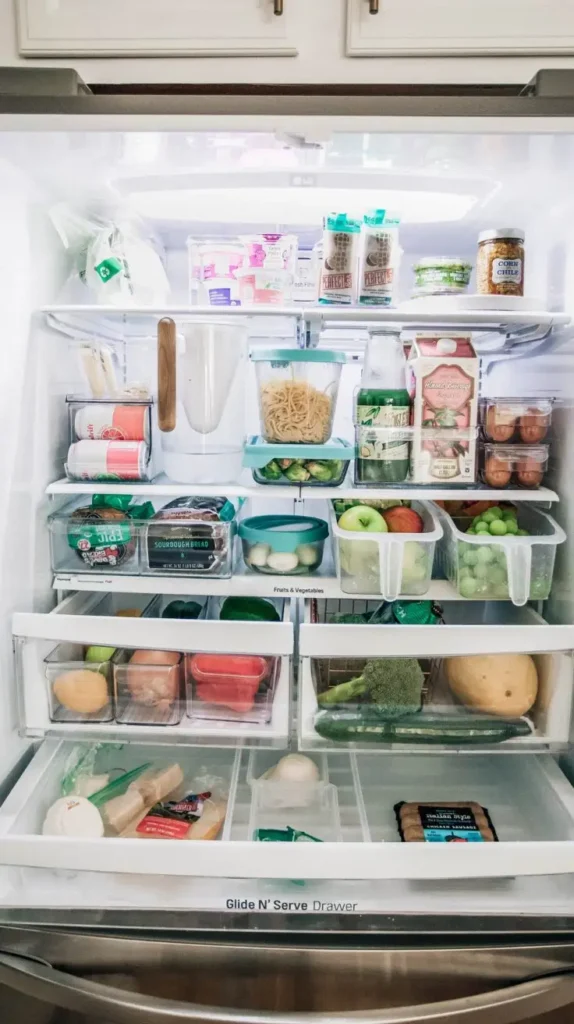
Leftovers often become the silent culprits of food waste. When they lack a clear home, they get buried behind groceries, forgotten, or even thrown out. By designating a single shelf or bin for all leftovers, the fridge immediately becomes more organized and functional.
Using clear containers ensures visibility, making it easier to find what’s ready to eat. Labeling with dates adds an extra layer of accountability, reminding everyone to consume items before they spoil. This approach encourages smarter eating habits: meals are planned around what’s already available, reducing the need to cook something new unnecessarily.
Beyond practicality, a leftover zone reduces stress. The shelf acts as a gentle reminder that meals have already been prepared and can save time, energy, and money. When every leftover has a dedicated home, the fridge feels intentional rather than chaotic, and food waste drops naturally.
A Grab-and-Go Snack Station
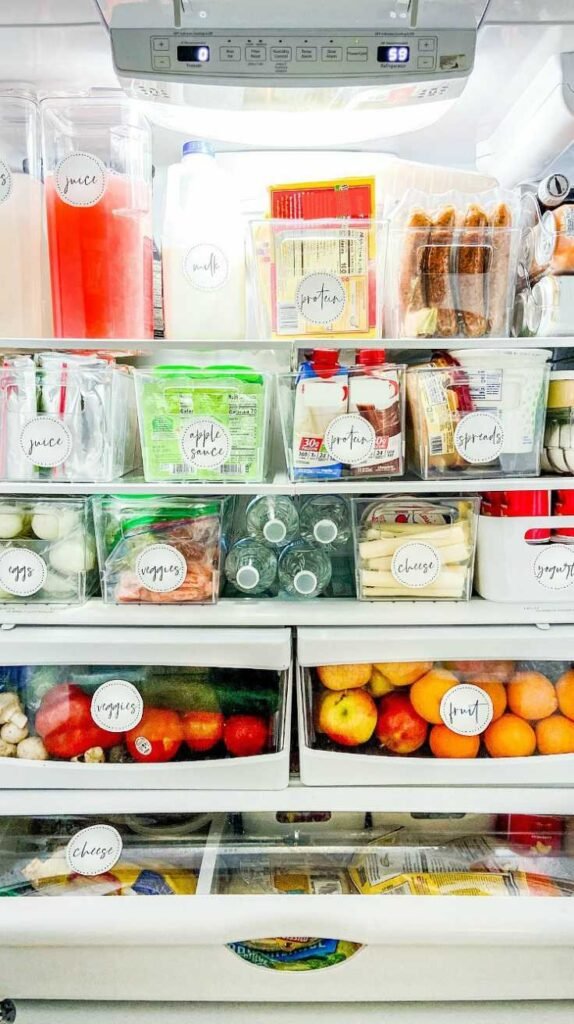
Snacks can be the sneaky source of clutter in the refrigerator. Randomly placed yogurt cups, cheese sticks, or fruit portions create a chaotic mess that makes it hard to find anything quickly. A dedicated snack station solves this problem, bringing everything together in a single, easily accessible spot.
Bins or shallow trays work perfectly for this purpose, keeping snacks upright and contained. Children and adults alike can quickly grab what they need without rummaging through shelves. Healthier options feel more appealing and accessible, which subtly encourages better choices.
This system also reinforces daily habits. Snacks return to the same place, spills remain contained, and space feels organized even on busy days. Over time, the fridge stops being a source of frustration and becomes a calm, predictable environment. A grab-and-go station may seem small, but its impact is enormous for household efficiency and visual harmony.
Beverage Containment That Prevents Mess
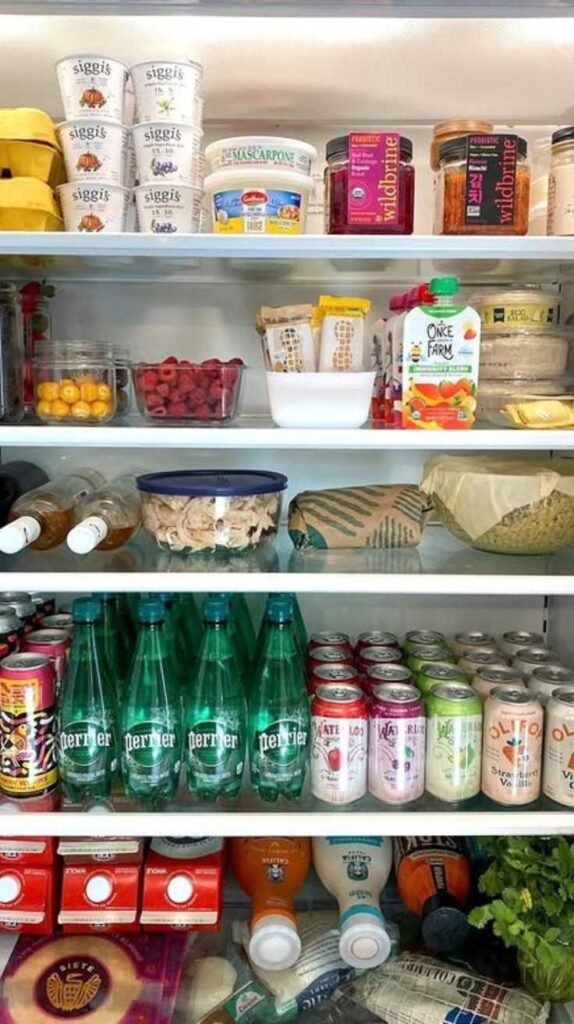
Loose bottles and cans are troublemakers. One tipped bottle can send liquids cascading across shelves, creating sticky chaos and demanding a time-consuming cleanup. Using bins, racks, or bottle organizers prevents this completely, keeping beverages upright, stable, and grouped.
Categorizing drinks, water, juices, soda, or dairy alternatives adds another layer of efficiency. A well-contained beverage section not only reduces spills but also improves visibility, making it easy to see what’s available. When items are organized, there’s less temptation to overbuy, reducing clutter and saving money.
This simple strategy transforms the fridge from a fragile storage space into a practical, user-friendly environment. Drinks become cooperative, predictable, and easy to manage. With bottles neatly lined up, the shelves feel spacious and calm, allowing other categories like produce and leftovers to maintain their order without interference.
Keeping Condiments Under Control
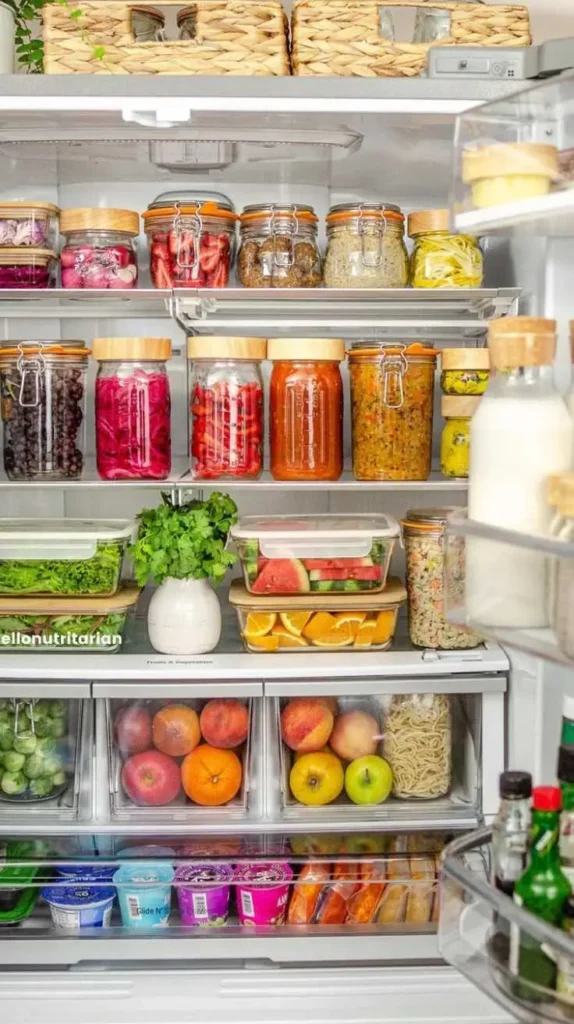
Condiments quietly take over every fridge if left unchecked. Without organization, they scatter across shelves, block visibility, and hide other items. Sorting sauces, dressings, and spreads into one dedicated section restores balance immediately.
A shallow bin or rotating tray is ideal for keeping these items contained and accessible. Expired or unused bottles should be discarded to free up space and reduce visual clutter. By grouping similar condiments, selection becomes faster and daily meals feel easier to prepare.
This simple act of control brings a surprising sense of calm to the refrigerator. Condiments no longer compete for space or attention, and shelves appear lighter and more organized. The fridge suddenly supports meal prep instead of adding stress, proving that small habits can have a huge impact on household efficiency.
A Simple Weekly Reset Routine
Even the most perfectly organized fridge can slowly slip into chaos if not maintained. A weekly reset is a simple but transformative habit that keeps everything running smoothly. Taking just 10–15 minutes once a week to scan the fridge, toss expired items, wipe down shelves, and realign containers can prevent small problems from escalating into full-blown clutter.
This habit isn’t just about cleanliness; it’s about mental clarity. Opening a fridge that’s tidy and thoughtfully arranged creates a sense of calm and confidence. Shopping trips become more efficient because the contents are always visible, and it’s easy to know what needs restocking. Meal preparation also becomes smoother, as ingredients are easier to find and ready to use.
Over time, this weekly routine becomes almost effortless. It reinforces other organizational strategies, keeping everything in its place and ensuring the fridge continues to function as a supportive, stress-free tool in daily life. With just a few minutes of care each week, chaos can be avoided entirely, and the refrigerator remains a place of order and clarity.
Labels That Guide Everyone
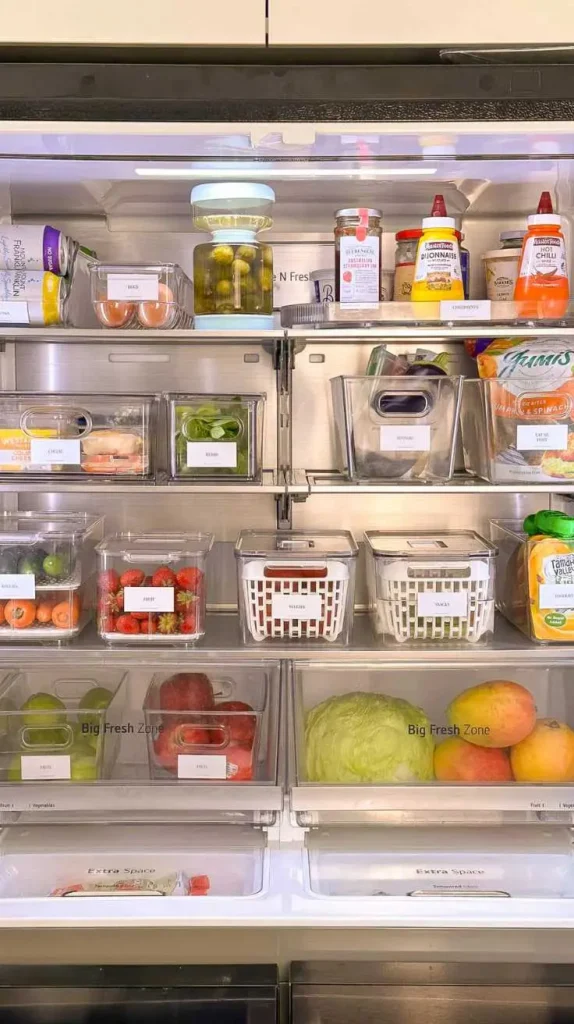
Labels are a surprisingly powerful tool for keeping a fridge organized. A simple label on a bin, drawer, or shelf instantly communicates what belongs where, removing any guesswork. This becomes especially important in households with children, roommates, or guests who might not know the system. When everything is clearly labeled, returning items to the right spot is effortless and reduces the risk of clutter creeping back in.
Beyond basic organization, labels also encourage intentional behavior. People naturally begin to respect the system when instructions are visible. It becomes easier to track inventory, know what’s running low, and identify items that need to be eaten soon. A well-labeled fridge saves time, reduces stress, and ensures the system remains sustainable over weeks and months.
Labels also support consistency. Even when someone is in a rush, the visual cues guide them automatically. Over time, the organizational flow becomes second nature, creating a fridge that feels intuitive, functional, and welcoming. The space transforms from chaotic to calm, making daily routines smoother and less stressful.
Shelf Adjustments for Better Flow
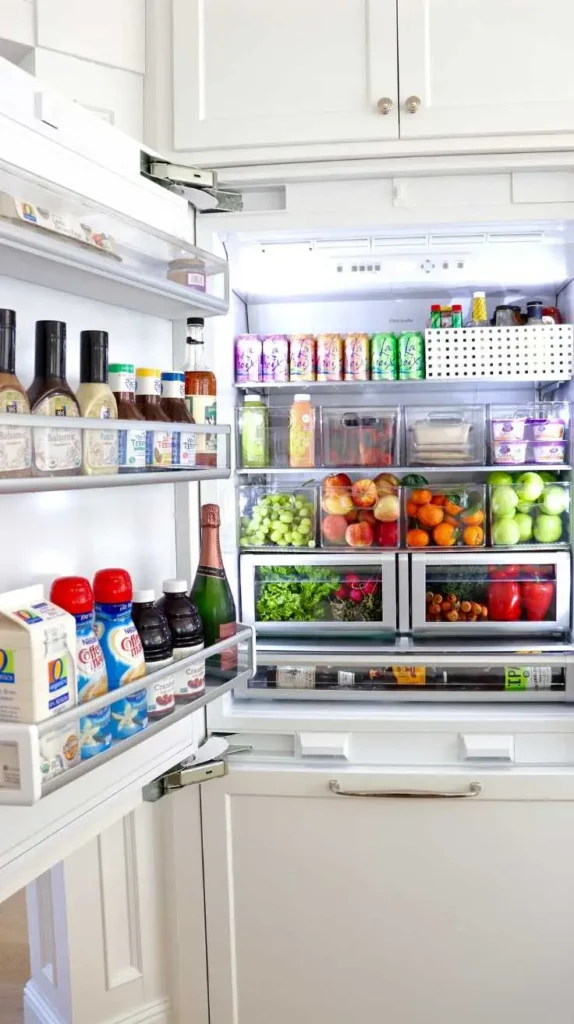
Shelves in most refrigerators are often fixed, leaving little room for flexibility. Adjustable shelves, however, offer a transformative solution, allowing every item to have a perfectly tailored home. Tall bottles, large containers, or awkwardly shaped platters fit effortlessly without causing imbalance or wasted space.
By customizing shelf height, food items remain upright, reducing the risk of spills and creating a visually harmonious fridge. Stacking containers becomes easier, maximizing storage without compromising accessibility. Items that were previously hidden or awkwardly squeezed now have a comfortable place, making meal prep faster and more enjoyable.
Shelf adjustments also support evolving needs. Seasonal produce, bulk groceries, or meal-prepped containers can fit easily without disrupting the existing system. This flexibility ensures the fridge adapts to life instead of life having to adapt to the fridge. Over time, adjustable shelves create a sense of balance, efficiency, and control, turning the refrigerator into a practical and stress-free space that works for every lifestyle.
Letting the System Grow With Life
No organizational system can remain perfect forever. Families grow, schedules change, and eating habits evolve, which means the fridge must evolve too. Allowing the system to adapt over time is essential for long-term success. Regularly revisiting the arrangement, moving zones, adjusting containers, or even rethinking placement, ensures the fridge continues to support daily routines instead of creating stress.
Flexibility prevents frustration. As new foods are introduced or household needs shift, the system can accommodate them without compromising efficiency. The refrigerator becomes a living, dynamic space that grows with life instead of remaining rigid. Over time, this mindset transforms the fridge into more than just a storage unit; it becomes a reliable partner in daily life.
A fridge that evolves remains intuitive, calm, and functional. It keeps order intact even during busy weeks or unexpected changes. This adaptability encourages consistent use of organizational practices, reduces waste, and supports a smoother, more enjoyable kitchen experience. By letting the system grow with life, the fridge becomes a tool that enhances daily living rather than complicates it.


