
A front yard tells a story before the front door ever opens. It whispers welcome, signals care, and hints at the personality inside. A dull, space can make even a beautiful home feel unfinished, while a thoughtfully designed outdoor area can turn heads, spark conversations, and raise property value without major construction. The good news? Creating a stunning outdoor entrance does not require expert skills or a massive budget. With the right front yard landscaping ideas, even a simple lawn can transform into a warm, eye-catching retreat that feels alive in every season.
Small changes create big emotional impact. Color, texture, lighting, and layout work together like pieces of a puzzle. Each choice shapes how visitors feel when they arrive. Some designs feel cozy and relaxed, others feel bold and modern, and a few feel like a peaceful escape from busy streets. The sections below reveal practical, beginner-friendly ways to build a welcoming outdoor space that feels personal, functional, and unforgettable.
Create a Welcoming Walkway
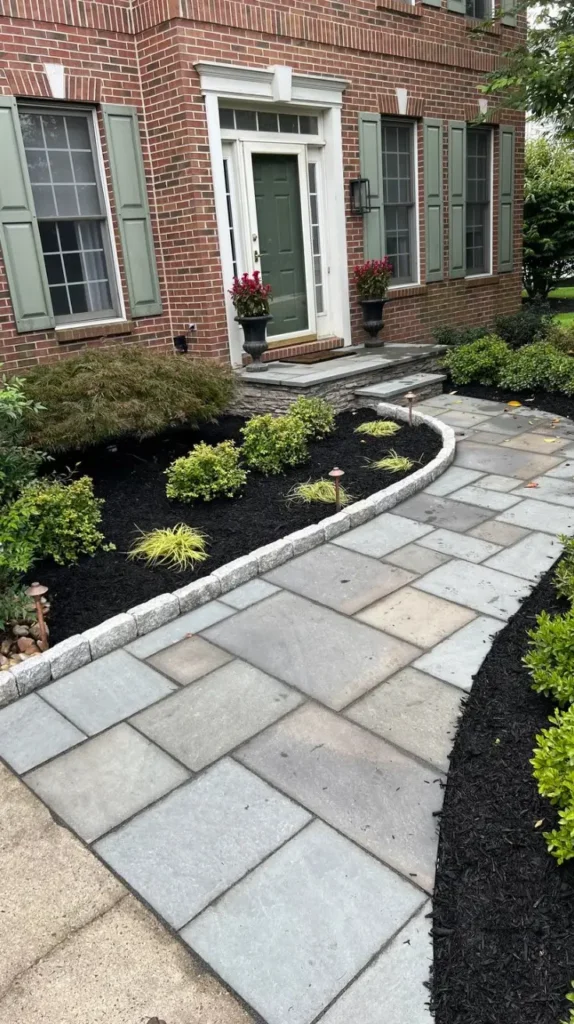
A thoughtfully designed walkway does more than connect the gate to the front door. It creates a visual journey that guides guests and builds anticipation. Straight concrete paths often feel stiff and uninviting, but a gently curved walkway softens the look of the yard and adds movement. Materials such as natural stone, brick, or textured pavers create warmth and character while remaining durable for daily use.
Bordering the path with low-growing plants like dwarf shrubs, flowering perennials, or ornamental grass adds color without blocking movement. Solar pathway lights provide a soft glow at night, improving safety while enhancing the atmosphere. Mixing textures, such as gravel between stepping stones, creates a layered, high-end appearance without requiring a large budget. A well-planned walkway becomes the backbone of the landscape design, making the entire space feel structured, intentional, and welcoming from the very first step.
Frame the Entry with Symmetry
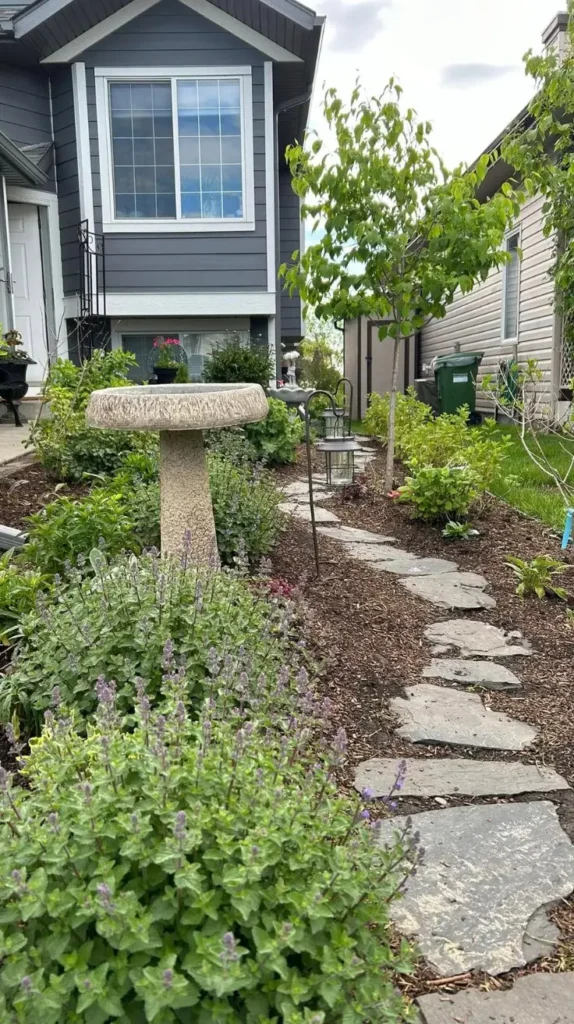
Balanced design creates an instant sense of order and calm. Placing matching planters on both sides of the front door or aligning identical shrubs along the pathway gives the entrance a polished and organized appearance. This approach works especially well for homes with traditional architecture, but even modern spaces benefit from symmetrical elements.
Evergreen shrubs provide year-round structure, while seasonal flowers add changing color and freshness. Layering plant heights, taller plants at the back and shorter ones in front, adds depth and prevents a flat look. Coordinated lighting fixtures on either side of the door strengthen the sense of balance and improve nighttime visibility. This simple design technique makes the home appear more refined and thoughtfully maintained without requiring complex landscaping skills or expensive materials.
Add Layered Flower Beds
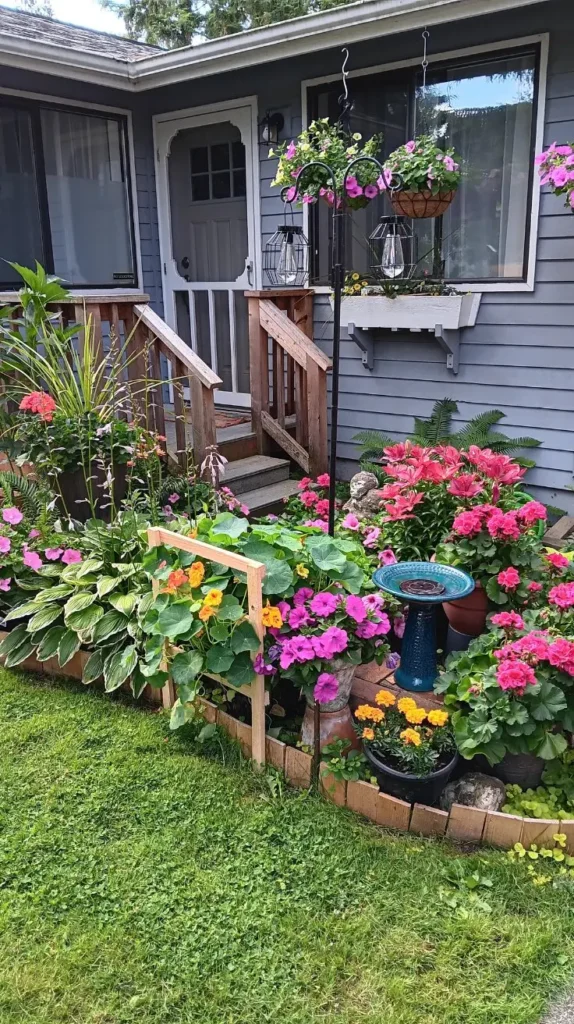
Layered flower beds create an immersive and lively atmosphere, turning a simple front yard into a dynamic and visually appealing space. The key to success is understanding height, texture, and color. Start with taller shrubs or ornamental grasses at the back, mid-height blooms in the center, and low-growing flowers or ground covers at the front. This tiered arrangement ensures that every plant is visible while giving the yard depth and structure.
Color planning is equally important. A coordinated palette of soft pastels can evoke serenity and elegance, while bold, vibrant hues create energy and draw attention. Seasonal rotation keeps the yard fresh, with spring bulbs, summer perennials, and autumn foliage providing year-round interest. Adding mulch not only retains moisture but also highlights the plants and keeps weeds under control. Layered flower beds are low-maintenance when designed thoughtfully, and they immediately make the front yard feel intentional, cared for, and professionally designed, even on a budget.
Install Soft Landscape Lighting
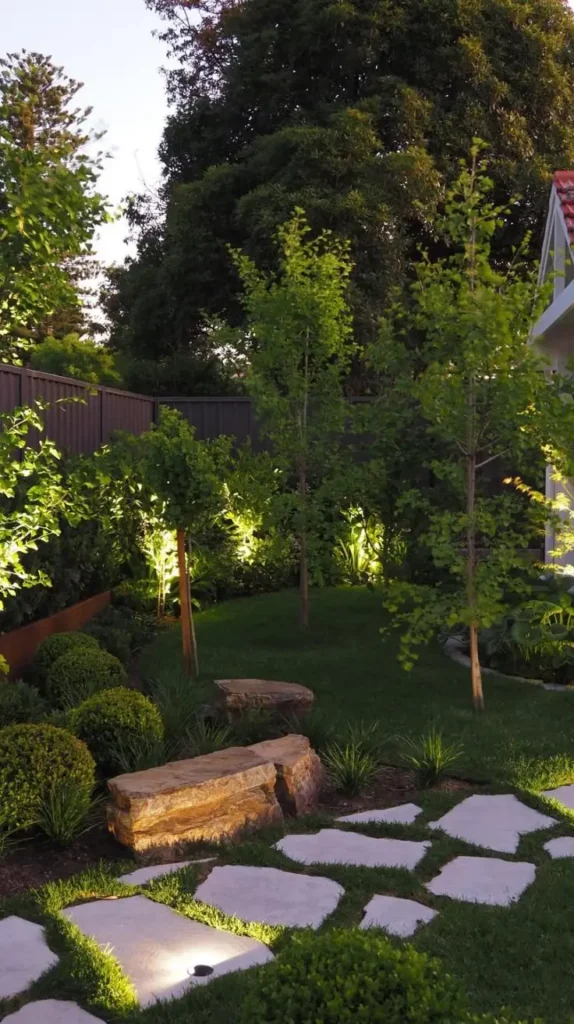
Landscape lighting transforms the yard after dark, creating warmth, drama, and security. Thoughtful lighting placement enhances the textures of plants, architectural features, and pathways, giving the space a welcoming glow. Warm, soft white lights feel inviting and cozy, while brighter lights can be overwhelming if not balanced correctly.
Pathway lights guide guests safely to the front door, while uplighting trees or sculptures adds depth and sophistication. Solar-powered lights simplify installation and reduce energy costs, making them perfect for anyone without electrical experience. Lighting can also highlight focal points, such as flower beds, stone features, or entry steps, creating a sense of movement and interest at night.
Even subtle lighting can significantly impact perception; a home with soft, glowing accents feels larger, more luxurious, and safer. It also extends the usability of outdoor spaces, letting the yard remain beautiful and functional well into the evening. With carefully planned lighting, the front yard feels alive and welcoming long after sunset.
Use Decorative Edging for Clean Lines
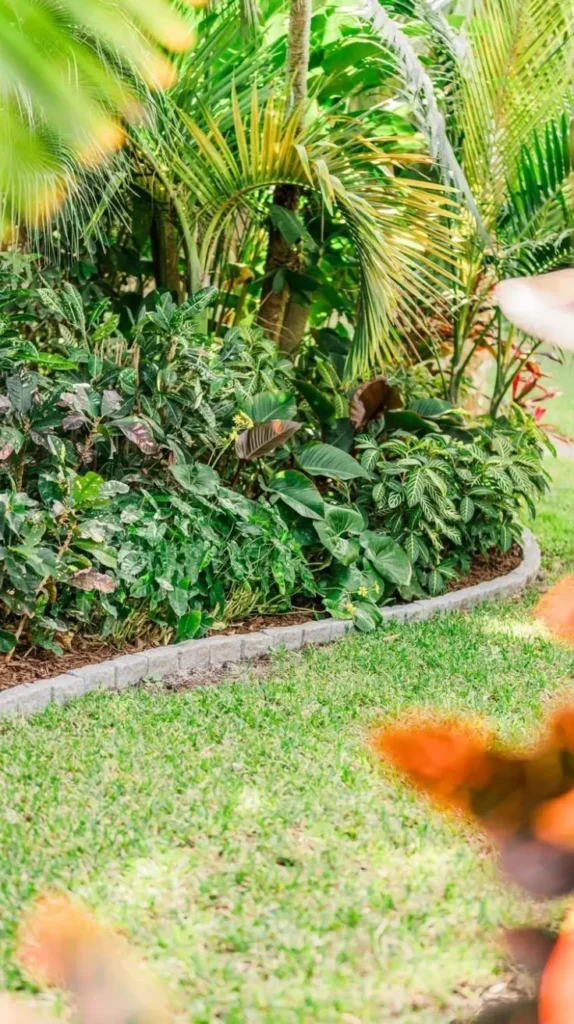
Decorative edging is a simple but powerful design element that can dramatically improve the overall appearance of the yard. Defining borders between lawns and planting beds keeps grass out of flower beds, retains mulch, and prevents soil erosion. Materials such as natural stone, metal, brick, or wood each bring a unique style. Curved edging adds softness and a natural flow, while straight lines lend a modern, formal feel.
Beyond aesthetics, edging improves maintenance and reduces frustration. It keeps mulch and gravel in place during heavy rains and clearly delineates spaces, making the yard look organized even when plants are growing freely. Decorative edging can also be used creatively to outline pathways, create circular planting areas around trees, or frame a seating space. Thoughtfully implemented, this small detail brings a sense of structure and intentionality, transforming an average front yard into a polished, professional-looking landscape that feels carefully curated.
Introduce a Small Seating Area
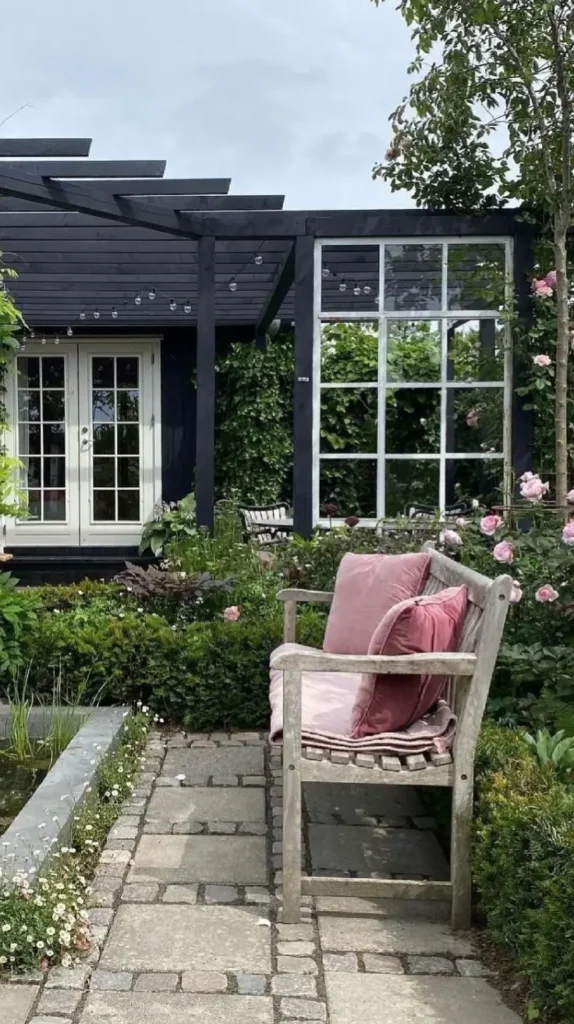
Adding a small seating area enhances both the functionality and the visual appeal of a front yard. Even a modest bench under a tree or a couple of chairs with a side table can create a welcoming corner for relaxation, reading, or greeting guests. It makes the space feel lived-in and inviting, turning the yard into more than just a passage to the front door.
Surrounding the seating area with potted plants, low hedges, or flowering borders helps define the space and adds privacy without obstructing sightlines. Comfortable cushions or throws add color, texture, and seasonal flair. Strategic placement of the seating also allows homeowners to enjoy sun or shade, depending on preference.
In addition to aesthetic appeal, a small seating corner adds functionality by encouraging outdoor living. It’s an ideal place for morning coffee, an afternoon break, or simply enjoying the garden. This element can make even compact yards feel dynamic and welcoming, creating a focal point that draws the eye and invites interaction.
Highlight a Statement Tree
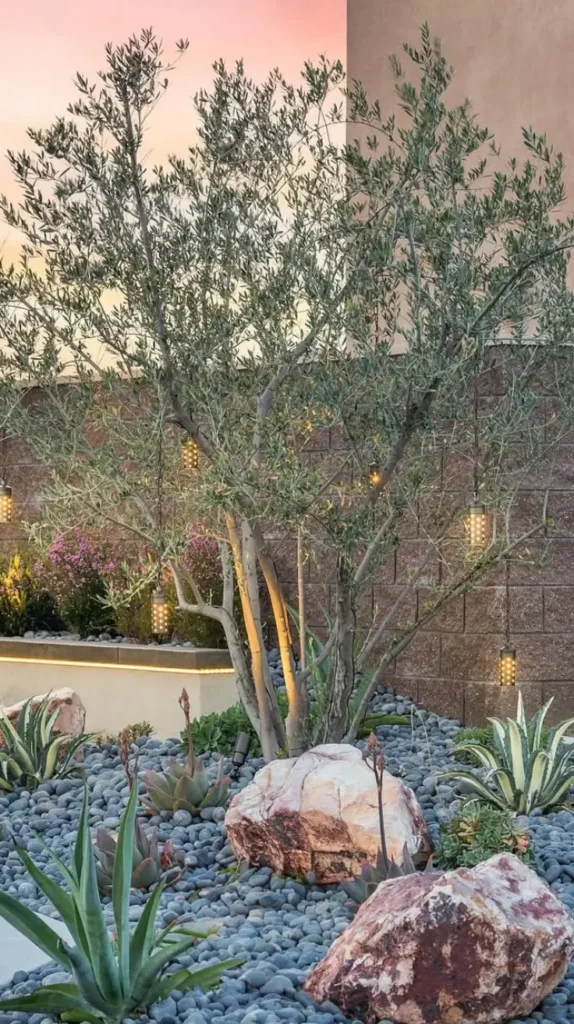
A statement tree acts as a natural centerpiece, providing height, shade, and structure. Flowering trees bring seasonal color, while evergreen trees offer year-round greenery. Placement is crucial: slightly off-center positioning feels organic, while symmetry may suit more formal landscapes.
Underplanting with shade-loving plants or ornamental ground covers fills empty space beneath the canopy and adds visual layers. A well-chosen tree can frame the house, draw the eye upward, and balance other landscape elements, making the yard appear mature and established. Lighting the trunk or canopy at night adds drama and creates a focal point visible from the street.
Beyond aesthetics, trees contribute to environmental benefits, including cooling effects, privacy, and habitat for birds. A single, thoughtfully selected and positioned tree can anchor the entire front yard design, giving it purpose and personality. This approach emphasizes quality over quantity, proving that one prominent feature can elevate the entire space.
Add Raised Garden Beds
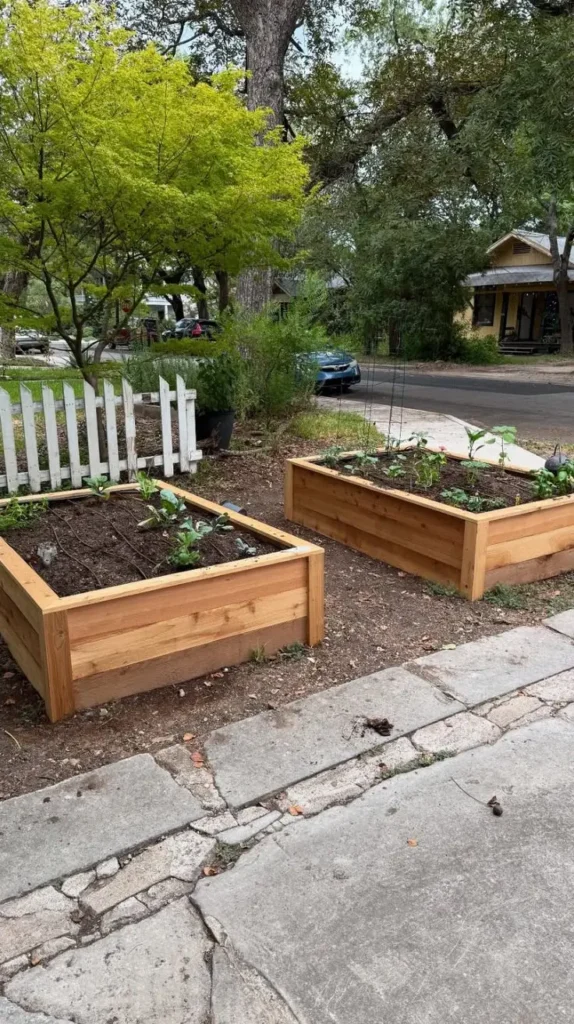
Raised garden beds introduce height, structure, and texture to the front yard while simplifying maintenance. They are versatile, accommodating flowers, herbs, or small decorative shrubs. Constructed from wood, stone, or concrete, raised beds help improve soil drainage, reduce weeds, and make gardening more manageable, especially for beginners.
They also create an eye-catching focal point when positioned near the walkway or entrance. Elevating plants to eye level draws attention to their color and form, making the yard feel more curated and intentional. Planting a variety of heights within the raised bed enhances depth, while mixing textures, such as leafy greens with flowering plants, adds visual richness.
Raised beds can also be customized to suit any style: rustic wood for a natural look, sleek concrete for modern design, or stone for timeless elegance. The combination of functionality and aesthetics makes raised garden beds a practical and impactful way to elevate the front yard’s appearance.
Incorporate Natural Stone Features
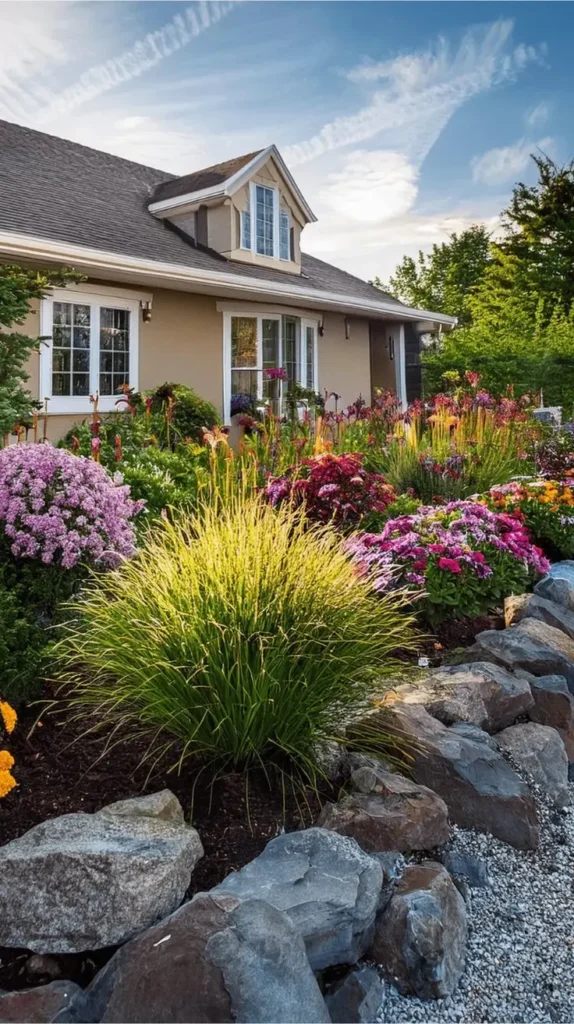
Natural stone adds a sense of permanence, texture, and sophistication to any front yard. Rock borders, small boulders, and decorative walls create visual contrast against soft greenery and flowers. Grouping stones in odd numbers feels more natural and visually pleasing than even arrangements.
Stone features also have practical benefits. They help control soil erosion, especially on slopes, and provide durable, low-maintenance elements that withstand weather. Pairing stones with drought-tolerant plants creates a harmonious and environmentally friendly landscape. Stones can define spaces, frame flower beds, or serve as a backdrop for water features and seating areas.
Natural stone adds an earthy, timeless quality that complements any yard style. It balances softscape elements, enhances texture, and provides a sense of permanence and stability, giving the front yard a professional, thoughtfully designed appearance without requiring extensive maintenance.
Design a Low-Maintenance Lawn Alternative
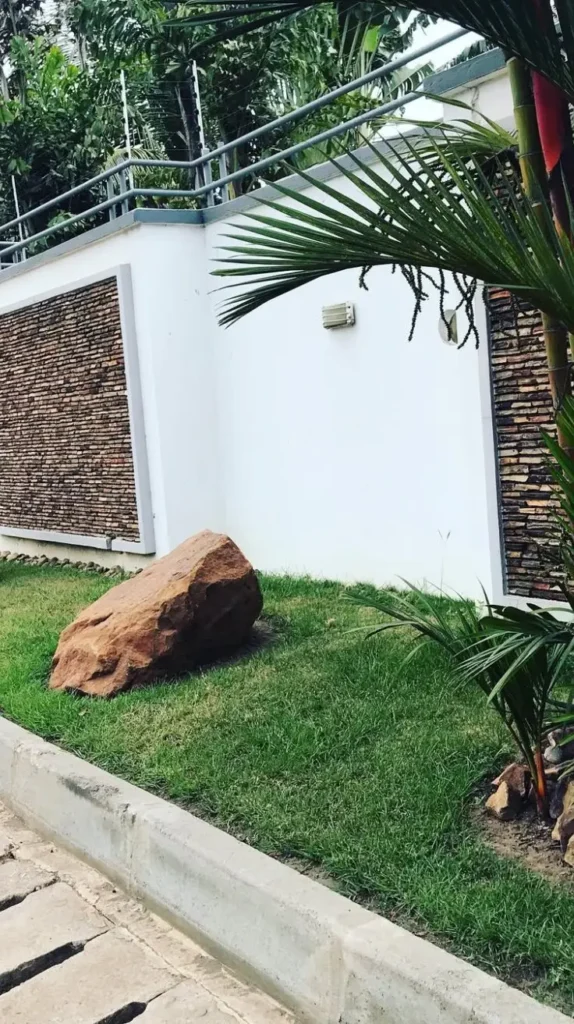
Traditional grass lawns require constant care: mowing, watering, fertilizing, and weeding. For many homeowners, this becomes a time-consuming chore that doesn’t always pay off in aesthetics. A low-maintenance lawn alternative solves this problem while keeping the front yard visually appealing. Options include replacing grass with gravel, decorative pebbles, hardy ground covers like creeping thyme, or native drought-resistant plants. Each choice adds texture, color, and dimension without demanding hours of upkeep.
Stepping stones or pavers embedded within gravel can create functional pathways that are both attractive and practical. Ground covers reduce soil erosion, minimize water usage, and thrive with minimal attention, making them ideal for busy households or areas with extreme weather conditions. Introducing low-maintenance shrubs or ornamental grasses alongside these alternatives adds height and structure, creating a layered and dynamic appearance. A thoughtfully designed lawn alternative not only saves time and resources but also gives the yard a distinctive, modern, and sustainable look that can impress visitors instantly.
Use Vertical Greenery
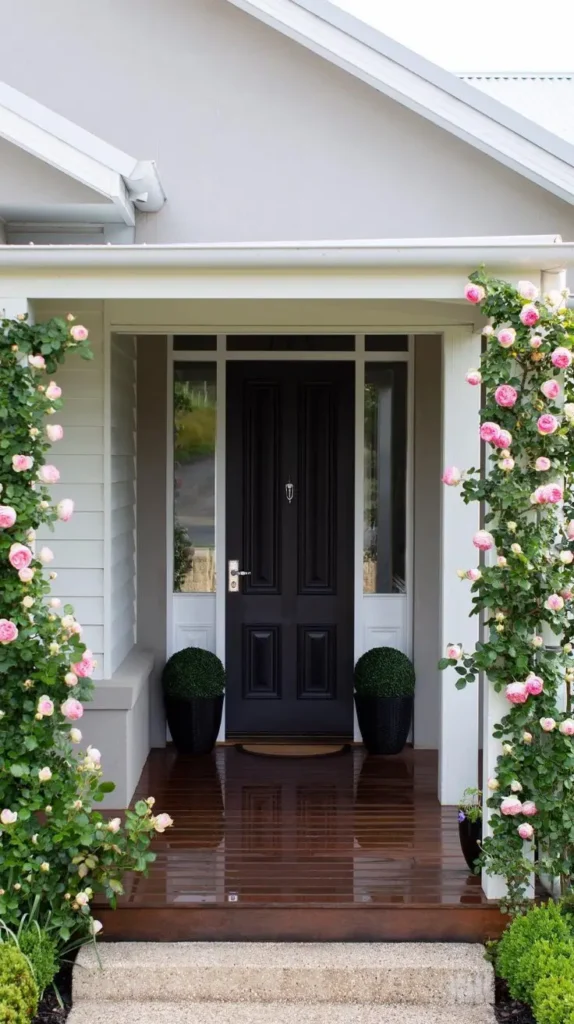
Vertical greenery is an often-overlooked way to maximize visual impact, especially in smaller front yards. Drawing the eye upward, it makes spaces feel larger, more dynamic, and less crowded. Common vertical elements include trellises for climbing vines, wall-mounted planters, hanging baskets, and tall ornamental grasses. Vines like jasmine, climbing roses, or ivy can soften harsh walls and fences, adding layers of greenery and texture while enhancing privacy.
Vertical greenery can also help define separate zones in the yard. A trellis covered in flowers might separate a seating area from a pathway, or a wall-mounted planter can provide a lush backdrop to a decorative bench. This design choice creates depth, adds dimension, and brings a touch of nature to overlooked vertical spaces. With careful planning, vertical greenery becomes a low-maintenance and versatile solution, turning even compact yards into visually rich landscapes that feel curated, engaging, and thoughtfully designed.
Add a Water Feature for Calm Energy
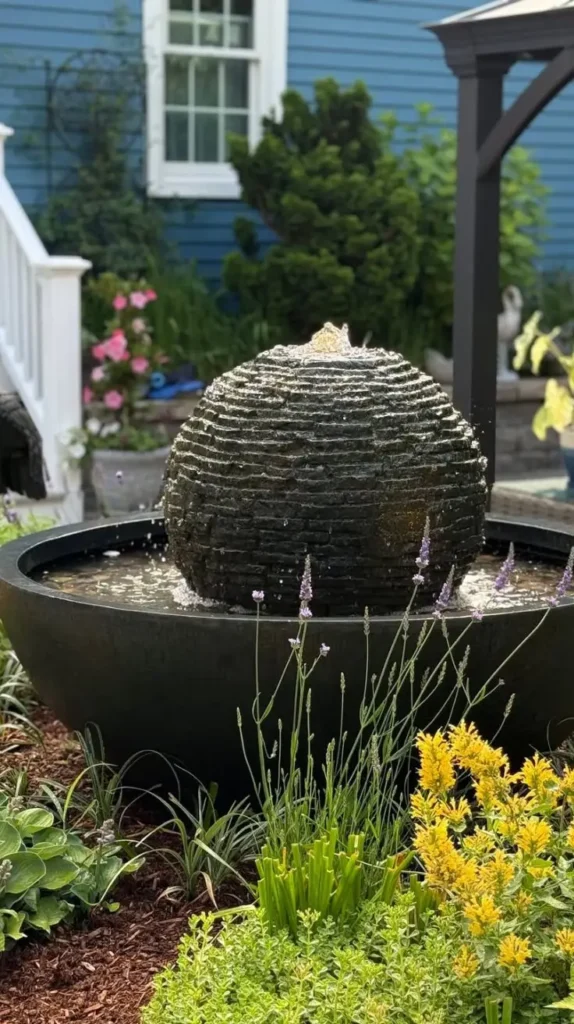
Adding a water feature instantly elevates a front yard by introducing movement, sound, and a soothing atmosphere. Fountains, bubbling rocks, and small ponds can serve as a stunning focal point while creating calming white noise that softens traffic sounds and enhances the outdoor experience. Water naturally attracts attention, so positioning the feature near the entrance or along a pathway ensures it becomes a centerpiece.
Surrounding the feature with smooth stones, low-lying plants, or moss enhances its natural look, while lighting can create a magical shimmer at night. Even compact installations have a dramatic effect, making the yard feel tranquil, luxurious, and alive. A water feature isn’t just decorative—it provides emotional benefits, encouraging relaxation and mindful observation. Combined with the right plantings, it integrates seamlessly into the landscape, making the front yard feel like a serene retreat rather than just a functional space.
Create Seasonal Plant Displays
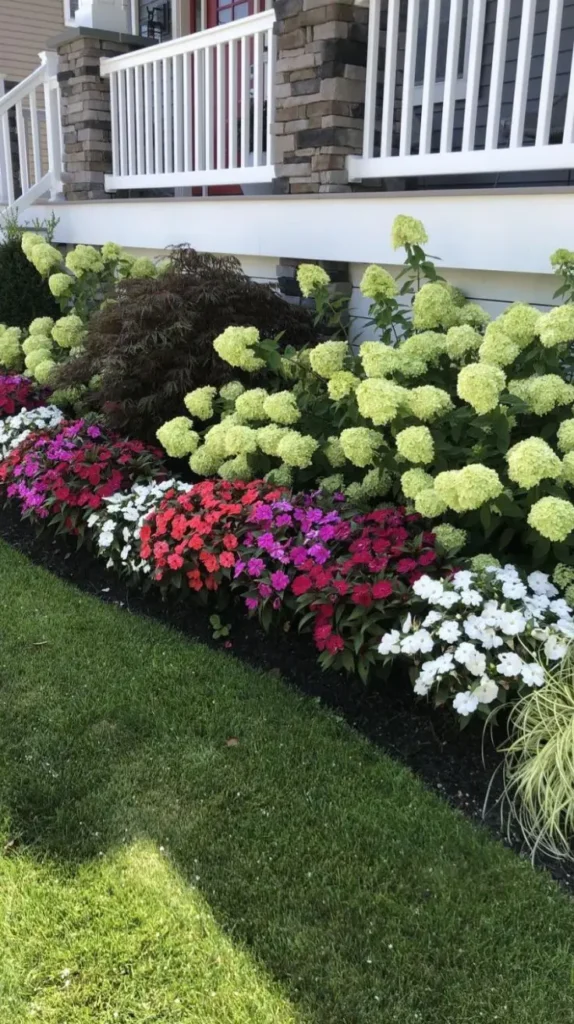
Seasonal plant displays breathe constant life into a front yard, ensuring that it never feels static or dull. By rotating plants throughout the year, a yard can exhibit vibrant spring blooms, lush summer perennials, warm autumn foliage, and evergreen accents in winter. This approach not only provides visual interest but also encourages homeowners to engage with their outdoor space regularly.
Large planters or raised beds make seasonal swaps straightforward without major yard redesigns. Choosing complementary colors and textures for each season ensures that the yard feels harmonious, whether highlighting delicate tulips in spring or deep red chrysanthemums in fall. Seasonal planting also allows creativity; blending unusual textures or contrasting colors can produce striking effects. This strategy ensures the yard remains lively, emotionally engaging, and reflective of the changing seasons, making every visit feel fresh, inviting, and thoughtfully curated.
Define Spaces with Hedges
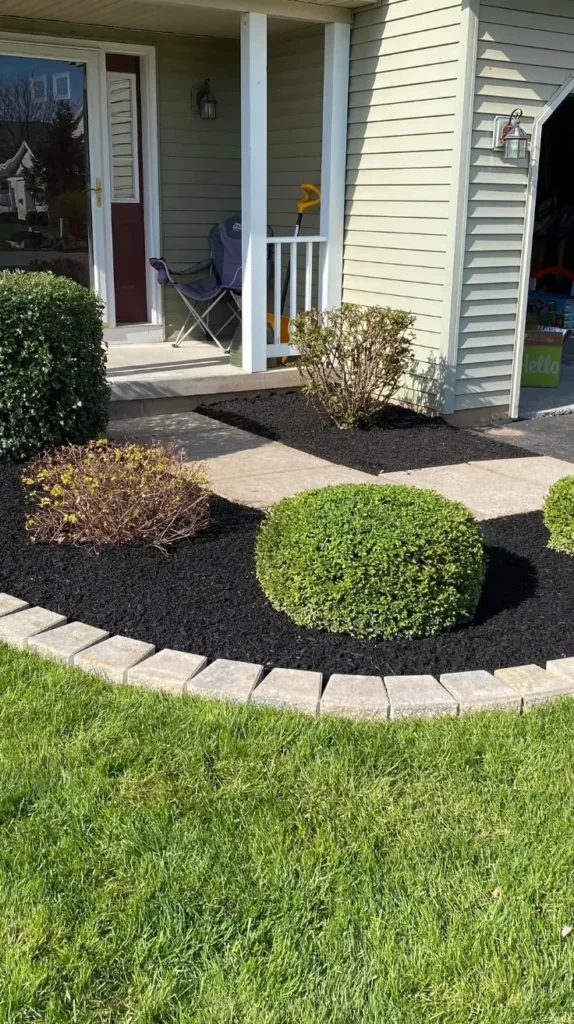
Hedges serve as natural boundaries that organize, structure, and guide movement in a front yard. They can delineate pathways, frame flower beds, or create intimate seating areas without completely obstructing views. Low-maintenance options like boxwood, dwarf holly, or privet retain their shape with minimal trimming, offering both practicality and elegance.
Curved hedge lines impart a soft, organic feel, while straight lines create a formal, structured aesthetic. Hedges also introduce depth, helping to balance focal points such as trees, water features, or benches. When used strategically, they can guide guests along pathways, subtly indicating movement while adding visual order. Hedges give the yard a polished appearance, making spaces feel intentional and thoughtfully arranged. They blend functional organization with aesthetic sophistication, ensuring the front yard feels inviting, balanced, and professional.
Blend Hardscape and Softscape
A successful landscape harmonizes hardscape elements, such as stone, brick, concrete, and wood, with softscape elements, including plants, flowers, and lawns. Striking the right balance prevents the yard from feeling either cold and rigid or overgrown and cluttered. Proper integration of these elements creates texture, rhythm, and contrast, making the space visually rich and dynamic.
For example, pairing a stone pathway with flower beds or incorporating a wooden bench among ornamental grasses creates a sense of cohesion and depth. Repeating materials across the yard, like using similar stone for edging, pathways, and a raised bed, ties the design together and gives a professional, cohesive look. This strategy enhances curb appeal, emphasizes key focal points, and ensures the yard is both functional and visually compelling. Blending hardscape and softscape transforms the front yard into a welcoming, thoughtfully designed, and aesthetically balanced outdoor space.


