
Farmers are among the largest contributors to Canada’s economy, yet many feel unheard.
Leith Deacon, an associate professor at the University of Guelph, is looking to change that through the Health, Economy, and Adaptation in Rural communities (HEAR) initiative. The program aims to make rural communities “visible in the data.”
WHY IT MATTERS: Current systems tend to “average out” rural Ontario, making it hard to see specific needs or design targeted solutions.
The initiative, operating through Guelph’s Ontario Agricultural College (OAC), was first announced last June, and is backed with a $1.65 million grant pledged by the McCall McBain Foundation, which funds work in the fields of education, climate and health.
HEAR will survey residents of rural communities about the issues that matter most to them to establish datasets to help navigate future planning initiatives.
“Most datasets are built for population density. Indicators are often reported at large geographic levels, which can mask significant variation between small rural communities,” Deacon said. “A township of a few thousand people gets statistically blended into a much larger region, making local challenges invisible.”
He said another challenge is the size and dispersion of rural populations. This can result in exclusion from surveys and administrative datasets, leading to gaps in areas such as mental health, housing and service access.

Deacon aims to reach 20 per cent of rural and remote households in the province, roughly 280,000 homes.
He stated that HEAR’s scale provides reliable, community-level insights, shifting rural data from anecdotal to statistically significant figures rather than broad regional averages. This enables local governments to plan infrastructure and services more accurately, support agriculture-sector workforce planning and help health agencies identify care gaps.
Community-level insights
“For local governments, it enables evidence-based planning at the community level,” he explained. “Not just relying on regional averages, but understanding differences between neighbouring townships. That can directly shape decisions on infrastructure, housing and service delivery.”
He said the collected data will give agriculture-sector planners a clearer picture of workforce availability, commuting patterns, and employment barriers. Additionally, it could pinpoint how access to housing, healthcare, or childcare affects workers’ ability to move to or remain in rural communities. Providing localized insights on service gaps, care access and social determinants of health helps health agencies craft targeted interventions for mental health supports, primary care access or transportation barriers, instead of reacting to system-wide trends
“That helps shift solutions from short-term recruitment to longer-term community viability,” he said. “HEAR shows how health, housing and migration shape agricultural sustainability. It can inform better solutions to labour shortages, highlight barriers to farm succession, and identify where rural communities can support diversified agri-food economies.”
On-farm succession
As the average age of farmers continues to rise, Deacon said HEAR can shed light on demographic trends, youth outmigration and the barriers younger generations face — such as affordability, service access or limited economic opportunities for partners and provide a more realistic foundation for policies aimed at keeping farms in family hands or enabling new entrants.
“For rural economic diversification, the findings can identify where communities have the capacity, or constraints, to expand beyond traditional agriculture. For instance, broadband quality, health services and workforce skills all influence whether new agri-food processing, value-added production or agri-tourism can take hold,” he said. “HEAR reframes agriculture as part of a broader rural system where healthy, well-serviced communities are essential to a stable and productive agri-food sector.”
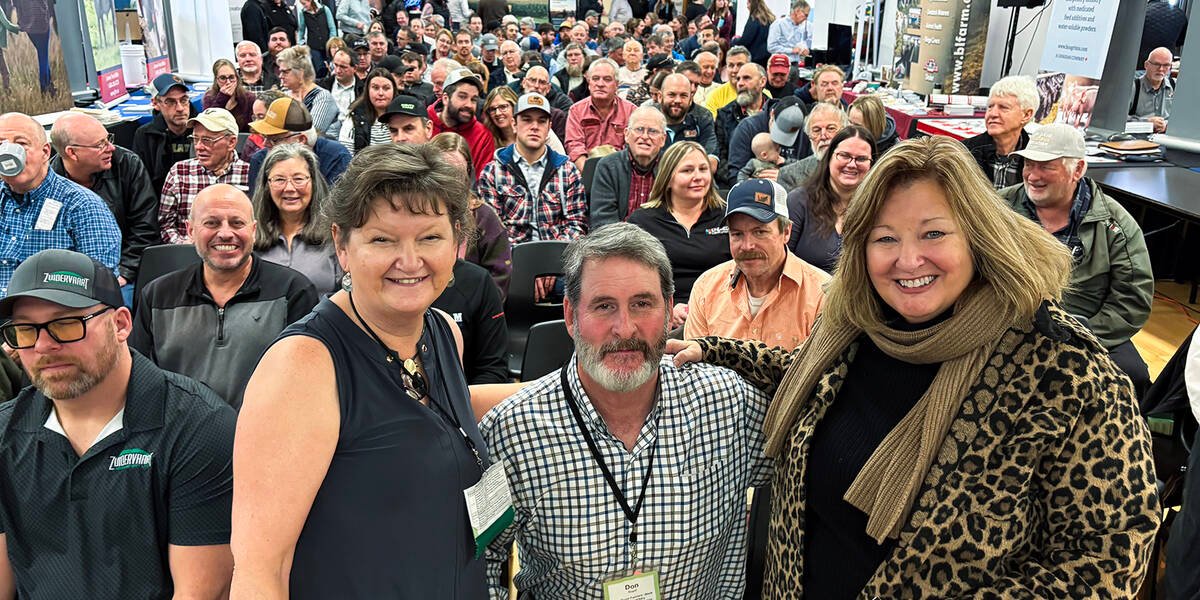
This direct, community-focused approach helps improve transparency within agricultural communities, as rural participants are more willing to engage when the data collected reflects their lived experience.
“HEAR is also investing in capacity building, including training, partnerships and scholarship support, so local actors can interpret and apply the data in planning, grant applications and advocacy,” he said. “Equally important is format and delivery. Insights need to be translated into clear, actionable output, such as community profiles, dashboards and policy briefs—rather than raw datasets alone.”
Looking ahead, Deacon said HEAR’s goal is to shift policy toward rural-informed decision-making, improve healthcare access, strengthen economic resilience and support climate adaptation with data that reflects real rural conditions and shift away from one-size-fits-all policy making toward rural-informed decision-making based on real data.
“In healthcare, that could mean funding models and service delivery designs that account for travel times, workforce shortages and population dispersion, not just population size,” he said. “Ultimately, the long-term goal is cultural as much as technical: to ensure rural Ontario is no longer invisible in decision-making, but instead fully seen, understood and prioritized across policy and investment.”
The post HEAR initiative aims to make rural Ontario more visible to policy makers appeared first on Farmtario.


