
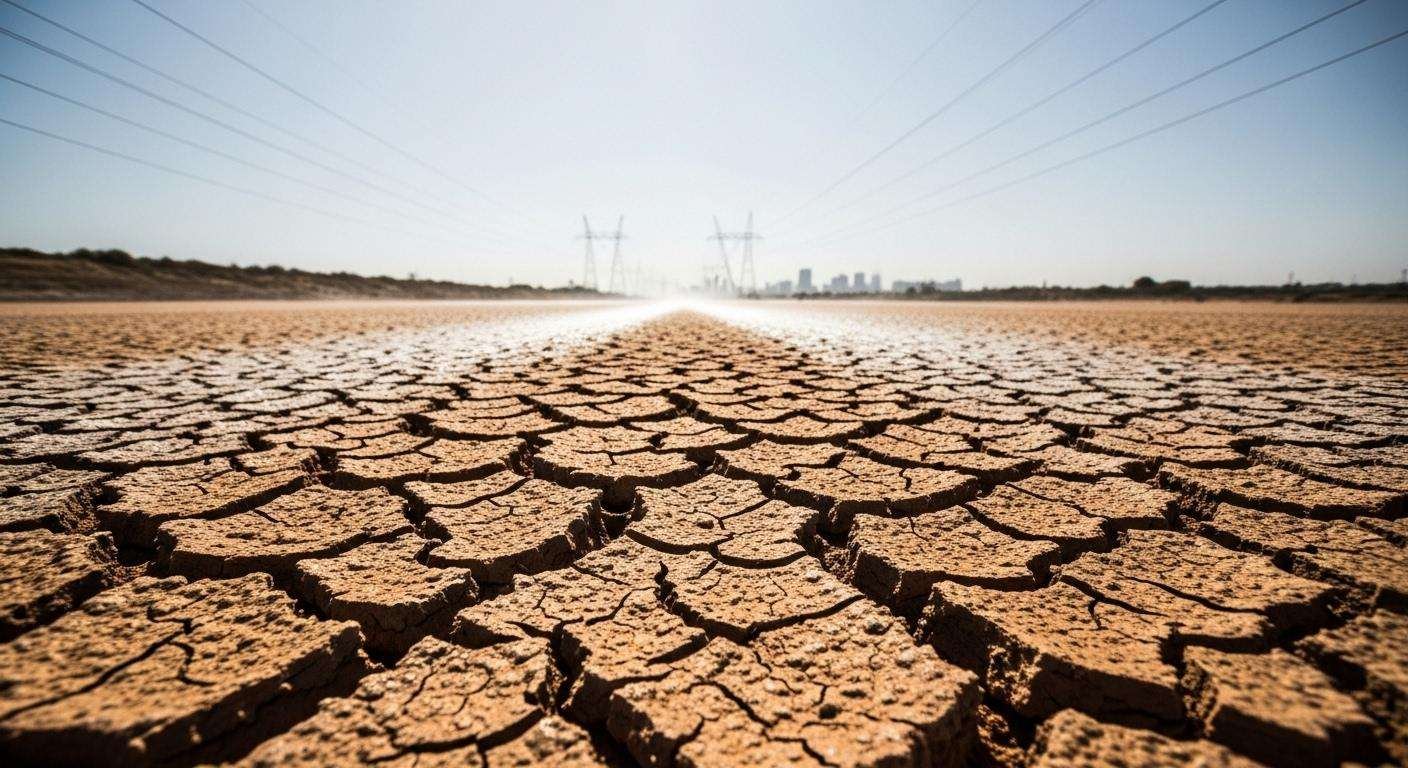
The Growing Threat of Extreme Heat
I think it’s obvious that we are like frogs who are slowly being warmed up and we are not reacting as if our wellbeing is in danger.
In actuality in recent years, we’ve been feeling the heat—quite literally with global temperatures on the rise, and with them, the frequency and severity of heatwaves.
I’m old enough to remember what it was like if you lived in a time before the turn of the century, and I recallt heatwaves being rare and relatively short-lived. Fast forward to today, and these events have not only increased in intensity but also in duration. But this isn’t just about feeling uncomfortable in your own skin; it’s about a pressing global issue impacting lives across the planet. So the future threats of climate change are actually here already – getting worse – and will undoubtedly create massive problems by causing mass migration due to paucity of food and water.
While some regions sweat it out more than others, the disparity in heatwaves’ impact is stark with developing nations often bearing the brunt due to lacking infrastructure and resources, which makes understanding the human toll of extreme heat not just important, but urgent. Additionally, strategies for sustainable urban development are crucial in mitigating this impact, as noted in how local governments can influence sustainable practices.
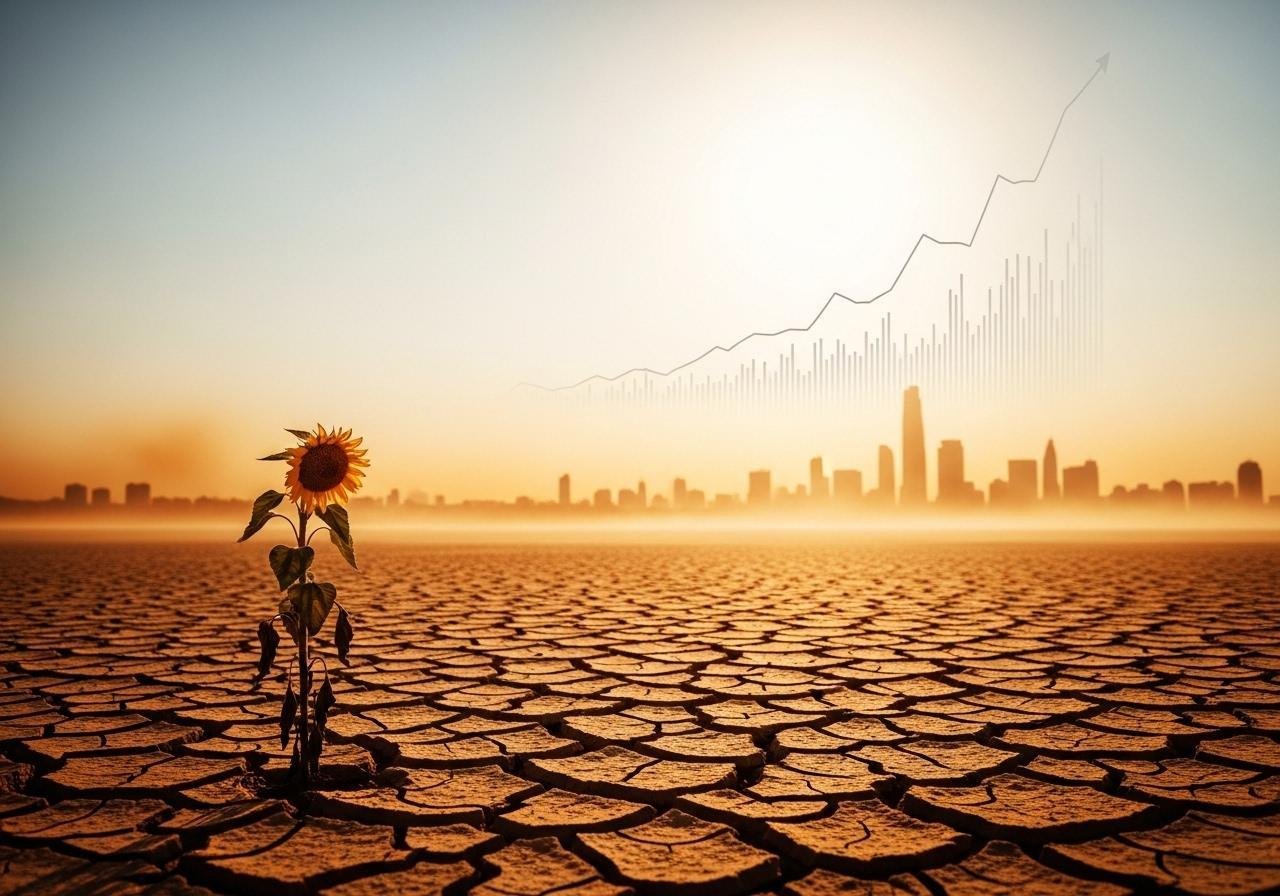
Medical Impacts of Extreme Heat
Heatwaves do more than just make your ice cream melt faster; they pose serious health risks as your core temperature can increase rapidly. Imagine your body as a finely tuned engine—when it overheats, things can go wrong and heat-related illnesses like heat stroke and heat exhaustion can lead to serious complications. More importantly, prolonged exposure to heat exacerbates pre-existing health conditions such as cardiovascular, respiratory, and renal diseases.
Certain groups are particularly vulnerable. The elderly, young children, and those with chronic illnesses often find themselves at greater risk. Anecdotal evidence and scientific studies alike point to increased emergency visits and mortality rates during heatwaves. In some studies, emergency room visits surge dramatically when the mercury rises.
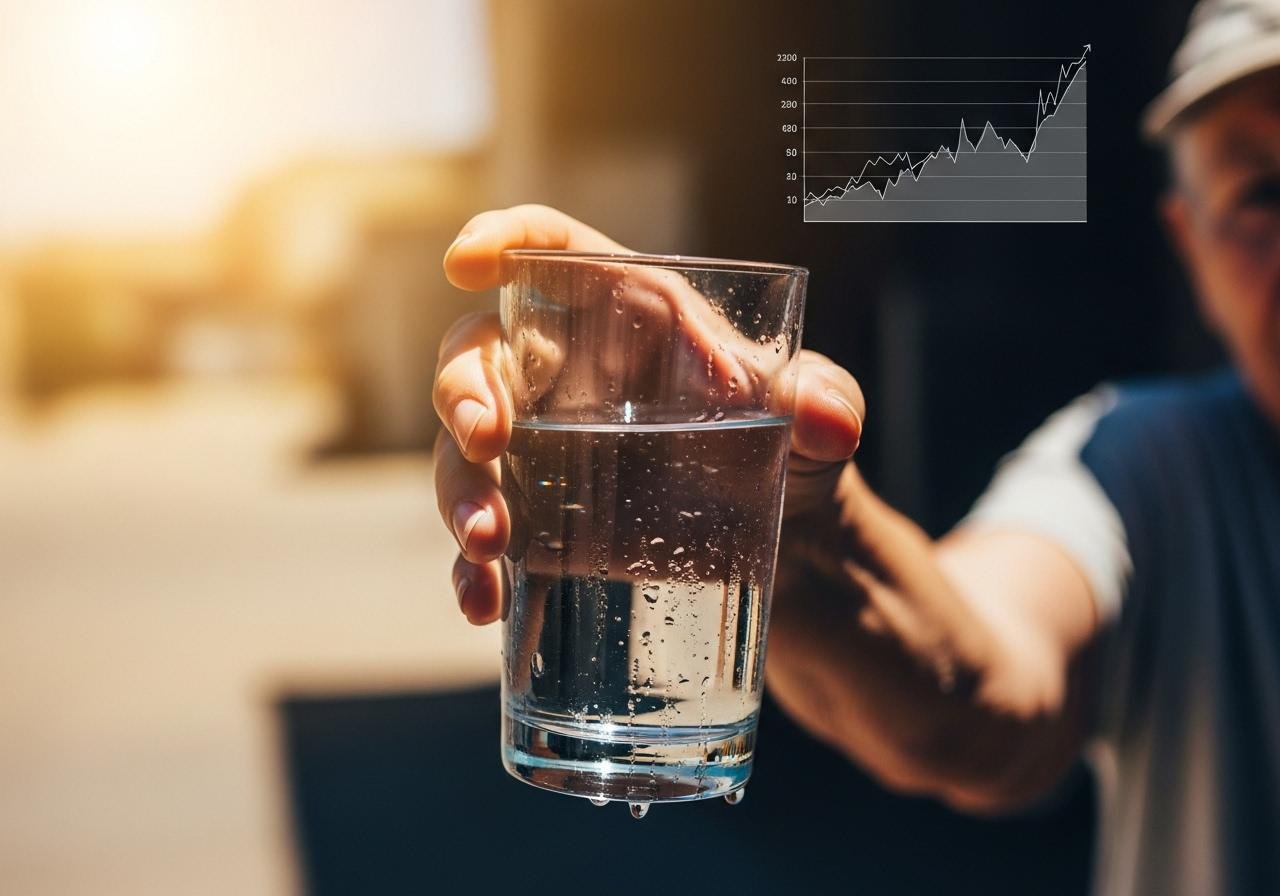
Socioeconomic Factors and Heat Vulnerability
Extreme heat does not discriminate, but the ability to cope with it often mirrors a person’s socioeconomic standing. Poverty plays a significant role in heatwave resilience. For many, especially those in urban environments, poorly insulated homes and lack of air conditioning can exacerbate the heat’s impact. To counteract this, the adoption of sustainable living solutions is increasingly vital.
Access to healthcare and public services becomes crucial during extreme weather. Social factors—like living alone or having limited mobility—can amplify an individual’s risk. Energy poverty, where individuals cannot afford the basic energy services, leaves many sweltering without relief.
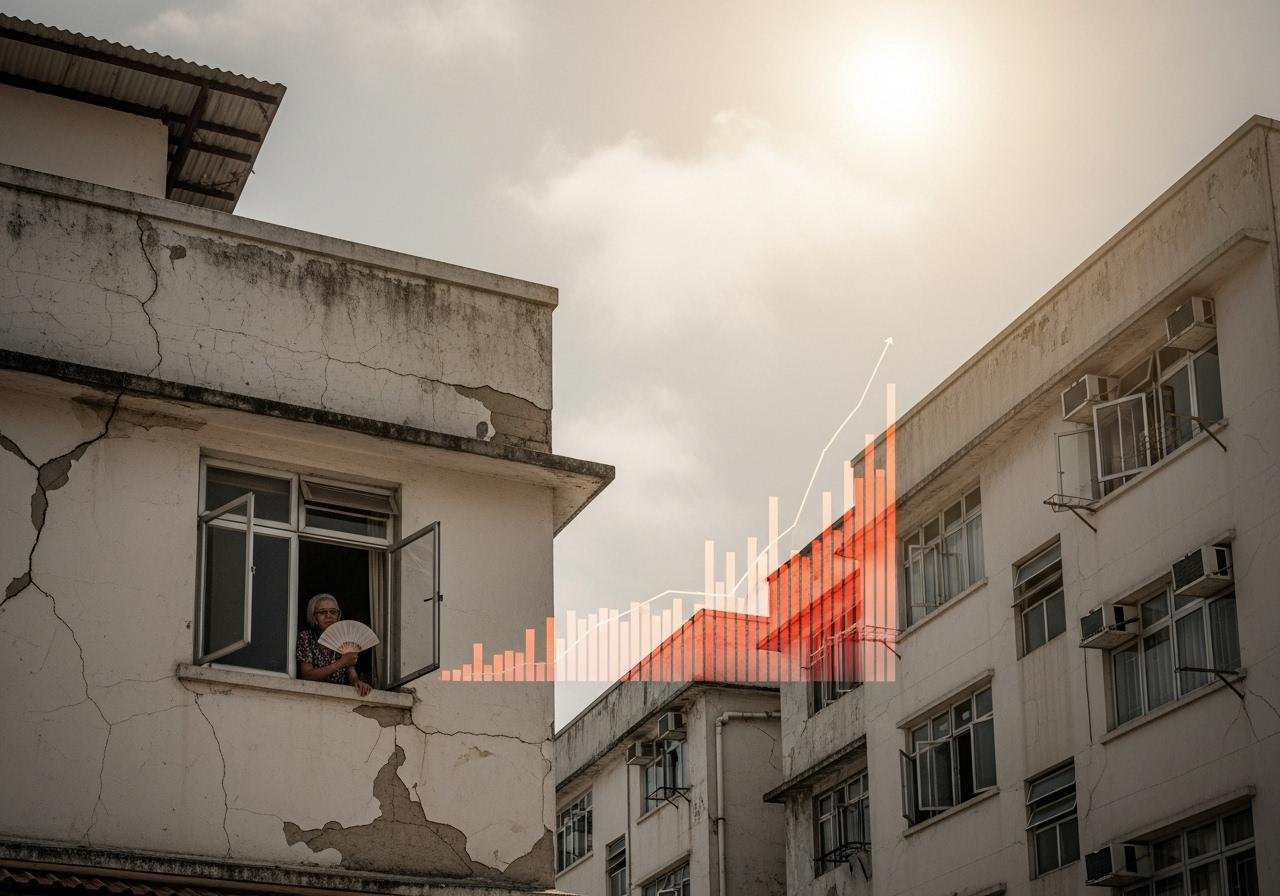
Environmental and Geographic Considerations
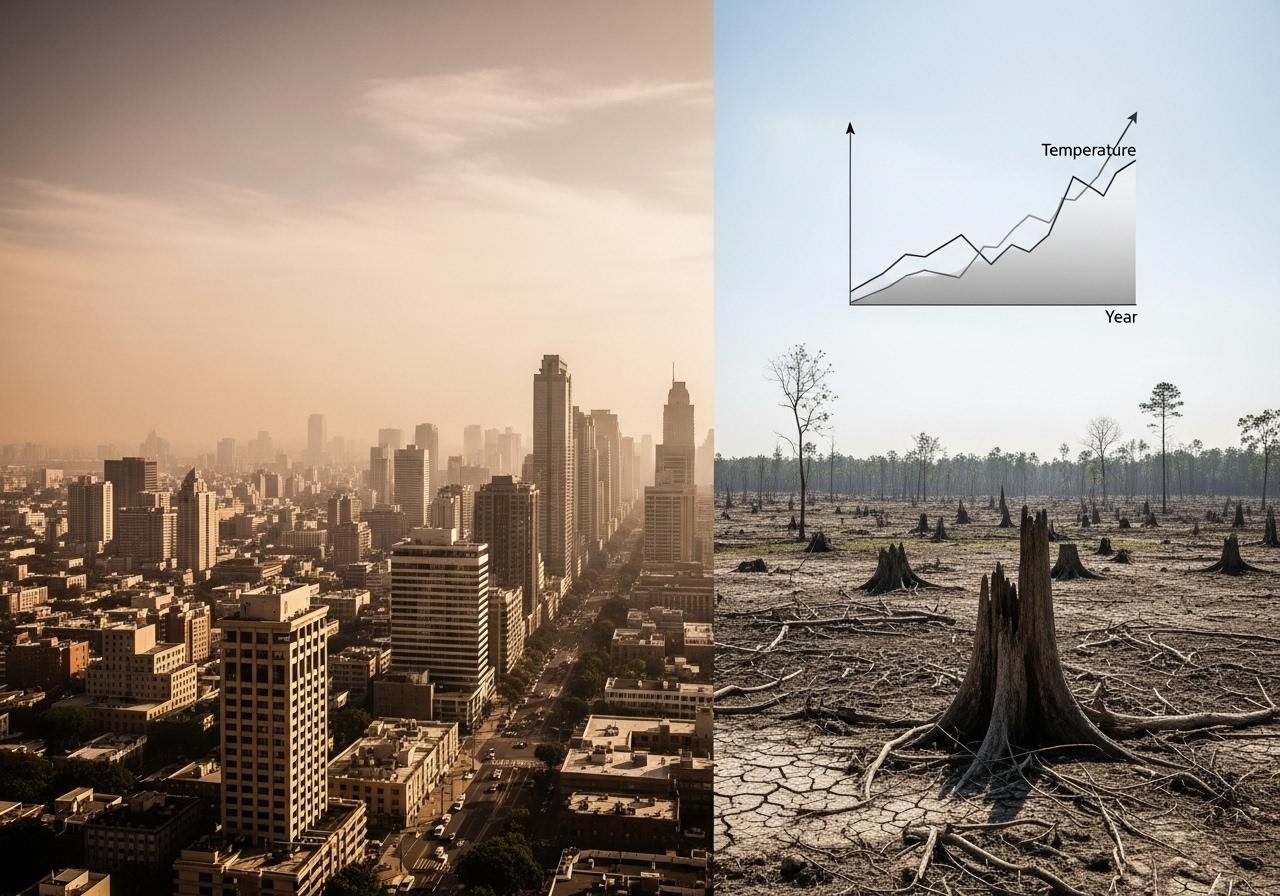
If you’ve ever walked through a city on a hot day, you might have noticed it’s a little warmer than the countryside. Welcome to the “urban heat island” effect. Due to concrete, asphalt, and reduced greenery, cities often trap heat, making urban dwellers particularly susceptible. Geography and local climate significantly contribute to regional heat risks too.
Additionally, environmental degradation and deforestation have a role to play. By stripping landscapes of natural shade and cooling vegetation, we inadvertently turn up the heat. And let’s not forget climate change’s role in exacerbating these existing vulnerabilities, a silent amplifier, making hot regions even hotter. The application of eco-friendly innovations in agriculture can significantly aid in reversing deforestation impacts.
Mitigation and Adaptation Strategies
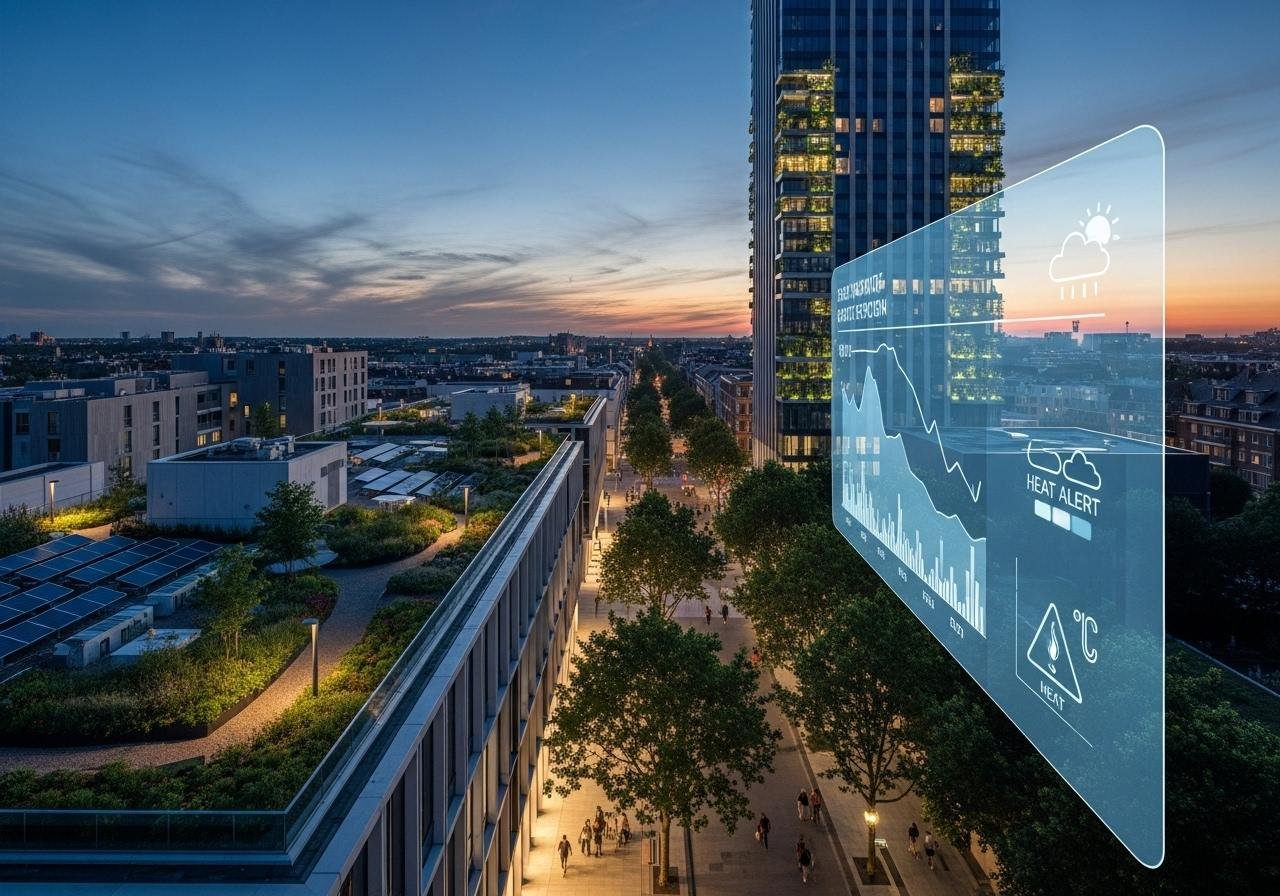
So, what can we do about it? Public cooling centers are one way to provide immediate relief, but long-term strategies are necessary. Green infrastructure, such as rooftop gardens and expanded green spaces, can significantly cool urban areas. Technology also plays a part in forecasting and managing heat events, providing timely alerts.
Examples of success are scattered globally—from shaded walkways in Singapore to widespread tree planting in Melbourne. These interventions not only save lives but make cities more livable in the long run. Policy implementations tailored to local needs can significantly mitigate the adverse effects of heatwaves. In some cities community centers which are well air-conditioned serve as a location where the elderly and impoverished can escape to.
Challenges in Data Collection and Risk Assessment
While we’ve made strides in understanding heatwaves, challenges remain, especially in data collection. Attributing deaths and illnesses directly to heat is complex, and developing standardized criteria for heat-related mortality is a work in progress. To make informed decisions, improving our climate and health surveillance systems is critical.
Policy and Global Cooperation
This isn’t a problem one nation can solve alone and coordinated action among governments is essential. International organizations play a crucial role in fostering collaboration and sharing best practices. Policy can significantly reduce health risks associated with extreme heat by integrating heat action plans into broader climate adaptation frameworks.
Conclusions: The Urgent Call for Action
It’s clear that addressing the impact of extreme heat is a priority. The interconnectedness of health, social factors, and climate change paints a complex picture, one that requires informed, equitable, and urgent interventions across all societal levels.
Yet, there’s hope. With proactive measures and increased awareness, we can make a positive change. We can harness technology, improve infrastructure, and implement policies that not only protect us today but create a promising blueprint for future generations. Engaging with sustainability efforts not only helps the environment but also boosts economic growth and job creation.
Frequently Asked Questions (FAQs)
What are the health risks of extreme heat?
Extreme heat can lead to heat-related illnesses such as heat exhaustion and heat stroke. It can also worsen existing health conditions, particularly cardiovascular and respiratory diseases, posing serious risks to the elderly and those with chronic illnesses.
How does climate change affect heatwaves?
Climate change contributes to more frequent, intense, and longer-lasting heatwaves. Rising global temperatures make already hot regions even hotter, affecting agriculture, infrastructure, and vulnerable communities worldwide.
Who is most vulnerable to extreme heat?
The elderly, young children, outdoor workers, and individuals with chronic health conditions are most at risk. Limited access to cooling, hydration, or healthcare further increases vulnerability during heatwaves.
What steps can people take to stay safe during heatwaves?
Stay hydrated, avoid direct sunlight during peak hours, wear light clothing, and use fans or air conditioning when possible. Checking on elderly or isolated individuals can also help prevent heat-related emergencies.
Can urban areas make heatwaves worse?
Yes. Urban environments often experience the “urban heat island” effect, where buildings, asphalt, and limited greenery trap heat. This raises city temperatures and increases the demand for energy and cooling systems.
This section is for informational purposes only.
Bloomberg – Heat deaths around the world top half a million a year, scientists find.
The post Hot Weather is Killing More than Half a Million People a Year appeared first on Green.org.


