
A biotechnology company in Iceland is using an unlikely crop to help produce meat without raising a single animal — and Canada is playing a role in the company’s production and development strategy.
ORF Genetics uses genetically engineered barley plants to produce specialized proteins known as growth factors. These proteins are a key ingredient in cultivated meat production, helping animal cells grow and multiply to produce meat without the need to raise and slaughter livestock.
Why it matters: As global demand for protein grows and pressure mounts to reduce agriculture’s greenhouse gas emissions, particularly stemming from livestock production, one of the biggest barriers to cultivated meat remains the cost of producing the growth factors needed to grow animal cells at commercial scale.
Instead of using barley to feed livestock, ORF Genetics uses bioengineered barley plants to produce the growth factors needed to grow beef, pork and chicken meat cells.
“Our protein factory is simply the barley seed, which is an inexpensive and highly scalable factory,” said CEO Berglind Rán Ólafsdóttir during a visit to the company’s facilities as part of Iceland Innovation Week earlier this spring.
Founded in 2001 by three scientists including chief scientific officer Björn Örvar, ORF Genetics initially focused on producing human growth factors for stem cell research. Over time, the company expanded into skincare products and, in 2019, launched a portfolio of animal growth factors specifically designed for the cultivated meat industry.
Örvar said there are 10 to 15 different growth factors required to grow meat cells depending on the species, and in ORF’s technology, the barley seed becomes the production system. This creates a production system that the company says is inexpensive and highly scalable and could help reduce one of the largest costs associated with cultivated meat production.
“In the beginning, the main challenge was cost,” said Örvar. “We knew we needed to reduce the cost by 500 to 1,000 times if cultivated meat was ever going to become commercially viable.”
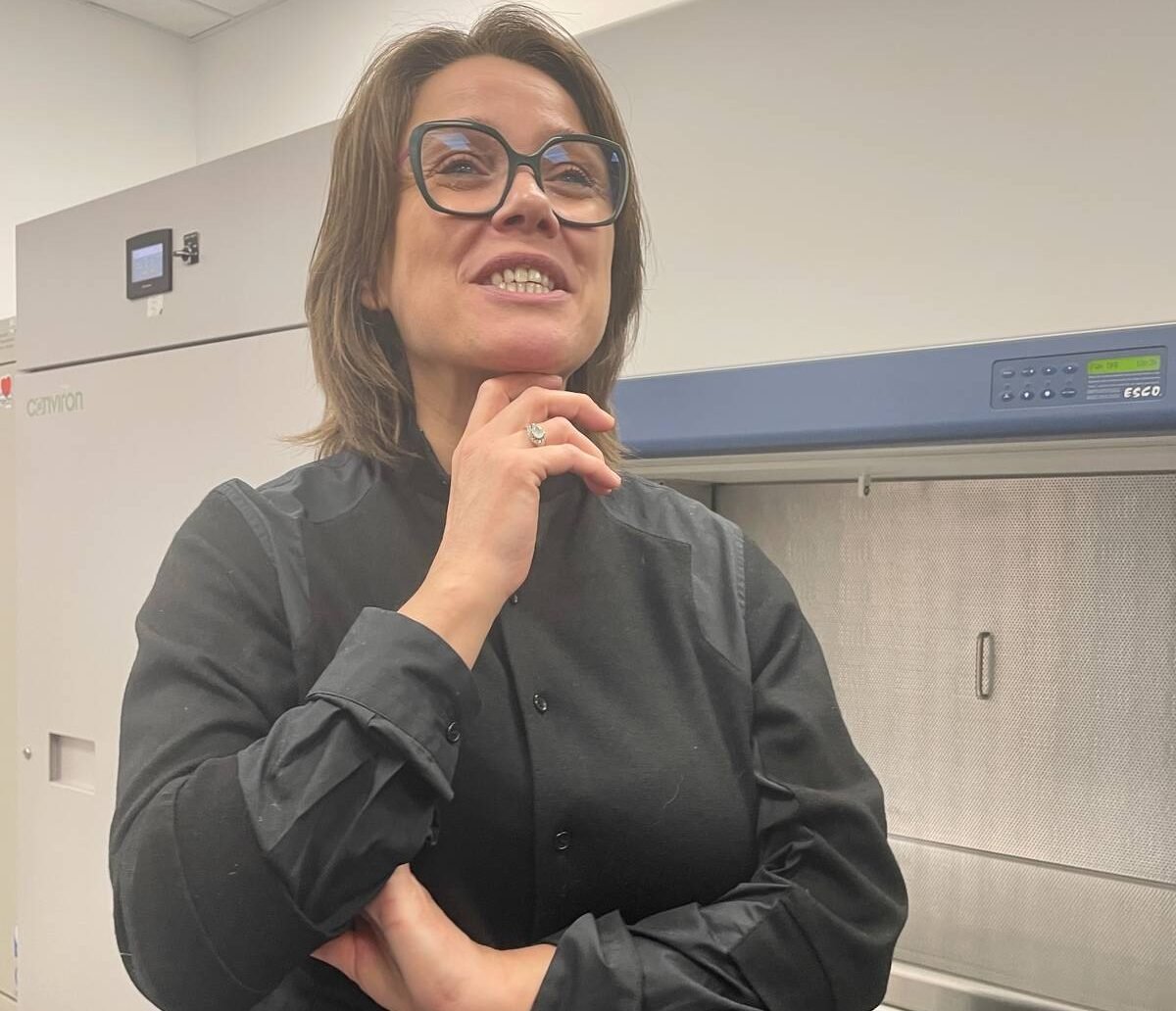
People want choice in how they consume meat, according to ORF Genetics CEO Berglind Rán Ólafsdóttir, which includes cultivated meat options.
Photo: Lilian Schaer
Barley was selected for several reasons. One of the most important is that barley is self-pollinating, which significantly reduces the risk of cross-pollination with neighbouring crops and helps satisfy regulatory requirements around growing the genetically engineered crop.
Unlike most crops, barley also grows well in Iceland’s short, northern growing season and the country has abundant geothermal energy that provides low-cost heat, electricity and lighting for potential greenhouse production.
Canada is a key part of the company’s production strategy. ORF Genetics has been conducting confined field trials of its genetically modified barley in Canada since 2013 under permits issued by the Canadian Food Inspection Agency. The trials allow researchers to evaluate yields and protein production under field conditions while keeping the crop contained.
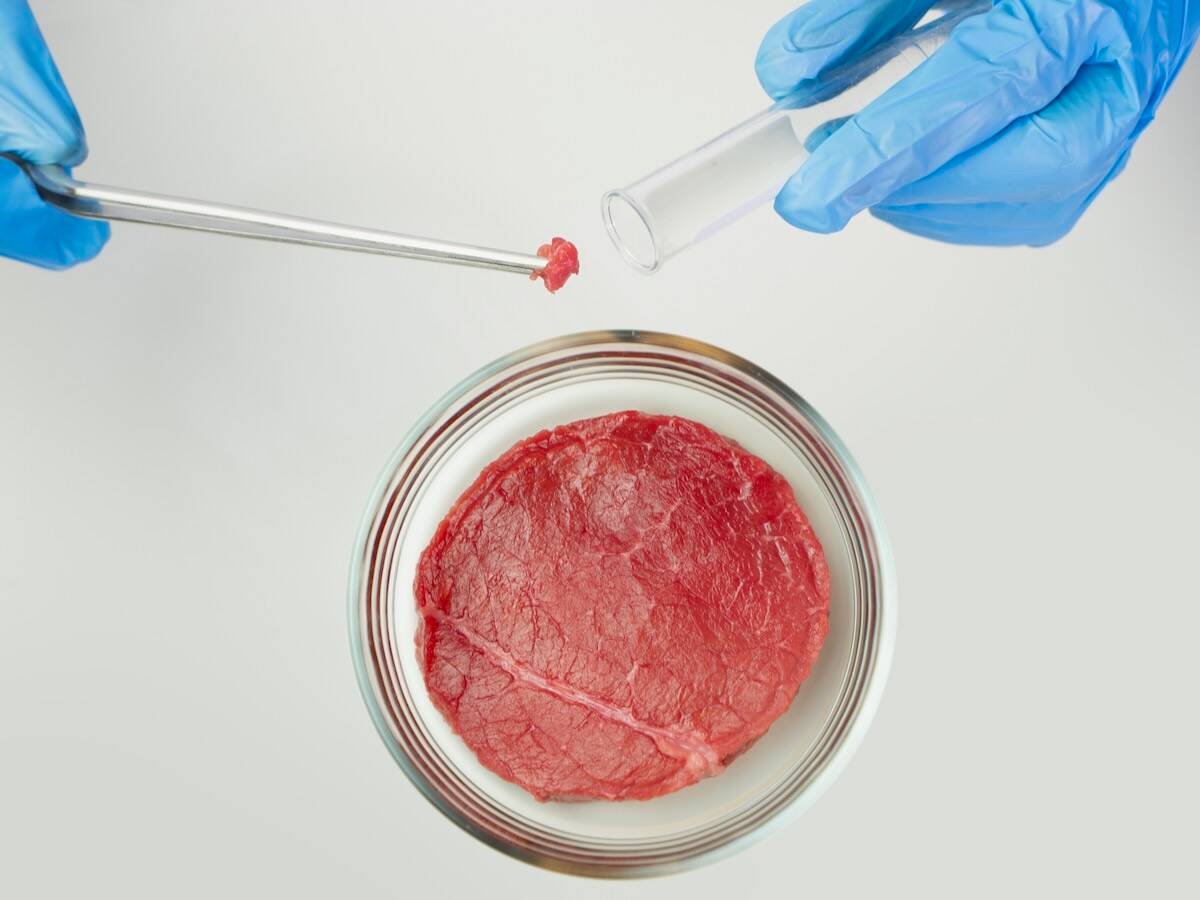
Cultivated meat has attracted significant attention over the past decade, but the country-level regulatory approvals needed to produce it remain limited. Photo: Marco de Benedictis/iStock/Getty Images
Growing barley outdoors isn’t energy-intensive and significantly lowers production costs over indoor production, and both Örvar and Ólafsdóttir believe ORF can eventually produce large quantities of growth factors on comparatively small land areas.
While cultivated meat has attracted significant attention over the past decade, regulatory approvals remain limited globally and commercialization has been slower than many early advocates predicted.
To date, only Singapore, the United States and Israel have approved the commercial sale and human consumption of cultivated meat products. At the same time, investor enthusiasm has cooled, with Ólafsdóttir noting that much of today’s investment capital is being directed toward sectors such as artificial intelligence and defense.
While continuing to support cultivated meat developers around the world, the rest of ORF’s business focuses on supplying growth factors for stem cell research and medical applications to customers in Europe, Asia, Australia and North America.
Despite the challenges around cellular meat, both Ólafsdóttir and Örvar remain convinced the technology has an important role to play alongside conventional agriculture.
“We don’t foresee a future where people only eat cultivated meat,” said Ólafsdóttir. “People want choices.”
“We are not trying to replace traditional meat production,” added Örvar. “But with growing populations, limited land and water resources, and the need to reduce emissions, we need additional options.”
The post How barley is helping grow meat without raising animals appeared first on Farmtario.


