
Words by Julia Webster Ayuso with photography by Erwann Petersen
This story was featured in Unwoven Issue 03, Textile Exchange’s annual magazine. Read the full issue here.
In France, the new Repair Bonus (Bonus Réparation) is making it cheaper for customers to mend their clothes and shoes while preserving a fading craft. Part of the country’s anti-waste law, the scheme is boosting business, attracting new customers, and showing how targeted policies can drive both sustainability and skilled trades forward.
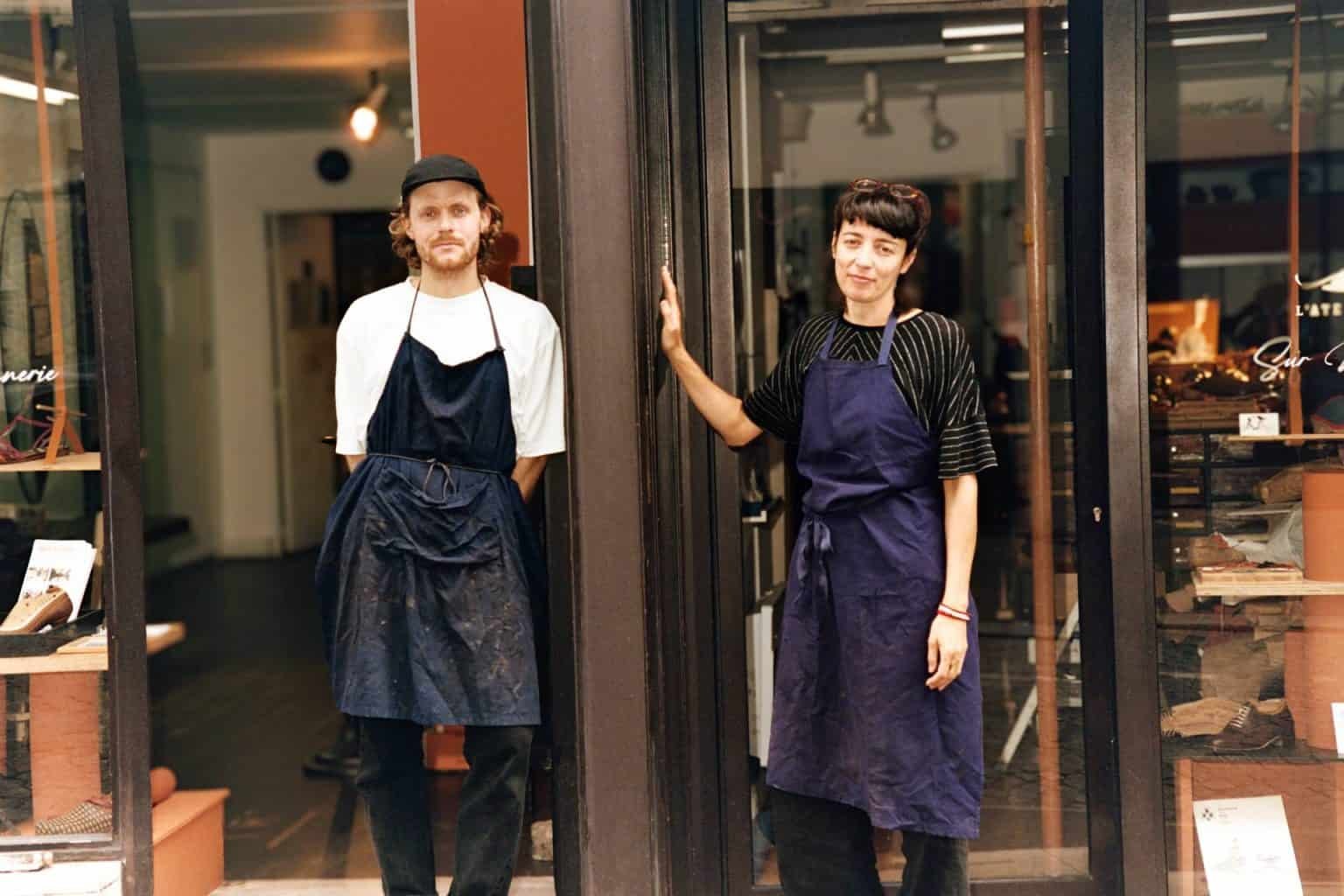
In her cobbler’s workshop in Paris’s 18th arrondissement, Isabel Arnoult picks up a pair of black men’s Oxford shoes that need a new lease of life. It’s a simple fix: adding a protective rubber sole. The repair usually costs €30, but thanks to a government subsidy, the customer gets a €8 discount. “It’s a very common request, and for the customer, it’s very cost-effective,” she says.
Cobblers across France are finding renewed purpose in a shifting fashion landscape. Since the introduction of France’s anti-waste law for a circular economy (AGEC) in late 2023—which includes the Repair Bonus that allows people to claim back part of the cost of mending clothes and shoes—demand has surged.
Coordinated by the non-profit Refashion and funded by contributions from manufacturers and brands under an Extended Producer Responsibility (EPR) program, the discount is applied directly to the customer’s invoice at certified workshops or cobblers. It ranges from €6 for mending a tear in a garment to €25 for resoling leather shoes. The goal is to encourage people to repair and extend the life of their clothing and footwear, but it’s also helping to preserve valuable skills. In its first year, over 83% of the 826,000 repairs funded through the scheme were carried out by cobblers.
“I’ve definitely gained new customers because they heard about the Repair Bonus,” says Maximilien Mauriès, speaking over the hum of machines in his busy workshop, which occupies a picturesque blue shopfront in Paris’s Montmartre neighborhood. “It’s a small increase, but an increase nonetheless.”
“It’s very good news for us because it’s bringing in more work,” says Jean-Pierre Verneau, the president of the French Federation of Shoemakers and owner of a cobbler’s shop in Le Mans. “On average, we’ve seen a 15 to 20% increase in revenue, which is significant.”
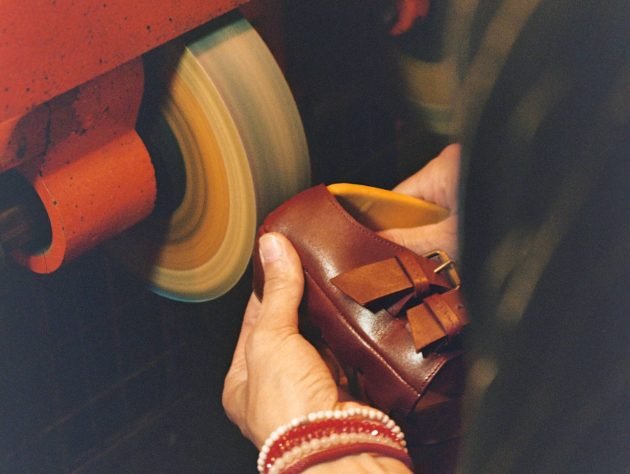
Shoemaking, he explains, accounts for most of the repairs, since it’s a more technical trade than clothing alterations and requires specialist tools. “You can’t really DIY when it comes to fixing shoes.”
France throws away around 700,000 tonnes of clothing each year—a problem that came to a head this past summer with protests from Le Relais, a major player in textile recycling, which warned that the system was “on the verge of collapse.”
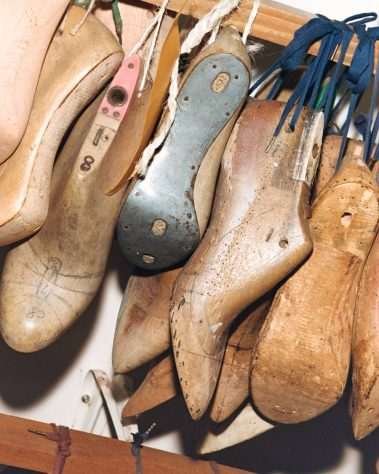
In response, the French government pledged €49 million in aid to support the collection and sorting of textile waste. In a country known for protecting craftsmanship, shoemaking has become increasingly rare. In 1950, France had over 50,000 cobblers, making them a fixture on every street corner. But years of declining demand, fast fashion, and changing consumer habits pushed many to the brink—with some even turning to locksmithing and other trades to stay afloat.
“The French are still generally quite sensitive to craftsmanship, but shoemaking and repair trades have long been undervalued,” says Elsa Chassagnette, the Repair Fund Manager at Refashion, the non-profit that runs the scheme.
“We’re working to restore their value in the context of a circular economy, where they take on new meaning. We want to show that having your shoes repaired is extremely eco-friendly.”
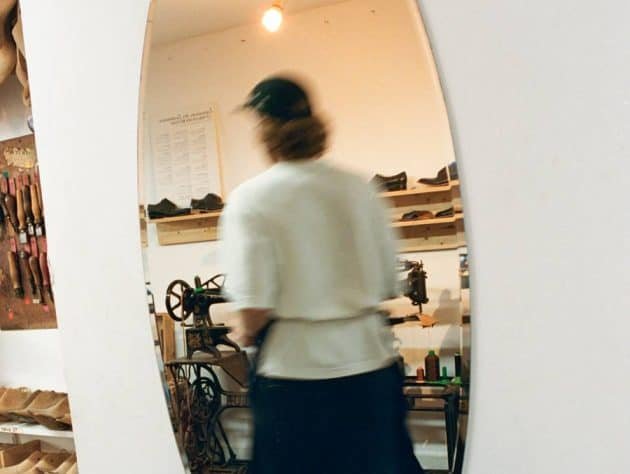
Today, the number of cobblers in France has dwindled to 3,500, but that number has remained stable for the past decade. “Customers are slowly becoming more eco-conscious,” says Jean- Pierre. “It’s been happening for a while, but the Repair Bonus has accelerated it. Over the last few years, people have begun turning away from fast fashion and toward higher-quality shoes. And higher quality, by definition, means more repairs.”
Since its launch nearly two years ago, around 700 cobblers have joined the Repair Bonus program—but not everyone is convinced. Some argue the system, which requires logging each repair and receipt into an app, is too time-consuming and not financially worthwhile. “It’s an added administrative burden; taking pictures of everything takes time,” says Isabel. The profession remains old-fashioned, and many shops are run by older artisans who are digitally inexperienced. “Unfortunately, many of our colleagues don’t even have a computer,” adds Jean-Pierre.
In recent years, though, a younger generation has rediscovered the craft. Rather than closing down, many workshops are being taken over by younger shoemakers, and most new entrants to the trade sign up for the Repair Bonus right away, says Jean-Pierre.

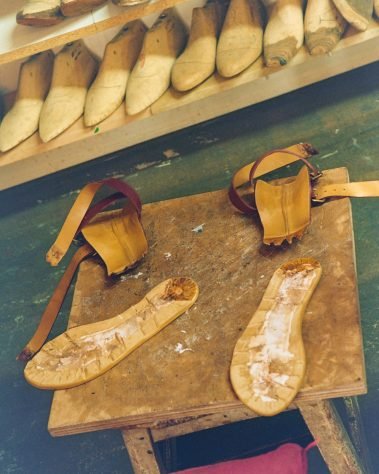
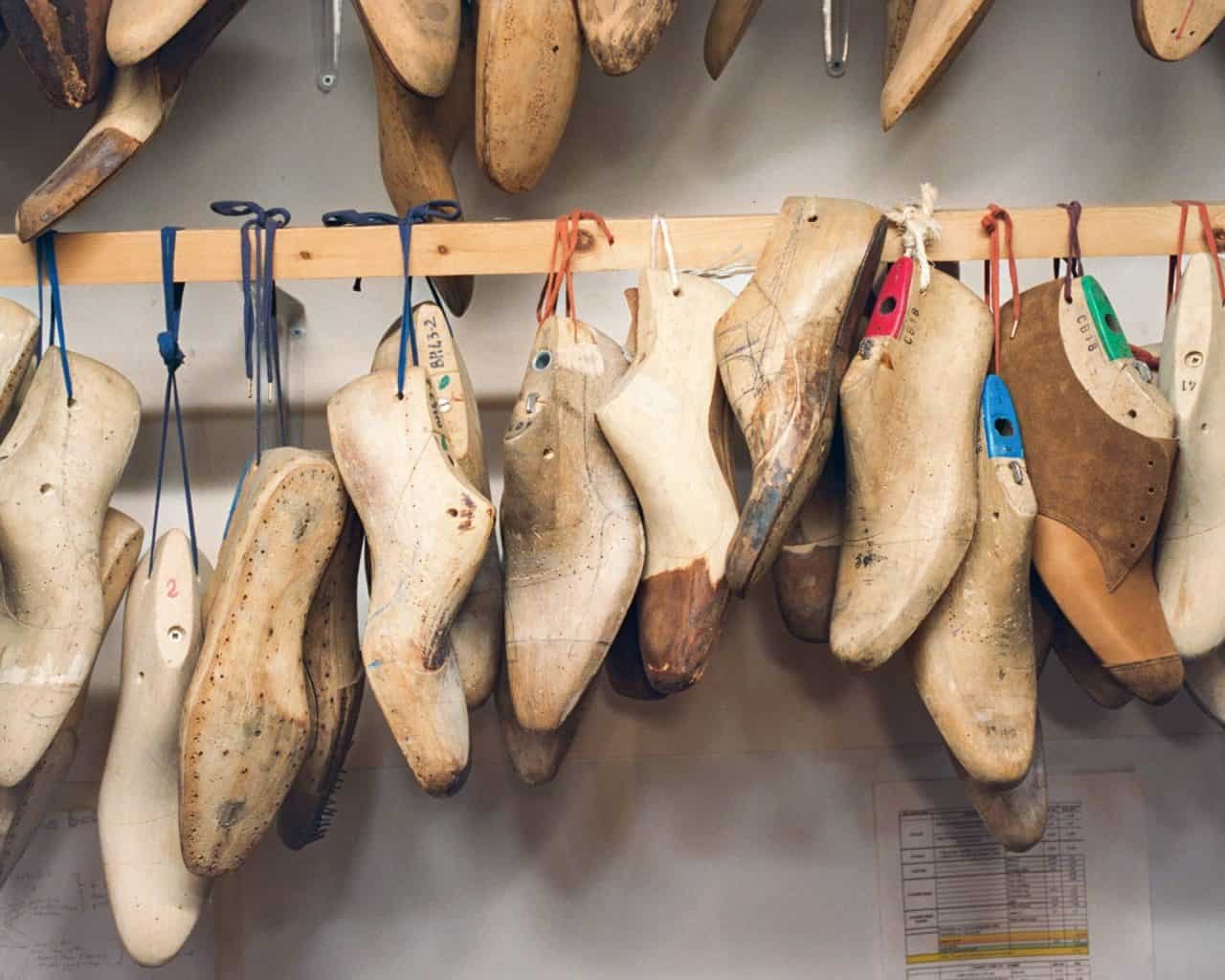
An increasingly sustainability-focused clientele has also forced cobblers to adapt to new types of footwear. As sneakers become more expensive, repairing them has become a cost-effective option, and cobblers have learned to bring them back to life. French sneaker brand Veja, known for its responsible production practices with farmers in Brazil, has embraced the trade, opening repair-focused cobblers in France and beyond, including in its shops in Berlin, Madrid, and New York.
“Shoemaking is slowly coming back into fashion,” says Jean-Pierre. “There are plenty of cobblers eager to satisfy their customers and push the craft forward—after all, we’ve always been part of the circular economy.”
Governments around the world are watching closely as France’s Repair Bonus demonstrates how targeted laws can drive positive change in the textile industry. “The Repair Bonus is a world first,” says Elsa. “And it’s of great interest to our European neighbors. I’ve had lots of discussions with people from different neighboring countries about it.”
By making repairs cheaper for consumers and viable for small businesses, financial incentives not only encourage sustainable choices but could also offer a solution for preserving local crafts. Applied more widely to other areas of the fashion industry—from rentals to resale and recycling—similar measures could be key to making circularity feel as natural as buying something new.
This story was featured in Unwoven Issue 03, Textile Exchange’s annual magazine. Read the full issue here.
The post How France’s anti-waste laws are boosting small repair shops appeared first on Textile Exchange.


