
Ottawa is home to over one million residents and the seat of Canada’s government. By population, it’s the fifth-biggest city in Canada and second in Ontario.
It’s also 80 per cent rural.
Ottawa’s municipal boundaries stretch far beyond the city’s downtown core and suburbs, into farms and rural communities south, west and east. For producers in the area, this division can create challenges in city hall.
Policy in Ottawa, including issues of zoning, land use and road infrastructure, tends to skew toward the city’s urban residents. But despite these challenges, Ottawa may also present a blueprint for cities with a rural/urban split as residents go to the polls this fall.
Why it matters
Municipal elections are set for October 2026 in Ontario, giving producers a chance to get their voices heard in city hall. In Ottawa, where wide boundaries put farmers in the minority on an urban-majority council, rural representatives say the fight to be heard on roads, zoning and farmland is one other Ontario communities will recognize.
Wider boundaries, wider problems
Nineteen of Ottawa’s 24 wards are urban or suburban, five rural. Rural councillors say communicating the concerns of Ottawa producers in city hall has not always been easy.
One of those rural councillors is David Brown, first elected in 2022 in Rideau-Jock ward southwest of the city. Brown described himself as a “part-time farmer, full-time politician,” as he still farms cattle and laying hens.
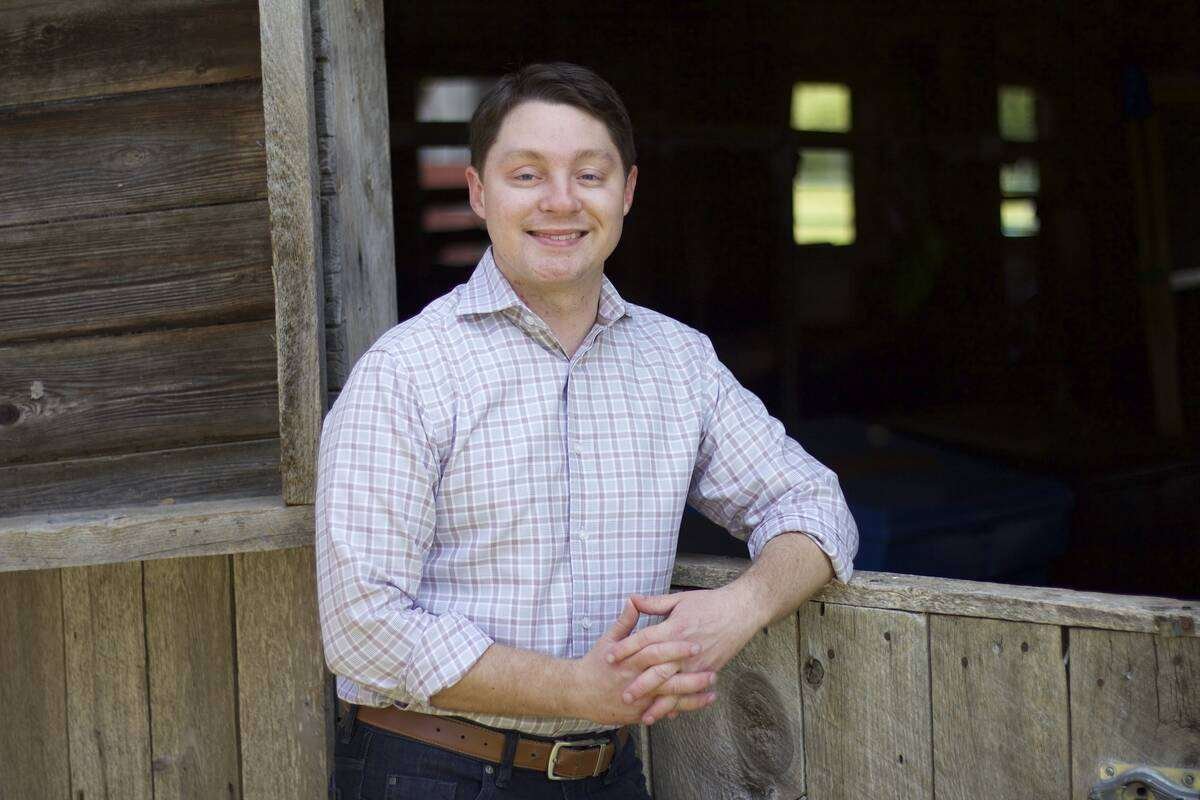
“That’s what I went to school for, and that’s what I grew up doing,” Brown said. “The only reason I’m out of dairy farming now is because I jumped into politics.”
He said this experience has helped him understand issues facing producers in the area.
“It’s a small number of people who are actively working a large area,” he said. “So, it’s different, I think, to a lot of issues that come up in a big city.”
The Ottawa public service, Brown said, was constructed to cater to the city’s majority urban population, leaving rural residents at a disadvantage.
He said it’s sometimes an uphill battle convincing other councillors of how decisions could affect producers or rural residents.
“A couple of years ago, there was a plan for a roundabout that was approved prior to my time on council,” Brown said, “and before they built it, I looked at the plans and I said, ‘this is not going to work for the farmers in the area, me being one of them.’ Because I have to go through that roundabout every day.
“It took me eight months to get city staff and the private sector consultants on board.”
His method of convincing them: getting a friend to drive through the proposed roundabout in a 1997 Case IH tractor, who proceeded to crush every concrete form under his tires.
“I’ll never forget it,” Brown said. “One of the city planners stood next to me and said, ‘Well, do you think he’s coming back?’ And I said, ‘I think he’s done all he needed to do.’”
Road maintenance is one of the main issues that affects rural and urban residents differently. Isabelle Skalski, councillor for the rural Osgoode ward, made roads central to her campaign in the 2025 byelection in which she won her seat.
While poor road conditions could mean an inconvenience for some commuters, they could mean much greater losses for farmers who depend on roads to move equipment between fields.
Cornwall-area crop farmer Sam McDonell, who also serves as a municipal councillor in South Glengarry, around 90 minutes east of Ottawa, echoed Skalski’s concerns about the treatment of roads.
He said he often hears concerns from Ottawa-area farmers about the southern stretch of Bank Street, which runs all the way from Parliament Hill to the St. Lawrence River, cresting communities like Greeley and Winchester.
“Once they get out into the rural side, it’s just not a priority for them,” he said.
He said municipalities do not always understand how road work could affect the lives of producers.
Hands off Ottawa’s farmland
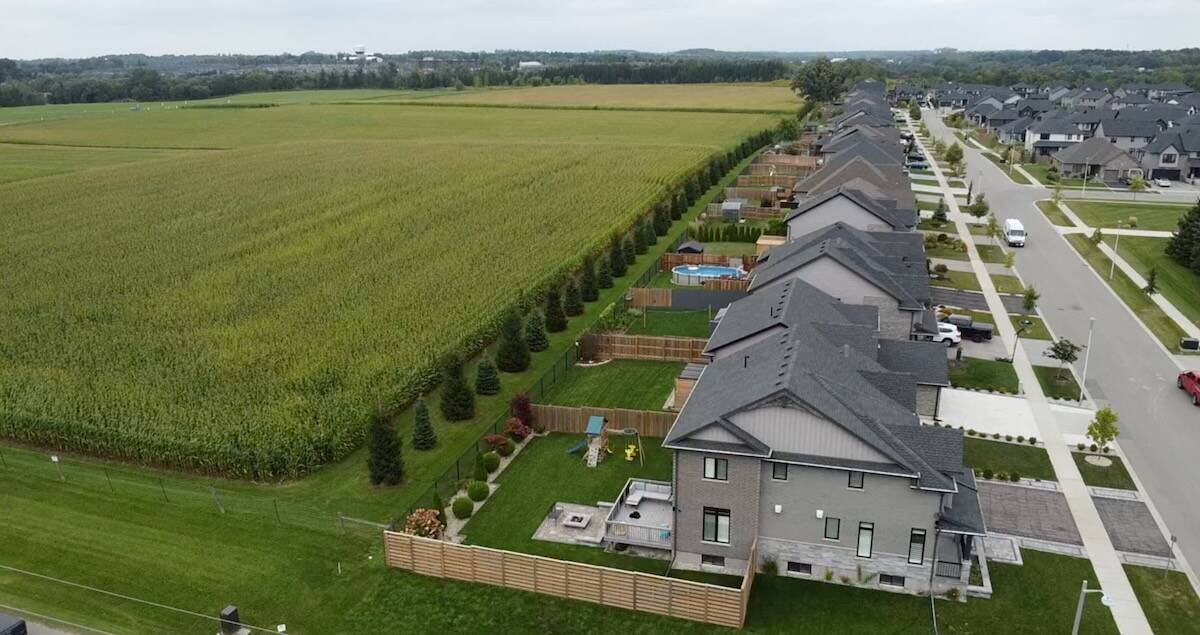
Land use and development have also led to disconnects between the rural and the urban in Ottawa.
“We have vast tracts of land that have been cleared and are perfect for building,” Brown said, “but they’re also perfect for growing Ontario’s food supply.”
He said developers are now offering the city higher and higher prices to owners for agriculturally zoned land. And it doesn’t stop there: some are now going to the province, asking for expansions to urban boundaries.
Fortunately, council has unanimously rejected these calls.
“God isn’t making land anymore,” Brown said. “So, what we’ve got is what we’ve got. And if you’re going to pave over Ontario’s food supply, I think we’re going to be in a pretty rough way.”
Skalski said she saw a similar collision of priorities in a debate over zoning for battery storage near the Trail Road Landfill in Rideau-Jock.
“As rural councillors, we can stand firmly against some of these developments, but they do get overturned by council,” Skalski said. “So that’s kind of an example of where you feel the minority position.”
What smaller councils do differently
Angela Field, a farmer and city councillor in the neighbouring municipality of Admaston/Bromley can attest to this.
“In Admaston/Bromley, we’re very cognizant of the importance of agriculture,” Field said. “Our municipality is almost 50 per cent ag land, currently our mayor is a farmer, I’m a farmer.”
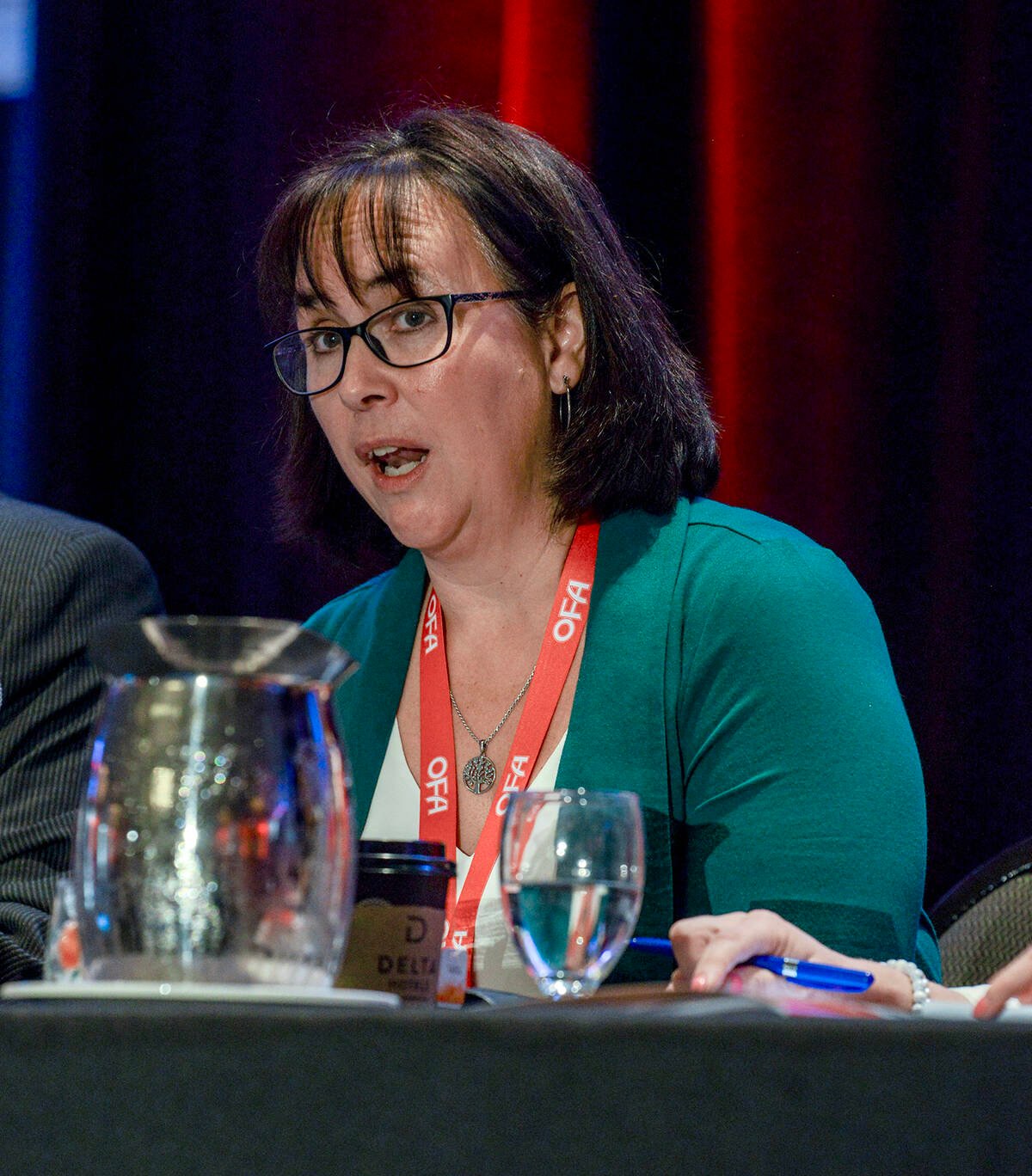
Field previously spent a year working with the Ottawa Federation of Agriculture. During this time, she said she saw a disconnect in the area between those who farm and those who don’t.
Land use was one of the biggest gaps, as developers continued to eye agricultural land.
“We as municipalities need to stop looking at farmland, working farmland as ‘undeveloped land,’” she said.
Town councils like Admaston/Bromley’s have the benefit of a familiarity with the land, unlike Ottawa, where urban councillors must travel farther outside their zones to understand issues (like the impacts of a roundabout) for themselves.
“We will look at severances on what is actually functioning ag land, and we’ll say ‘no,’” Field said. “But then we’ll also look at it and say, ‘well, it’s classified as ag land, but you can’t actually grow anything on it, because it’s a rocky end of the field, or there’s two creeks that run through it.’”
She said urban councillors don’t always understand how zoning laws could affect producers.
“We can’t just say ‘don’t build on ag-zoned land,’ but we need to work at limiting the urban sprawl. Think about intensification in cities instead of just constantly building out, building out, building out.”
Field said she remembered driving through the Kanata area west of Ottawa when she first moved to the area.
“It was all cornfields, and at the time the Corel Centre,” she said. “And now when I drive in from Renfrew, wow, it’s all gone.”
Ottawa can show others how it’s done
Despite the challenges, there are paths for producers to have their concerns taken seriously at the municipal level, and Ottawa could provide a template for how to do it right.
Both Brown and Skalski said they have seen the rest of city council, including the mayor, take rural needs seriously.
The city even has a baked-in support for its rural zones, with a rural representative embedded in every department to offer perspective.
Field encouraged producers to get involved in municipal politics where they can, including the Ottawa agriculture committee.

“As fewer and fewer of us are out there producing and working the farms, that means there’s less and less on our councils and advisory boards, and are we really need to get our voices out there,” she said.
“We don’t have time. None of us have time,” Field continued. “It doesn’t even matter what industry you’re in. Nobody has time for municipal politics, but we need to make the time.”
Field said she saw a way Ottawa could set a positive example for other cities, and it stems from one of the municipality’s unique features.
One of the largest landowners in the City of Ottawa is the federal government. Much of that land is managed by the National Capital Commission (NCC), a Crown corporation which acts as the main federal urban planner in the area.
This unique arrangement has led to tensions of its own, and Field argued the federal government must be on board with proper land use and preservation. But she also said it has also come through as a positive for agriculture in the area.
“They need to make sure that their bylaws and their regulations aren’t extremely limiting or tight for the farmers,” she said. “But it is doable. It is clearly doable.”
She mentioned Nepean’s Blackrapids Farms, located on NCC land, as an example of a positive collaboration.
“Maybe Ottawa could even be a handbook on how to do this,” she said, “maybe, if Toronto had been a little more forward-thinking like Ottawa and preserved some of that land, you wouldn’t have the hundreds of thousands of acres literally subdivided and built up now.”
This s part of a continuing series leading up to Ontario’s October municipal elections.
The post In 80-per-cent-rural Ottawa, farmers battle to be heard at city hall appeared first on Farmtario.


