
A room can have beautiful furniture, stylish lighting, and expensive decorations, yet still feel incomplete. The missing piece is often something simple, natural, and full of life. Greenery has a remarkable way of softening hard surfaces, adding texture, and making a home feel warm and welcoming. Even the smallest apartment can feel fresh and vibrant with the right arrangement of houseplants.
Indoor plants do far more than fill empty corners. They create visual interest, improve the atmosphere, and bring a calming presence into everyday living spaces. From compact succulents to dramatic tropical varieties, there are endless ways to incorporate greenery into interior design.
The best part? Creating a stunning plant-filled home does not require professional decorating skills. A few thoughtful placements can completely change the personality of a room. Some of the most impressive transformations come from surprisingly simple ideas. The first one might be exactly what an ordinary space has been missing.
Create a Living Room Focal Point With Tall Greenery
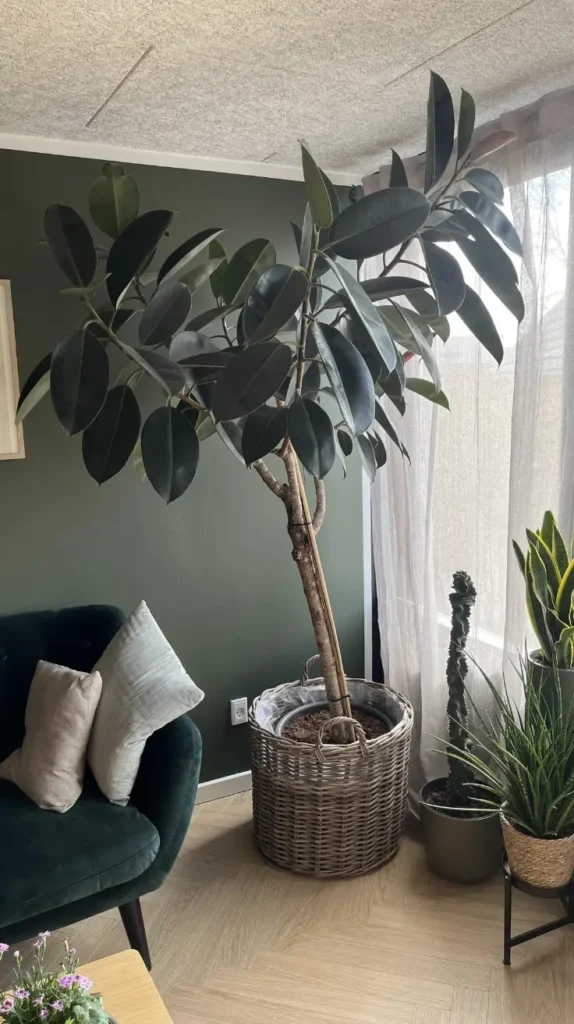
Large statement plants instantly draw attention and help anchor a room. Instead of relying solely on artwork or decorative furniture, a tall indoor plant can become the centerpiece of the entire living area.
Popular choices include fiddle leaf fig, rubber plant, bird of paradise, and dracaena. These plants add height, structure, and visual balance while introducing natural beauty into modern interiors. Positioning a large plant near a sofa, reading chair, or window creates a sophisticated and inviting atmosphere.
Decorative planters play an important role as well. Woven baskets, ceramic containers, and minimalist pots can complement existing décor while highlighting the plant’s shape and texture. The combination of greenery and stylish containers creates a layered design that feels intentional and polished.
Many homeowners discover that one large plant often makes a stronger impact than several smaller decorative accessories scattered throughout a room.
Style Floating Shelves With Layers of Green
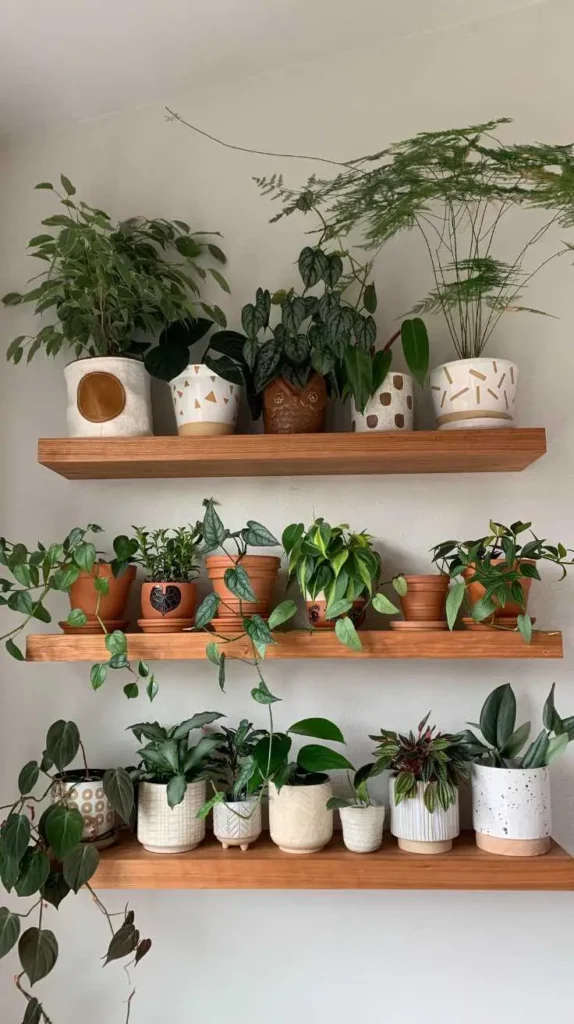
Floating shelves provide the perfect opportunity to showcase indoor greenery without taking up valuable floor space. By combining plants with books, candles, and decorative objects, shelves become dynamic design features rather than simple storage solutions.
Trailing varieties such as pothos, string of pearls, and heartleaf philodendron work especially well because their vines naturally cascade over shelf edges. This creates movement and softness while adding depth to the display.
Mixing different leaf shapes, colors, and textures produces a more interesting arrangement. Small succulents can sit beside larger leafy plants, creating contrast that catches the eye. Natural materials such as wood shelves enhance the organic appeal and strengthen the connection between interior décor and nature. A carefully styled shelf often becomes a conversation piece, proving that even small plants can have a major decorative impact when placed thoughtfully.
Bring Life to Empty Corners
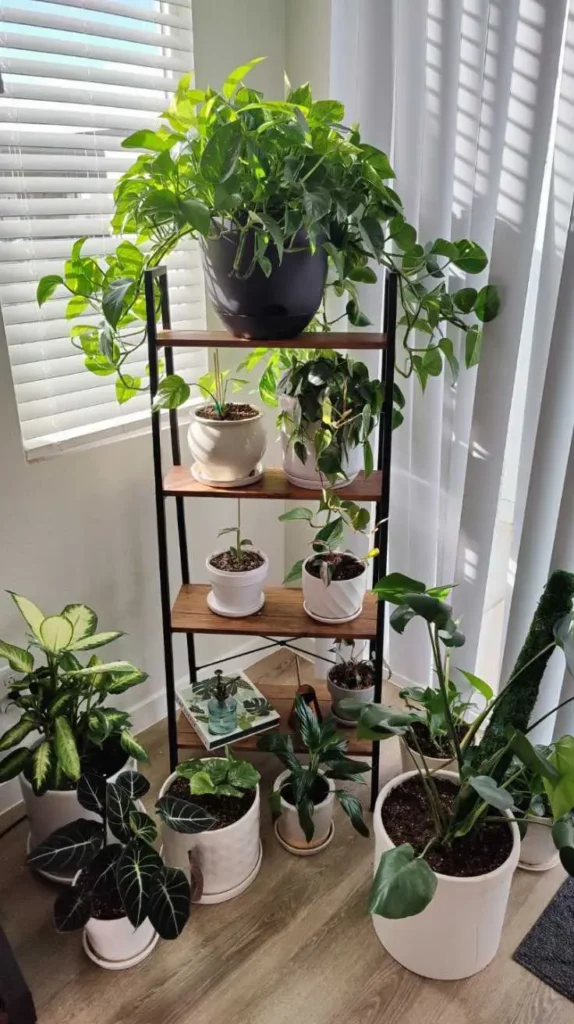
Every home has awkward corners that seem difficult to decorate. Instead of leaving these areas empty, greenery can turn neglected spaces into attractive design highlights.
A cluster of plants arranged at varying heights creates dimension and visual interest. Plant stands, stools, and decorative containers help establish layers that make the arrangement feel balanced rather than crowded.
Mixing tropical plants with broad leaves alongside smaller textured varieties creates a lush, collected appearance. Snake plants, peace lilies, and monstera varieties work beautifully in corner displays because they offer strong architectural shapes.
Natural light plays a key role in determining plant selection. Bright corners support a wider range of species, while low-light areas benefit from hardy options such as ZZ plants and snake plants. What once felt like wasted space can quickly become one of the most attractive features in the entire home.
Design a Relaxing Bedroom Retreat
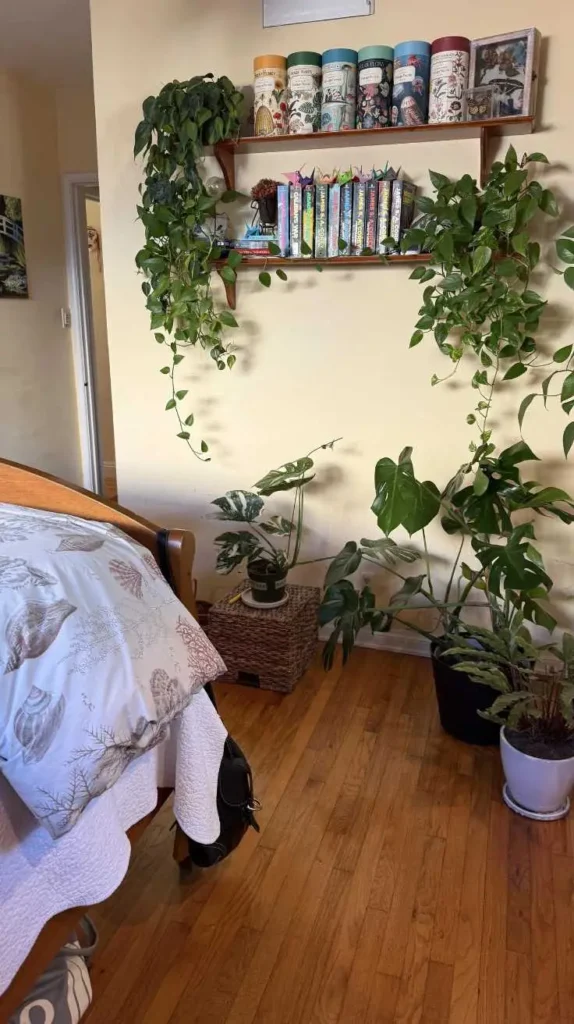
Bedrooms should feel calm, comfortable, and restorative. Adding greenery helps create an environment that encourages relaxation and tranquility after a long day.
Soft-leaved plants contribute to a peaceful atmosphere while introducing gentle color and texture. Peace lilies, pothos, and philodendrons are excellent choices because they thrive indoors and complement various decorating styles.
Placing plants on bedside tables, dressers, or windowsills creates subtle visual interest without overwhelming the room. Hanging planters can also add charm while preserving valuable surface space.
Natural elements often make bedrooms feel more inviting and connected to the outdoors. The combination of cozy bedding, warm lighting, and healthy greenery creates a sanctuary-like environment that feels both stylish and comforting. Many people are surprised by how dramatically a few carefully placed plants can change the mood of an entire bedroom.
Use Hanging Planters for Vertical Interest
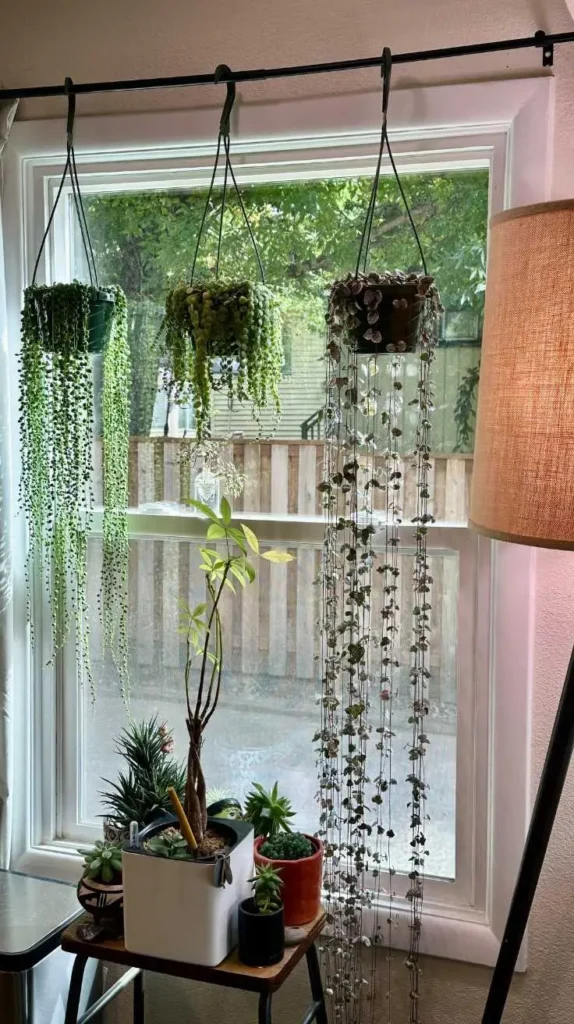
When floor space is limited, looking upward opens new decorating possibilities. Hanging planters introduce greenery at eye level while adding dimension to walls, ceilings, and windows.
Macramé plant hangers remain popular because they bring texture and personality to a room. Modern metal holders and minimalist hanging pots provide contemporary alternatives that suit a variety of interior styles.
Trailing plants perform especially well in elevated displays. English ivy, pothos, and string of hearts create beautiful cascading effects that soften architectural lines and draw attention upward.
Vertical displays work particularly well in apartments, small homes, and compact rooms where every square foot matters. Instead of sacrificing precious floor area, greenery becomes part of the vertical design strategy. The visual impact can be dramatic. A simple hanging arrangement often makes a room feel larger, brighter, and more thoughtfully designed.
Decorate Dining Areas With Natural Elegance
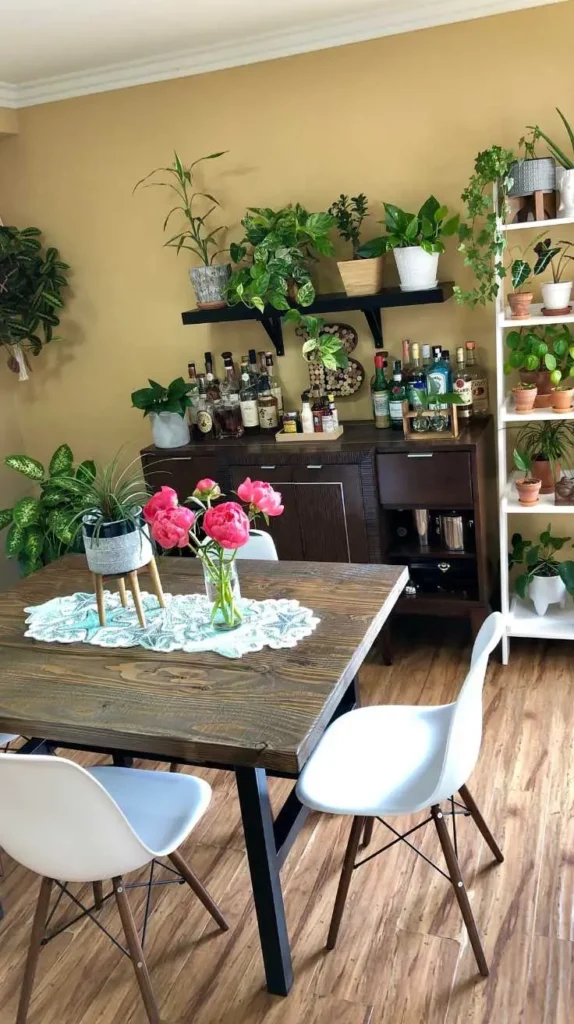
Dining spaces often benefit from a touch of greenery. Plants introduce freshness and help create a welcoming atmosphere for everyday meals and special gatherings.
A centerpiece featuring small potted plants can replace traditional floral arrangements while offering longer-lasting beauty. Herbs such as rosemary and basil provide both decorative appeal and practical value.
Larger plants positioned near dining tables help frame the space and create a stronger connection between indoor and outdoor environments. Their natural forms soften hard furniture lines and add warmth to modern interiors.
Combining greenery with natural materials such as wood, linen, and stone enhances the organic aesthetic. The result feels comfortable, sophisticated, and timeless. Guests often notice the subtle difference immediately. Dining rooms with thoughtfully placed plants tend to feel more inviting, more vibrant, and more memorable than spaces without natural elements.
Transform Bathrooms Into Spa-Like Escapes
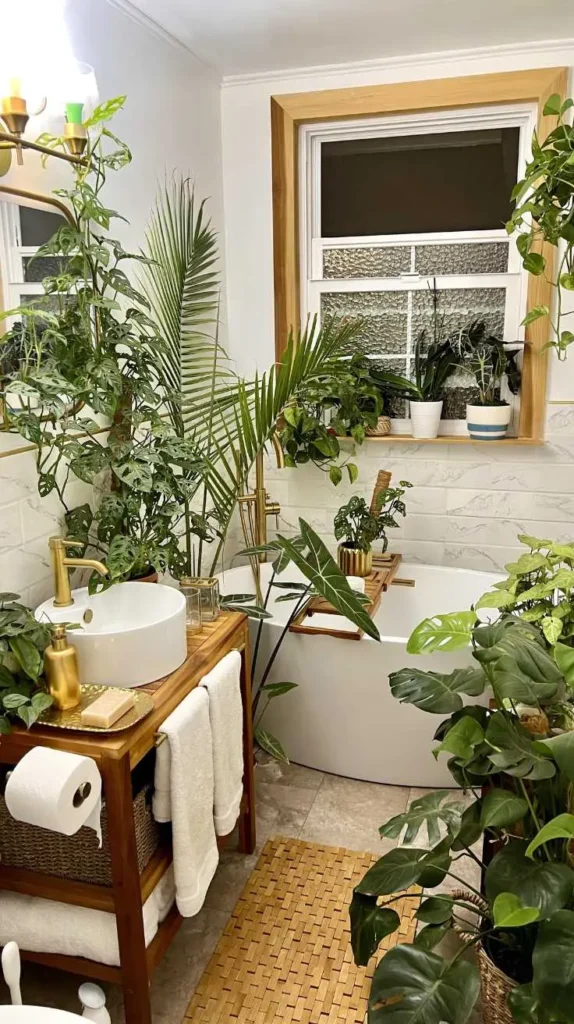
Bathrooms are often overlooked when decorating with greenery, yet they can be some of the best places for certain houseplants. The natural humidity created by showers and baths helps many tropical varieties thrive. Adding greenery instantly softens cold surfaces such as tile, glass, and stone, creating a more relaxing and luxurious atmosphere.
Plants like ferns, pothos, spider plants, and peace lilies perform particularly well in bathroom environments. A small plant on a vanity can add charm without taking up too much space, while hanging baskets introduce visual interest at different heights. Larger plants placed in empty corners can create a spa-inspired look that feels both elegant and refreshing.
Combining greenery with fluffy towels, candles, and natural materials creates a calming retreat that encourages relaxation. Even a simple plant display can make a bathroom feel more welcoming and connected to nature.
Build a Stunning Indoor Plant Wall
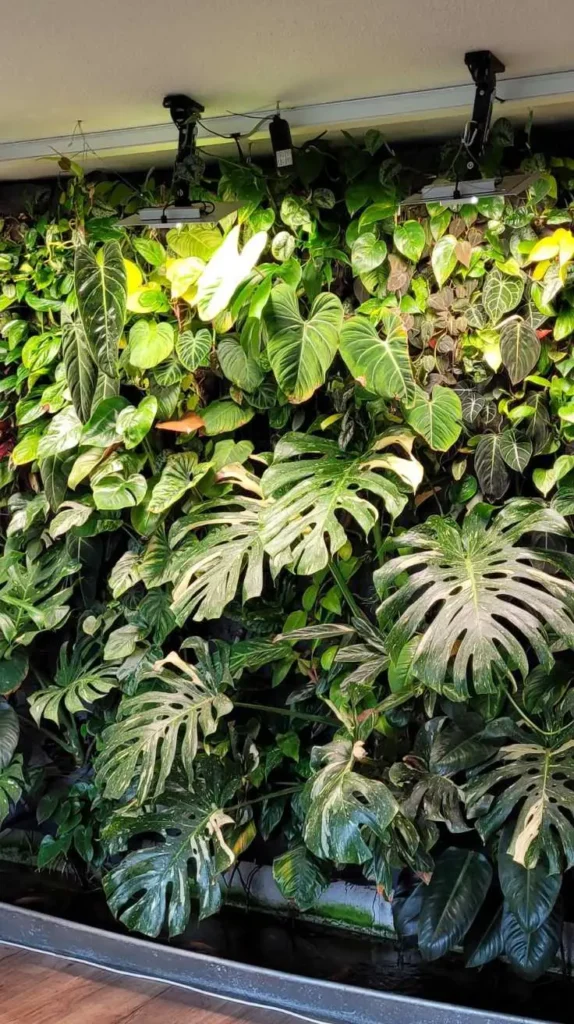
A plant wall creates one of the most dramatic decorative statements possible. Instead of displaying greenery in a few isolated spots, a dedicated plant wall turns nature into a living work of art.
Vertical plant arrangements work well in living rooms, home offices, hallways, and even dining spaces. Wall-mounted planters, floating shelves, and modular systems allow multiple varieties to be displayed together while maximizing available space.
Mixing different textures, leaf patterns, and shades of green adds depth and visual excitement. Trailing plants can flow downward while upright species create structure and balance. The result feels lush, vibrant, and full of life.
A plant wall also serves as a natural focal point that immediately captures attention. Guests often notice it before anything else in the room. With thoughtful planning and proper plant selection, a vertical garden can completely transform an ordinary wall into a breathtaking design feature.
Add Fresh Energy to a Home Office
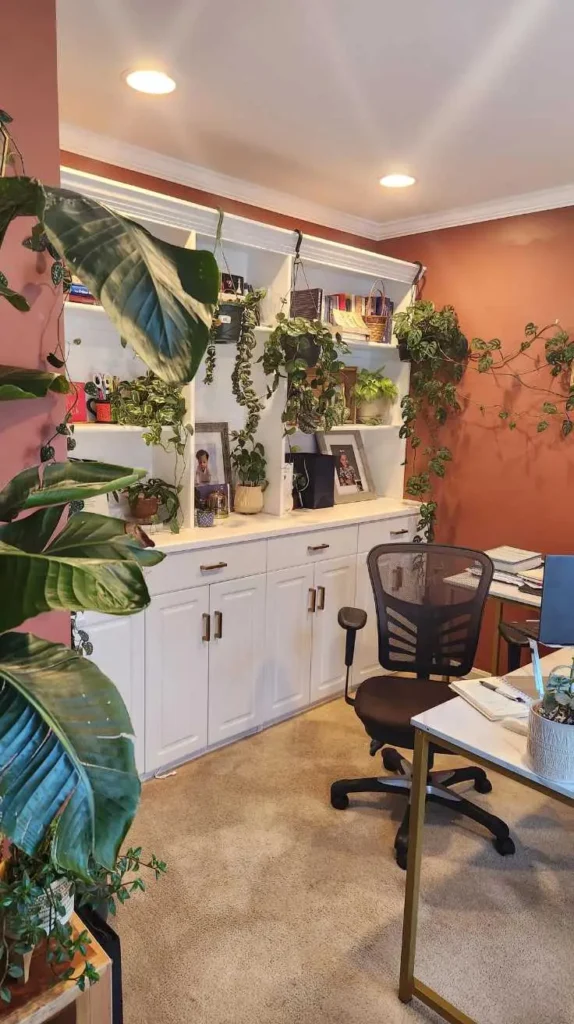
Working from home has become increasingly common, making workspace design more important than ever. Greenery helps create a productive environment while adding warmth and personality to office interiors.
Studies have shown that natural elements can help reduce feelings of stress and create a more pleasant atmosphere. A few carefully placed plants can make a workspace feel less sterile and more inspiring.
Small succulents, snake plants, ZZ plants, and pothos are excellent choices for desks and office shelves. Their low-maintenance nature makes them ideal for busy schedules. Larger plants positioned near windows can soften the appearance of office furniture and technology.
The combination of greenery, natural light, and organized décor helps create a workspace that feels both professional and comfortable. A thoughtfully designed office encourages focus while making long workdays feel more enjoyable.
Enhance Windows With Green Displays
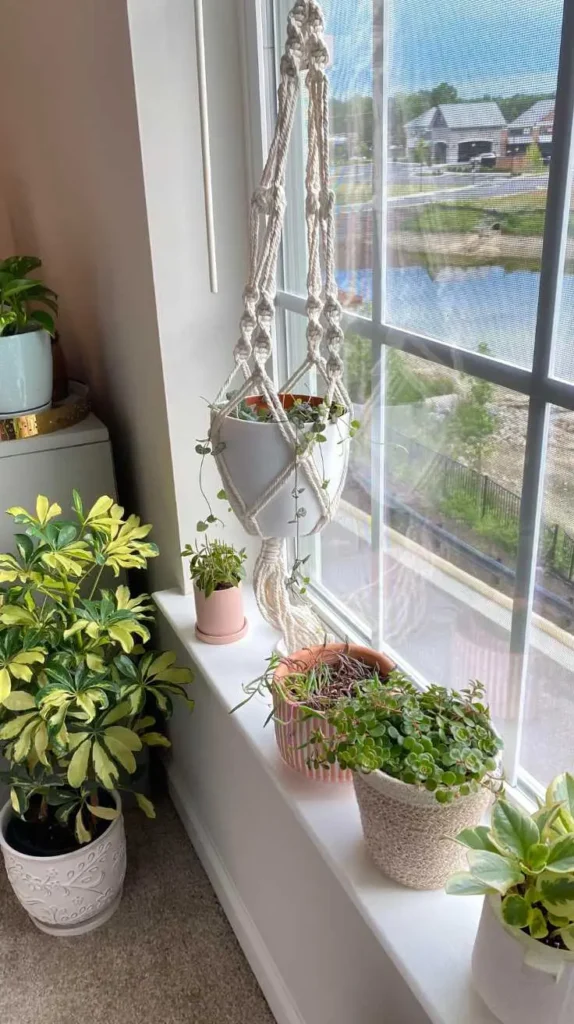
Windows provide the perfect opportunity to showcase healthy houseplants while maximizing available sunlight. A well-designed window display can become a beautiful decorative feature that changes throughout the day as natural light shifts.
Plants that enjoy bright conditions, such as succulents, cacti, herbs, and many tropical varieties, often thrive near sunny windows. Arranging plants at varying heights creates visual balance and prevents the display from appearing flat.
Decorative plant stands, shelves, and hanging containers allow multiple layers of greenery to coexist in the same area. The sunlight filtering through leaves creates interesting shadows and natural patterns that add extra character to a room.
Window displays also help blur the line between indoor and outdoor spaces. The connection to nature feels stronger, making rooms appear brighter, fresher, and more inviting throughout the year.
Mix Decorative Containers for Added Character
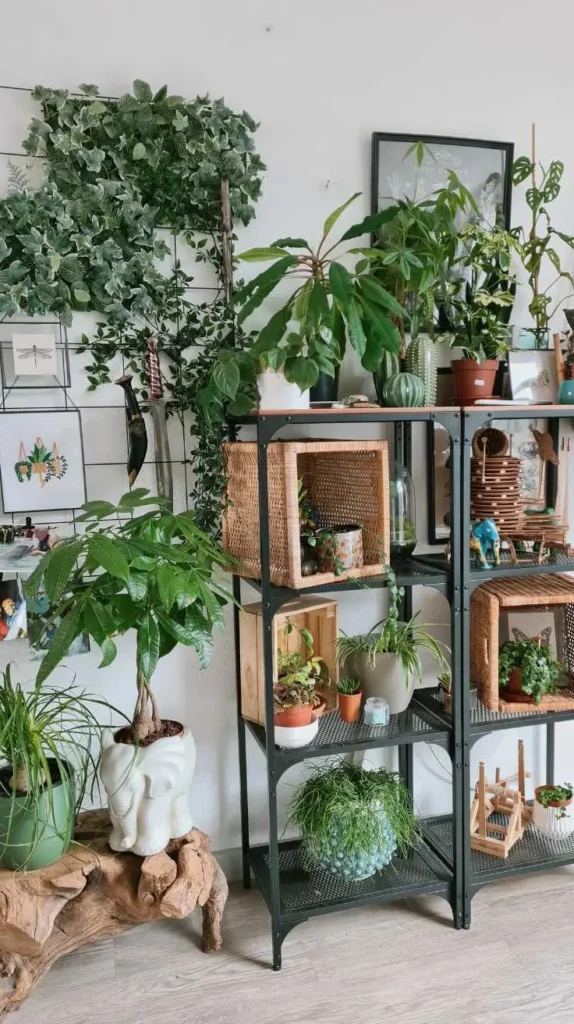
Plants naturally attract attention, but their containers contribute just as much to the overall design. A carefully selected planter can elevate the appearance of greenery and strengthen a room’s decorative style.
Combining ceramic pots, woven baskets, terracotta containers, and modern metal planters creates a collected look full of personality. Different shapes, textures, and materials add depth while preventing displays from feeling repetitive.
Neutral-colored planters work beautifully in minimalist interiors, while colorful containers can introduce playful accents. Matching planter styles across a room creates cohesion, while varied designs add visual interest and charm.
The relationship between plant and container should feel balanced. A beautiful planter complements the greenery without overshadowing it. When chosen thoughtfully, decorative containers become an essential part of the overall design story.
Create Seasonal Displays Throughout the Year
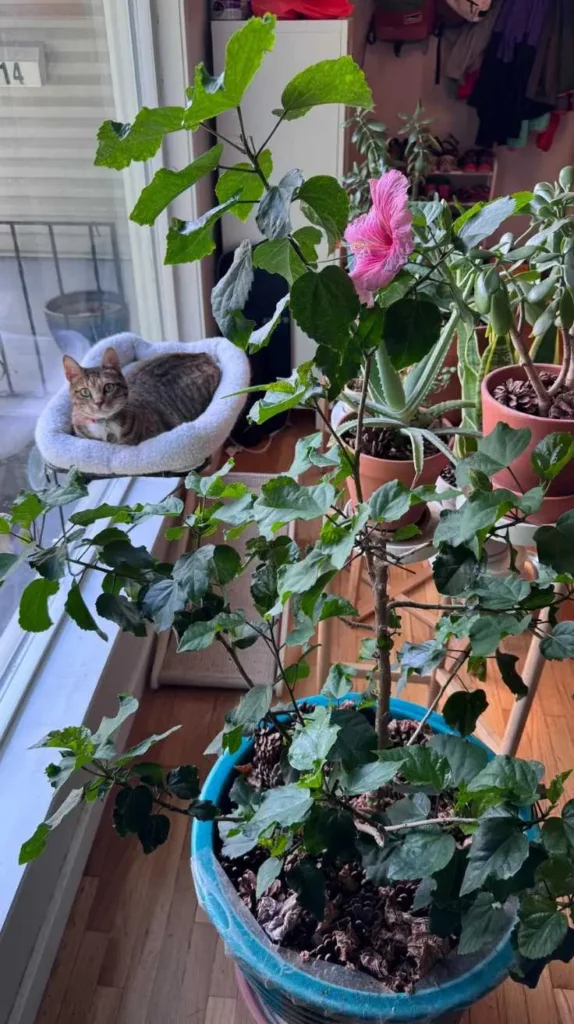
One of the most exciting aspects of decorating with greenery is the ability to refresh displays as seasons change. Seasonal arrangements keep interiors feeling current while providing endless opportunities for creativity.
During spring and summer, vibrant foliage and flowering plants can brighten living spaces with fresh energy. Fall displays often feature earthy tones, textured baskets, and warm decorative accents. Winter arrangements pair greenery with cozy lighting, candles, and natural materials to create a welcoming atmosphere.
Rotating containers, repositioning plants, and introducing seasonal decorative elements help prevent interiors from feeling stagnant. Even small adjustments can make a room feel renewed and exciting.
Greenery provides a flexible decorating foundation that evolves throughout the year. The result is a home that always feels fresh, inviting, and visually engaging regardless of the season.


