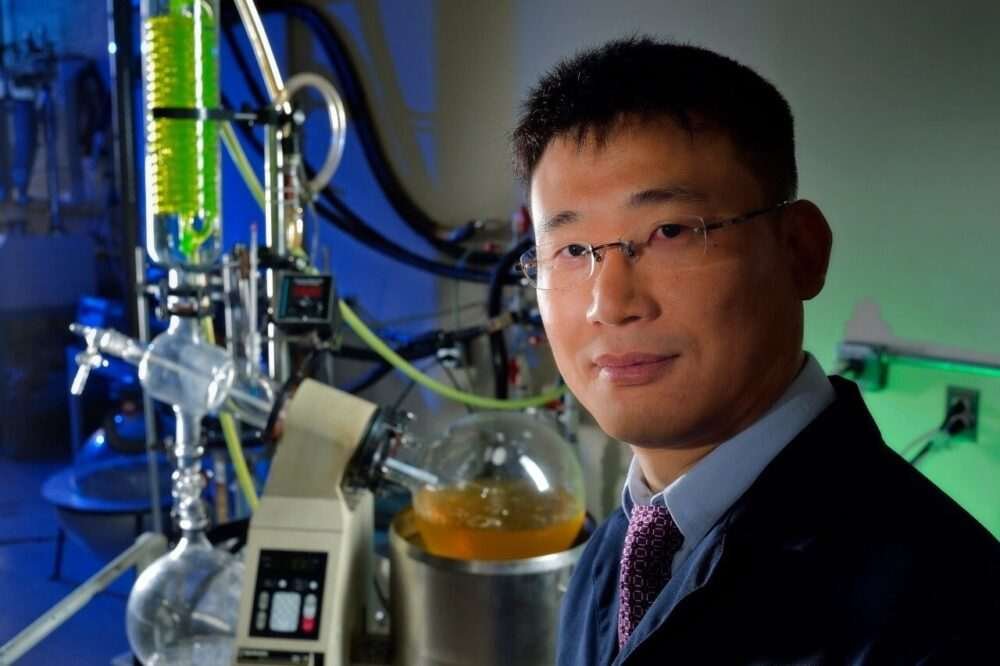
Researchers at Virginia Tech are working on a new way to make biodegradable packaging more affordable and easier to produce on a large scale. Their goal is to replace traditional plastics with environmentally friendly options that can be made quickly and without harmful chemicals.
A team from Virginia Tech’s Department of Sustainable Biomaterials developed a water-based method to create multi-layer bioplastic films. These films are strong, effective at protecting food and products, and can be made at speeds similar to current industrial processes. This new process could soon be ready for real-world use.
“Being able to produce these materials at scale and without toxic solvents is key,” said Professor Young-Teck Kim. “Our aim was to develop a process that industry can actually adopt, while also benefiting the environment. This is just the beginning, but it shows real promise for replacing traditional plastics.”
The focus is on developing bioplastics that can replace single-use plastics made from petroleum. Although bioplastics are often seen as a greener alternative, many need special facilities to break down.
The researchers combined PHA with plant-based materials and applied it with a water-based spray. The result is a multi-layer film that’s tougher and better at blocking oxygen and moisture, both important for keeping food fresh.
Using layers of different materials is a smart way to get around the limitations of single bioplastics, which often can’t do everything. By layering, they can combine the best features, like strength and resistance, into one product.
Traditional manufacturing of multi-layer packaging usually involves high heat or chemicals, which can be inefficient and harmful to the environment. The Virginia Tech process sidesteps these problems, offering a cleaner, faster way to make bio-based packaging that can keep up with existing factory speeds.
The post Innovative water process promises biodegradable packaging appeared first on World Bio Market Insights.
- Source: https://worldbiomarketinsights.com/innovative-water-process-promises-biodegradable-packaging/