
There is something special about walking into a kitchen that feels fresh, bright, and alive. A few carefully chosen plants can completely change the atmosphere, making even the smallest cooking area feel welcoming and full of personality. Green leaves soften hard countertops, colorful pots add charm, and fragrant herbs fill the air with natural scents that no artificial air freshener can match.
The best part is that creating a beautiful indoor green space does not require expensive renovations or professional decorating skills. With the right selection of plants and a few creative placement ideas, any kitchen can become a relaxing place where cooking, gathering, and spending time feel even more enjoyable. From sunny windowsills to hanging baskets and compact shelves, every corner offers an opportunity to introduce natural beauty.
Whether the goal is a modern farmhouse style, a minimalist design, or a cozy cottage atmosphere, these inspiring ideas will help transform an ordinary room into a vibrant, healthy space that everyone loves spending time in.
Why Greenery Belongs in Every Kitchen
A kitchen is much more than a place to prepare meals. It often serves as the heart of the home, where family members gather throughout the day. Adding living plants introduces color, texture, and warmth while creating a healthier indoor environment.
Plants naturally soften sharp cabinet lines and hard surfaces made from stone, tile, or stainless steel. Their vibrant foliage creates visual balance and helps the room feel calmer. Many indoor varieties also help improve air quality by increasing humidity and reducing certain airborne pollutants.
Another benefit comes from the emotional impact. Caring for greenery creates a relaxing daily routine, while fresh herbs encourage healthier cooking habits. Even a tiny apartment kitchen can feel larger and more inviting with just a few carefully placed containers.
The following ideas combine beauty, practicality, and simplicity, making them suitable for beginners and experienced plant lovers alike.
Brighten a Sunny Windowsill with Fresh Herbs
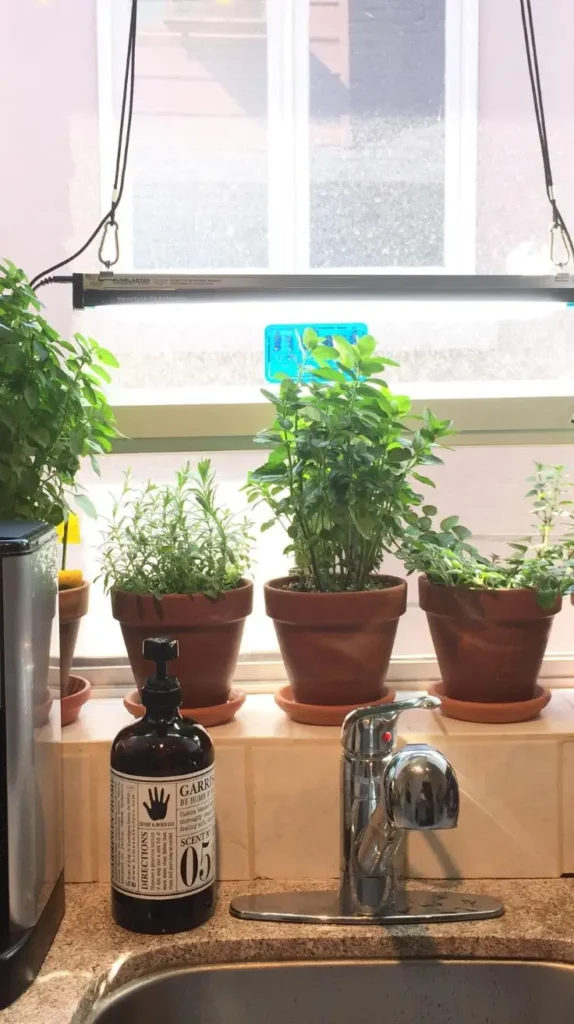
One of the easiest ways to decorate naturally is by growing herbs where sunlight is plentiful. A sunny windowsill provides an ideal location for plants that receive several hours of direct light every day. Popular choices include basil, parsley, rosemary, thyme, oregano, mint, and chives. Besides looking attractive, these herbs remain useful whenever fresh ingredients are needed for cooking.
Matching ceramic pots create a clean appearance, while small labels help identify each herb. Wooden trays keep everything organized and make watering much easier.
Fresh herbs fill the room with pleasant aromas while introducing vibrant shades of green. As they mature, regular harvesting encourages even fuller growth, making the display increasingly attractive over time. A simple windowsill arrangement proves that functional decorations can also become one of the room’s biggest highlights.
Create Vertical Beauty with Hanging Planters
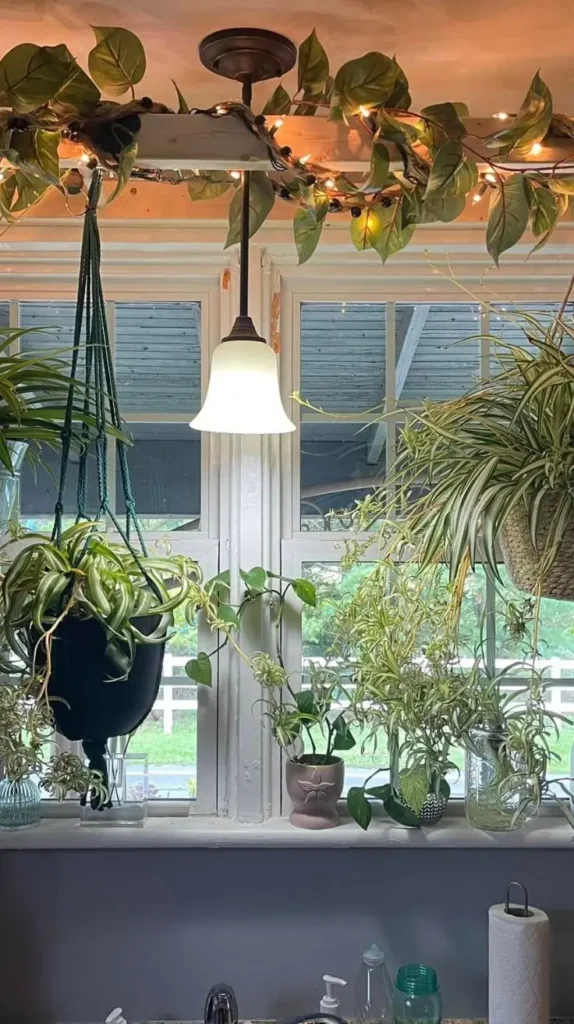
Limited counter space does not mean greenery has to disappear. Hanging planters make excellent use of empty air while creating a dramatic visual feature.
Trailing varieties naturally spill over their containers, adding movement and softness throughout the room. Their cascading vines create depth without taking valuable workspace away from food preparation.
Consider placing hanging baskets near windows where indirect sunlight remains available throughout the day. Mixing different container heights creates additional interest and prevents the display from looking flat.
Natural rope hangers complement rustic kitchens, while matte black metal holders blend perfectly with modern interiors. The result feels airy, stylish, and surprisingly spacious, even inside compact kitchens.
Style Open Shelves with Layered Greenery
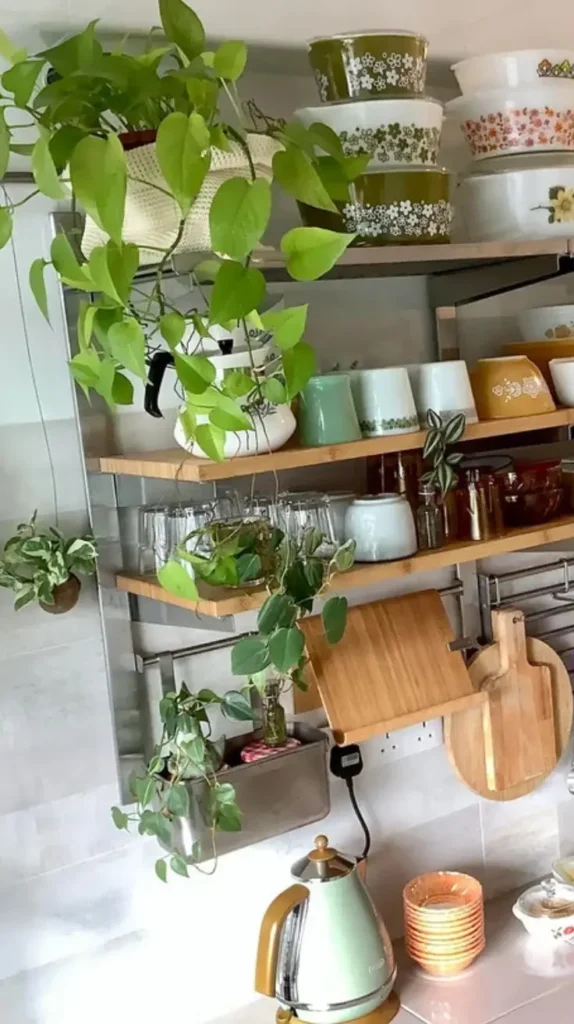
Open shelving offers an excellent opportunity to blend practical storage with natural decoration. Instead of displaying only dishes and bowls, incorporate small potted plants among everyday kitchen essentials.
Varying plant heights creates visual rhythm across each shelf. Small succulents pair beautifully with taller leafy varieties, while decorative containers add texture and personality.
Leaving some empty space prevents the shelves from feeling overcrowded. The combination of wood, ceramics, glass jars, cookbooks, and vibrant leaves produces an inviting layered appearance.
Rotating plants occasionally ensures every side receives adequate light while keeping the arrangement fresh and balanced. This simple decorating technique transforms ordinary storage into an eye-catching design feature.
Add Tropical Charm Near the Sink
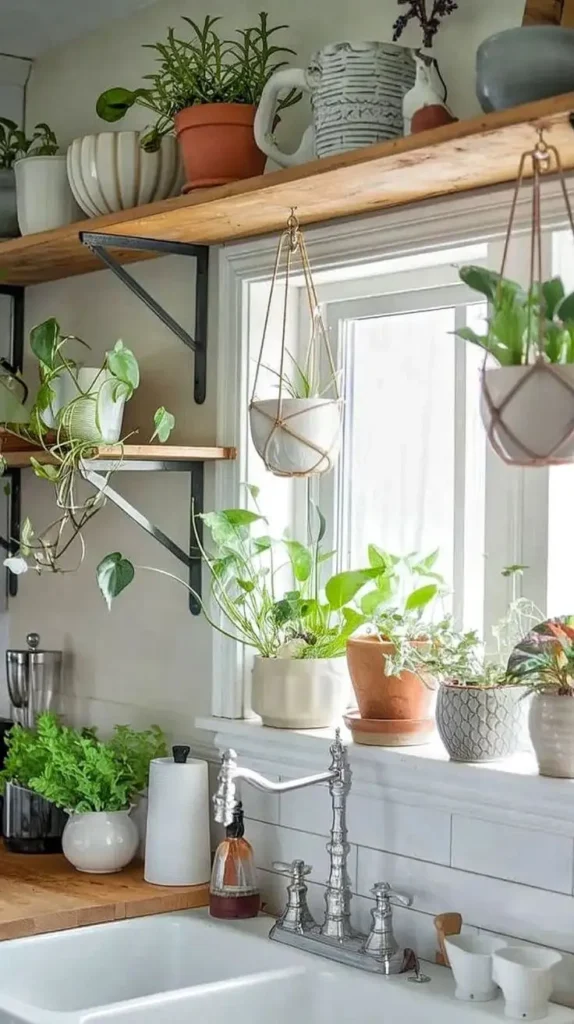
The sink area often receives indirect sunlight along with additional humidity, making it an excellent location for several moisture-loving houseplants. Lush green foliage softens the appearance of countertops while creating a relaxing view during dishwashing and meal preparation.
Plants positioned near the sink benefit from convenient watering, reducing maintenance and encouraging consistent care. Attractive waterproof containers also help protect surrounding surfaces.
Combining different leaf shapes creates visual contrast that keeps the arrangement interesting throughout the year. Larger leaves pair beautifully with delicate foliage, producing a balanced natural display. Before long, an everyday chore feels slightly more enjoyable thanks to the calming presence of living greenery.
Display Mini Plants on Floating Shelves
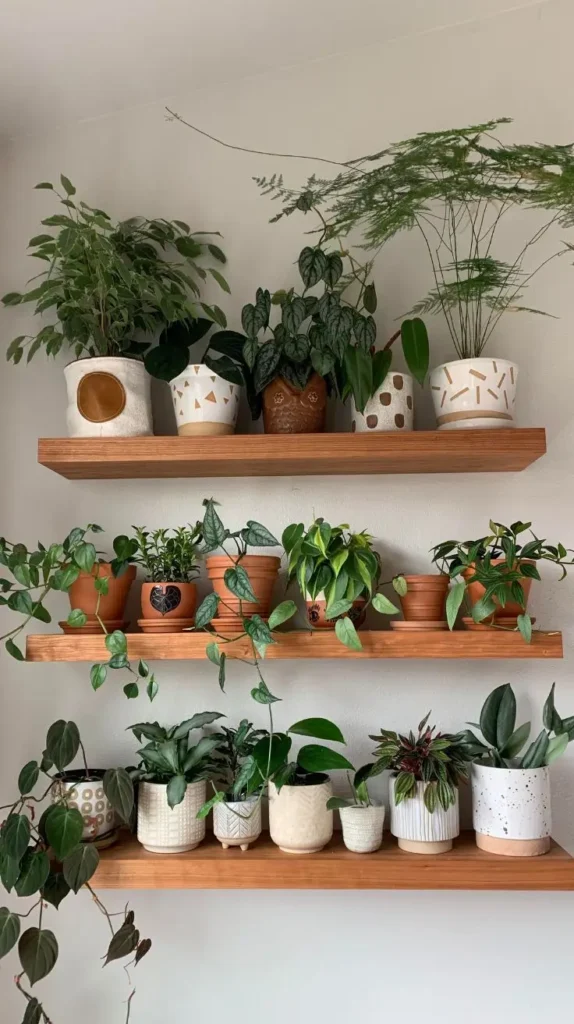
Floating shelves offer endless decorating possibilities without occupying valuable floor space. Installing one or two narrow shelves above countertops instantly creates room for decorative greenery.
Small plants fit especially well because they remain lightweight and easy to maintain. Compact containers arranged beside framed artwork, spice jars, or decorative bowls produce an elegant balance.
Using matching pots creates a clean, coordinated style, while mixing textures introduces extra personality. Ceramic, woven baskets, terracotta, and concrete containers all contribute unique visual interest. Changing the arrangement every season keeps the display feeling fresh without requiring additional purchases. Sometimes the smallest decorative details leave the biggest impression.
Bring Life to Empty Corners with Statement Plants
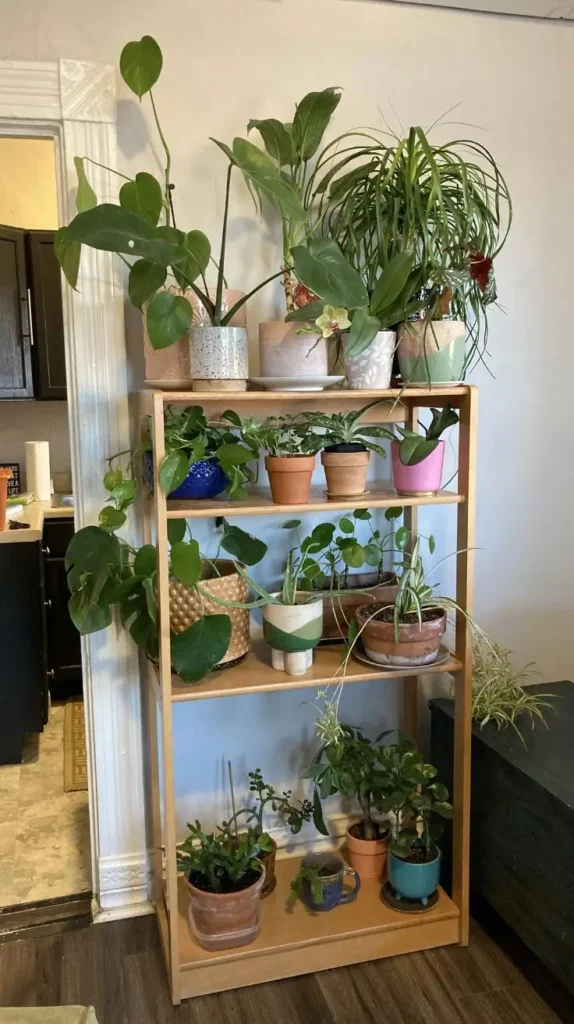
Every kitchen has unused corners waiting for creative attention. Instead of leaving these spaces empty, introduce one larger indoor plant that naturally becomes a focal point. Tall varieties add height while balancing cabinets, islands, and appliances. Their bold foliage creates an inviting atmosphere without overwhelming the room.
Selecting decorative floor planters enhances the overall appearance while protecting flooring from excess moisture. Proper placement remains important. Leave enough space for airflow while ensuring nearby walkways remain clear for comfortable movement.
A single statement plant often changes the entire feeling of the room more dramatically than several smaller decorations combined.
Mix Decorative Pots for Extra Personality
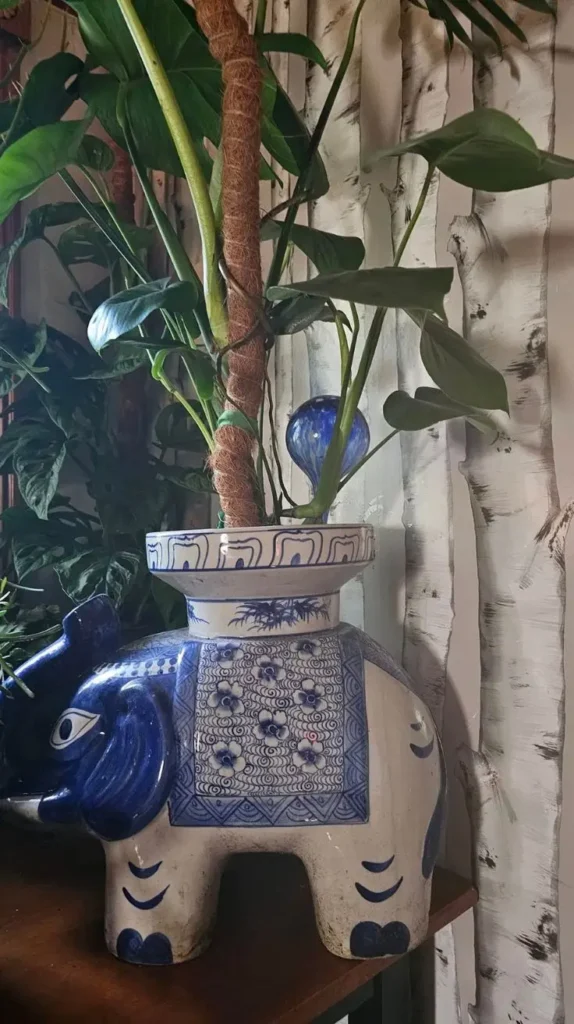
Plants deserve containers that complement the surrounding décor just as much as the greenery itself. Mixing materials such as ceramic, terracotta, woven baskets, concrete, and glazed pottery introduces texture without becoming overwhelming. Neutral colors create timeless elegance, while colorful pots add cheerful personality.
Grouping containers with similar shapes but varying heights produces a professionally styled appearance.
Drainage trays protect countertops while maintaining a clean presentation. Decorative stands can also elevate shorter containers, creating additional visual layers. The containers become part of the overall design rather than simply holding soil.
Build a Cozy Coffee Station with Green Accents
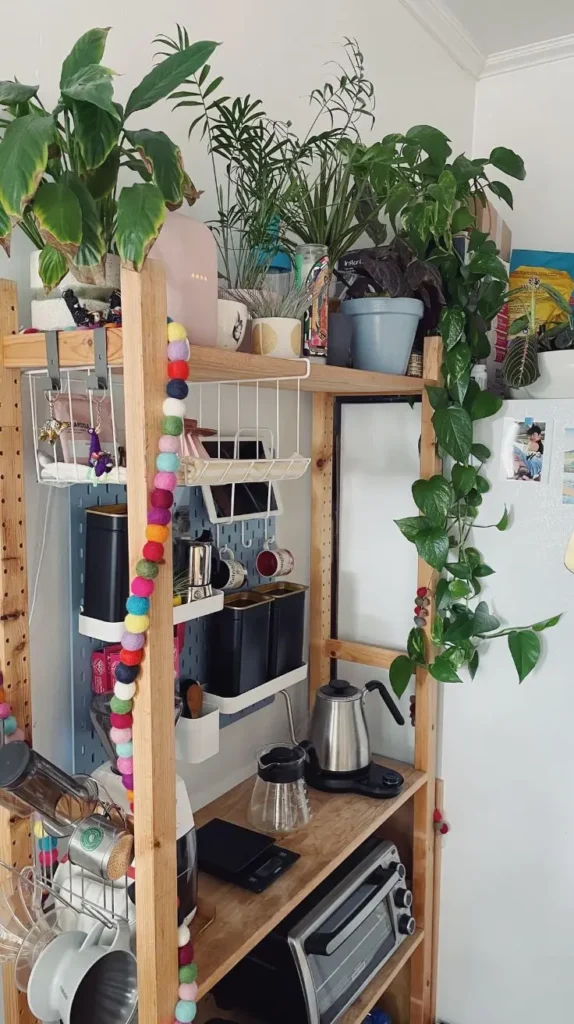
Coffee stations continue growing in popularity because they combine function with style. Adding greenery makes these dedicated spaces feel even more welcoming. A small leafy plant beside mugs, coffee beans, and brewing equipment creates a cozy café atmosphere right at home.
Compact containers fit neatly beside shelves without interfering with daily routines. Fresh herbs can even accompany tea collections for additional fragrance and convenience.
Natural wood trays help organize accessories while giving the entire setup a polished appearance. Morning coffee somehow feels more relaxing when surrounded by fresh greenery and thoughtful decorative details.
Decorate Above Cabinets with Cascading Foliage
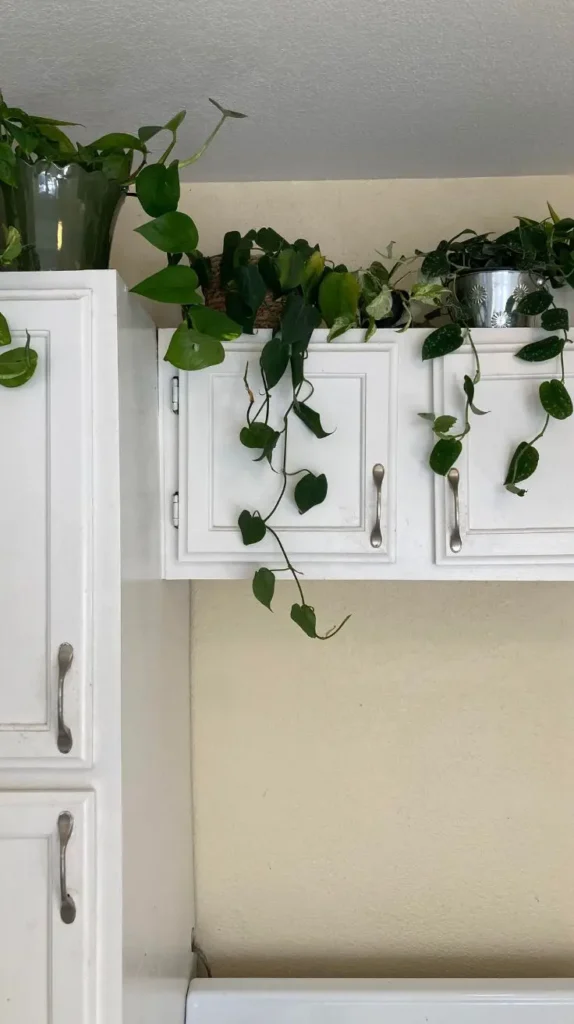
The area above kitchen cabinets often remains overlooked despite offering valuable decorating space.
Trailing plants placed in decorative containers soften the hard cabinet lines while drawing attention upward. Their flowing vines naturally fill otherwise empty gaps. Artificial greenery may work in difficult-to-reach locations, although living plants create a more authentic atmosphere when sufficient light is available.
Leaving enough room between containers prevents clutter while allowing vines to develop naturally over time. This elevated display adds depth without reducing valuable storage or workspace.
Design a Seasonal Green Display
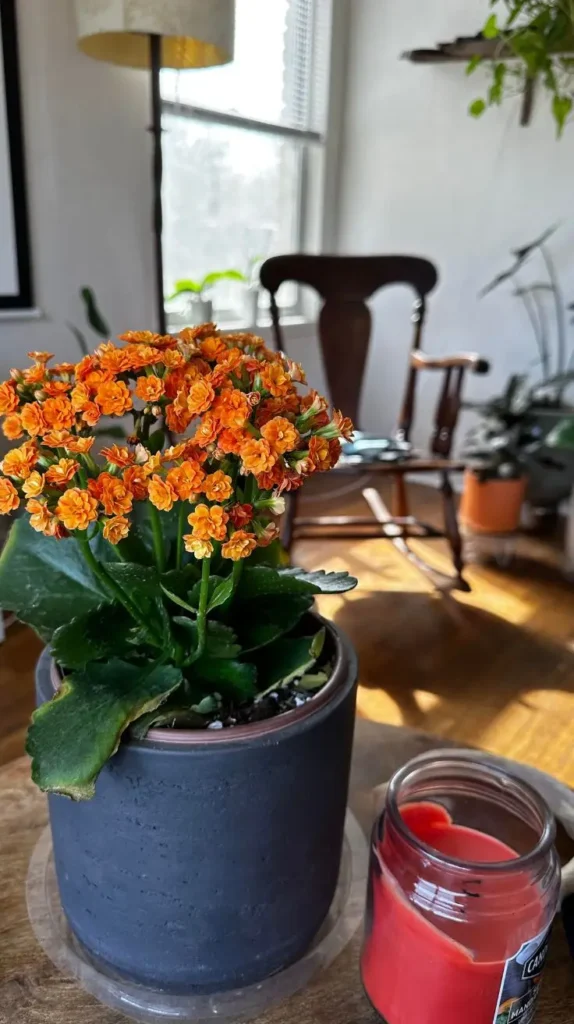
Refreshing plant arrangements throughout the year keeps the kitchen feeling exciting and updated.
Spring may feature flowering indoor plants with pastel containers. Summer highlights vibrant herbs and lush foliage. Autumn introduces earthy pottery and warm decorative accents. Winter embraces evergreen varieties paired with cozy neutral colors. Seasonal accessories such as woven baskets, candles, natural wood, or decorative pumpkins complement the greenery without overpowering it.
Simple changes create the feeling of a freshly decorated room while using many of the same plants year after year. Guests often notice these seasonal touches immediately because they reflect changing moods throughout the calendar.
Combine Edible Plants with Decorative Greenery
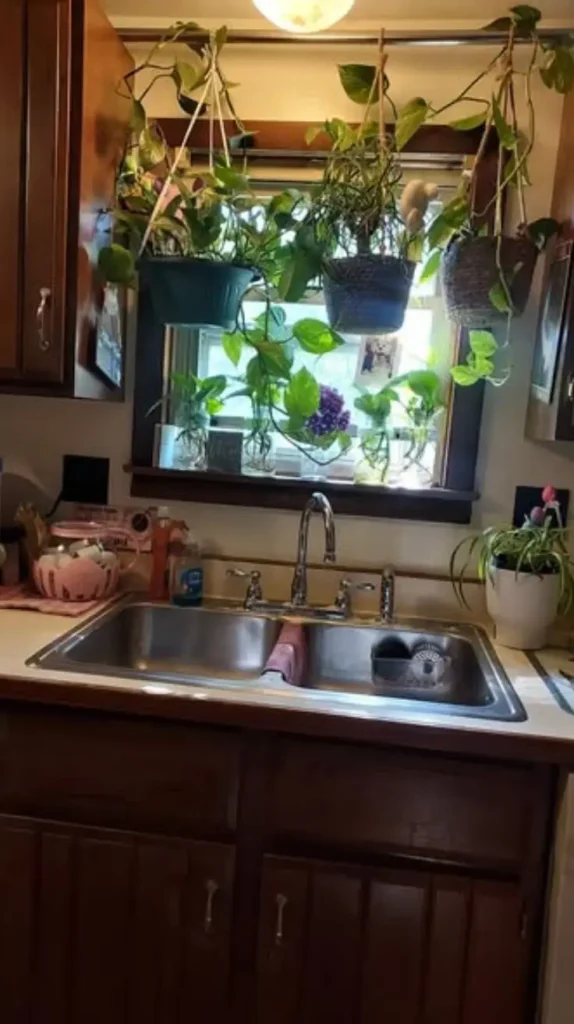
Beautiful decorations become even more rewarding when they also serve a practical purpose. Pair edible herbs with ornamental foliage to create displays that balance function and beauty.
Leafy greens, compact peppers, microgreens, and fresh herbs naturally complement decorative indoor plants. Keeping edible plants within easy reach encourages healthier cooking while reducing grocery trips for fresh ingredients.
Grouping similar watering needs together simplifies maintenance and keeps every container thriving. The combination of usefulness and beauty makes this decorating approach especially satisfying for busy households.
Create a Relaxing Green Corner That Feels Complete
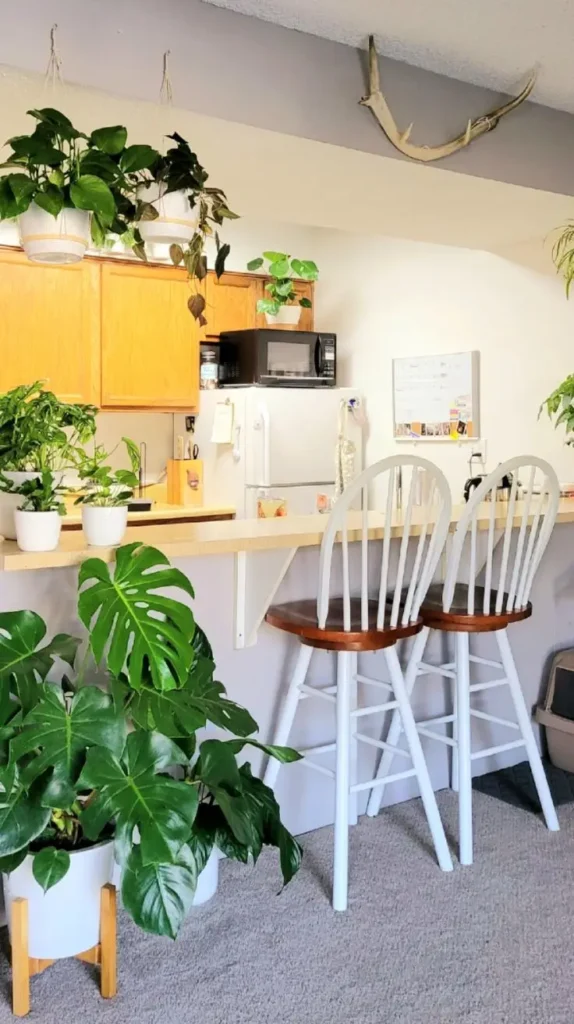
Every successful decorating project benefits from one area that brings everything together. Choose a corner with good lighting and arrange several plants at varying heights using stools, shelves, or decorative stands. Mix broad leaves with trailing vines and compact varieties to create depth.
Include natural accessories such as woven baskets, wooden cutting boards, linen towels, or glass jars filled with pantry staples.
The arrangement should feel balanced rather than crowded. Leaving breathing room between containers allows each plant to stand out individually while contributing to the overall design. Soon this peaceful corner becomes one of the most photographed and admired spaces in the entire home.
Simple Care Tips for Long-Lasting Beauty
Healthy plants always look more attractive than struggling ones. Fortunately, maintaining indoor greenery remains easier than many beginners expect.
Place each variety according to its light requirements, and avoid watering on a strict schedule. Instead, check the soil regularly and water only when the top layer feels dry for plants that prefer drier conditions, or keep consistently moist soil for those that require it.
Dust leaves occasionally so they continue absorbing light efficiently. Rotate containers every few weeks to encourage even growth, and remove yellow or damaged leaves promptly to maintain a fresh appearance.
Choose pots with drainage holes whenever possible to prevent excess moisture from collecting around the roots. Feeding plants with a balanced fertilizer during the growing season also encourages lush foliage and healthy development.
Consistent care quickly becomes a relaxing habit, and healthy greenery rewards that effort with lasting beauty throughout the year.
Common Decorating Mistakes to Avoid
Even beautiful plants can lose their impact when arranged without careful planning.
One of the most common mistakes is overcrowding surfaces. Leaving enough open space allows every plant to become part of the overall design rather than creating visual clutter.
Another issue involves placing plants too far from natural light. While many houseplants tolerate lower light conditions, nearly all perform better when their basic lighting needs are met.
Choosing containers without drainage can also create problems over time. Excess water often leads to unhealthy roots, yellow leaves, and declining growth.
Finally, avoid selecting oversized plants for very small kitchens. Matching plant size to available space creates better balance and keeps the room comfortable for everyday use.
Small adjustments often make a dramatic difference in both appearance and plant health.


