
Investors in Canada’s agricultural technology companies would love to expand their portfolios, but existing investments limit their ability to support new companies.
In 2020, Ag Capital Canada created an investment fund for agriculture and food technology companies, aiming to raise $25 million. They ended up with $26.2 million, says Jay Bradshaw, one of the fund’s principals.
All the money is invested in companies such as Ukko and Vodkow, which are growing, but not yet enough to leave their early investors behind.
Challenges in finding investors for startup companies and the ability to cycle money for investors were recurring themes at the first Canadian AgRobotics and AI Summit held at The Grove, Western Fair’s agriculture and food incubator in London.
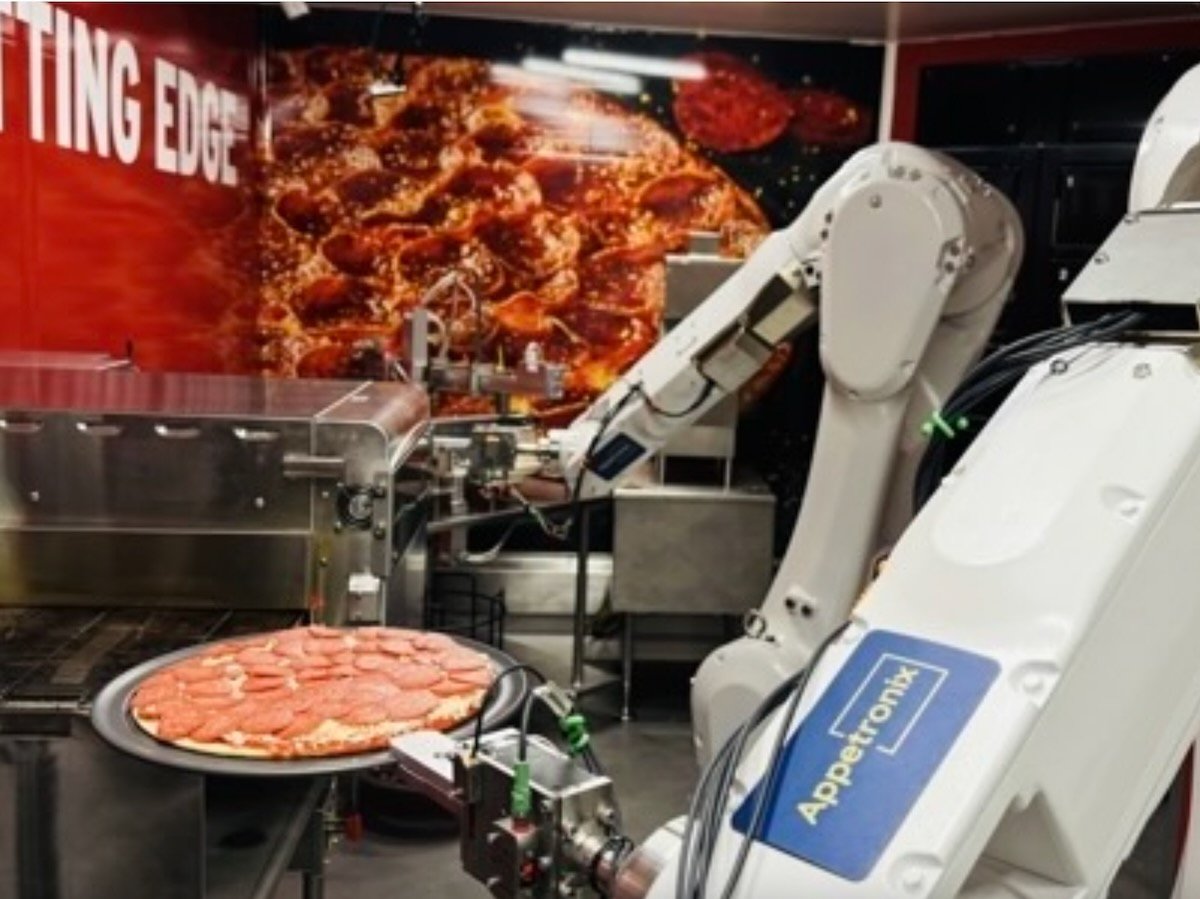
Appetronix is a London, Ont., company developing automated kitchens. Imagine your late-night flight arrives after other airport kitchens have closed. Appetronix’s automated system provides on-demand pizza options, with its first commercial kitchen, Donato’s Pizza, currently operating out of the Columbus, Ohio, airport.
Canadian investment lacking
Nipun Sharma, a co-founder of Appetronix, says almost none of the $15 million they raised recently came from Canada.
Jana Tian co-founded Upside Robotics in Ontario due to the Waterloo area’s engineering and mechatronics manufacturing capacity.
After successfully completing a $10.2 million funding round, with almost all of it raised internationally, Tian said it’s clear that raising money for ambitious ideas within Canada is challenging.
“When I did speak to some venture capitalists in Canada, it’s like when you go on dates, and the first question that they would ask me is, ‘What’s wrong with you?’ Tell me about 10 things that you’re going to fail as a mother or fail as a girlfriend,” she says. “It’s really difficult to sell yourself when coming with that mindset, to try to take it from minus 10 to somehow neutral.”
In the United States, Tian says the conversation is more optimistic.
“They ask you, ‘What are your strengths?’ How can we be a good team and make this huge? You get a lot more energized.”
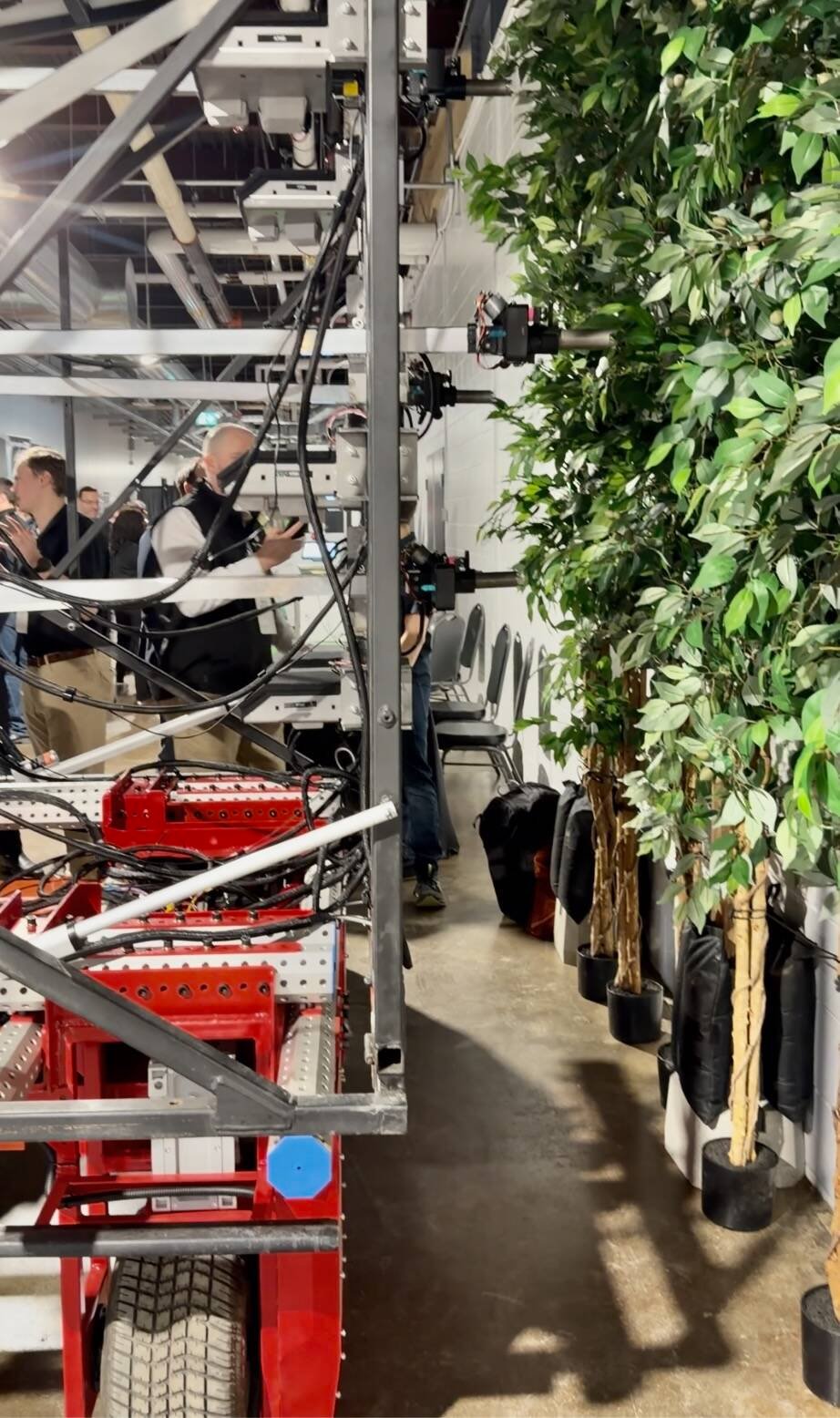
The entrepreneurs also shared examples of how being a venture capital darling can be challenging. Several companies in the automated kitchen sector have received funding in the hundreds of millions. One company raised $150 million but struggled to flip a burger. Another secured $400 million to automate pizza production. After seven years, Sharma said they couldn’t do it.
“There was a bit of a slump in investment in hardware, because all these big companies with big money couldn’t do anything,” says Sharma.
With an investment of $1.5 million, his company figured out the pizza process by being efficient and innovative because they have to be.
Livestock tech is even more niche than ag tech
Colin Yates of Vetson, a company connecting veterinarians and farmers virtually, says he’s in agriculture technology, but also in the livestock space.
“It’s been very, very hard even looking in the U.S. for potential investors, for people that even want to look at us,” Yates says.
Vetson solves a critical problem for farmers — the lack of veterinarians — but it isn’t as sexy as consumer software.
“Luckily, the Canadian investors that we work with are patient, and being in the very regulated space that we are, patient capital is very important.”
As a result, Vetson is very efficient with capital, which Yates hopes will be a long-term strength.
“We’re incrementally building our software package, trying to solve tiny problems that our partner veterinary practices are experiencing,” he says. “Rather than trying to build this broad thing that we think everybody is going to use.”
Yates’ reality is also a challenge for investors.
A lack of exits
“Any new investors that are coming to fund, also want to see exits as part of their portfolio,” says John Cassidy of SVG Ventures, a global ag tech investment company with offices across Canada.
“In ag tech right now, we have a severe lack of exits,” Cassidy says.
Many companies fail. Cassidy says that 20 years of investment in clean tech has shown that 70 per cent of those investments are wiped out.
He says the fluctuating investment climate is partly because ag tech investing is still in its early stages.
Ag Capital Canada has invested in nine companies since 2020, from aquaculture in British Columbia, to dairy technology in Atlantic Canada and crop health sensing in Ontario.
The question now is how to get money out of those companies and set them on the path to success.
Two or three of Ag Capital Canada’s companies are close to an exit, but Bradshaw says the limited partners are patient.
Farm Credit Canada is working to inject much more capital into the agriculture technology space, partnering with 25 funds, including Ag Capital Canada and SVG Ventures, with $800 million committed, says Sean Bingley, a senior relationship manager with FCC Strategic Finance.
FCC also committed to investing $2 billion in the sector, both directly in ag tech companies and through initiatives to improve sector and supply chain efficiency.
The first Canadian AgTech and AI Summit brought startups and investors into the same room, creating opportunities for new conversations.
The post Lack of ag tech ‘exits’ keeps investment money tied up appeared first on Farmtario.


