
For many young farmers, owning land is becoming less a dream than a financial impossibility.
Leasing or renting can offer a way to get started, but for Renaud Gagne, even that wasn’t enough. Gagne had plans to begin a chicken farm, only to discover a major roadblock to getting started — he had to own the land.
Gagne was running a marketing agency in Quebec when he and his wife, Anna-Marie, decided to make the move to Glen Robertson, Ont., to start Lindisfarn, an artisanal chicken farm. With the advent of AI threatening the marketing world, he thought getting into farming would provide a long-term career he could build on.
Lacking the funds to buy a farm outright, Gagne reached out to an existing farm about leasing land to begin his chicken farm. As Gagne continued to dig deeper into the rules and regulations, he discovered that in order to achieve the volume of chickens he wanted, he would need to own the land he farmed on.
Currently, the Chicken Farmers of Ontario Artisan Chicken program allows farmers to raise between 600 and 3,000 chickens annually for sale at local retailers, restaurants and farmers’ markets.
Gagne also discovered he was not the only farmer facing the same challenges.
“I realized lots of people reached out and were quite frustrated because they tried to do exactly what I was trying to do and they got refused because of the same reason,” he said.
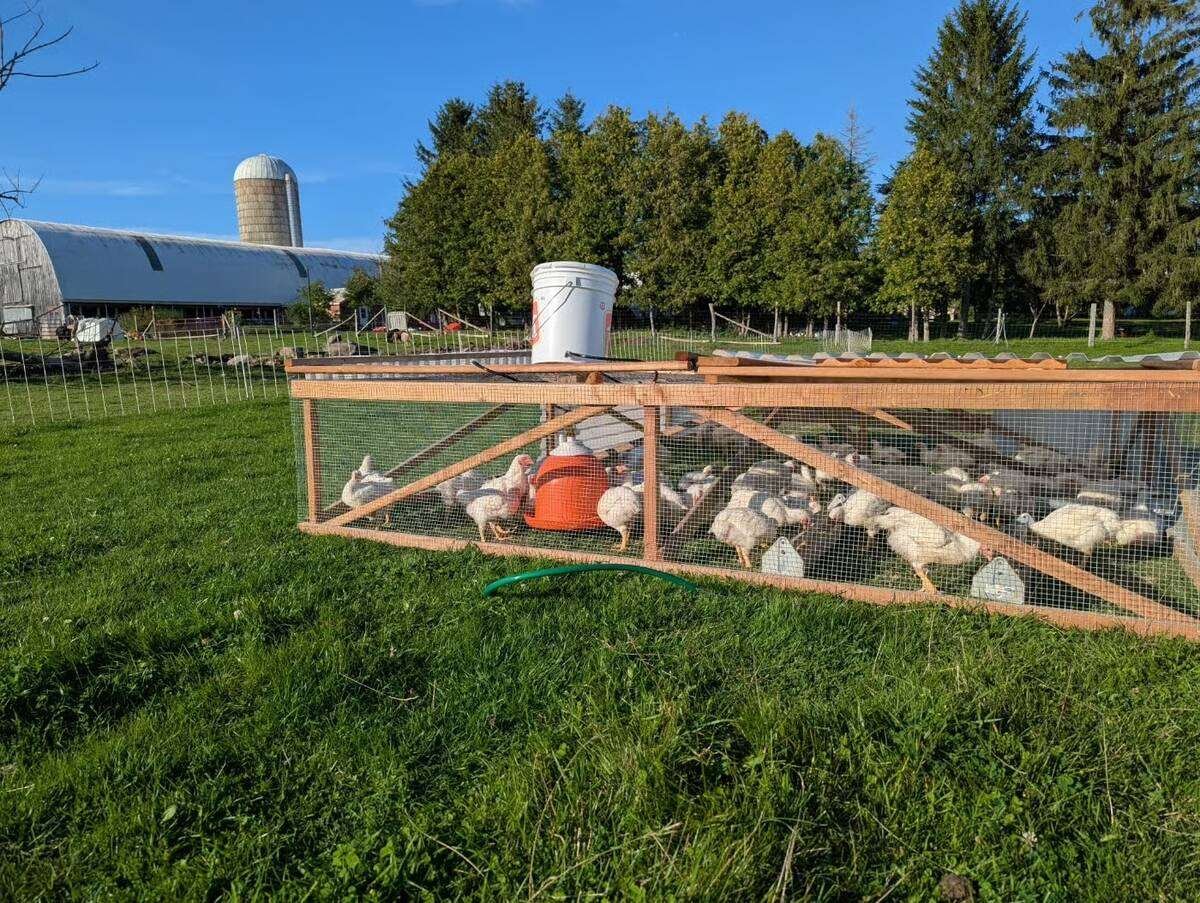
As a result, Gagne is challenging the land ownership requirement, noting that under the current guidelines, young farmers are forced to go into millions of dollars of debt “before you can even prove profitability.”
An appeal to Chicken Farmers of Ontario was denied in August. Gagne has not received an explanation for the denial or the reasoning behind why he must own the land he wants to raise chickens on.
He pointed to other sectors in the agriculture industry, such as beef and dairy, which do not have the same requirements.
Gagne also questioned a loophole where the children of a farm owner can lease the land while a member of the public cannot.
“It doesn’t sound like an official policy if you allow family, like children, to lease from their parents,” he said. “In my case, all my infrastructure is mobile and modular. So I don’t need a giant barn.”
The CFO said exceptions can also be made in cases relating to disputed treaty lands.
Kory Preston, CFO senior manager, communications and public affairs, said the program meets the same rigorous standards for animal health and welfare, food safety, worker safety and environmental sustainability as all Ontario chicken farmers.
“For example, applicants need to demonstrate a commitment to comply with the Raised by a Canadian Farmer On-Farm Food Safety Program and the Animal Care Program,” Preston said, adding that 144 artisan chicken applicants were approved in 2026.
He said, since the program’s inception, all applicants meeting the organization’s eligibility criteria have been approved.
“While these farmers have a production licence issued by CFO, they are not quota holders– rather, they have an annual production licence,” he said.
Preston would not clarify why farmers have to own the farm they wish to raise chickens on if they exceed 300 birds.
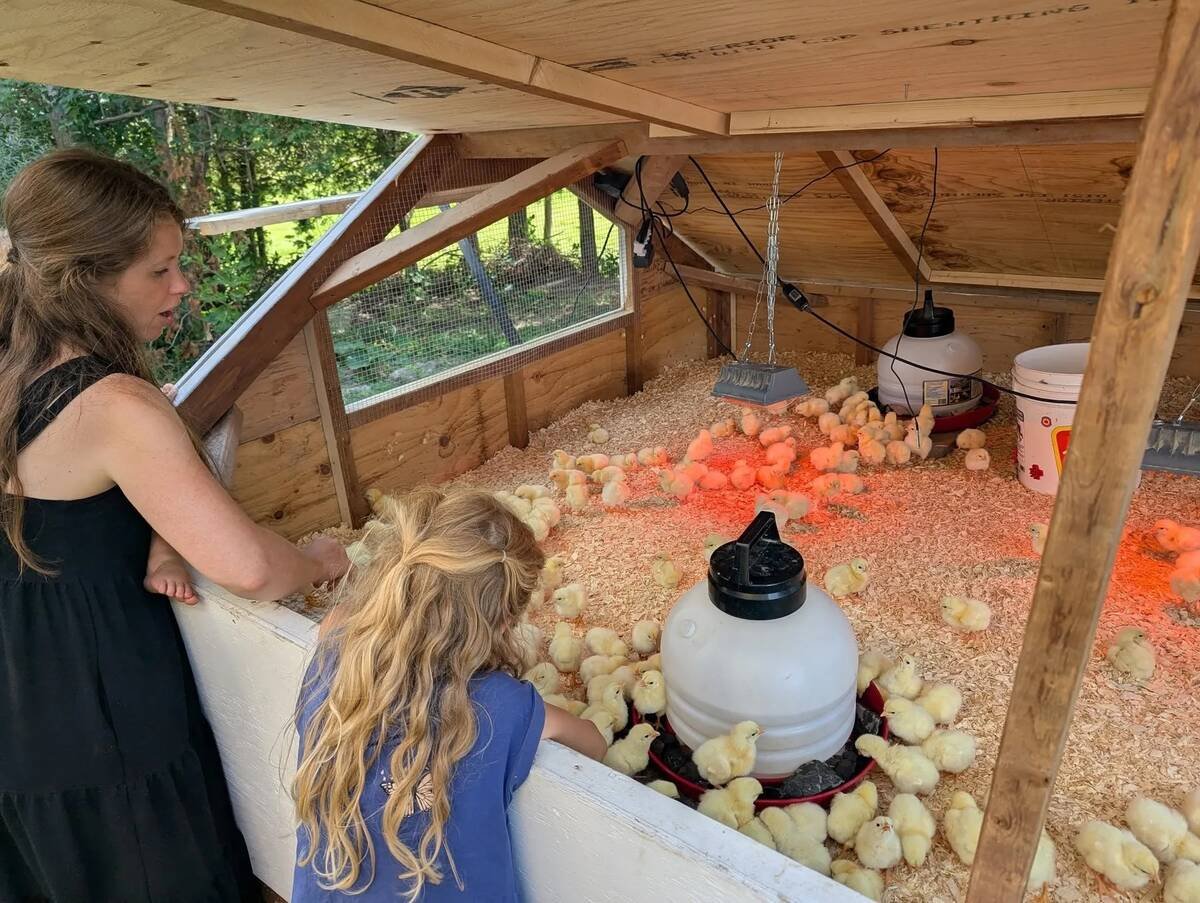
Gagne said this policy is creating a barrier to entry for young people who want to get into chicken farming but can’t afford a whole operation.
This opinion is shared by Andre Houle, owner of Ferme Houle Farm located in Alfred and Plantagenet, Ont. Houle has participated in the program, noting it offers a chance for farmers to start their operations from scratch and grow their markets.
“After many years participating in different versions of the current Family Food program, we graduated to the artisanal program last year. The support and training offered by the CFO (including an onsite visit) really helped us understand the nuances of growing a healthy flock. Having said that, there is always room for improvement,” he said.
Houle noted that an aging agricultural workforce and current land costs create few opportunities for young farmers.
He said that although the Artisan Chicken program rules help start a business, they do not have to be a permanent fixture in cases like the Gagne family.
“Rules serve a purpose but need to be revisited from time to time,” he said.
Houle believes the policy should be adjusted to reflect the farmer’s legal document requirement, giving them access to the land for a set period longer than the time needed to raise the flock.
“They should be given the opportunity to start their business. It may be the only way to get started for many new farmers,” he said. “In my opinion, the CFO offers an excellent suite of programs aimed to help farmers grow. They support their programs very well. I would like them to allow startup operations the opportunity to raise seasonal flocks on leased land.”
The post Land ownership rules create barrier for aspiring chicken farmers appeared first on Farmtario.


