Researchers in Brazil have found that low concentrations of caustic soda work better than high doses for preparing organic waste for biogas production. The finding boosts methane output. It also cuts costs and reagent use in the bioprocess.
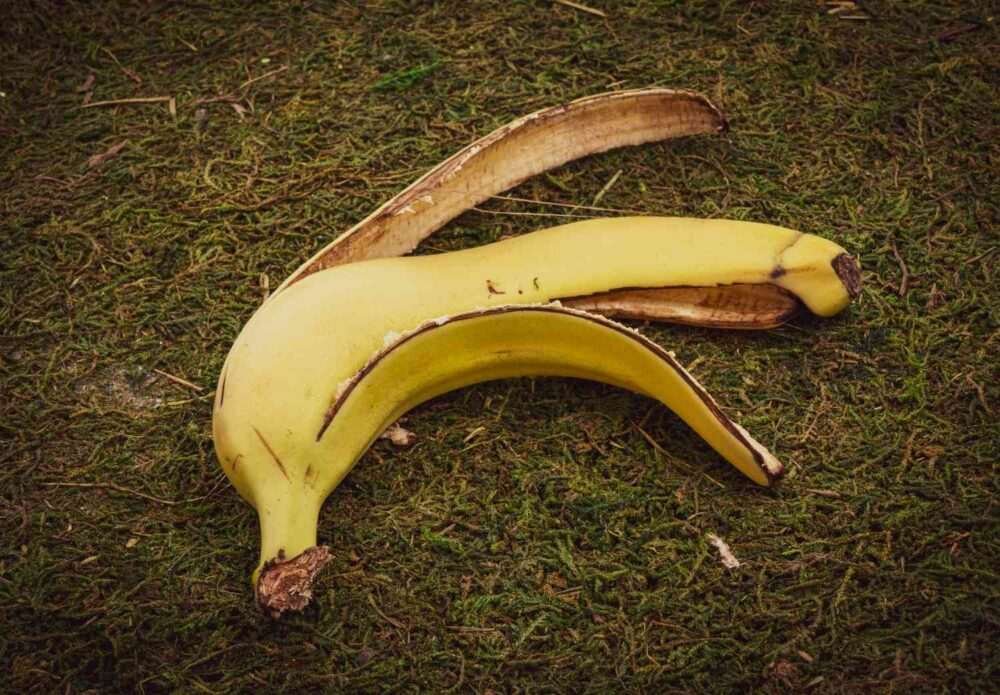
The study used banana peels and unsellable fruit collected from wholesale markets. Despite their high organic content, this biomass is locked behind a barrier of cellulose and lignin. That barrier blocks microorganisms from accessing fermentable sugars. This limits anaerobic digestion, a key biological process.
To address this, researchers at São Paulo State University’s Bioenergy Research Institute applied a thermo-alkaline pretreatment. The biomass was heated with sodium hydroxide at concentrations ranging from 0.2% to 3%. The aim was to partially break down lignin, making carbohydrates more accessible to microorganisms.
The results ran counter to expectations. A concentration of just 0.2% produced the greatest carbohydrate breakdown. It reached over 12,000 milligrams of methane per liter. That compares to under 5,000 mg/L in untreated material. A slightly higher dose of 0.4% yielded the highest total methane. Still, 0.2% produced gas fastest.
Lead author Larissa Ayumi Yamamoto said high sodium hydroxide use raises costs. It can also inhibit the microorganisms driving the bioreactor’s methane production. Study coordinator Sandra Imaculada Maintinguer added that excess reagent harms effluent treatment further down the line.
Researchers also tracked which microbial species drove the biological process. The best-performing bioreactor showed Paraclostridium and Clostridium bacteria. It also showed methane-producing archaea from the Methanothrix and Methanoregula genera.
The study is part of a broader UNESP bioenergy program exploring agroindustrial waste. This includes orange and guava byproducts. The findings were published in the journal BioEnergy Research.
The post Low-dose treatment boosts biogas from banana waste appeared first on World Bio Market Insights.