A total lunar eclipse will redden the Moon on March 3, 2026. Here’s what you need to know.
How does a lunar eclipse work?
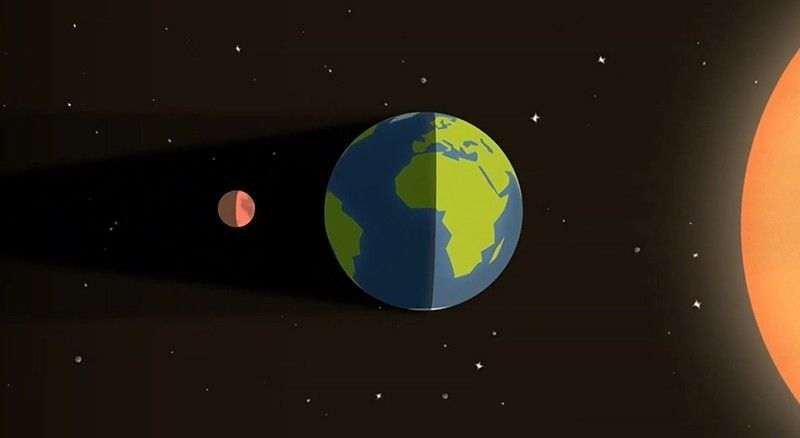
A lunar eclipse occurs when Earth passes directly between the Sun and Moon, casting a gigantic shadow across the lunar surface and turning the Moon a deep reddish-orange. This alignment can only occur during a full Moon phase.
How can I observe the eclipse?
You can observe a lunar eclipse without any special equipment. All you need is a line of sight to the Moon! For a more dramatic observing experience, seek a dark environment away from bright lights. Binoculars or a telescope can also enhance your view.
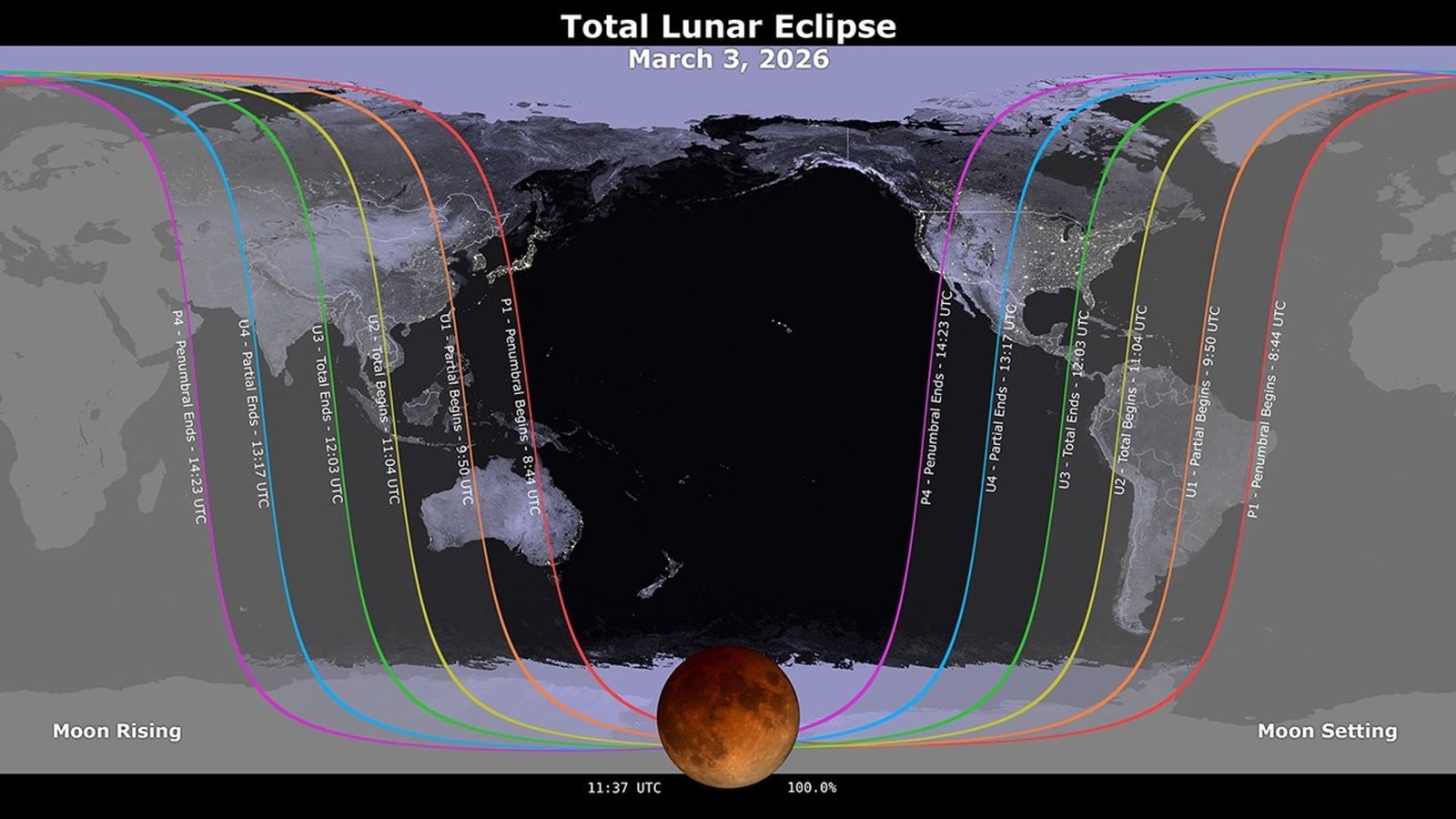
On March 3, totality will be visible in the evening from eastern Asia and Australia, throughout the night in the Pacific, and in the early morning in North and Central America and far western South America. The eclipse is partial in central Asia and much of South America. No eclipse is visible in Africa or Europe.
What can I expect to see?
| Milestone: | What’s happening: |
| Penumbral eclipse begins (12:44 a.m. PST, 3:44 a.m. EST, 8:44 UTC) | The Moon enters the Earth’s penumbra, the outer part of the shadow. The Moon begins to dim, but the effect is quite subtle. |
| Partial eclipse begins (1:50 a.m. PST, 4:50 a.m. EST, 9:50 UTC) | The Moon begins to enter Earth’s umbra and the partial eclipse begins. To the naked eye, as the Moon moves into the umbra, it looks like a bite is being taken out of the lunar disk. The part of the Moon inside the umbra appears very dark. |
| Totality begins (3:04 a.m. PST, 6:04 a.m. EST, 11:04 UTC) | The entire Moon is now in the Earth’s umbra. The Moon is tinted a coppery red. Try binoculars or a telescope for a better view. If you want to take a photo, use a camera on a tripod with exposures of at least several seconds. |
| Totality ends (4:03 a.m. PST, 7:03 a.m. EST, 12:03 UTC) | As the Moon exits Earth’s umbra, the red color fades. It looks as if a bite is being taken out of the opposite side of the lunar disk from before. |
| Partial eclipse ends (5:17 a.m. PST, 8:17 a.m. EST, 13:17 UTC) | The whole Moon is in Earth’s penumbra, but again, the dimming is subtle. |
| Penumbral eclipse ends (6:23 a.m. PST, 9:23 a.m. EST, 14:23 UTC) | The eclipse is over. |
Why is a lunar eclipse sometimes called a “blood Moon”?
During a total lunar eclipse, the Moon appears dark red or orange. This is because our planet blocks most of the Sun’s light from reaching the Moon, and the light that does reach the lunar surface is filtered through a thick slice of Earth’s atmosphere. It’s as if all of the world’s sunrises and sunsets are projected onto the Moon.
Learn more: Why does the Moon turn red during a solar eclipse?
What else can I observe on the night of the eclipse?
As Earth’s shadow dims the lunar surface, constellations may be easier to spot than they usually are during a full Moon. At the time of the eclipse, the Moon will be in the constellation Leo, under the lion’s hind paws.
Several days later, on March 8, look for a “conjunction” of Venus and Saturn: from our perspective on Earth, these two planets will appear close to each other in the sky (though they’ll still be very distant from each other in space).
Visit our What’s Up guide for more skywatching tips, and find lunar observing recommendations for each day of the year in our Daily Moon Guide.
Caela Barry / Ernie Wright
NASA’s Goddard Space Flight Center