
A men’s bedroom is more than just a place to sleep. It becomes a personal retreat, a recharge zone, and a quiet reflection of character. The moment someone steps inside, the room should speak, without shouting, about confidence, comfort, and individuality. Many people think designing a masculine bedroom requires expensive furniture or complicated design rules. That belief stops creativity before it even starts.
The truth is far more exciting.
With the right ideas, textures, colors, and lighting, a men’s bedroom can feel bold yet calming, stylish yet effortless. This guide breaks down deeply detailed bedroom concepts created for real life, not glossy magazines. Each idea builds anticipation, layers emotion, and reveals how small design choices shape the overall mood. Stick around, because the later ideas might completely change how a bedroom is viewed.
Let’s step into spaces that feel strong, grounded, and undeniably personal.
Industrial Strength With Urban Edge

Concrete textures, raw finishes, and exposed details bring serious character into a bedroom. This style draws inspiration from warehouses and city lofts, yet it feels surprisingly warm when done right. Brick-effect walls, metal bed frames, and dark wood furniture establish a grounded atmosphere that feels steady and confident.
Lighting plays a powerful role here. Soft amber bulbs, wall-mounted sconces, or cage-style lamps balance the rough surfaces with warmth. Fabrics matter too. Adding linen bedding, textured throws, and a thick area rug softens the space and keeps it livable. Without these layers, the room can feel cold.
Storage stays simple and functional, with open shelves, steel lockers, or reclaimed wood cabinets. Every element serves a purpose. This bedroom style feels honest and uncluttered, perfect for someone who values structure and strength. The longer one stays in this room, the more its quiet confidence settles in.
Dark Tones With Moody Comfort
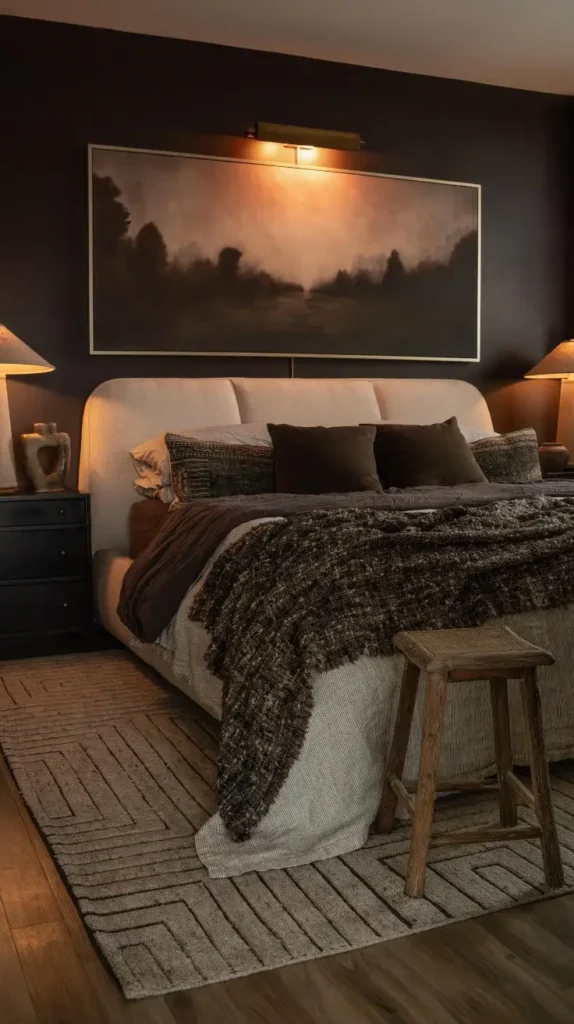
Dark color palettes create a bedroom that feels protective, grounded, and deeply calming. Shades like charcoal gray, deep navy, midnight blue, espresso brown, and forest green wrap the space in a sense of quiet confidence. Rather than feeling gloomy, these tones absorb visual noise and reduce distractions, making the room feel restful after long days.
The real magic happens through balance. Dark walls work best when paired with lighter bedding, soft textures, and warm lighting. Crisp white sheets, gray duvets, or subtle patterns prevent the room from feeling heavy. Natural materials like wood nightstands or leather accents bring warmth and prevent the space from feeling cold or flat.
Lighting becomes essential in moody rooms. Soft lamps, warm bulbs, and layered lighting sources allow the atmosphere to shift naturally from day to night. The result feels intimate, calming, and mature. Over time, this bedroom becomes a personal refuge, offering comfort that lighter spaces often struggle to deliver.
Minimalist Calm With Clean Lines

A minimalist bedroom focuses on clarity, simplicity, and breathing room. Everything inside the space has a purpose, and nothing feels unnecessary. Clean lines, low-profile furniture, and open floor space create a sense of ease that instantly lowers mental stress.
Neutral colors dominate this style, often using soft whites, light grays, beige, or warm taupe. These shades reflect light and help the room feel open and peaceful. Furniture remains simple and functional, often featuring hidden storage to reduce visual clutter. Floating nightstands and streamlined bed frames keep the room feeling light.
Minimalism does not mean empty or cold. Texture plays a huge role here. Linen bedding, woven rugs, and soft throws add warmth without overwhelming the design. A single piece of art or a small plant introduces personality while maintaining balance. This bedroom style encourages rest, focus, and clarity, qualities that grow more valuable with time.
Modern Luxury With Sleek Details
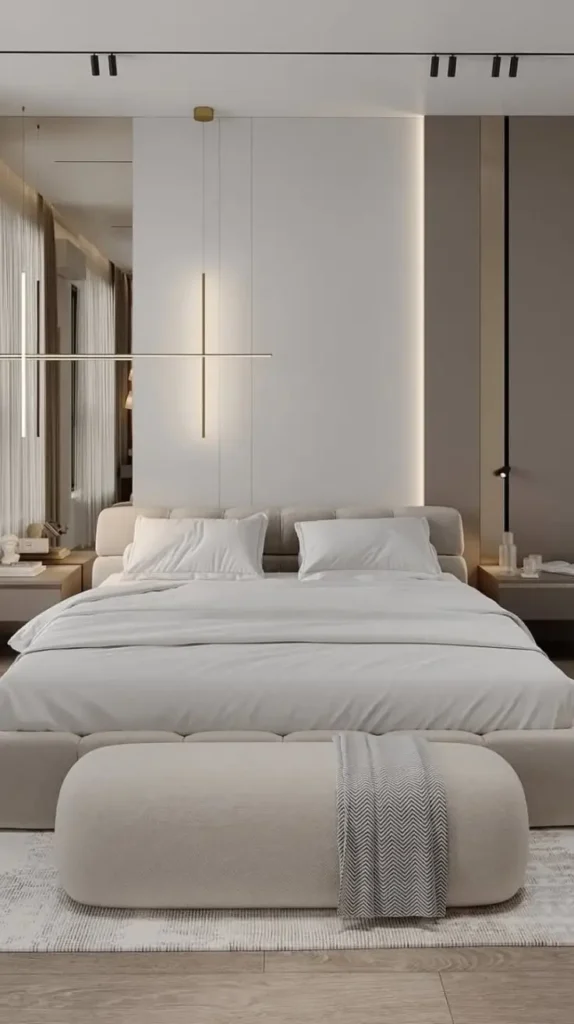
Modern luxury bedrooms blend comfort with sophistication. This style focuses on refined materials, smooth surfaces, and thoughtful symmetry. The goal is not excess but intentional elegance that feels effortless rather than flashy.
Upholstered beds, soft headboards, and high-quality bedding create a hotel-like comfort. Neutral color palettes dominate, often featuring shades like cream, warm gray, taupe, or muted brown. Subtle metallic accents, brushed gold, matte black, or chrome, add polish without overwhelming the space.
Technology integrates seamlessly. Smart lighting, hidden charging stations, and minimal cords keep surfaces clean. Everything feels organized and purposeful. Lighting remains soft and layered, creating a calm glow that enhances relaxation. This bedroom doesn’t try to make a loud impression. Instead, it quietly communicates confidence, comfort, and control, leaving a lasting impression through restraint rather than excess.
Statement Walls That Command Attention
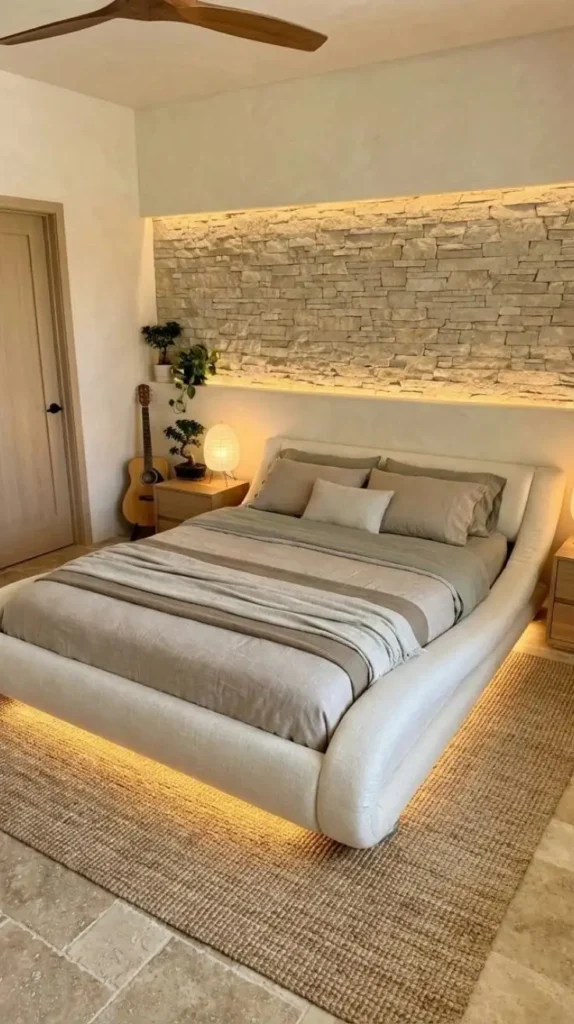
A statement wall transforms a bedroom from ordinary to unforgettable. This design choice creates a powerful focal point that immediately draws the eye without overwhelming the entire room. The wall behind the bed often works best because it anchors the space naturally and frames the sleeping area with purpose. Materials like textured wallpaper, vertical wood slats, stone panels, or deep paint colors add depth and character.
Balance keeps the look refined. When one wall speaks boldly, the remaining walls stay neutral, allowing the feature to shine without visual noise. Lighting plays a supporting role by enhancing texture and shadow. Soft wall sconces or subtle LED strips add dimension and warmth, especially in the evening.
A statement wall also brings personality into the room without clutter. It replaces excessive decor while maintaining interest. Over time, the wall continues to feel fresh and intentional, offering visual strength that holds attention day after day.
Neutral Layers With Subtle Masculinity

Neutral bedrooms rely on texture and layering rather than strong color contrasts. Shades like warm gray, beige, cream, and soft brown create a calm foundation that feels balanced and timeless. This approach works especially well for those who want a peaceful atmosphere without sacrificing character.
Layering adds depth. Linen bedding, wool throws, leather accents, and wooden furniture build visual interest without overpowering the room. Each texture contributes to comfort while maintaining a cohesive feel. Lighting remains warm and diffused, enhancing the layered effect and softening edges.
This style feels stable and adaptable. Decor updates become easy because the neutral base supports change without disruption. Over time, the bedroom feels consistent and reassuring. It becomes a dependable space that encourages rest, reflection, and ease without ever feeling dull or unfinished.
Leather Accents For Bold Sophistication
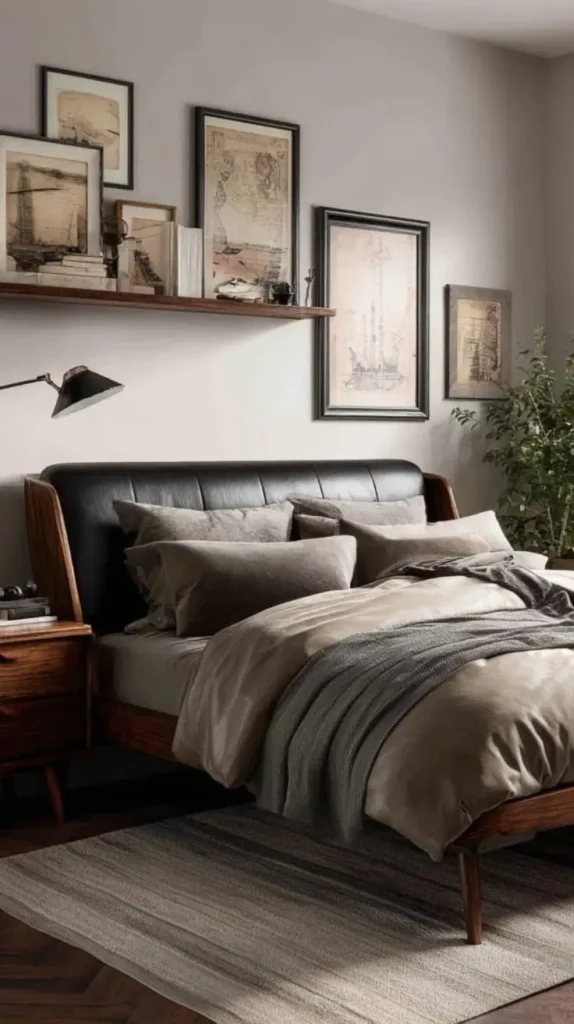
Leather introduces strength and refinement into a bedroom through texture rather than color. Whether used in a headboard, bench, chair, or decorative details, leather adds a sense of maturity and confidence that feels natural rather than forced.
Brown leather creates warmth and approachability, while black leather adds depth and contrast. When paired with wood, metal, or soft fabrics, the result feels balanced and intentional. Leather works best as an accent, allowing it to stand out without overwhelming the space.
One of leather’s strongest qualities is its ability to age gracefully. Natural wear adds character instead of damage. Over time, the bedroom gains richness and personality. This creates a space that feels authentic, lived-in, and quietly powerful, never loud, never excessive.
Lighting That Shapes Mood
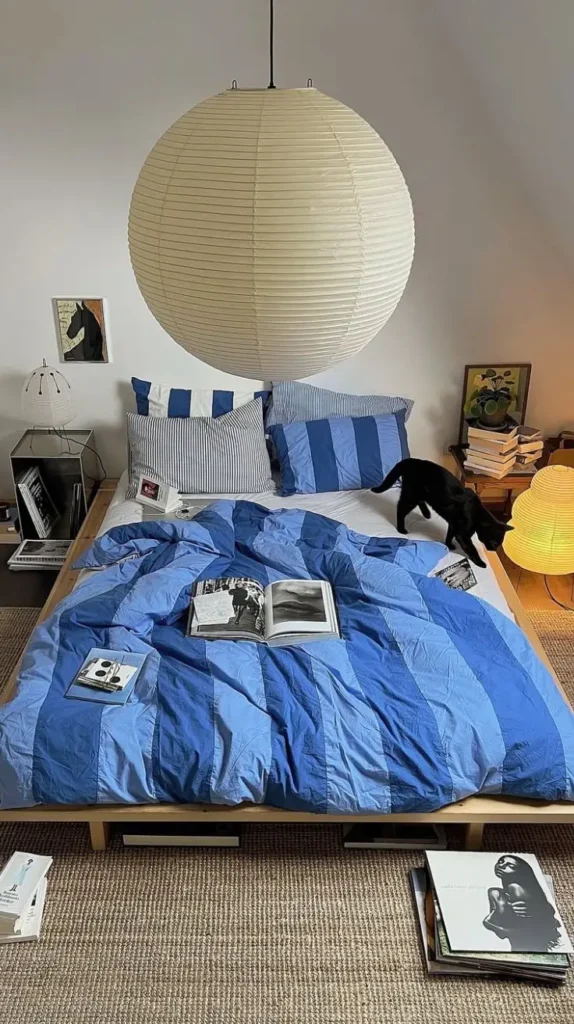
Lighting has the power to completely change how a bedroom feels. It influences mood, comfort, and even sleep quality. A bedroom with harsh or poorly placed lighting can feel uncomfortable, no matter how well it is decorated. That’s why thoughtful lighting design matters so much.
Layered lighting works best. Soft table lamps, wall-mounted lights, and indirect lighting sources create depth and warmth. Warm light tones feel calming and help the body relax in the evening. Adjustable lighting allows the space to shift naturally from bright mornings to calm nights without effort.
Lighting also highlights textures, furniture, and walls, adding dimension to the room. Shadows create softness, while focused light adds purpose. Over time, well-designed lighting makes the bedroom feel more welcoming and emotionally balanced. It turns the space into a retreat that supports rest rather than interrupting it.
Vintage Touches With Timeless Appeal

Vintage elements bring depth, warmth, and personality into a bedroom. These pieces often carry a character that modern furniture lacks. A vintage dresser, antique mirror, or retro lamp adds history and visual interest without dominating the room.
Balance keeps this style effective. Vintage items work best when paired with modern bedding or clean-lined furniture. This contrast prevents the space from feeling outdated. Each piece feels intentional, adding charm without clutter.
Vintage touches also create an emotional connection. They suggest stories, memories, and craftsmanship. Over time, the bedroom feels collected rather than styled. It becomes a space with soul, offering comfort that feels authentic and lasting rather than trendy or temporary.
Tech-Friendly Comfort Zones
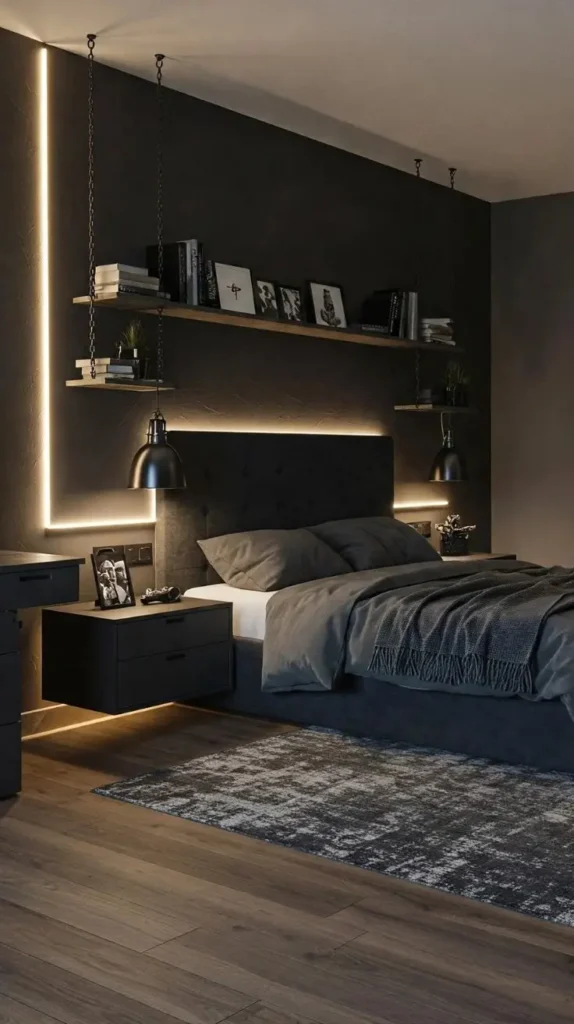
A tech-friendly bedroom focuses on convenience without visual clutter. Technology should support comfort quietly rather than dominate the space. Hidden wiring, wireless charging, and built-in lighting keep surfaces clean and organized.
Smart features improve daily routines. Adjustable lighting supports natural sleep cycles, while temperature controls enhance nighttime comfort. Minimal visible screens help reduce distraction, allowing the bedroom to remain a place of rest rather than stimulation.
The design stays warm through textures and lighting. Soft fabrics, natural materials, and warm tones balance modern technology. Over time, the convenience becomes part of everyday comfort. The room feels efficient, calm, and future-ready without losing its welcoming atmosphere.
Nature-Inspired Calm With Organic Elements
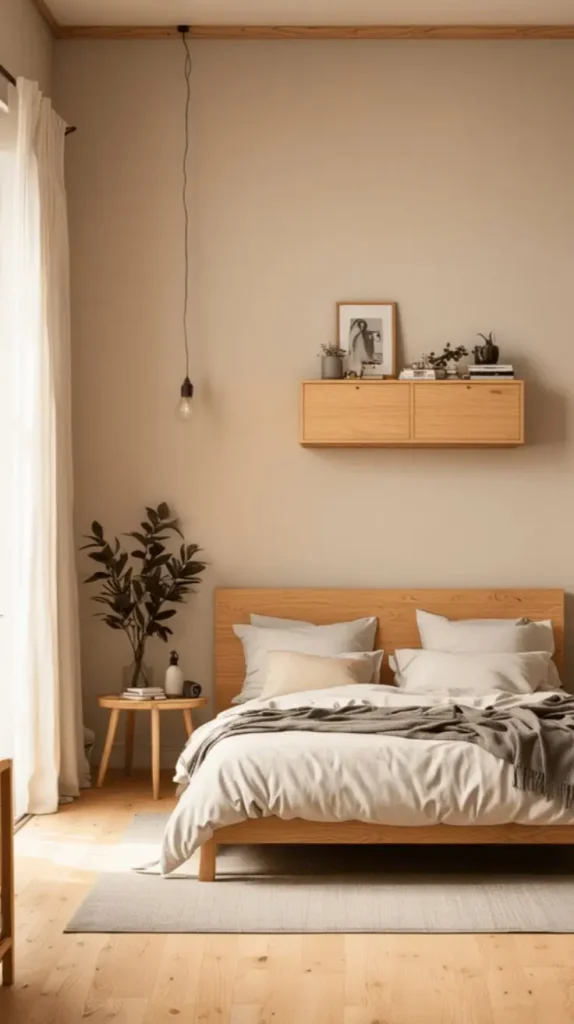
Nature-inspired bedroom design creates a deep sense of calm by bringing the outdoors inside. Organic materials such as wood, linen, cotton, and stone introduce warmth and texture that feel grounding and familiar. These elements soften the overall atmosphere, making the bedroom feel less structured and more relaxed.
Earthy colors play an important role. Soft greens, warm browns, beige, and muted grays help the mind settle naturally. Plants add life and movement, even when used sparingly. A single plant near a window or a small grouping on a shelf can completely change the mood of the room. Natural light enhances these materials during the day, while warm lighting keeps the space comfortable at night.
This style supports emotional balance and better rest. Over time, the bedroom feels peaceful and restorative. The connection to natural elements encourages relaxation without effort, turning the space into a quiet retreat from daily noise and pressure.
Personalized Spaces That Tell a Story
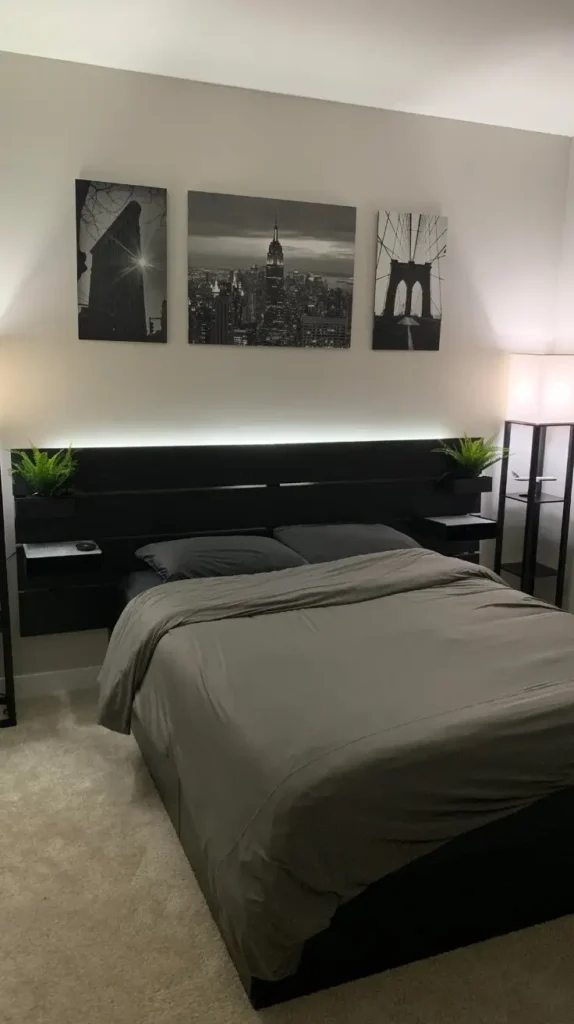
A personalized bedroom feels meaningful because it reflects real experiences rather than trends. Personal photos, artwork, books, and carefully chosen objects transform the room into a story rather than a display. Every item carries intention, adding emotional depth to the space.
This approach values quality over quantity. Instead of filling shelves with decor, only meaningful pieces remain. The result feels organized, calm, and deeply personal. The room grows naturally over time as new memories replace old ones, creating an evolving environment that always feels relevant.
Comfort increases when the space feels familiar. An emotional connection makes the bedroom feel safe and grounded. Over time, this design approach creates a room that feels complete not because of style rules, but because it reflects identity, growth, and personal history authentically.
Balanced Masculine Design With Lasting Comfort
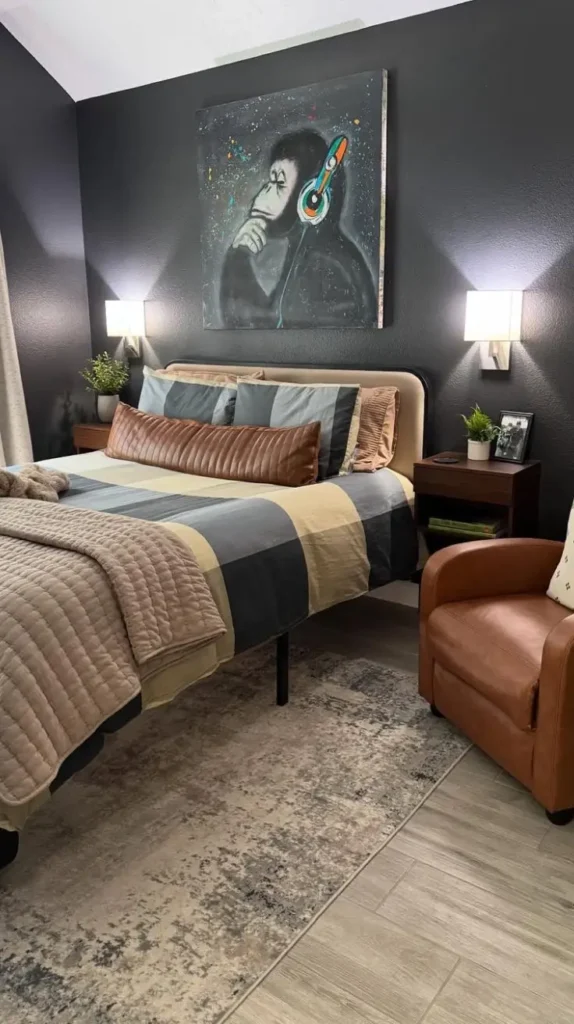
Balanced masculine design focuses on harmony rather than extremes. Strong materials like wood, metal, and leather create structure, while soft fabrics and warm lighting add comfort. This balance keeps the bedroom from feeling too rigid or overly decorative.
Neutral colors with subtle contrast support visual stability. Furniture remains functional and uncluttered, allowing the room to feel open and easy to use. Textures add interest without overwhelming the space. Lighting softens sharp lines and enhances relaxation, especially in the evening.
This style works well long-term. It adapts easily to small updates without losing its core identity. Over time, the bedroom feels reliable and calming. The space becomes a dependable retreat that offers comfort, confidence, and ease without needing constant change.
Calm Retreats Designed For Restful Sleep
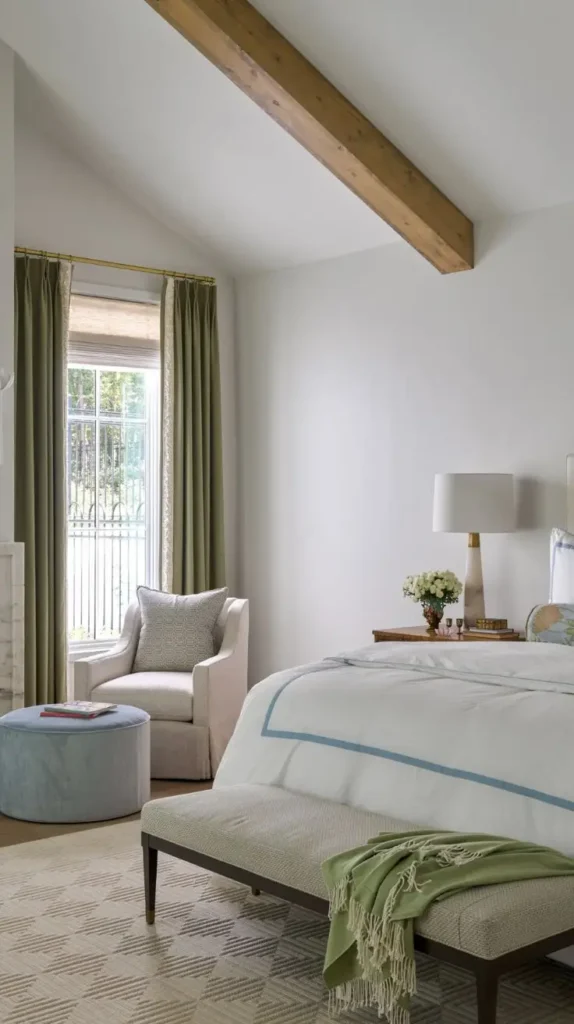
A bedroom designed for restful sleep focuses on comfort, quiet, and emotional ease. Soft textures, supportive bedding, and soothing colors work together to encourage relaxation. The goal is to create an environment that naturally signals the body to slow down.
Color choices remain gentle. Muted tones help reduce stimulation and visual stress. Lighting stays warm and adjustable, allowing brightness to fade gradually in the evening. Noise distractions remain minimal, and clutter stays controlled to maintain mental clarity.
This approach improves sleep quality over time. The bedroom becomes associated with rest rather than activity. The space feels safe, calm, and predictable. When everything supports comfort, falling asleep becomes easier, and waking up feels more refreshing and balanced.


