

Meta has announced one of the biggest technology investments in history — over $600 billion by 2028 to build new artificial intelligence (AI)-ready data centers across the United States. The plan aims to boost computing power, support local economies, and promote sustainability.
This huge spending marks a turning point for both Meta and the wider tech industry. As demand for AI grows, so does the need for energy, data processing, and new infrastructure. Meta’s goal is to meet this demand while keeping its projects efficient and climate-friendly.
Building the Next Generation of AI Infrastructure
AI systems require enormous amounts of computing power. A 2024 study reported that U.S. data centers consumed over 4% of the nation’s electricity in 2023. They also emitted about 105 million tonnes of CO₂ equivalent, making up more than 2% of total U.S. emissions. With AI workloads growing rapidly, these figures will rise further.
- Meta plans to bring over 1 gigawatt of AI computing power online by 2026, supported by its purchase of more than 1.3 million GPUs this year.
These centers will have high-performance chips and strong cooling systems. These facilities will manage AI training and storage for products like Facebook, Instagram, and WhatsApp. They will also support future apps using generative AI.
The company said the new centers will be designed for both speed and sustainability. Each site will include advanced energy-saving technologies, improved water-cooling systems, and high-efficiency servers.
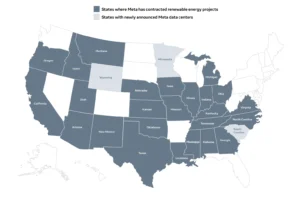
Meta also plans to team up with energy companies. They want the electricity for their data centers to come from renewable sources, like solar and wind. In one notable example, it is partnering with Blue Owl Capital on a $27 billion AI data center project in Louisiana. It shows both the scale of financing and the strength of public-private partnerships.
This expansion is expected to create thousands of construction and tech jobs across several states. Local communities near Meta’s campuses, such as in Iowa, Texas, and Utah, have gained from previous investments. New data centers should provide similar benefits. This includes better infrastructure and training programs for the workforce.
Greener Tech, Bigger Goals
Meta says sustainability is central to its $600 billion plan. The company adds 15 gigawatts of new clean energy capacity across the country. This helps modernize the grid and expand clean energy.
The company aims to reach net-zero emissions across its entire value chain by 2030. It already claims to run its global operations with 100% renewable energy, but future growth will test that commitment.
Meta is expanding its renewable energy partnerships. It is also signing long-term power purchase agreements to meet its climate goals. It also aims to use new tools that will help measure and cut emissions from construction materials, transportation, and hardware manufacturing.
Water management is another focus. Many data centers require large volumes of water for cooling. Meta aims to be water-positive by 2030. This means it will restore more water to local ecosystems than it uses. Projects to restore wetlands and protect river basins are already underway near its U.S. facilities.
SEE MORE ON META:
- Meta Powers U.S. Data Centers with Nearly 800 MW of Clean Energy Deal with Invenergy
- Meta and XGS Energy Launch 150 MW Geothermal Project to Power its Data Centers in New Mexico
- Meta Taps US-Made Solar to Power Its First South Carolina AI Data Center
Racing to Power the AI Boom
Meta’s move reflects a major trend across the tech industry: the race to build AI-capable infrastructure. AI models are getting bigger and more complex. They need more computing power and energy than ever.
- According to industry surveys, 85% of current data centers are not yet AI-ready, underscoring the importance of this next-generation buildout.
In the past year, top tech firms have announced new spending on AI infrastructure. The total adds up to hundreds of billions of dollars. Meta’s $600 billion push sets a new benchmark and signals how serious this competition has become.
However, this rapid expansion also raises new challenges. Data center growth is putting pressure on electricity grids, land use, and local resources. Analysts warn that without strong planning, this surge could lead to higher energy costs or strain local water supplies.
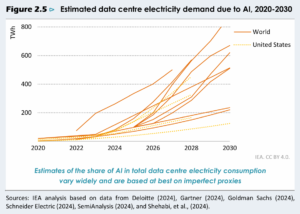
At the same time, the sector is innovating fast. Engineers are testing several solutions. They’re looking at liquid-cooling systems, heat-recycling technologies, and AI-based monitoring tools. These aim to cut down on waste. Many experts believe the next generation of data centers will be far more energy efficient than the ones built just a few years ago.
Big Tech Moves: Microsoft, Google, and Amazon
Meta is not alone in investing heavily in AI-ready data centers. Other big tech companies are building up their infrastructure. They need to handle the rising demand for cloud computing and AI workloads.
-
Microsoft plans to invest about $80 billion in AI and data centers.
The tech giant has over 400 facilities around the globe. The company continues to grow its Azure regions, creating thousands of construction and tech jobs. Microsoft teams up with local governments and utilities. This helps its projects boost renewable energy and support community growth.
-
Amazon/AWS runs about 135 hyperscale data centers.
The ompany invests billions each year to grow their cloud infrastructure. Its projects in states like Pennsylvania and Virginia create many jobs. This includes both construction and ongoing operations. Amazon often engages local suppliers and workforce programs to maximize regional economic benefits.
-
Google has around 130 hyperscale sites worldwide.
It is also investing billions in AI-focused facilities, with projects in Germany and India. These centers help create local jobs, including technical and construction roles. They also support community development efforts. Google emphasizes energy efficiency and clean power, aligning its growth with environmental and sustainability goals.
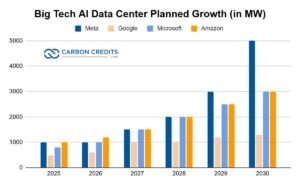
These moves reveal a clear trend: major tech firms are racing to create next-gen infrastructure. They aim to boost economic growth, create jobs, and provide regional benefits.
At the same time, they face shared challenges, including land use, energy supply, and community impact. These companies work with local authorities and invest in renewable energy. This helps them grow while also being responsible.
What Lies Ahead for Meta and the Data Center Market
In the next 5 years, analysts expect a big increase in global demand for data center capacity. This is especially true for facilities built for AI workloads. If Meta’s $600 billion plan proceeds on schedule, the company could add several gigawatts of new computing capacity by the end of the decade.
This growth will also influence renewable energy markets. To power so many facilities sustainably, Meta and other tech firms will need to secure long-term renewable energy deals, invest in energy storage, and help modernize aging power grids.
Industry observers say this could create a positive cycle: as more companies demand clean power, utilities will have a greater incentive to expand renewable generation. The challenge will be ensuring that this transition happens fast enough to match the pace of AI adoption.
If Meta keeps its promises, this project might show how big AI systems can grow while being eco-friendly. The next few years will show whether the company’s vision — of technology that empowers both people and the planet — can truly become a reality.
The post Meta’s $600 Billion AI Bet: Building the Next Generation of Data Centers appeared first on Carbon Credits.


